Can Rabbits Eat Carrots Every Day?
When you look at your adorable bunny, it's natural to want to share tasty things, and carrots often come to mind. But can rabbits eat carrots every day? The short answer is no, and giving them too many can actually cause health problems.
Our research shows that while carrots are a popular treat, they're high in sugar and not a balanced part of a rabbit's diet. According to veterinary guidelines, a rabbit's daily food intake should be about 80% hay, 10% leafy greens, and 10% pellets, with treats given very sparingly.
Why Carrots Aren't an Everyday Staple for Rabbits
A rabbit's digestive system is quite specialized, and it's designed to process a lot of roughage. Think of them as tiny, furry hay-lovers. What we feed them daily makes a huge difference in their health and happiness.

Image source: Web (Bing) / petsplus.ie (Web image (fair-use with source credit))
Hay: The Undisputed King
Hay should make up the bulk of your rabbit's diet, around 80%. It’s essential for their digestion and keeps their teeth worn down properly. Timothy hay, orchard grass, or oat hay are great choices.
It should be available to them 24/7.
Leafy Greens: The Daily Dose
About 10% of their daily food should be fresh, leafy greens. Think romaine lettuce, parsley, cilantro, or dandelion greens. Variety is key here, so rotate through different types to ensure they get a range of nutrients.
Pellets: The Supporting Role
Pellets should only make up about 10% of their diet, and it’s important to choose a high-quality, plain Timothy-based pellet. Avoid mixes with seeds, nuts, or colorful pieces, as these are unhealthy fillers. The amount depends on the rabbit's size and age.
Quick Answer
No, rabbits cannot and should not eat carrots every day. Carrots are high in sugar and starch, which can lead to serious health issues like obesity and digestive upset if fed daily. A rabbit's diet should primarily consist of hay, supplemented with leafy greens and a small amount of high-quality pellets.
Carrots: A Delicious but Risky Treat
Many people assume carrots are a perfectly healthy treat for their bunnies, perhaps influenced by cartoon characters. However, in reality, carrots are more of a dessert than a daily staple for rabbits. They’re packed with natural sugars and starches, which rabbits don't process very efficiently.

Image source: Bing (Web (fair-use with source credit))
The Sugar Bomb Effect
The natural sugars in carrots can cause a rapid increase in a rabbit's blood sugar. Over time, this can contribute to weight gain and other metabolic problems. It can also disrupt the delicate balance of good bacteria in their gut, leading to digestive issues.
Vitamin A Overload Concerns
While carrots are famous for their beta-carotene, which the body converts to Vitamin A, too much can be a bad thing. Excessive Vitamin A can lead to health problems, though this is less common than sugar-related issues with frequent carrot feeding.
Potential for Digestive Chaos
Rabbits have sensitive digestive systems that rely heavily on fiber. The lower fiber content and higher sugar/starch in carrots compared to hay or leafy greens can easily upset this balance. This can manifest as gas, bloating, or diarrhea, which can be serious.
How Much Carrot is Actually Okay?
So, if carrots aren't an everyday food, how often can they be given, and in what amounts? It's all about moderation and understanding your rabbit's individual needs and tolerances.
Portion Control is Key
A good rule of thumb for treating is to give only a small piece, about the size of your thumbnail, a few times a week at most. This small amount ensures they get a tiny taste without overloading their system.
Frequency Matters More Than Amount
Even a small piece given daily can add up and contribute to long-term health problems. It's far better to offer a tiny piece once or twice a week than a slightly larger piece less often.
Signs Your Rabbit Might Be Eating Too Many Carrots
Your bunny can't tell you when something is wrong, but their body often shows us signs. If you've been giving carrots regularly, or even if you're just unsure, keeping an eye out for these indicators is crucial for their well-being.
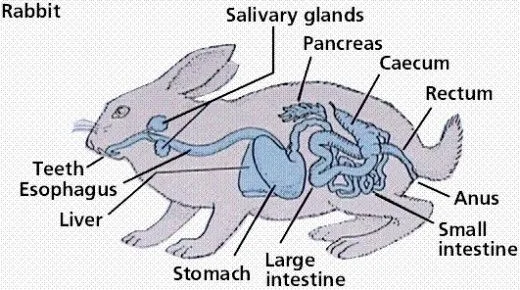
Image source: Bing (Web (fair-use with source credit))
Physical Cues to Watch For
Look for changes in their droppings. Are they smaller, misshapen, or mushy? Diarrhea is a serious concern.
Also, watch for weight gain. If your rabbit is getting chubby, their diet likely needs adjusting, and that often means reducing sugary treats like carrots.
Behavioral Changes
Lethargy or a sudden lack of interest in playing could signal that something is off. A rabbit that seems uncomfortable, is hunched over, or is grinding their teeth (a sign of pain) might be experiencing digestive distress from an imbalanced diet.
Safer Treat Alternatives for Your Bunny
If you're looking for ways to spoil your rabbit without the risks associated with daily carrots, there are plenty of other options. Many safe and healthy treats can add variety and enjoyment to their lives.
Veggie Options Beyond Carrots
Many other vegetables are much safer and more beneficial than carrots. Offer small amounts of bell peppers (any color), zucchini, cucumber, or small pieces of broccoli. Always introduce new veggies slowly, one at a time, to see how your rabbit reacts.
Herb and Flower Choices
Fresh herbs like dill, basil, mint, and cilantro are excellent, nutrient-rich options. Edible flowers like dandelion flowers (grown without pesticides), clover, and rose petals can also be given as occasional treats. Remember, variety is still key even with these healthier options.
When to Call the Rabbit Vet
While many dietary concerns can be managed at home with careful observation and adjustments, some situations require immediate professional attention. Rabbits are prey animals and are very good at hiding illness, so it’s vital to know when to seek veterinary help.
Recognizing Serious Health Issues
Digestive upset is a common and serious problem in rabbits. If your rabbit stops eating, their droppings become very small or disappear entirely, or they seem bloated or in pain, this is a medical emergency. Gastrointestinal stasis can be fatal if not treated quickly.
Diet-Related Emergencies
Sudden, severe diarrhea or a complete loss of appetite are always reasons to contact your veterinarian immediately. These symptoms can indicate a serious underlying issue, often related to diet, that needs prompt diagnosis and treatment. Don't wait to see if it resolves on its own.
Frequently Asked Questions About Rabbit Diets
Can rabbits eat baby carrots every day?
No, baby carrots are still high in sugar and starch and should not be given daily. The same concerns apply as with regular carrots. Treat them as an occasional, very small reward.
How many carrots can a rabbit have per day?
A very small amount, about a thumbnail-sized piece, is the maximum recommended for a treat, and this should only be given a few times a week, not daily.
What vegetables are safe for rabbits daily?
Safe daily greens include romaine lettuce, leaf lettuce, parsley, cilantro, dill, and dandelion greens. Always introduce new greens slowly and in moderation.
Why is hay so important for rabbits?
Hay provides essential fiber for rabbit digestion, helping to prevent gastrointestinal stasis and keeping their gut flora balanced. It also helps wear down their continuously growing teeth.
Can rabbits eat carrot tops?
Yes, carrot tops are generally safe and healthier than the carrot root itself, as they are less sugary. They can be offered more regularly as part of their leafy green intake.
Making Smart Feeding Choices for a Healthy Rabbit
Understanding what’s truly best for your rabbit’s health involves prioritizing their natural dietary needs. Hay should always be the foundation, with a variety of safe greens and carefully measured pellets forming the rest of their daily meals. Treats like carrots should be rare and small.
By making informed choices, you help prevent common health issues and ensure your bunny lives a long, happy life.