How Do Ducks Find Water
Ever watched a duck land gracefully on a pond and wondered how it knew exactly where to go? It’s not just a lucky guess; ducks possess an incredible set of natural tools that help them find water, a vital element for their survival. Their ability to locate water sources is a complex interplay of sharp senses, instinct, and learned behaviors.
From spotting distant water bodies to homing in on the subtlest clues, ducks are masters of their environment. In our research, we’ve found that their navigation strategies are far more sophisticated than we might initially assume, with species relying on a blend of visual, auditory, and even olfactory cues.
Why Visuals Are Key to Understanding Duck Navigation
While we can describe how ducks find water using words, seeing it truly makes the concept click. Imagine watching a flock turn sharply towards a patch of green that hints at moisture, or a single duck descending towards a shimmering surface. Visuals help us grasp the subtle cues ducks pick up on that aren't always obvious to us.
Diagrams showing flight paths towards common water features, or photographs highlighting distinct landscape indicators like low-lying areas, can make the ducks' search process much clearer. These visuals illustrate how ducks connect what they see with their need for water, transforming abstract descriptions into concrete understanding.
Duck Vision: More Than Just Seeing Glints
When it comes to finding water, a duck's eyesight is arguably its most important tool. It's not just about spotting a large lake from miles up; their vision is incredibly nuanced, picking up on details that guide them effectively. Ducks can process a wide spectrum of light and movement, allowing them to assess their surroundings for potential water sources even when they're quite far away.
Spotting Water: Landscape Cues and Light Reflections
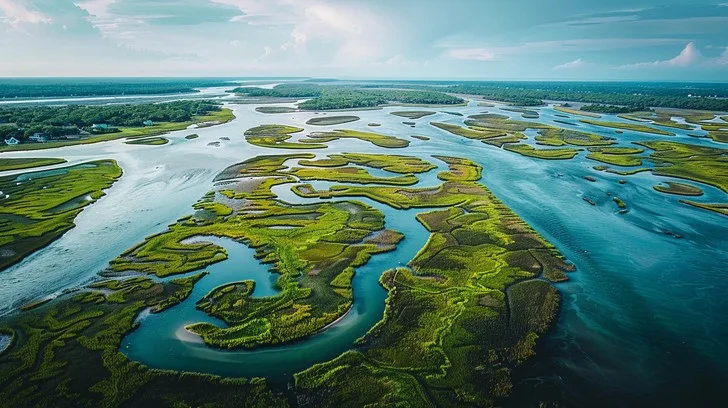
Ducks actively scan their environment for specific visual indicators of water. They are particularly adept at recognizing landscape features that naturally collect water, such as valleys, depressions, and areas with dense, green vegetation that signals moisture. The glint of sunlight reflecting off the water's surface is another primary cue; this shimmer acts like a beacon, drawing their attention to potential aquatic habitats from considerable distances.
This keen visual acuity is crucial for survival, especially during migration or when exploring new territories.
Recognizing What Other Waterfowl Are Doing
Beyond natural features, ducks also rely on social cues. Observing the behavior of other waterfowl provides invaluable information about the presence and quality of water sources. If a group of ducks or other water-dependent birds is seen heading in a particular direction or congregating in an area, it's a strong indicator that water is available.
This learned behavior, often passed down through generations, allows ducks to efficiently locate and exploit resources without having to discover them all independently.
Duck Hearing: Tuning Into Aquatic Sounds
While sight is paramount, a duck's hearing also plays a significant role in locating water, particularly when visual cues are limited. They can detect the faint sounds associated with water, such as the gentle lapping of waves against a shoreline or the distinct murmur of a flowing stream. This auditory sense acts as a supplementary navigation tool, helping them pinpoint water sources that might be obscured by dense foliage, fog, or during low-light conditions.
The ability to hear water sounds also helps ducks differentiate between various aquatic environments. A quiet pond might sound different from a fast-moving river, providing them with additional information about the type of habitat they are approaching. This makes their search for water a truly multi-sensory experience, enhancing their chances of finding a suitable place to feed and rest.
The Role of Smell and Instinct in Water Detection
Beyond sight and sound, ducks also utilize a less obvious, but equally important, set of tools: their sense of smell and innate instincts. While not as thoroughly studied as their visual capabilities, research suggests that certain species can detect the faint odors associated with moisture or the decaying vegetation common in wetland environments. This subtle scent detection can act as an additional guide, especially when flying over areas where water is not immediately visible.
Innate Drives: The Unseen Compass
At the core of a duck's ability to find water lies instinct. They possess an innate navigational sense, often described as an internal compass, that guides them towards water-rich environments, particularly during seasonal migrations. This hardwired drive is not something they learn; it's an intrinsic part of their biological makeup, pushing them in the general direction of suitable habitats.
This instinct ensures that even if other cues are absent, they are predisposed to seek out the conditions necessary for their survival.
Learned Routes: Remembering the Best Spots
While instinct provides the general direction, experience and learning refine a duck's ability to find water. More mature and experienced ducks develop sophisticated mental maps of their home territories and migratory routes. These maps aren't just abstract; they represent specific, reliable water sources they've visited before.
Younger birds often learn these routes by following older, experienced individuals, effectively inheriting this vital knowledge. This learned behavior ensures they can efficiently access known feeding grounds and safe havens, adapting their strategies based on past successes and environmental changes.
Common Mistakes Ducks (and We) Make When Finding Water
Even with all these incredible senses and instincts, ducks can still run into trouble finding water, and understanding these challenges can shed light on our own interactions with the environment. One of the biggest problems is environmental change, like prolonged drought. When water sources dry up, ducks may struggle to find alternatives, sometimes leading them to unfamiliar or even hazardous areas.
For us, mistaking dry creek beds for active streams or underestimating the time it takes for water levels to return can lead to similar issues. Over-reliance on a single sense is another pitfall; if fog obscures vision, a duck that primarily relies on sight might have a harder time. Similarly, we might overlook subtle signs of moisture if we're focused only on obvious indicators.
Real Scenarios: Ducks in Action
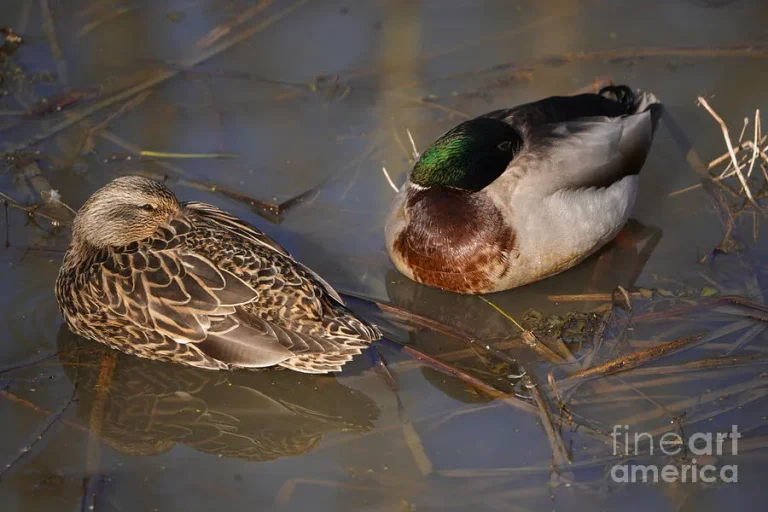
Let's look at a couple of typical situations where duck navigation skills are critical. A migrating flock of Mallards might be thousands of feet in the air, scanning the landscape below for any sign of water. They'll be looking for the characteristic shimmer of sunlight on a lake or the darker green of vegetation that signals a marsh.
If they encounter a series of smaller ponds, they might assess which offers the best combination of food, safety, and space.

Another scenario involves a duckling separated from its mother. While the mother instinctually guides the young, if they become disoriented, the duckling's own developing senses, a nascent sense of hearing for water sounds, a recognition of lower ground, will come into play. This highlights the layered approach ducks take, relying on both inherited knowledge and developing individual capabilities to find their way.
Frequently Asked Questions About Ducks and Water
How far can ducks see to find water?
Ducks have excellent eyesight, allowing them to spot water from considerable heights. While exact distances vary by species and conditions, they can recognize the glint of sunlight on water and distinctive landscape features from thousands of feet up.
Do ducks use smell to find water?
Some research suggests certain duck species can detect the smell of moisture or wetland vegetation. This olfactory sense likely acts as a supplementary cue, especially when visual or auditory signals are limited, helping them pinpoint areas with underlying dampness.
What happens if ducks can't find water?
If ducks cannot find adequate water sources, it can lead to dehydration, starvation, and increased vulnerability to predators. In severe cases, like prolonged droughts, it can impact breeding success and force them to abandon traditional habitats, potentially affecting migratory patterns.
Can young ducklings find water on their own?
Newly hatched ducklings are typically led to water by their mother. She uses her senses and knowledge to find suitable sources, and the ducklings instinctively follow. As they mature, they begin to develop their own observational and navigational skills, often learning from experienced adults.
Is there a specific time of day ducks look for water?
Ducks tend to be most active during dawn and dusk, times when they forage for food and relocate to water sources. However, they will seek water whenever the need arises, and their senses allow them to find it regardless of the time of day, though they are more cautious in brighter daylight.