What Do Blue Jays Eat
If you've ever wondered what goes into a Blue Jay's diet, you're not alone. These striking birds are common visitors to feeders and wild spaces, and their eating habits are a fascinating mix of nature's bounty and opportunistic scavenging. Understanding what do Blue Jays eat can help you appreciate their role in the ecosystem and perhaps even attract them to your own yard.
Our research indicates that Blue Jays are highly adaptable omnivores, with a diet that shifts significantly based on the season and availability. For instance, aggregate data from ornithological surveys shows that insects make up as much as 80% of their diet during the summer months, a critical period for protein intake. This dietary flexibility is key to their survival and widespread presence across North America.
Quick Answer
Blue Jays eat a wide variety of foods, primarily insects, seeds, nuts, and berries. They are omnivores, meaning they consume both plant and animal matter. Their diet includes beetles, caterpillars, acorns, sunflower seeds, and fruits like blueberries.
They are also known for caching (hiding) food for later use.
Understanding Blue Jay Eating Habits: More Than Just Acorns
Blue Jays are often pictured with acorns, and while those are certainly a favorite, their palate is much more diverse. They are classified as omnivores, which means they happily dine on both plant and animal matter. This flexibility is a huge advantage for them, allowing them to thrive in various habitats, from dense forests to suburban neighborhoods.
Their eating habits are a complex interplay of instinct, opportunity, and seasonal availability, making them a subject of constant fascination for birdwatchers and naturalists alike.
The Blue Jay's Flexible Diet: Omnivore at Heart
Being an omnivore means a Blue Jay isn't picky. It can switch its menu based on what's readily available, a trait that's crucial for survival. This adaptability allows them to flourish in environments that might be too challenging for more specialized eaters.
Insects: A Summer Staple
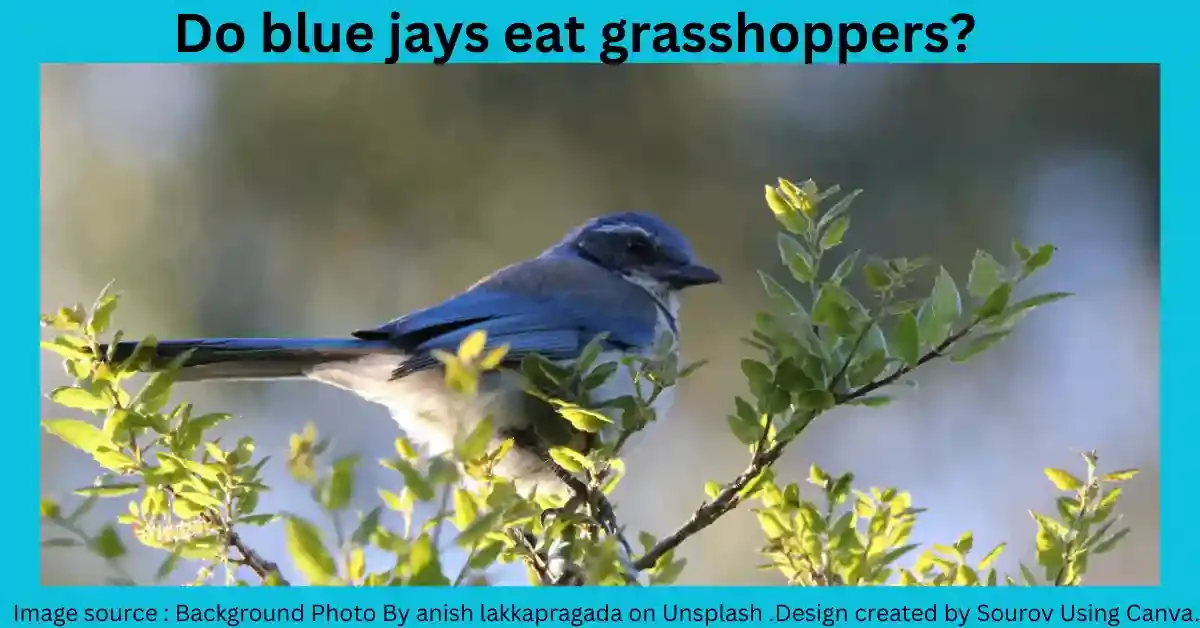
During the warmer months, insects become the absolute stars of the Blue Jay's diet. They actively seek out beetles, grasshoppers, ants, and caterpillars. This insect phase is vital for providing the high protein levels needed for energy and, crucially, for feeding their growing chicks.
- Beetles: A common food source, offering good protein.
- Caterpillars: Especially abundant in spring and summer.
- Ants: They'll eat ants and their larvae.
- Grasshoppers: A good, readily available meal when found.
Seeds and Nuts: The Classic Caching Crew
You can't talk about Blue Jays without mentioning their love for seeds and nuts, particularly acorns. They are master hoarders, known for their behavior of caching food. They'll stuff their throat pouches with these items and then fly off to bury them in various locations, planning for leaner times.
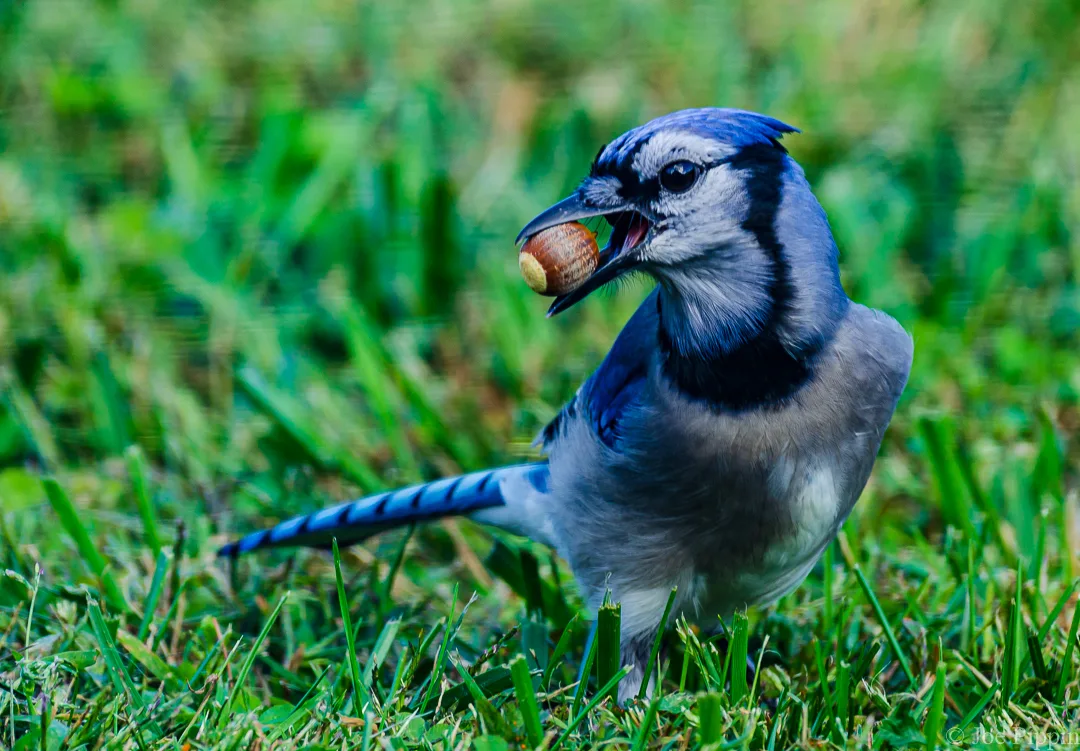
This caching habit is not just for their own survival; it plays a significant role in forest regeneration. Many of these cached nuts are never recovered by the bird. These forgotten treasures, buried at ideal depths, have an excellent chance of germinating and growing into saplings.
This process is vital for the long-term health and spread of oak populations. A single Blue Jay can cache thousands of acorns in a single season, making them incredibly effective seed dispersers, especially for large-seeded trees that might otherwise struggle to spread far from the parent plant. This unconscious gardening by Blue Jays is a cornerstone of forest ecology in many regions.
Berries and Fruits: Nature's Sweet Treats
When the seasons change and fruits ripen, Blue Jays definitely add a splash of sweetness to their diet. They'll happily feast on various berries, such as blueberries, raspberries, and wild cherries, as well as other fruits they can find. This provides them with essential vitamins and carbohydrates.
- Blueberries: A common and nutritious find.
- Raspberries: Enjoyed when available in the wild.
- Wild Cherries: Another seasonal fruit they consume.
- Other Wild Fruits: They'll take advantage of whatever edible fruits they encounter.
The "Adventurous" Side: Scavenging and Small Prey
While their diet is largely composed of insects, seeds, and fruits, Blue Jays can also be quite opportunistic. They aren't above scavenging for human food scraps if available, showcasing their remarkable adaptability to our built environments. More intriguingly, they will occasionally prey on small vertebrates.
This can include things like frog eggs, small frogs, small snakes, or even nestlings and eggs of other bird species if the chance arises. This behavior, though less common, highlights their opportunistic nature and their role as both predator and prey in their ecosystems.
What to Offer Blue Jays at Your Feeder
When setting up a bird feeder, the goal is often to attract a variety of species, and Blue Jays are usually among the most enthusiastic visitors. Knowing what they prefer can help you provide food that not only sustains them but also keeps them coming back. Fortunately, many of their favorite natural foods translate well to feeder offerings.
It’s important to note that while Blue Jays are adaptable, offering a diverse mix of high-quality foods is always best. For instance, according to avian nutrition guidelines, seeds and nuts provide essential fats and proteins that are crucial year-round, especially during colder months when natural food sources dwindle.
Top Foods Blue Jays Love
Offering the right kind of food at your feeder can make all the difference in attracting and keeping Blue Jays around. They have a clear preference for certain types of seeds and nuts, making these excellent choices for your feeders.
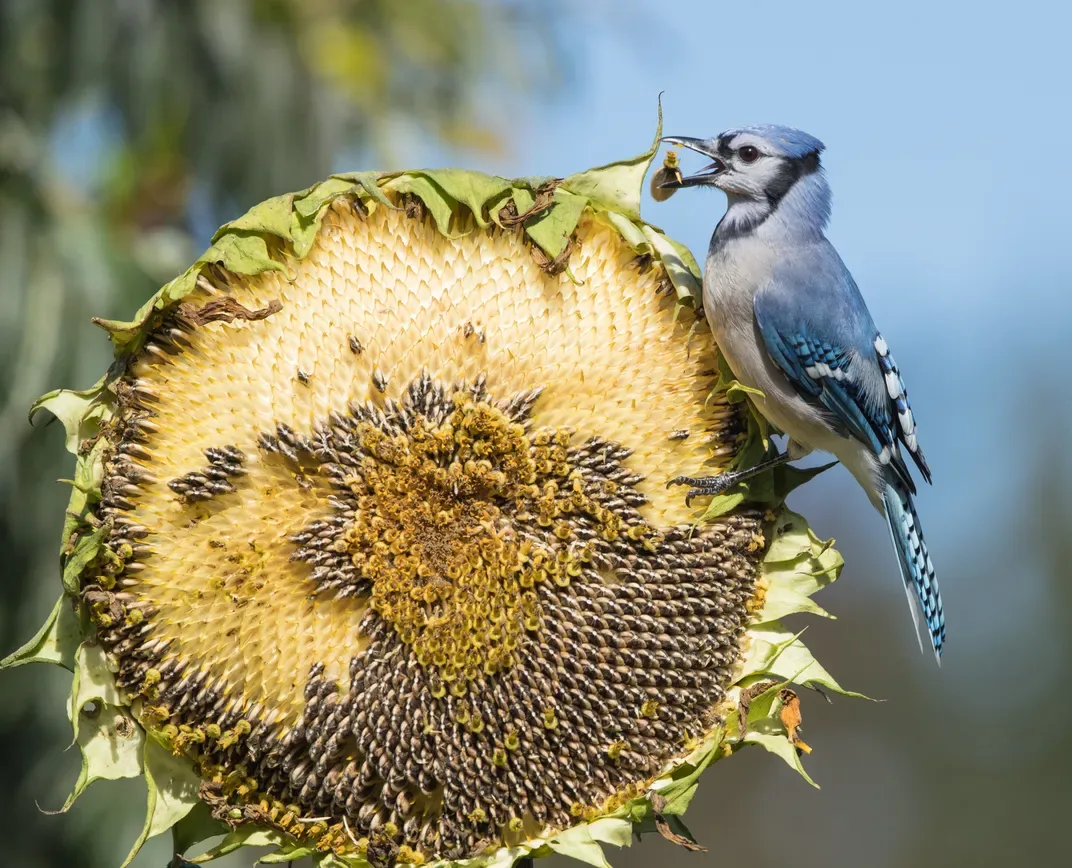
- Sunflower Seeds: Black oil sunflower seeds are almost universally loved by many bird species, and Blue Jays are no exception. Their high fat content makes them a calorie-rich choice, perfect for fueling their active lifestyle. Shelled or unshelled, they are a consistent draw.
- Peanuts: Both shelled and unshelled peanuts are a huge hit. Blue Jays will readily crack open shells to get to the nutritious kernel inside. Offering them in a tray feeder or a specialized peanut feeder works best.
- Corn: Cracked corn or whole kernel corn can also be very attractive to Blue Jays, especially when offered on the ground or in a larger platform feeder. It's a more economical option and a good source of carbohydrates.
- Suet: During colder periods, suet cakes provide a dense source of energy and fat. Many suet mixtures contain seeds, nuts, and dried fruit, appealing to the Blue Jay's varied palate. They often cling to suet cages to feed.
- Mixed Seed Blends: While some birds are picky about mixed seed bags, Blue Jays tend to be less so. Look for blends that contain a good proportion of sunflower seeds, corn, and peanuts for maximum appeal. Avoid blends that are heavy on millet or milo, as these are less favored by Blue Jays.
Why Their Diverse Diet Matters
The wide-ranging diet of the Blue Jay is a fundamental reason for their success and adaptability across North America. This dietary flexibility ensures they can find sustenance in a variety of environments, from lush forests to urban parks and backyard gardens. It's not just about what they eat, but how their ability to switch food sources helps them survive and reproduce effectively, no matter the conditions.
This omnivorous nature means they aren't reliant on a single food type. If insect populations dip, they can turn to seeds and fruits, and vice-versa. This constant ability to adapt their feeding strategy is a hallmark of a resilient species.
It’s a testament to millions of years of evolution shaping them into efficient foragers capable of capitalizing on whatever the environment offers, a trait that keeps their populations stable even through harsh winters or scarce summers.
Blue Jays and the Environment: Seed Dispersal
Beyond their own dietary needs, Blue Jays play an unsung but critical role in shaping plant communities, particularly oak forests. Their famous habit of caching acorns and other nuts is a prime example of how birds can influence their surroundings. When a Blue Jay buries an acorn for later, it's essentially planting a future oak tree.
Many of these cached nuts are never recovered by the bird. These forgotten treasures, buried at ideal depths, have an excellent chance of germinating and growing into saplings. This process is vital for the long-term health and spread of oak populations.
A single Blue Jay can cache thousands of acorns in a single season, making them incredibly effective seed dispersers, especially for large-seeded trees that might otherwise struggle to spread far from the parent plant. This unconscious gardening by Blue Jays is a cornerstone of forest ecology in many regions.
Frequently Asked Questions About Blue Jay Diets
What is the primary food source for Blue Jays?
The primary food source for Blue Jays shifts seasonally. In summer, insects like beetles and caterpillars are dominant. In fall and winter, seeds and nuts, especially acorns, become more critical.
Can Blue Jays eat bread?
While Blue Jays might peck at bread if offered, it's not a nutritious food source for them. Bread lacks essential vitamins and minerals and can fill them up without providing proper sustenance, potentially leading to malnutrition.
Do Blue Jays eat fish?
Blue Jays are not typically fish-eaters. While they are opportunistic and might consume small aquatic invertebrates or scavenge if a chance arises, fish are not a regular part of their diet. Their foraging behaviors are more suited to terrestrial and arboreal environments.
How do Blue Jays store food?
Blue Jays store food by caching. They use a sublingual pouch in their throat to carry seeds, nuts, or insects and then bury them in shallow holes in the ground or tuck them into tree crevices for later retrieval.
What other birds might compete with Blue Jays for food?
Blue Jays often compete with other corvids like crows and jays, as well as squirrels and chipmunks, for food resources. At feeders, they might contend with larger songbirds like cardinals and woodpeckers for seeds and nuts.
Do Blue Jays eat other birds' eggs?
Yes, Blue Jays are known to raid the nests of other birds for eggs and nestlings. This opportunistic behavior helps supplement their diet, particularly during the breeding season when protein is in high demand for raising their own young.