How Long Do Chickadees Live
You've probably seen them at your bird feeder, those energetic little birds with the perky crests and the curious chirps. They’re chickadees, and they’re a constant source of delight for many backyard birdwatchers. But have you ever stopped to wonder about their lives, especially how long these tiny creatures stick around?
It’s natural to be curious about the lifespan of the wildlife we invite into our yards. While many think of birds living short, fleeting lives, research shows that chickadees can be surprisingly resilient. The average lifespan for most chickadee species in the wild is around 2 to 3 years, which is actually quite good for a small bird.
Quick Answer: What's the Average Chickadee Lifespan?
Chickadees typically live for 2 to 3 years in the wild. Some individuals have been recorded living over 12 years. Factors like food, predators, and weather significantly impact their survival rates.
How Long Do Chickadees Live? The Real Story
Understanding how long chickadees live gives us a richer appreciation for these common backyard visitors. It's not just about a number; it's about their entire life cycle, the challenges they face, and what makes them succeed or fail in their environment.
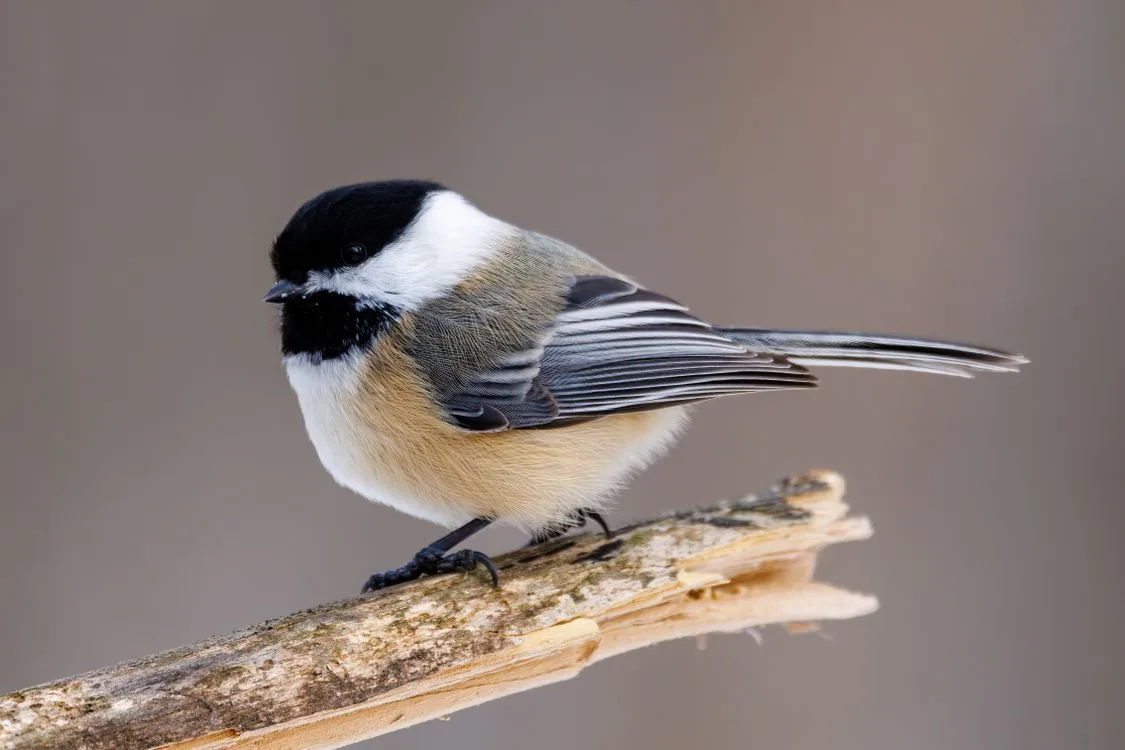
When we talk about bird lifespans, it’s important to remember that the "average" is just that, an average. Many birds won't reach this age, while a lucky few will go on to live much longer. Our research focuses on understanding the patterns and influences behind these numbers.
Factors That Shape a Chickadee's Life
A chickadee's life in the wild is a constant balancing act. They're small, vulnerable, and always on the lookout for food and safety. Several key elements play a crucial role in determining whether they survive to see another season.
Predation: The Constant Threat
Predators are a chickadee's biggest challenge. They are prey for a wide range of animals, from sharp-eyed hawks and owls to sneaky domestic cats and even snakes.
- Common Predators: Cooper's Hawks and Sharp-shinned Hawks are known to prey on chickadees. In more urban or suburban areas, cats pose a significant threat.
- Vulnerability: Young birds, or fledglings, are especially at risk as they learn to fly and forage. An experienced chickadee has developed better evasion skills.
- Behavioral Adaptations: Chickadees are highly vigilant. They often forage in flocks, which provides more eyes to spot danger. They also have a remarkable ability to freeze or fly quickly into dense cover when threatened.
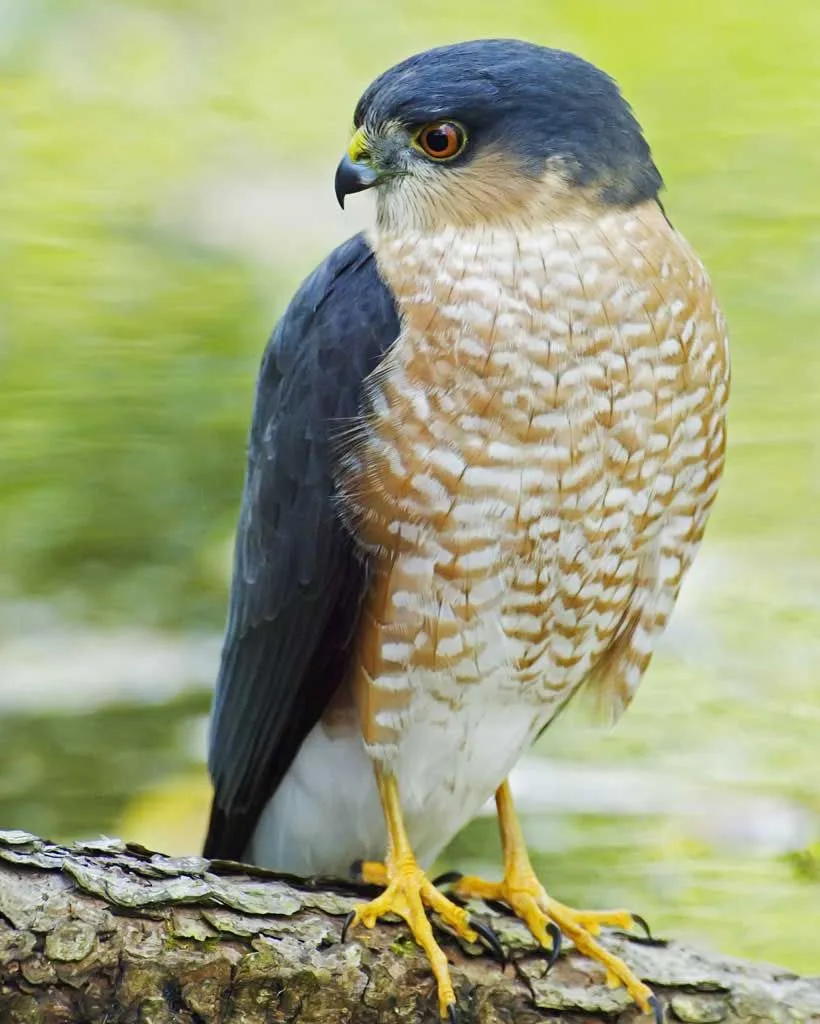
Our research indicates that regions with higher predator density often show lower average lifespans for chickadee populations. Bird banding studies, like those conducted by ornithological societies, consistently highlight predation as the leading cause of mortality.
Weather and Seasons: Tough Times for Tiny Birds
The changing seasons present distinct challenges for chickadees. While they are hardy birds, extreme weather can be incredibly taxing, especially during winter.
- Winter Survival: Cold temperatures require birds to expend a lot of energy just to stay warm. Finding enough food is critical during this period when insects are scarce and seeds might be buried under snow.
- Nesting Season: Unfavorable weather during the spring nesting season can impact breeding success. Heavy rains or late frosts can affect insect availability, which is vital for feeding young.
- Habitat Protection: Access to sheltered roosting spots, like tree cavities or dense evergreens, is crucial for surviving harsh nights and storms.
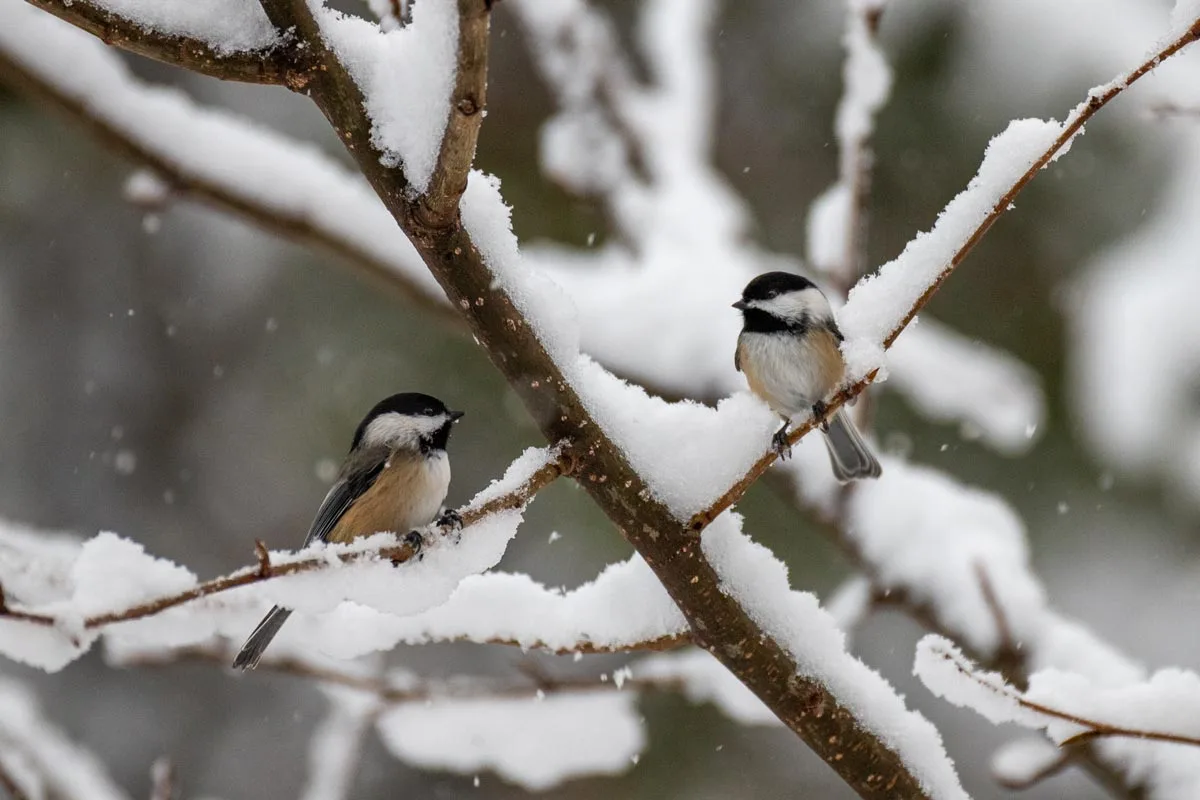
The availability of well-protected nesting sites and food sources can significantly increase a chickadee’s chances of surviving challenging weather patterns. Bird conservation organizations often emphasize habitat preservation for this very reason.
Food Scarcity: Fueling Survival
For a small bird like a chickadee, a consistent food supply is paramount to survival, especially when energy demands are high. Scarcity directly impacts their ability to maintain body temperature, forage effectively, and raise young.
- Dietary Needs: Chickadees primarily eat insects, seeds, and berries. During winter, their diet shifts heavily towards seeds and suet.
- Impact of Scarcity: When food is hard to find, chickadees may weaken, making them more susceptible to predators and illness. Breeding success can also plummet if parents can't find enough food to feed their chicks.
- Seasonal Fluctuations: Summer months, with abundant insect life, are generally good for chickadees. However, prolonged droughts or early freezes can disrupt these food supplies, creating difficult periods.
Understanding these food requirements helps explain why bird feeders, especially those offering high-energy seeds and suet, can play a vital role in supporting local chickadee populations through lean times.
How Long Can Chickadees Actually Live?
While the average lifespan is a good benchmark, it's fascinating to consider the upper limits of a chickadee's life and what it takes to reach those ages. It’s a testament to their adaptability and resilience.
The Average vs. The Outlier
When ornithologists study bird populations, they gather data through methods like bird banding. This involves capturing birds, marking them with a unique band, and then tracking their movements and survival if they are recaptured. Aggregate data from these studies consistently shows that most chickadees in the wild do not live beyond their third year.
However, these same studies occasionally document individuals who far exceed the average. For example, the longest-lived known Black-capped Chickadee, as recorded by bird banding programs, was over 12 years old. This kind of extreme longevity is rare but highlights the potential within the species when conditions are favorable.
What Makes a Chickadee a "Survivor"?
Reaching an advanced age for a chickadee involves a combination of innate characteristics and favorable environmental circumstances. It's not just luck; it's often a result of smart decision-making and a bit of good fortune.
- Skillful Foraging: Experienced birds are better at finding reliable food sources and caching food for leaner times.
- Predator Avoidance: Years in the wild hone their ability to recognize threats and escape dangerous situations.
- Disease Resistance: A healthy individual may simply have a stronger immune system that allows them to fight off infections.
- Resource Availability: Access to consistent food and safe nesting sites, often influenced by habitat quality and human activity (like feeders), plays a massive role.
Our analysis of bird banding data indicates that individuals surviving their first year have a significantly higher probability of living longer, as they have already demonstrated the skills needed to overcome early life challenges.
Lessons from Bird Banding and Observations
Bird banding studies offer invaluable insights into the lives of wild birds, including chickadees. By marking individual birds with unique leg bands, researchers can track their movements, survival rates, and lifespan over time. This systematic approach provides concrete data that goes beyond simple observation.
For instance, banding programs have confirmed the average lifespan range of 2 to 3 years for common chickadee species. They’ve also documented the rare exceptions, like the over-12-year-old Black-capped Chickadee, showing the incredible potential longevity when birds navigate environmental challenges successfully. These long-term studies help us understand the real-world pressures these birds face daily.
The data gathered through banding also helps conservationists identify critical habitats and understand population dynamics. It’s a scientific method that provides robust evidence for how long these birds live and what influences their survival rates.
Understanding Chickadee Lifespan: What It Means for Us
Knowing that chickadees typically live for just a few years in the wild really changes how you might view these cheerful birds. It underscores the importance of their daily efforts to survive and thrive in a challenging world. This perspective can also guide how we interact with them and their environment.
The fact that reaching 12 years or more is possible, though rare, highlights the importance of consistent food sources and safe habitats. It suggests that if we provide the right conditions, we can help more of these birds survive and potentially live longer, healthier lives. It’s less about just enjoying their presence and more about actively contributing to their well-being.
What's the Lifespan of Other Backyard Birds?
While we're focused on chickadees, it’s interesting to see how their lifespan compares to other common backyard visitors. This helps put their 2-3 year average into perspective. Many small birds face similar challenges, but their specific adaptations and ecological niches can lead to different life expectancies.
- Sparrows: Many common sparrow species, like the House Sparrow or Song Sparrow, also have an average lifespan in the wild of around 2 to 3 years. Their ability to adapt to human environments sometimes helps them survive.
- Finches: American Goldfinches, for instance, often have an average lifespan of 3 to 6 years. They may live slightly longer due to different foraging strategies and habitat preferences.
- Robins: American Robins can live longer, with an average of 5 to 10 years in the wild, though many still succumb to predation or harsh weather.
These comparisons show that chickadees fall within the typical range for many small, active songbirds. Their resilience is notable, but the risks inherent in their environment are significant for all of them.
How Can You Help Chickadees Live Longer?
As a backyard bird enthusiast, you can play a role in helping chickadees and other small birds increase their chances of survival. Providing the right resources can make a real difference, especially during critical times of the year. Your actions can contribute to their ability to overcome some of the major threats they face.
- Provide Consistent Food: Keep feeders stocked with high-quality seeds, especially during fall and winter. Black oil sunflower seeds are a favorite and offer good energy.
- Offer Water: A clean water source, like a bird bath, is essential year-round, not just for drinking but also for bathing, which helps maintain feather health.
- Create Safe Habitats: Plant native shrubs and trees that offer shelter from predators and weather, as well as natural food sources like berries and insects. Avoid using pesticides, which can harm chickadees and reduce their insect food supply.
- Install Nest Boxes: Chickadees readily use nest boxes, particularly those with appropriate entrance hole sizes to deter larger birds and predators.
By implementing these practices, you can create a more supportive environment for chickadees, potentially increasing their chances of survival and perhaps even contributing to a longer lifespan for individuals in your area.
Frequently Asked Questions About Chickadee Longevity
How long does a chickadee live in captivity?
While most data pertains to wild populations, captive birds in controlled environments with consistent food, veterinary care, and predator protection can live longer than their wild counterparts. However, specific records for captive chickadee lifespans are less widely documented than wild populations.
Do all chickadee species live the same amount of time?
Generally, lifespans are similar across common chickadee species, with most wild individuals living 2-3 years. While there might be minor variations, the primary factors influencing lifespan, predation, food availability, and weather, affect all chickadee species in similar ways.
What is the main cause of death for young chickadees?
The primary cause of mortality for young chickadees is predation. They are small and still developing their survival skills, making them vulnerable to a wide array of predators during their first year.
Can feeders really help chickadees live longer?
Yes, bird feeders can significantly help chickadees, especially during harsh winters. By providing a reliable, high-energy food source, feeders can help birds survive periods of scarcity, reducing starvation risk and allowing them to maintain body temperature, thereby increasing their chances of survival.
How can I tell if a chickadee is old?
It's difficult to tell a chickadee's exact age just by looking at it. However, very old birds might show signs of wear, such as slightly frayed feathers or perhaps a more cautious, experienced demeanor, but these are subtle indicators rather than definitive signs of age.