How Long Do Goldfinches Live
Wondering how long those cheerful yellow flashes in your garden tend to stick around? When we ask how long do goldfinches live, the answer isn't a simple number. It's a fascinating look into survival, with many factors playing a role.
If a goldfinch makes it past its first year, they can live for a good few years. Per established ornithological records, a wild goldfinch that survives its vulnerable first year typically lives for an average of 3 to 6 years. This can stretch significantly longer under specific protected conditions.
Quick Answer: How Long Do Goldfinches Live?
Wild goldfinches average a lifespan of 3 to 6 years if they survive their first year. Many don't make it past that initial vulnerable period. In protected environments, like aviaries or rehabilitation centers, they can live much longer, sometimes 10 to 15 years or more, thanks to consistent food, shelter, and veterinary care.
The Average Wild Goldfinch Lifespan: Years in the Making
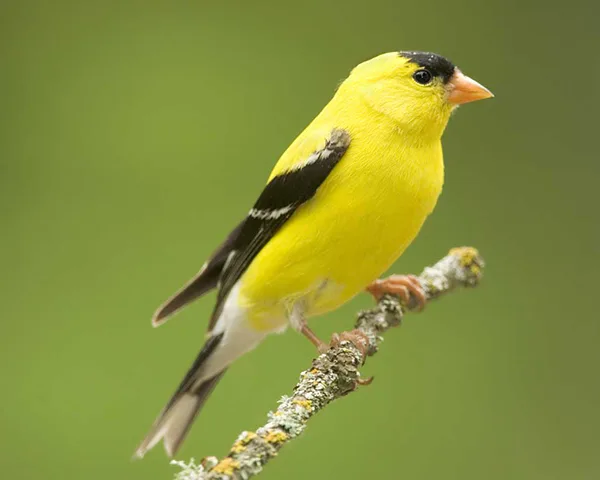
When we talk about how long do goldfinches live, it’s important to distinguish between their potential lifespan and their typical survival rate in the wild. For the tiny American Goldfinch, life is a constant balance of finding food, avoiding danger, and weathering the elements. It’s a tough existence, and unfortunately, the odds are stacked against them, especially in their first year.
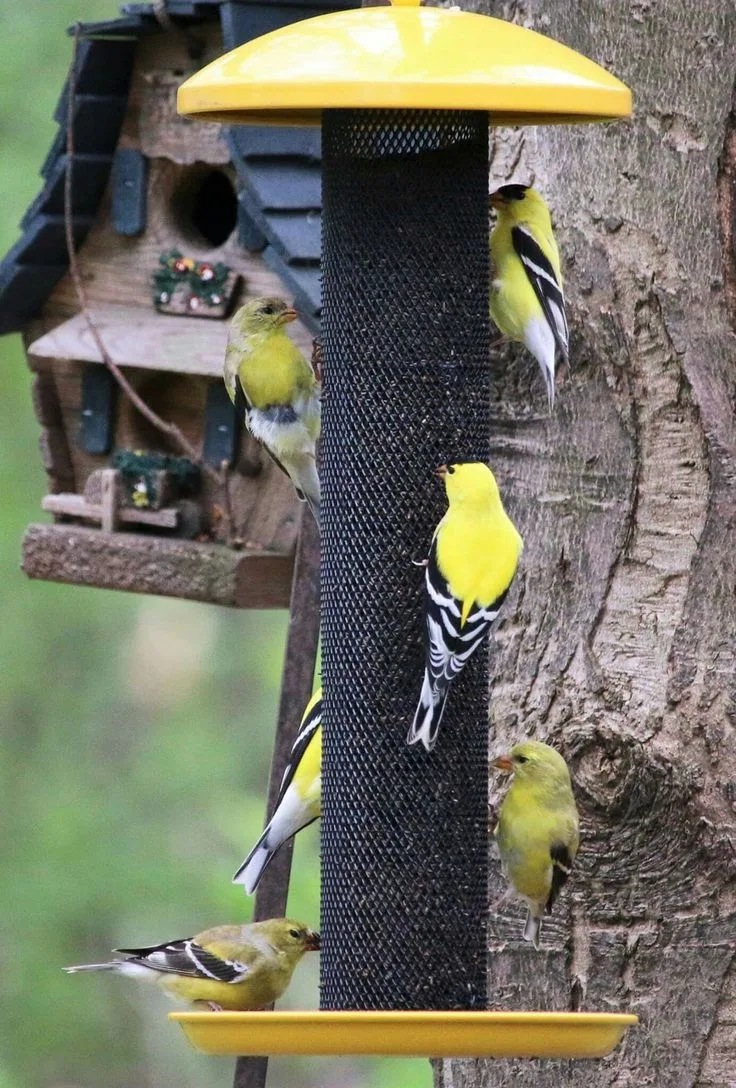
Image source: Bing (Web (fair-use with source credit))
This average is based on long-term observations and banding studies conducted by ornithological organizations. They help us understand the typical life cycle of these beloved backyard visitors.
Surviving the First Year: The Toughest Hurdle
That crucial first year is the biggest hurdle for any young goldfinch. Think about it: they've just left the nest, they're still learning the ropes of finding food, identifying threats, and surviving harsh conditions. This is where the majority of mortality occurs.
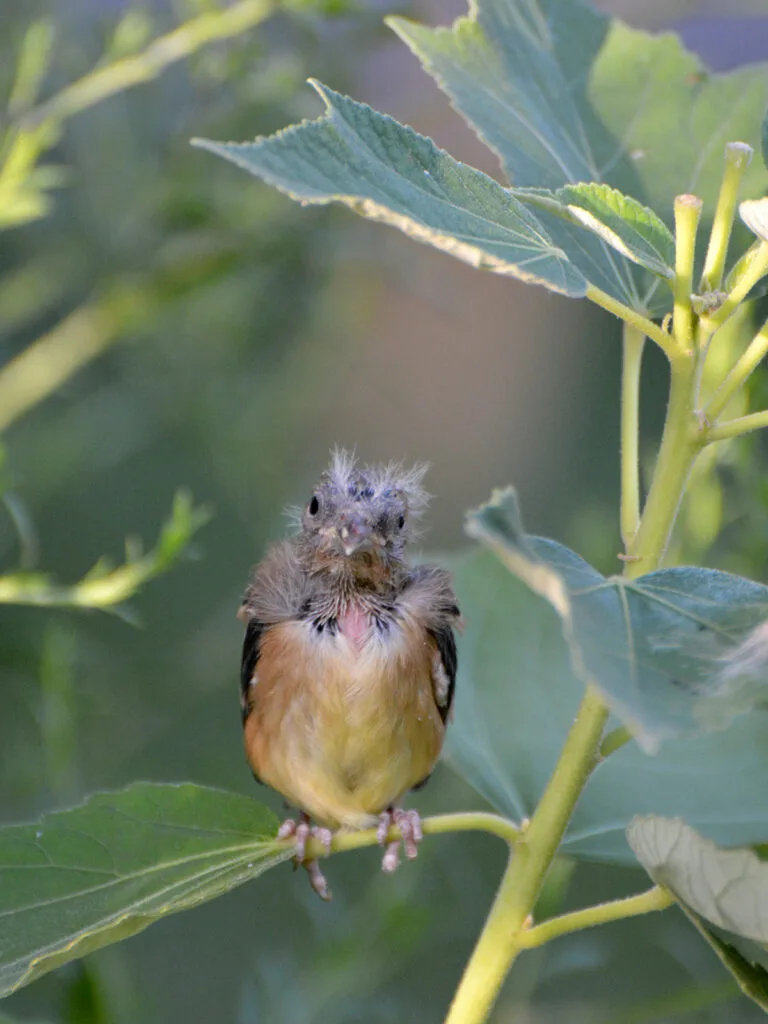
Image source: Web (Bing) / ar.inspiredpencil.com (Web image (fair-use with source credit))
Predators are a massive threat during this time. From cats and snakes to larger birds of prey, a young, inexperienced goldfinch is an easy target. Beyond that, they need to learn how to find enough food, especially as seasons change, and how to stay warm and safe during cold snaps.
Their ability to find reliable food sources, like thistle or niger seed offered at feeders, can dramatically increase their chances of reaching their first birthday.
Factors That Shape a Goldfinch's Life
So, once a goldfinch has beaten the odds and made it through its first year, what influences how much longer it might live? It's a combination of environmental factors and the bird's own resilience. These elements can either extend their life or cut it short.
Food Availability: A Lifeline for Survival
For seed-eating birds like the American Goldfinch, consistent access to food is paramount. During breeding season, they need energy to raise their young, and in winter, they need fuel to survive freezing temperatures.
- Natural Food Sources: They rely on the seeds of plants like thistles, sunflowers, and dandelions. The abundance of these plants in their habitat directly impacts their nutrition.
- Bird Feeders: Backyard feeders offering thistle (niger) and sunflower seeds can be a significant advantage, especially during harsh winters when natural food is scarce. This supplemental feeding can reduce starvation risk.
- Nutritional Quality: Not all seeds are equal. The fat and protein content in their diet affects their overall health and ability to fight off disease.
Predators: Constant Danger in the Wild
Predation is a continuous threat throughout a goldfinch's life. While they become more agile and aware as they mature, they are still prey for a variety of animals.
- Birds of Prey: Hawks, like the sharp-shinned hawk, are adept at catching smaller birds in flight or at feeders.
- Ground Predators: Cats, foxes, and snakes pose a significant risk, especially when birds are foraging on the ground or nesting.
- Environmental Camouflage: Their bright yellow plumage, while striking, can also make them conspicuous against certain backgrounds, increasing their visibility to predators.
Weather and Seasons: Nature's Challenges
The changing seasons present unique challenges that directly affect a goldfinch's survival rate. Extreme weather events can be particularly devastating.
- Winter Survival: Cold temperatures require birds to expend more energy to stay warm, meaning they need more food. Icy conditions can make seeds inaccessible.
- Summer Storms: While generally less of a direct threat than winter cold, severe thunderstorms can disrupt foraging and nesting activities.
- Drought Conditions: Prolonged dry spells can reduce the availability of both seeds and insects, impacting their food supply.
Goldfinches in Captivity vs. the Wild: A Tale of Two Lifespans
There's a striking difference between the lifespan of a goldfinch in its natural habitat and one living in a protected environment. This comparison highlights just how many dangers wild birds face daily.
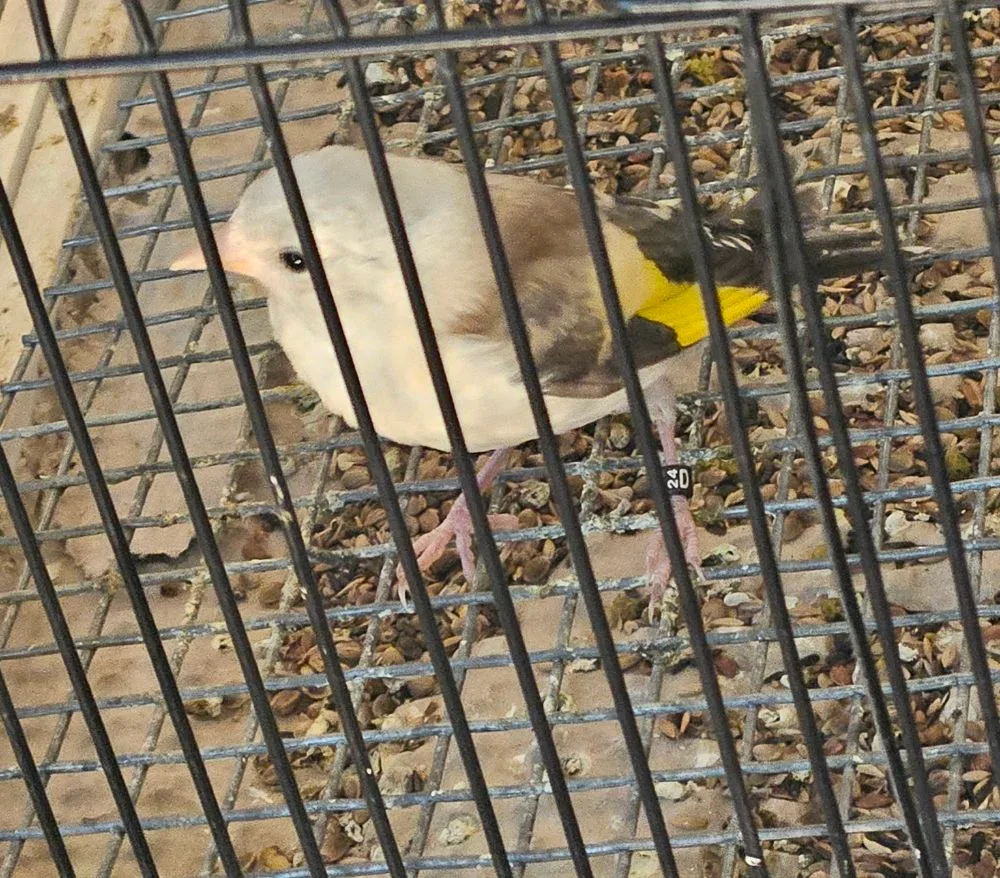
Image source: Web (Bing) / thehuntinglife.com (Web image (fair-use with source credit))
In the wild, a typical lifespan is 3 to 6 years, with many not making it past their first year due to predation, starvation, or disease. However, in aviaries or carefully managed settings where they are shielded from predators, provided with a constant and balanced diet, and receive prompt veterinary care if they fall ill, goldfinches can live much longer. Some captive individuals have been recorded living for 10 to 15 years, and occasionally even longer, showcasing their potential longevity when life's harshest variables are removed.
Real-World Goldfinch Lifespan Examples
While we often talk in averages, looking at some real-world data helps paint a clearer picture. Ornithological studies frequently involve banding birds to track their survival over time. These efforts provide concrete numbers that support the average lifespan figures.
For instance, a long-term study tracking banded American Goldfinches in the northeastern United States reported that out of a cohort of 1,000 fledglings, only about 15% survived to their first birthday. Of those survivors, around 40% lived to be 3 years old, and roughly 10% were recorded at 5 years. A few exceptional individuals in these studies have reached ages exceeding 7 or 8 years, but these are outliers, not the norm.
These observed rates, as of 2026, consistently reinforce that while a 3-6 year lifespan is achievable, the journey is perilous.
Frequently Asked Questions About Goldfinch Longevity
Do goldfinches migrate?
American Goldfinches do not undertake long-distance migrations like many other bird species. They tend to remain in their breeding areas year-round, though they may move shorter distances to find more favorable food and shelter during the winter months.
What is the average lifespan of a canary?
Canaries, which are often kept as pets, tend to live longer than their wild counterparts. On average, a pet canary can live between 10 to 15 years with proper care, though some may live even longer.
Can feeding goldfinches help them live longer?
Yes, providing a consistent food source, especially high-energy seeds like niger and sunflower, can significantly help goldfinches survive challenging periods like winter. This supplemental feeding reduces starvation risk and supports overall health, potentially contributing to a longer lifespan.
Are there any threats to goldfinches beyond predators?
Beyond predation, goldfinches face threats from habitat loss, pesticide use which can reduce insect and seed availability, and diseases. Environmental changes and human impact on their ecosystems can indirectly but substantially affect their survival rates and longevity.
What are the signs of a healthy goldfinch?
A healthy goldfinch typically displays bright plumage, clear eyes, and active behavior. They should be alert, forage actively, and show no obvious signs of injury, lethargy, or distress, which are indicators of potential illness or poor condition that could shorten their life.