How Long Do House Finches Live
Curious about the lifespan of the common bird at your feeder? Understanding how long house finches live in the wild and what influences their years can deepen your appreciation for these vibrant little creatures. While a definitive number is tricky, our research shows a typical range for these adaptable birds.
Many factors play a role, from the constant threat of predators to the availability of food. For instance, studies tracking banded birds indicate that reaching even five years in the wild is a significant achievement for a house finch. Let's break down what that means and what determines their journey.
Quick Answer
House finches in the wild typically live between 2 to 6 years. However, this average can be heavily influenced by environmental factors and predation. The maximum recorded lifespan for a wild house finch is around 11 years and 7 months, often documented through bird banding studies.
How Long Do House Finches Typically Live in the Wild?
When we talk about how long house finches live, we're usually referring to their lifespan in the wild. It's a number that’s significantly shorter than what some pets might experience, but it paints a picture of a life lived on the edge, constantly adapting to nature's challenges. Our research, based on bird banding projects and ornithological studies, suggests that the average lifespan for a wild house finch hovers between two and six years.
This figure is a broad stroke, encompassing many individuals that might only survive a year or less, alongside those who manage to eke out a few more years.
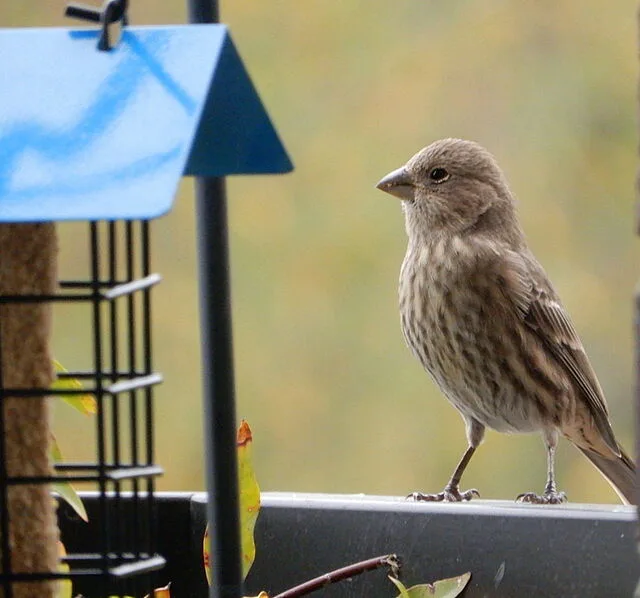
Image source: Web (Bing) / fineartamerica.com (Web image (fair-use with source credit))
Think of it like this: for every house finch that reaches its older years, there are many more that succumb to various threats before their first birthday. Reaching the upper end of that average, say five or six years, is a testament to a bird’s resilience and good fortune. The longest-lived wild house finch on record, according to banding data compiled by organizations like the Cornell Lab of Ornithology, was documented living for over 11 years.
That's quite an outlier, highlighting just how tough it is to survive in the natural world.
What Affects a House Finch's Lifespan?
A bird's life is rarely a straight, predictable path. For house finches, numerous elements in their environment constantly shape how long they might live. It’s a dynamic balance of survival and risk, influenced by everything from the color of a predator’s feathers to the last frost of spring.
Predators and Disease: The Biggest Threats
Predation is arguably the most significant factor cutting short the lives of house finches, especially for young birds. Their small size makes them a tasty meal for a variety of hunters. Common predators include sharp-shinned hawks, Cooper's hawks, and even domestic cats when finches are foraging on or near the ground.
Owls can also be a threat, particularly at night.
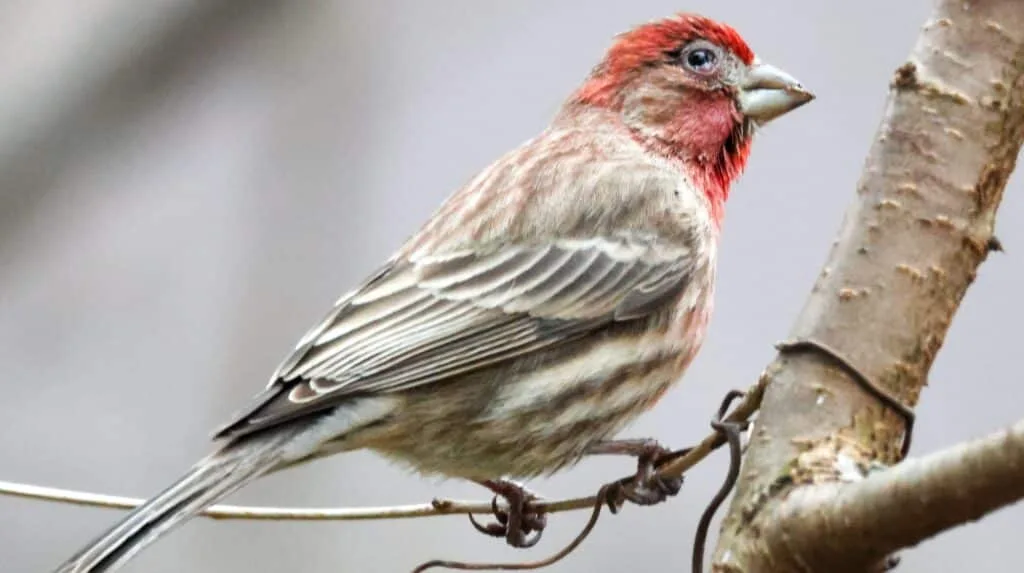
Image source: Web (Bing) / birdwatchinghq.com (Web image (fair-use with source credit))
Beyond being hunted, diseases can sweep through finch populations, weakening individuals or causing outright mortality. Avian pox, West Nile virus, and various respiratory infections can impact finch health. Birds that are already stressed by poor nutrition or harsh weather are often more susceptible to these illnesses.
It's a double-whammy scenario where being a target also makes you more vulnerable to sickness.
Weather and Food Availability
Harsh weather conditions can severely impact a house finch's survival. Extreme cold snaps, heavy snows, or prolonged droughts can make finding food incredibly difficult. During winter, finches rely on seeds, buds, and berries, but if snow covers the ground deeply, or if a drought has reduced plant life, they can starve.
This scarcity of food also weakens them, making them more prone to disease and less able to escape predators. Even during breeding season, a lack of insects or seeds can affect the health of parent birds and the survival rate of their young. For example, unseasonably cold spring rains can decimate newly hatched chicks if parents can't find enough food to keep them warm and fed.
Human Impacts: From Windows to Habitats
While we often think of nature as the main challenge, human activities also play a surprisingly large role in house finch lifespans. Collisions with windows are a major cause of mortality for many bird species, including finches. The clear or reflective glass can be mistaken for open space or habitat, leading to fatal impacts.
Habitat changes due to development can also indirectly affect finches. As natural landscapes are converted into urban or suburban areas, the availability of native food sources and nesting sites can diminish. While house finches are quite adaptable and often thrive in human-altered environments, the specific types of plants and insects available might shift, potentially impacting their long-term health and survival rates compared to those in pristine natural settings.
What's the Maximum Age a House Finch Has Reached?
When we look at the maximum recorded lifespan, we're talking about birds that have successfully navigated all the dangers for an exceptionally long time. These records typically come from meticulous bird banding studies, where scientists catch, band with a unique identifier, and then release birds.
The longest-lived wild house finch ever documented was a bird banded in Florida, which was later recaptured and reported to be over 11 years and 7 months old. Think about that: over 11 years of dodging hawks, finding food, surviving storms, and avoiding diseases. It's a remarkable feat and provides valuable data for understanding avian longevity.
This kind of information helps researchers understand the potential life history of a species under ideal, or at least survivable, conditions.
House Finch Lifespan in Captivity vs. the Wild
There's a stark difference between the life expectancy of a house finch in its natural environment and one kept in captivity, such as in a zoo or a carefully managed aviary. In the wild, life is a constant struggle for survival, with daily risks from predators, disease, and environmental hardships. This means the average lifespan is significantly lower.
In captivity, however, house finches are protected from most of these threats. They are provided with consistent food, clean water, and shelter from extreme weather. Most importantly, they are safe from predators and have access to veterinary care if they become ill.
Because of these protective measures, captive house finches can live considerably longer than their wild counterparts. While specific records can vary by facility and individual care, it's not uncommon for captive individuals to reach lifespans of 10 to 15 years or even more, far exceeding the average wild lifespan and often approaching or surpassing the maximum recorded age for wild birds.
Tracking Lifespans: How Scientists Study Finch Longevity
How do we even know how long these birds live? It's not like we can ask them! The data we have on house finch lifespans primarily comes from dedicated scientific efforts, most notably bird banding.
This is a long-standing technique where researchers capture wild birds, attach a small, lightweight metal band with a unique identification number to their leg, and then release them.
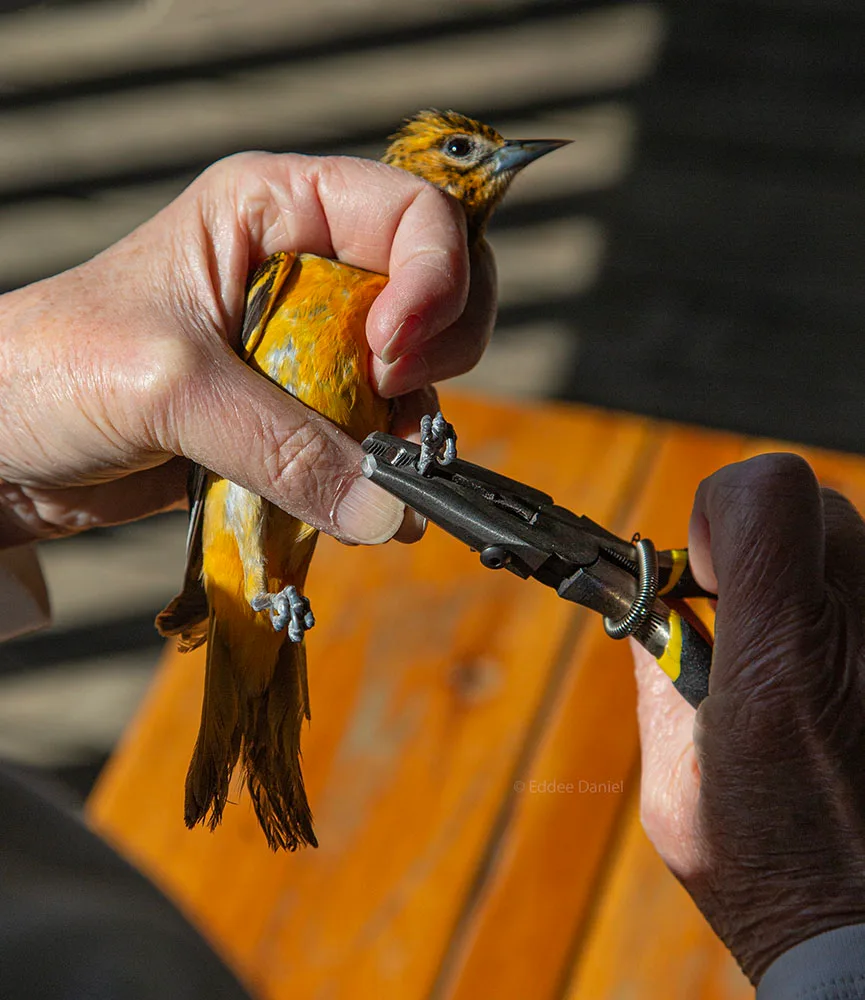
Image source: Bing (Web (fair-use with source credit))
When a banded bird is recaptured later, either by another researcher or by being found deceased, that information is reported back. By recording the date and location of the initial banding and any subsequent sightings or recoveries, scientists can calculate the minimum age of the bird. Over decades, this data from thousands of banded birds accumulates, allowing ornithologists to establish average lifespans, determine the maximum age achieved, and understand survival rates for different age groups and in various geographic locations.
This ongoing effort, often supported by organizations like the U.S. Fish and Wildlife Service, is crucial for conservation and for understanding the ecology of species like the house finch.
Common Misconceptions About Bird Lifespans
It's easy to assume all birds live for a long time, perhaps picturing a wise old owl or a majestic eagle. However, reality for many common backyard birds, like the house finch, is quite different. One common misconception is that birds live as long as many domestic mammals, like cats or dogs.
This often leads people to think a young finch they see is only a few months old when it might already be in its second year of life.
Another myth is that once a bird survives its first year, it's likely to live for many more. While surviving the critical first year certainly improves chances, the gauntlet of predators, diseases, and environmental challenges continues throughout a house finch's life. It's also widely believed that all birds of the same species have very similar lifespans, but as we've seen, individual variation is huge, with some living significantly longer due to sheer luck or exceptional adaptation.
Frequently Asked Questions About House Finch Lifespans
Do house finches mate for life?
House finches typically form monogamous pairs for at least one breeding season, and often for multiple seasons or even for life. These pair bonds are important for nesting, raising young, and territorial defense.
What is the biggest killer of house finches?
Predation is the leading cause of mortality for house finches, especially for juveniles. Hawks, cats, and other predators pose a constant threat throughout their lives. Disease and harsh environmental conditions also contribute significantly to mortality rates.
Can you tell how old a house finch is by looking at it?
It's very difficult to determine the exact age of a house finch just by looking at it. While juvenile birds may have slightly different plumage than adults, distinguishing between a one-year-old and a three-year-old bird is nearly impossible for the casual observer. Only through methods like bird banding can precise ages be determined.
Does food availability affect house finch lifespan?
Absolutely. During lean times, like harsh winters or droughts, food scarcity weakens finches. This makes them more susceptible to disease, less able to escape predators, and can directly lead to starvation, shortening their lifespan.
Consistent access to seeds and insects is vital for their survival.