What to Do If You Find a Baby Bird
You just found a baby bird on the ground, and your first instinct is probably to scoop it up, feed it, and bring it inside. That instinct is one of the most common mistakes people make. What to do if you find a baby bird depends entirely on what kind of bird you've found and what condition it's in, because the right move in one scenario could be the wrong move in another.
In the U.S. alone, cats and window strikes kill an estimated 2.4 billion birds per year, according to research published in Nature Communications. Most of those victims are baby birds that didn't need to die. This guide walks you through the full decision process so you can act with confidence.
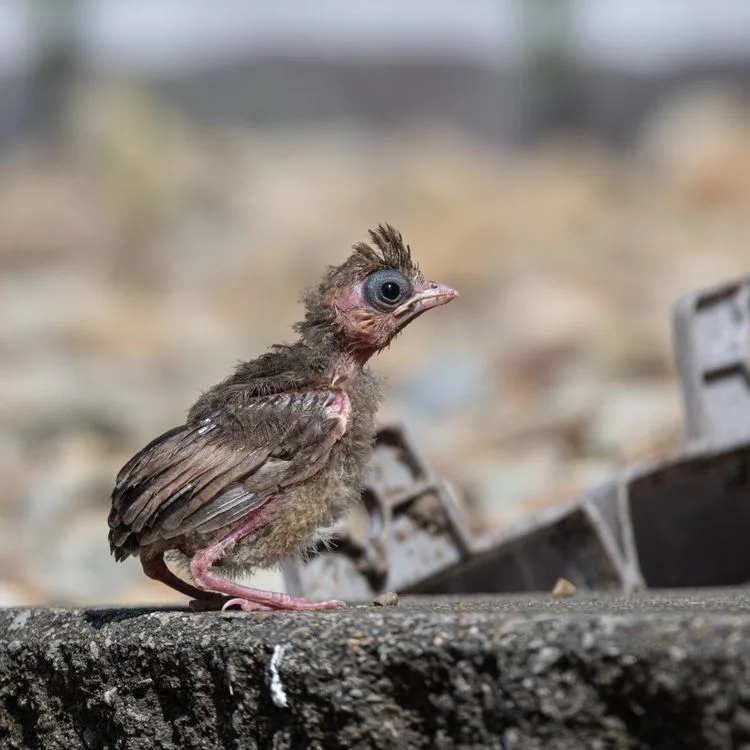
Image source: Bing (Web (fair-use with source credit))
Quick Answer
What to do if you find a baby bird depends on its age. If it's a nestling with few feathers, try to return it to its nest. If it's a fledgling with most of its feathers, leave it alone on the ground.
If it's injured, contact a licensed wildlife rehabilitator immediately. Never feed it before seeking professional advice.
Found a Baby Bird? The Most Common Mistake People Make Right Now
Here's the scene. It's spring. You step outside and spot a small bird sitting in the middle of your lawn.
It looks helpless. You do what seems right. You pick it up, make a little nest out of a box and paper towels, maybe drop in some bread crumbs, and call it a rescue.
The problem is that in most cases, this "rescue" is actually a death sentence.
A baby bird removed from its parents by an untrained person has a very low survival rate. Professional wildlife rehabilitators report that hand-rearing songbirds without proper equipment, food, and experience often yields survival rates below 40%. Many species, including robins and blue jays, simply can't be kept alive without the protein-rich diet their parents provide.
Species identification changes everything. Not all birds face the same legal protections. Not all have the same dietary needs.
And not all need your help at all.
| Species | Legally Protected? | Typical Fledging Age | Safe to Leave on Ground? |
|---|---|---|---|
| American robin | Yes (MBTA) | 13–15 days | Yes, if fledgling |
| House sparrow | No (non-native) | 14–17 days | Less likely needed |
| European starling | No (non-native) | 21 days | Less likely needed |
| Blue jay | Yes (MBTA) | 17–21 days | Yes, if fledgling |
| Cardinal | Yes (MBTA) | 9–12 days | Yes, if fledgling |
If you've already picked up the bird, don't panic. Put it in a quiet, warm, dark box lined with a soft towel. Do not try to feed it.
Call a licensed wildlife rehabilitator. Speed matters, but so does knowing what kind of bird you're holding.
Nestling or Fledgling? This One Distinction Changes Everything
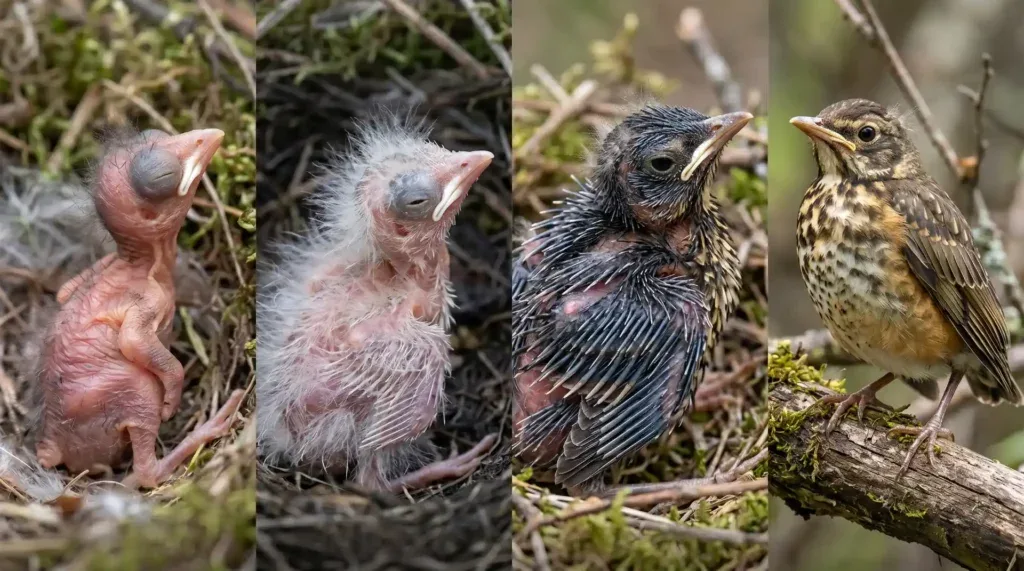
Image source: Bing (Web (fair-use with source credit))
This is the single most important thing to understand. There are two very different types of baby birds, and confusing them leads to the wrong intervention.
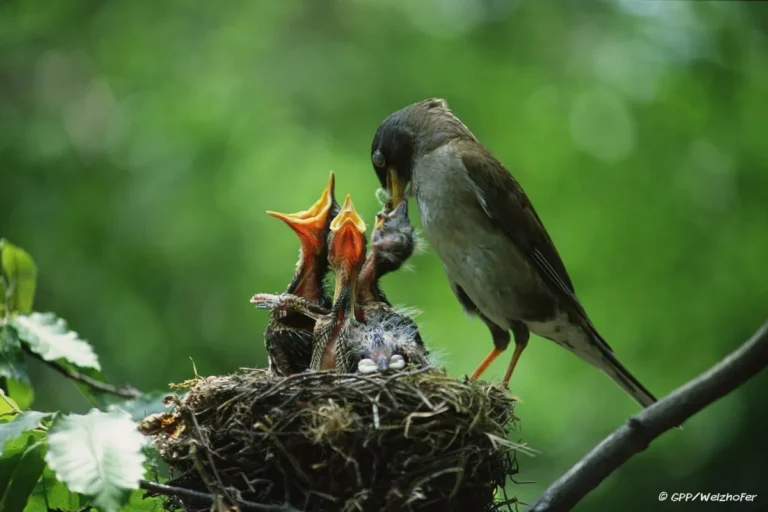
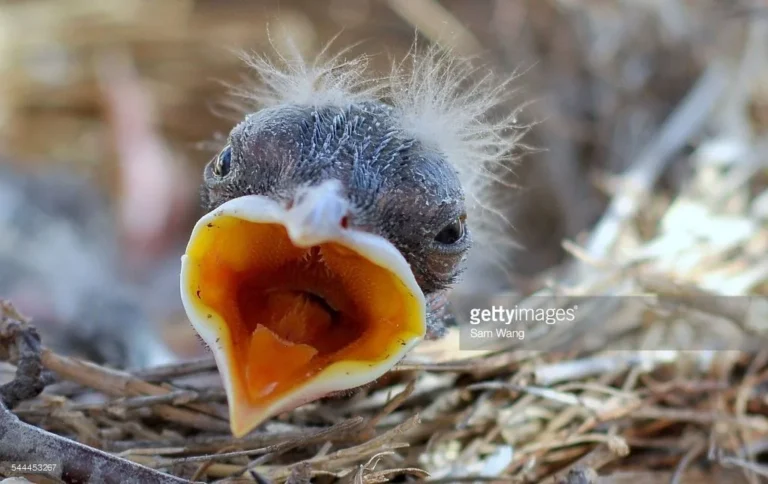
A nestling is a baby bird still growing in the nest. It has very few feathers. Its eyes may not even be open.
It can't hop, perch, or move around. If you find a nestling on the ground, it almost certainly fell out of its nest. Your job is to get it back in.
A fledgling is a young bird that has just left the nest. It's mostly feathered. It can hop around and maybe even flutter short distances.
It looks awkward and clumsy. But fledglings are supposed to be on the ground. This is a normal developmental stage.
Parents are usually nearby, feeding and watching over them.
Here's how to tell them apart at a glance:
Nestling characteristics:
- Few or no feathers (mostly pink skin and down)
- Eyes closed or barely open
- Cannot move well, hop, or perch
- Looks fragile and helpless
- May be chirping weakly
Fledgling characteristics:
- Feathers are mostly grown in (may still have tufts of down)
- Eyes are open and alert
- Can hop, flutter, and grip with its feet
- Looks like a small, awkward version of an adult bird
- May make loud begging calls, but can move around
Per the Cornell Lab of Ornithology, fledgling bird development is a normal part of the life cycle that should not be disrupted. Most fledglings are on the ground for just a few hours to two days before they manage short flights.
If you've found a fledgling, the best thing you can do is leave it alone. Move it to a safe spot under a bush or away from the road if needed. Then go inside and let the parents do their job.
The Decision Tree: What to Do Based on What You Find
Here's the full decision process, laid out like an if/then guide. Follow it step by step.
Step 1: Assess the bird
Ask yourself three questions:
- What does it look like? (nestling, fledgling, or adult-sized but injured?)
- Is it moving? Can it hop or flutter?
- Is it injured? Look for broken wings, bleeding, limping, or stunned behavior.
Step 2: Determine if the parents are nearby
Stand back and watch. Listen for adult birds calling or see if they're coming to feed the bird. Most of the time, parents are close by and just out of sight.
Give them time before intervening.
| Condition | What It Means | What to Do |
|---|---|---|
| Nestling on ground, nest visible | It fell out | Return it to the nest |
| Nestling on ground, nest gone | Parent nest destroyed | Build a substitute nest nearby |
| Fledgling on ground, parents calling | Normal fledging behavior | Leave it alone, keep pets inside |
| Bird stunned after hitting window | Possible concussion | Leave in dark, quiet space 1–2 hours |
| Bird has broken wing or visible injury | Injured bird | Contact wildlife rehabilitator |
| Bird is limp, bleeding, or cat-attacked | Serious injury | Contact rehabber immediately |
| Bird looks healthy but parents absent for hours | Possibly orphaned | Observe longer, then call a rehabber |
Step 3: Decide based on the scenario
If it's a nestling and you can find the nest: Place the bird back in the nest gently. Cover it with leaves. Then leave the area and check back in an hour.
Most parent birds will resume care.
If it's a fledgling on the ground and looks healthy: Move it to a sheltered spot away from predators and roads if needed. Keep your cat indoors. Walk away.
If it's injured: Place it in a ventilated box lined with tissue. Keep it warm and quiet. Call a licensed wildlife rehabilitator.
Do not attempt to treat the injury yourself.
If you suspect it's a nestling whose nest is gone: Build a substitute. Use a small wicker basket with drainage holes. Line it with a soft cloth.
Secure it in a tree or protected area near where you found the bird. Monitor from a distance to see if the parents find it.
The whole point of this decision tree is simple. If the bird looks healthy and has feathers, the answer is almost always to leave it alone. If it looks helpless and has few feathers, the answer is usually to get it back to the nest.
And if it's hurt, the answer is always to call a professional.
Mistakes That Can Kill a Baby Bird You're Trying to Save
Well-meaning people make these mistakes constantly. Knowing what to avoid is just as important as knowing what to do.
Feeding a baby bird the wrong thing
Bread crumbs. Cracked corn. Milk.
Sugar water. Every one of these is a common suggestion, and every one is wrong. Baby songbirds need a high-protein diet of insects and grubs, not bread.
Feeding a nestling the wrong food can cause malnutrition, dehydration, or choking. This is the number one preventable cause of death for birds "rescued" by untrained people.
Taking a healthy fledgling indoors
Fledglings on the ground are not abandoned. They're learning to fly. Removing them from the wild before they're ready means they never develop the skills they need to survive.
Hand-raised birds also tend to imprint on humans, making them unable to survive in the wild even after release.
Handling the bird too much
Every time you touch a wild bird, you stress it. Excessive handling can cause cardiac stress, feather damage, and even death in young nestlings. If you must pick up a bird (it's injured or in danger), do it quickly.
Place it in a warm, dark box and leave it undisturbed.
Feeding water directly to a stunned bird
A bird that has hit a window or been stunned is at risk of aspiration if you pour water into its mouth. Wait until it's alert, then contact a professional before giving it any fluids.
Leaving a nestling in direct sun or cold
Exposed nestlings can overheat quickly in warm weather or become hypothermic in cold weather. If you find a nestling on the ground and can't immediately return it to the nest, place it in a warm, dark box (not in direct sunlight) while you arrange for help.
Ignoring cat attacks
Domestic cats kill an estimated 2.4 billion birds annually in the United States, according to the American Bird Conservancy. A cat's mouth carries bacteria that cause fatal infections in birds. Even if a cat "just played" with a baby bird, the bird needs professional medical care.
The Law on Baby Birds: Migratory Bird Treaty Act and Why It Matters
This is the part most people don't expect. Picking up a baby bird isn't just a wildlife issue. It's potentially a legal one.
The Migratory Bird Treaty Act (MBTA) makes it illegal to possess, transport, or care for most wild bird species in the United States without a federal permit. This includes nestlings, fledglings, eggs, and nests. The Act protects over 1,000 species of native birds.
There are exceptions. Three common species are not protected under the MBTA because they're non-native and invasive:
- European starling
- House sparrow
- Rock pigeon (the common city pigeon)
For everything else, including robins, cardinals, blue jays, woodpeckers, and most songbirds, you are legally required to leave them in the wild or transfer them to a licensed wildlife rehabilitator who holds the proper permits.
Who can legally handle a baby bird?
| Can Handle | Cannot Handle |
|---|---|
| Licensed wildlife rehabilitator | Average homeowner |
| USFWS permit holder | Veterinarian (without special permit) |
| State wildlife agency staff | Friend of a friend "who likes animals" |
You can find a licensed wildlife rehabilitator near you through the U.S. Fish and Wildlife Service's permit directory or your state wildlife agency's website.
As of 2026, penalties under the MBTA can include fines up to $15,000 per violation and up to six months in jail, though enforcement varies by region and circumstance. The practical takeaway is simple: unless the bird is a starling, sparrow, or pigeon, don't keep it. Get it to a professional who has the legal right to care for it.
The Decision Guide: When to Call a Wildlife Rehabilitator vs. Leave It Alone

Image source: Web (Bing) / stablediffusionweb.com (Web image (fair-use with source credit))
Here's the rule that covers most situations. If the bird is a healthy fledgling, leave it alone. If it's a nestling on the ground, put it back in the nest.
If it's injured, call a licensed wildlife rehabilitator.
When to call a wildlife rehabilitator
Contact a licensed rehabber if:
- The bird has a visible injury (broken wing, bleeding, limping)
- A cat or dog has attacked it
- It was stunned and didn't recover within 2 hours
- You found a nestling and no nest exists nearby
- The bird looks dehydrated, weak, or cold
- The parents haven't returned within several hours
When to leave the bird alone
- It's a fledgling with feathers on the ground
- Parents are nearby and you can hear them
- It can hop, flutter, or grip with its feet
- There's no visible injury
- It's in a safe, sheltered spot
Quick checklist before you call
| Do | Don't |
|---|---|
| Place it in a ventilated box | Give it food or water |
| Line with soft tissue or towel | Handle it repeatedly |
| Keep it warm and quiet | Keep it in direct sunlight |
| Note the location found | Put it in a cage with other animals |
Per the National Wildlife Rehabilitators Association, the best outcome comes from the fastest possible transfer to a professional with proper permits. Every minute counts. Improper handling matters even more.
Keep the bird calm, warm, and undisturbed until help arrives.
Frequently Asked Questions
Can I keep a baby bird as a pet?
No. Most native wild birds are protected under the Migratory Bird Treaty Act, making it illegal to keep them. Even unprotected species like house sparrows are difficult to raise without proper diet and care.
Hand-raised birds often develop behavioral problems that prevent them from surviving in the wild.
What should I feed a baby bird if I find one?
Nothing, unless you're a trained wildlife rehabilitator. Baby songbirds need a high-protein diet most people can't provide correctly. Bread, seeds, and milk are all harmful.
The safest action is to leave the bird alone or transfer it to a professional who knows the species-specific diet.
How long can a fledgling be on the ground?
A fledgling on the ground is normal for about 1 to 2 days while it learns to fly. Parent birds continue feeding and protecting it. If a fledgling is still on the ground after 3 to 5 days and can't fly, contact a wildlife rehabilitator.
Is it legal to move a baby bird out of the road?
Yes, and you should. Moving a bird to safety isn't the same as taking possession. However, do not keep it.
After moving it to a sheltered spot, contact a licensed wildlife rehabilitator if it appears injured.
What do I do with a baby bird hit by my cat?
Call a wildlife rehabilitator immediately, even if the bird appears fine. Cat mouths carry bacteria that cause fatal infections within days. A bird that looks unharmed after a cat encounter almost always needs professional medical treatment.
How do I find a licensed wildlife rehabilitator?
Contact your state wildlife agency or search the U.S. Fish and Wildlife Service permit directory online. Many areas also have 24-hour wildlife hotlines.
Keep the number stored in your phone before you need it.