Bird Territorial Behavior
Bird territorial behavior can look like random aggression, but it usually follows a pattern you can learn to spot. Most people assume the bird has turned mean when it suddenly bites or chases. In reality, the bird is defending a territory, a mate, or a food source it values.
Territory size varies dramatically, from a hummingbird's quarter acre to a hawk's 150 acres. Research from the Cornell Lab of Ornithology shows seasonal hormonal shifts drive most territorial surges, which is why aggression spikes in spring and summer. Figuring out which trigger is at play comes first.

Why Territorial Behavior Gets Misdiagnosed
Territorial aggression gets confused with three other things more often than anyone would like to admit: illness masking as aggression, hormonal surges during breeding season, and redirected aggression where a bird lashes out at whatever's closest.
All four look similar on the surface. Biting, chasing, screeching, lunging. But they mean completely different things and call for different responses.
Take a parrot that suddenly bites when you approach its perch. If it's territorial, the fix involves repositioning resources and hiding spots. If it's hormonal, timing and photoperiod adjustments matter more.
If it's illness-related, the bird needs a vet visit, not a behavior plan.
Getting this wrong stresses the bird and wastes time. Most behavior guides skip this distinction entirely. A real diagnosis starts with species, season, and environment, in that order.
Only then does the intervention make sense.
Quick Answer / Key Insight
Bird territorial behavior means a bird defends its space, mates, or food. It usually peaks during breeding season. Warning signs include aggressive posturing, loud vocalization, and chasing.
The behavior varies by species, season, and environment. Identifying the correct cause comes first in managing it.
The key insight most people miss: territorial behavior isn't random. It follows the same triggers every time. The bird perceives a specific threat to something it values.
Once you identify that threat, you can usually predict when and where the next confrontation will happen.
What to Assess First: Species, Season, and Environment
Before you decide what a bird's behavior means, three variables matter: species, season, and environment.
Species sets the default. Some birds, like many parrots and raptors, are strongly territorial year-round. Others, like starlings, only show territorial behavior during breeding season.
Species also determines territory size and which resources a bird will defend.
Season matters because photoperiod shifts drive hormonal changes that amplify territorial aggression. In North America, most songbird breeding seasons run March through July, shifting with latitude.
Here's how common pet bird species compare as of 2026:
| Species | Breeding Season | Aggression Intensity |
|---|---|---|
| Cockatiel | Year-round (indoor) | Moderate |
| African Grey Parrot | Varies with light cycle | High during breeding |
| Budgerigar | Spring to summer | Low to moderate |
| Zebra Finch | Varies with light cycle | Low to moderate |
| Conure (species varies) | Year-round (indoor) | High during breeding |
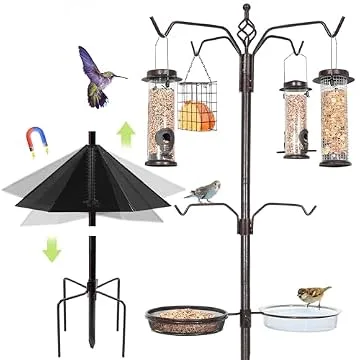
Environment is the last variable. Cage placement near doors, windows, or feeding stations increases territorial pressure. Perch repositioning and hiding spots directly address these environmental triggers.
Decision Branches: What the Behavior Actually Means
Once you've assessed species, season, and environment, the behavior itself points toward one of four branches. Here's how to tell them apart.
If the behavior is new and follows an injury or illness: it's likely illness-related aggression. Birds mask pain as aggression because vulnerability invites attack in the wild. A sick bird that suddenly bites is warning threats away, not defending territory.
If behavior peaks during breeding season and fades afterward: it's hormonal aggression. Photoperiod changes trigger surges that amplify territorial behavior. This branch calls for light cycle management, not habitat redesign.
If the bird consistently defends a specific perch or cage zone: it's true territorial defense. The bird has claimed a space and will chase anything that enters it. This branch requires resource repositioning and gradual desensitization.
If the bird bites someone unrelated to the trigger: it's redirected aggression. The bird is frustrated but misdirects it at whatever's nearest. This branch calls for reducing overall environmental stress.
Actions for Each Path: What to Do Once You Know
Each branch of the decision tree has a distinct action plan. Mixing them up wastes time and can make things worse.
Illness-related aggression: Vet visit within 24 to 48 hours. Document symptoms, appetite changes, and when behavior started. Bloodwork and a physical exam rule out conditions like egg binding or infection.
Hormonal aggression: Set a consistent 12-hour light, 12-hour dark cycle. Remove nest boxes, mirrors, and nesting materials. Avoid overhandling or chest rubbing, which triggers mating hormones.
Territorial aggression: Reposition perches away from the claimed zone. Add visual barriers like perch covers. Introduce changes gradually over several days.
Use positive reinforcement when the bird stays calm in the new setup.
Redirected aggression: Identify the stress source first. Common triggers include new pets, schedule changes, or visitors. Remove the trigger.
Provide consistent routines and quiet time. If behavior persists beyond two weeks, consult an avian vet.
Mistakes to Avoid When Managing Territorial Birds
The biggest mistake is punishing territorial behavior. Yelling, spraying water, or scolding reinforces the cycle because the bird already feels threatened. Punishment makes the next encounter worse, not better.
Another common error is introducing new birds to a territory-holding cage too fast. The dominant bird escalates, and the newcomer suffers. Quarantine new birds first, then introduce them gradually over days, not hours.
Don't change the entire environment at once. Move one perch, add one barrier. Large-scale changes trigger fresh stress responses that look like more aggression.
Finally, people skip the vet visit because they assume the behavior is "just territorial." Research consistently shows that aggression is the first visible symptom of illness in many bird species. If you're unsure which branch of the decision tree applies, get the bird checked first. You can always revisit the behavioral plan afterward.
Real Scenarios: How This Plays Out in Practice
A common case: a cockatiel starts lunging at a partner after both were separated for a week. The owner assumes territorial aggression. In reality, the pair's bond was disrupted.
Reintroduction with reduced shared perches usually resolves it within 72 hours.
Another scenario involves a cockatoo that becomes aggressive at the cage door after its owner added a second bird to the household. The bird has claimed the entire cage as its territory. The fix involves increasing cage size, adding visual barriers, and establishing a separate feeding area for the new bird.
A third example: a blue-fronted amazon starts biting during a winter visit from a new houseguest. The bird's territory has expanded beyond its cage to include the living room. This is redirected aggression.
Providing the bird with a covered cage zone or a consistent retreat space reduces the behavior within one to two weeks.
Safety, Legal, and Ethical Considerations
Handling aggressive birds carries real bite and stress risk. Use thick gloves or towels for control. Move slowly.
Never grab a territorial bird by the feet alone, as leg injuries are common.
If you're dealing with wild territorial birds, the Migratory Bird Treaty Act in the United States makes it illegal to disturb nesting sites. Many species, including woodpeckers and raptors, receive federal protection during breeding season. Relocating nests or removing nesting resources without a permit can carry fines.
Ethically, habitat modification should prioritize the bird's welfare. Removing a favorite perch outright can backfire. Redirection works better.
Move the resource rather than eliminate it.
For captive birds, licensed avian veterinarians should guide any intervention that includes handling, separation, or behavioral medication. Self-diagnosis carries real risk when aggression masks pain.
Frequently Asked Questions
How do I know if my bird is territorial or sick?
Check for appetite changes, lethargy, or unusual posture first. Territorial aggression typically happens around specific triggers, like a cage zone or a new person. Sickness-related aggression happens more often and isn't tied to specific moments.
A vet exam rules out illness.
Does territorial behavior go away on its own?
Breeding-season territorial aggression usually fades after the season ends. Year-round territorial behavior in parrots rarely resolves without intervention. Environmental adjustments and positive reinforcement are the most reliable long-term strategies.
Can two territorial birds live in the same cage?
Rarely, and only if introduced early and given ample space. Most territorial disputes in multi-bird households come from cage sizing. A general guideline: provide at least 2 feet of horizontal space per bird, with multiple feeding stations and visual barriers between claimed zones.
What triggers territorial behavior in pet birds most often?
New people, other pets in the household, cage placement near windows, and breeding-season hormonal shifts. Sudden schedule changes can also shift a bird's perceived territory. Consistent routines reduce territorial escalation.
Is it safe to handle an aggressive bird myself?
Only if the bite risk is low and the bird is calm enough to tolerate contact. For heavy beak-biting birds, handle with gloves or consult an avian vet. Injuries from parrot bites often require medical attention.
How long does it take to manage territorial behavior?
Two to four weeks for environmental adjustments to show results. Hormonal aggression can take longer, up to six weeks depending on photoperiod adjustments. Illness-related aggression resolves once treatment addresses the underlying cause.
Decision Guide: Choosing the Right Path
Here's how to match your situation to the right approach quickly.
| If your bird… | Then start with… |
|---|---|
| Bites with no clear trigger | Vet visit within 48 hours |
| Aggression peaks in spring/summer | Light cycle management + habitat changes |
| Defends a specific perch or zone | Resource repositioning + positive reinforcement |
| Bites someone unrelated to the trigger | Identify and remove the stress source |
| Recently joined a household | Quarantine, then gradual introduction protocol |
If you're still unsure after working through this guide, an avian veterinarian is the right next step. Behavioral assessment by a professional prevents you from treating the wrong branch of the problem tree. The bird's response tells the story.
Your job is to read it correctly the first time.
Long-Term Maintenance After Behavior Management
Once the aggression cycle breaks, prevention beats intervention. Consistent routines are the strongest tool you have. Territorial behavior resurfaces when conditions shift unpredictably.
Keep light cycles locked to 12 hours of light and 12 hours of dark during breeding season months. Photoperiod drift is one of the most common triggers for regression. Use a timer rather than relying on when you flip a switch.
Reassess cage setup every season. Move perches and feeding stations before spring hormone surges hit. Gradual adjustments beat waiting for aggression to return and then scrambling.
Track behavior weekly for the first three months after intervention. Note what triggers reappear, what worked, and what didn't. This log helps an avian vet spot patterns you might miss.
If aggression returns despite consistent management, that's your signal to book a vet recheck. Some cases involve hormonal issues that require veterinary intervention like deslorelin implants or surgical options.
Expert Tips: Pro-Level Insights That Aren't in Most Guides
Most behavior guides cover the basics. A few advanced insights make the difference between managing aggression long-term and just putting out fires.
One: feather condition during aggression episodes tells a story. Stressed territorial birds often develop ragged plumage, particularly around the neck and wings where they've been biting themselves. Feather plucking alongside aggression usually means the behavioral problem runs deeper than territory.
Two: feeding position matters more than feeding content. Birds in established territories defend feeding stations fiercely. Placing food in two opposite corners of the cage reduces disputes because neither zone feels exclusive.
This works even in single-bird households when a pair bonds.
Three: ambient sound exposure affects territorial escalation. Research links loud background noise to increased cortisol and aggression in captive parrots. A quiet room or consistent white noise level reduces territorial flare-ups more than owners expect.
Four: socialization timing is everything. Birds introduced to other birds during breeding season form territorial bonds faster and fight harder later. Quarantine periods that extend through at least one non-breeding season give the best long-term compatibility results in mixed-species aviaries.
Five: positive reinforcement needs patience. Behavior change in territorial birds typically takes two to four weeks of consistent effort. Owners who switch strategies at day five often see no results and conclude the approach failed.
Commit to one strategy for a full cycle before adjusting.