Great Blue Heron Facts
If you are looking for reliable great blue heron facts, you are likely standing by a quiet body of water trying to identify a large, statuesque bird. These birds are fascinating creatures that dominate the shoreline with their silent, patient hunting style.
As of 2026, research from the Cornell Lab of Ornithology confirms that these birds are the largest herons in North America. They stand up to four feet tall and maintain a massive six-foot wingspan, making them impossible to miss if you know where to look.
Quick Answer
The great blue heron is a large wading bird native to North America. It hunts primarily by standing motionless in shallow water to catch fish. These birds feature a signature S-shaped neck when they are in flight.
They nest in large colonies known as heronries near water sources. Their diet includes fish, rodents, and various small amphibians.
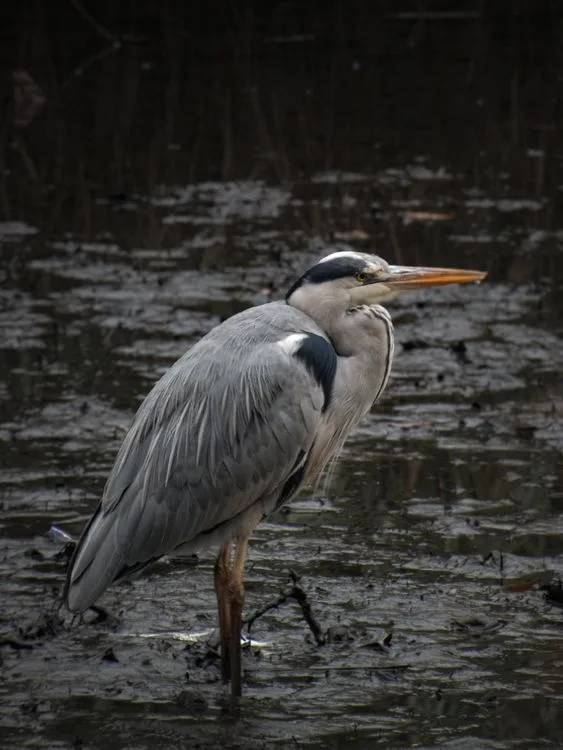
Image source: Bing (Web (fair-use with source credit))
The Art of Spotting a Great Blue Heron: Visual Identification
Spotting a great blue heron starts with understanding their size and coloration. They are slate-gray birds with a black plume that extends from above the eye to the back of the head. When they stand still, they blend surprisingly well into the reeds and shadows of the shoreline.
You will notice they have long, yellowish legs that allow them to wade into deep water. Their chest feathers appear shaggy and loose, which helps them during the grooming process. They use a specialized powder down to clean fish slime from their feathers throughout the day.
If you are scanning a lake, look for a dark, jagged shape near the water line. They often look like a piece of driftwood until they blink or shift their weight. Because they are sensitive to motion, keeping a low profile is essential for a good view.
Decoding the S-Curve and Other Silhouette Secrets
The most definitive way to identify a heron is by looking at its neck during flight. While many birds extend their necks straight out to streamline their bodies, the heron retracts its neck into a tight S-shape. This creates a bunched, compact silhouette that distinguishes it from almost every other large bird.

Image source: Bing (Web (fair-use with source credit))
- In-flight stance: The neck is tucked back against the body.
- Leg positioning: Their long legs trail straight behind them past the tail feathers.
- Wing beat: They use slow, deep, and rhythmic wing strokes.
This S-curve is not just for show, as it functions like a kinetic spring. It allows them to store elastic energy that they release in a fraction of a second during a strike. Understanding this physical trait ensures you won't mistake them for other large raptors or waterfowl.
The Anatomy of a Strike: Stealth, Stalking, and Precision
The hunting process of the heron is a masterclass in patience and biological efficiency. They do not chase prey, because running through the water creates ripples that alert fish and frogs. Instead, they rely on a technique called standing and waiting.
When they decide to move, they take tiny, calculated steps that barely disturb the surface tension of the water. Their eyes are fixed on a precise point while their body remains motionless for long periods. Once prey enters their strike zone, the head and neck lash out with lightning speed.
| Hunting Stage | Action Description |
|---|---|
| Observation | The bird stands motionless, watching for movement in the water. |
| The Approach | Very slow, rhythmic steps that minimize water displacement. |
| The Strike | A sudden, rapid extension of the neck and bill to catch prey. |
Their bill acts like a pair of long, sharp tongs that can grip slippery prey with ease. If they catch something too large, they will shake the fish to kill or stun it before swallowing it whole.
Understanding the Heronry: When and Where to Observe
Great blue herons do not always live in isolation, even though they hunt alone. They gather in communal nesting sites called heronries or rookeries. These are often located in tall trees near a reliable food source, like a lake or river, to keep their chicks safe from ground predators.
- Social Dynamics: These colonies can host dozens of pairs at once.
- Nesting Habits: Both parents work together to build a large platform of sticks.
- Seasonal Shifts: In northern climates, these colonies are most active during the spring and summer months.
According to data from the U.S. Fish and Wildlife Service, protecting these nesting sites is critical for maintaining population stability. If you come across a rookery, always maintain a significant distance.
The birds are highly protective of their nests and may abandon them if they feel threatened by human presence.
Common Identification Pitfalls: Don't Confuse Them with Cranes
The most frequent error in bird identification is mixing up the heron with a crane or an egret. While they share the same wetland environments, their body mechanics and physical traits are different. The Great Egret, for example, is pure white and significantly smaller than the blue heron.

Image source: Bing (Web (fair-use with source credit))
- Heron vs. Crane: Cranes always fly with their necks extended straight, whereas herons tuck them in.
- Coloring: Herons are predominantly slate-gray, while cranes often show shades of tan, brown, or white.
- Behavioral cues: Herons prefer to stand still in water, while cranes are more likely to forage in open fields or meadows.
If you are unsure, look at the legs and the neck alignment. These two features provide the most accurate diagnostic information in the field. Checking these simple markers will save you from common misidentification issues.
Conservation and Respect: Ethical Wildlife Viewing Practices
Ethical wildlife viewing revolves around the concept of distance and silence. Great blue herons are easily spooked, and a bird forced to flee mid-hunt loses vital energy that it needs to survive. If the bird notices you and stops its hunting behavior, you are too close.
You should always use binoculars or a spotting scope instead of trying to get the perfect photo with a wide-angle lens. This approach keeps you at a safe distance where the heron feels comfortable enough to continue its natural routine. Never attempt to feed or attract the birds with food, as this disrupts their behavior and ruins their natural hunting skills.
The Migratory Bird Treaty Act protects these birds and their nesting sites throughout North America. This federal standard makes it illegal to disturb, harass, or interfere with their nests or breeding colonies. Always prioritize the bird's comfort over your desire for a closer look.
Frequently Asked Questions
Do great blue herons migrate?
Many populations are migratory, especially those in the northern reaches of their range. When water sources freeze in the winter, the birds head south to find open, accessible fishing grounds. However, birds in milder climates often stay in the same area year-round if the water remains liquid.
Are great blue herons dangerous to humans?
They are not dangerous, but they are wild animals that should be respected. Their long, sharp bills are designed for spearing fish and can inflict serious injury if you corner them. Always keep a respectful distance, especially near a nest, to avoid accidental defensive strikes.
What is the primary diet of a great blue heron?
They are versatile piscivores that focus on fish as their main food source. Their diet also includes frogs, crustaceans, rodents, and occasionally even smaller birds. They are opportunistic hunters that take whatever prey is available and fits their hunting style.
How can I tell a male from a female?
Telling males and females apart is nearly impossible from a distance, as they look identical. Both sexes share the same slate-gray plumage, black eye plumes, and body size. Sexing them requires close observation of breeding behaviors or genetic testing by researchers.
How long do these birds live?
In the wild, they typically live about 15 years on average. Some individuals reach their twenties, but survival depends on food availability and avoiding predators. Juveniles face the highest mortality rates during their first year as they learn to hunt and protect themselves.