Northern Cardinal Facts
Northern cardinals are one of the most recognizable birds in North America. Learning the essential northern cardinal facts helps you understand why these vibrant birds have become such a staple of the backyard landscape.
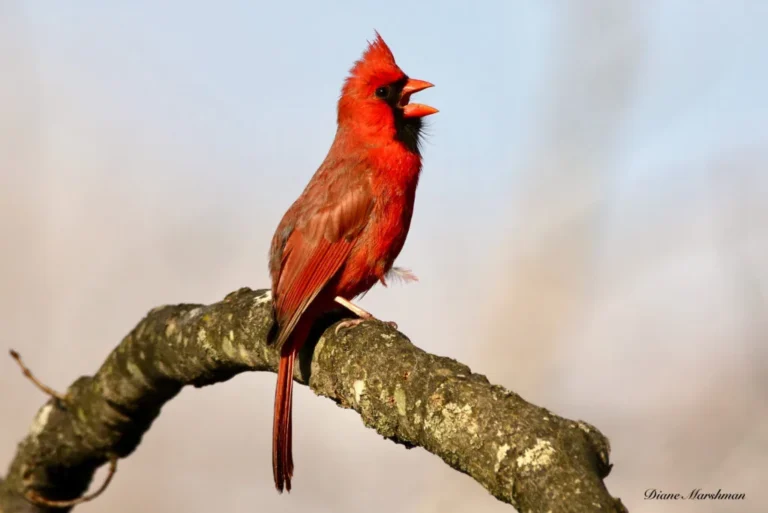
They are non-migratory, meaning they stay in your local area throughout all four seasons. You can identify them by their distinct crests, orange beaks, and brilliant plumage.
Quick Answer
Northern cardinals are non-migratory songbirds found in North America. Males have bright red feathers and black face masks. Females display tan plumage with subtle red accents.
Both genders feature iconic crests and strong, seed-cracking beaks. They often defend territories near dense backyard shrubbery.
Why Cardinals Are the Icons of Your Backyard
The Northern Cardinal (Cardinalis cardinalis) is a member of the family Cardinalidae, and it’s arguably the most famous backyard visitor in the eastern United States. As of 2026, their range remains stable across most of the eastern half of the country, extending into parts of Mexico and southern Canada. They don't migrate, which is why they provide such a striking visual contrast when they appear against a backdrop of winter snow.
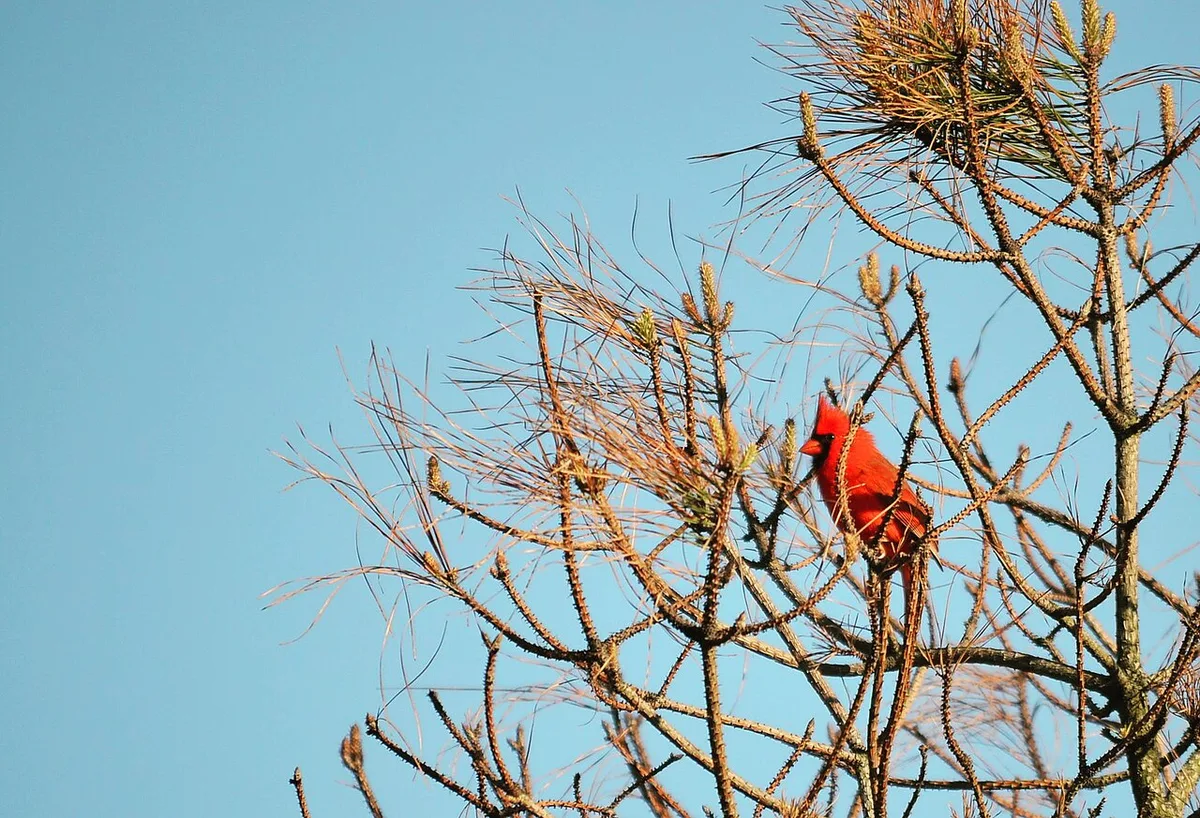
Image source: Wikimedia Commons / Cape Hatteras National Seashore
These birds have successfully adapted to human-modified landscapes. They thrive in the edge habitats that define suburban living, such as the space between open lawns and dense, overgrown thickets. Their resilience is supported by the Cornell Lab of Ornithology, which tracks their consistent presence across diverse urban and rural environments.
Visual Identification: Recognizing Males, Females, and Juveniles
Understanding the difference between genders is key to tracking these birds. Northern cardinals show strong sexual dimorphism, meaning the male and female look very different. The male is iconic for its brilliant, fire-engine red feathers and a jet-black mask that surrounds its beak.
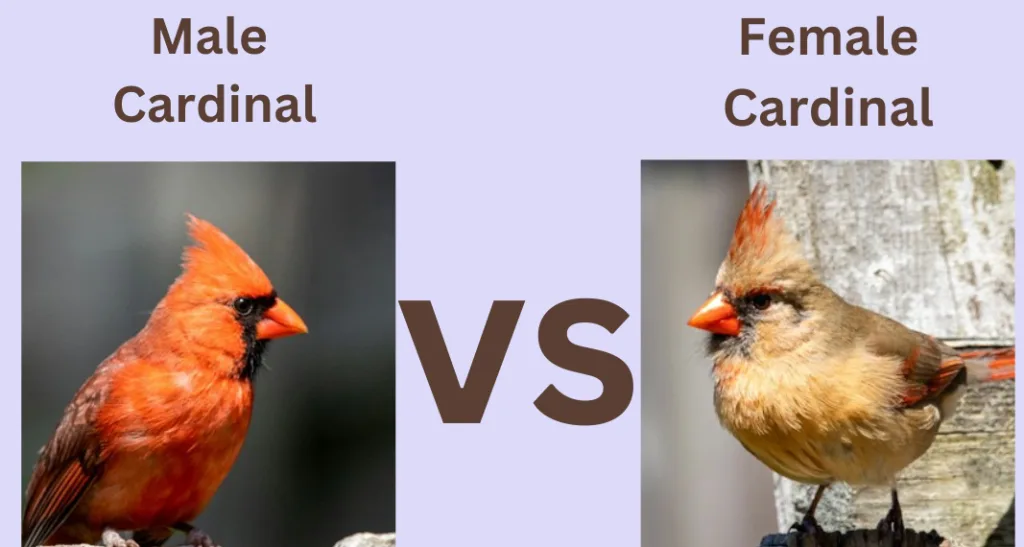
Image source: Bing (Web (fair-use with source credit))
Females are equally beautiful but much more subtle. They sport a pale brown or tan base color, which provides excellent camouflage while they sit on nests. Look for the reddish tint in their wings and crest to confirm a female cardinal.
Juveniles look similar to the females but have darker, grayish beaks that slowly turn to the bright orange-red of the adults as they mature.
Seasonal Behavior and the Non-Migratory Lifestyle
Unlike many other songbirds that fly south to escape the cold, cardinals are homebodies. They stick to the same territory year-round. This is a huge advantage for backyard birders, as it means you can establish a consistent feeding station that they will visit through every season.
| Season | Cardinal Behavior |
|---|---|
| Spring | Intense territorial singing and nest building |
| Summer | Rearing young, often two to three broods |
| Fall | Molting and gathering in loose social flocks |
| Winter | Seeking reliable food sources and thermal cover |
During the winter, you might notice their colors appear slightly duller. This is often due to wear on the feathers before their annual molt. Even so, they remain highly active and will readily visit bird baths and feeders when natural seeds become scarce.
Creating the Perfect Habitat for Cardinal Visitors
Cardinals are shrub-nesting birds. If you want to keep them in your yard, you have to provide the right kind of shelter. They prefer nesting in dense, twiggy shrubs, evergreens, or tangles of vines.
If your yard consists only of open grass and tall trees, they will likely move on to a neighbor with more cover.
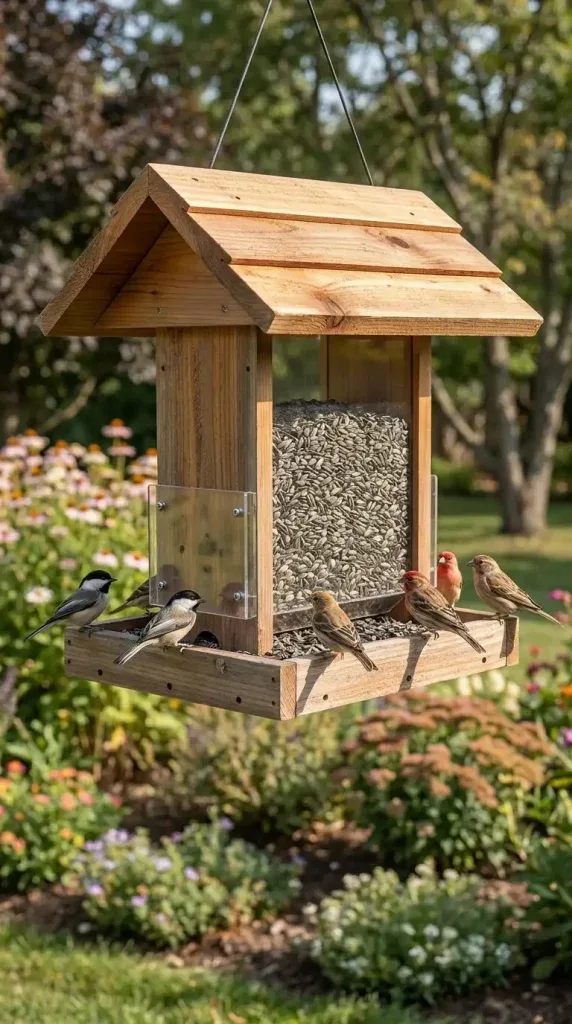
Image source: Bing (Web (fair-use with source credit))
Providing high-quality food is the final piece of the puzzle. Cardinals have powerful, cone-shaped beaks designed to crack tough husks. Black oil sunflower seeds are their favorite meal, as the shells are thin enough for them to manage easily.
Keep your feeders clean to ensure the birds stay healthy, as crowded feeders can quickly become breeding grounds for bacteria.
Decoding Territorial Behavior and Window Collisions
If you see a cardinal repeatedly flying at your window or side mirror, don't panic. The bird isn't being malicious. It is simply seeing its own reflection and identifying it as a territorial rival.
Because they are so protective of their nesting space, they will attack their own image for hours on end.
You can stop this by breaking up the reflection on the outside of the glass. Using static-cling decals or placing a screen over the window is often enough to solve the problem. Most of this behavior happens in early spring when hormone levels are high and birds are establishing their boundaries for the upcoming breeding season.
Once they realize the rival isn't moving, they eventually move on to other activities.
Essential Facts and Biological Metrics
Cardinals are medium-sized songbirds with a wingspan ranging from 9 to 12 inches. They typically weigh between 1.5 and 1.7 ounces, making them roughly the size of a catbird or a blue jay. Their average lifespan in the wild is about three years, though birds in stable environments can occasionally reach five years or more.
Reproduction usually begins in late winter or early spring. A typical clutch size consists of two to five eggs. The incubation period lasts approximately 11 to 13 days, and both parents share the duties of protecting the nest.
Understanding these metrics helps researchers track population health across the continent.
Common Birding Pitfalls and How to Avoid Them
The most frequent mistake birders make is providing the wrong type of seed. Cardinals have specialized beaks that prefer larger seeds like black oil sunflower, striped sunflower, or safflower. If you offer fine milo or wheat, you will likely attract pigeons or sparrows rather than your desired cardinals.
Another common pitfall involves hygiene at the feeder. Moisture can cause mold growth on seeds, which poses a significant health risk to local bird populations. To avoid this, use feeders with proper drainage and clear them of hulls every few days.
Clean your feeding station with a mild soap solution at least twice a month to prevent the spread of avian diseases.
| Common Mistake | Recommended Correction |
|---|---|
| Using cheap birdseed fillers | Use black oil sunflower seeds |
| Neglecting water sources | Provide a heated, shallow bird bath |
| Lack of natural cover | Plant native dense shrubs and evergreens |
| Dirty feeders | Scrub with soap and water bi-weekly |
Frequently Asked Questions
Do Northern Cardinals migrate in the winter?
No, they are non-migratory birds. They stay within their established territory year-round. You can expect to see them throughout the winter months as long as they have access to reliable food and thermal shelter.
How can I attract more cardinals to my garden?
Focus on providing high-quality black oil sunflower seeds and dense vegetation. Cardinals feel vulnerable in open, flat yards. They prefer spaces where they can quickly retreat into thick, leafy cover if they feel threatened by a hawk or cat.
Why does a cardinal keep attacking my window?
The bird is likely reacting to its own reflection. It perceives the reflection as a rival entering its territory. You can resolve this by applying window decals or screens to the exterior of the glass to disrupt the mirror effect.
Is it legal to keep a Northern Cardinal as a pet?
No, it is illegal to keep them in captivity. They are protected under the Migratory Bird Treaty Act in the United States. This law makes it a federal offense to capture, harm, or keep wild migratory birds as pets without a permit.
How long do baby cardinals stay in the nest?
After hatching, the chicks typically stay in the nest for about 9 to 11 days. Once they fledge, they remain dependent on the parents for food for several more weeks. You might see the male cardinal feeding the fledglings while the female prepares for a second brood.