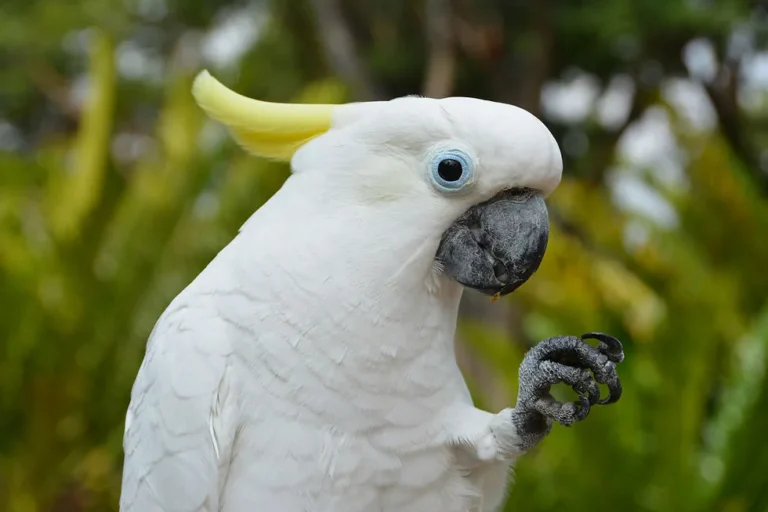
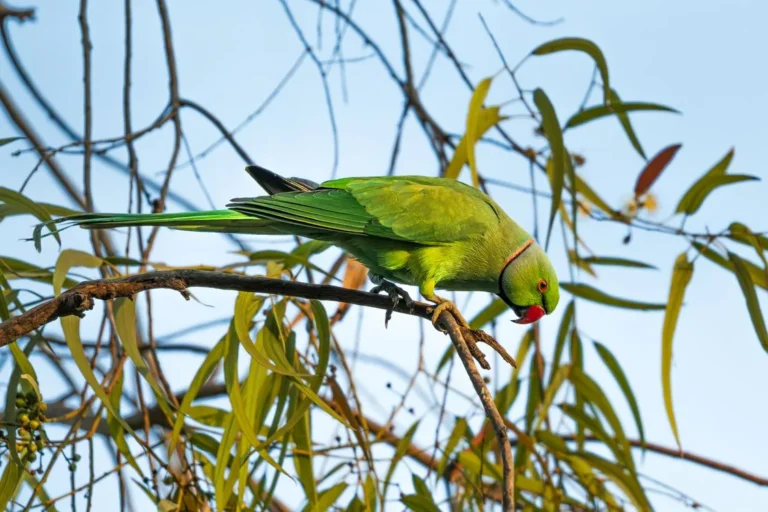
Types of Pet Parrots
Choosing from the many types of pet parrots is a decision that impacts your daily life for decades. These birds are not passive pets, but highly social, intelligent animals that require significant daily engagement. Whether you are looking for a quiet companion or a high-energy entertainer, the right choice depends on your space and availability.
As of 2026, data from the Association of Avian Veterinarians suggests that successful ownership relies on matching a bird’s natural behavioral traits to your personal household routine. Understanding these requirements early helps prevent the common issue of birds being rehomed due to lifestyle incompatibility.
Quick Answer
Many types of pet parrots exist for prospective owners. Small species like Budgies suit beginners well. Medium parrots include Conures and Caiques.
Large birds like Macaws need vast space. Each species has unique noise and care requirements. Always consider the bird's lifespan before choosing.
Image source: Web (Bing) / stockcake.com (Web image (fair-use with source credit))
The Reality of Living with Different Parrot Species
Living with a parrot is fundamentally different from owning a dog or a cat. Parrots are undomesticated in their core biology, meaning they retain wild instincts like flock calling and intense foraging needs. You are essentially bringing a wild, intelligent animal into your home.
Most species require hours of daily interaction to remain mentally healthy. Without this, they often develop repetitive behaviors, such as feather plucking or excessive screaming. You must be prepared to integrate the bird into your social circle.
If you cannot provide consistent daily social time, a parrot may not be the right pet for you. Consider the impact of a bird on your home environment before making any commitments. Each species brings a unique set of challenges that dictate your household rhythm.
How to Match a Bird’s Temperament to Your Lifestyle
Finding your ideal bird starts with an honest assessment of your daily schedule. You need to identify how much time you can dedicate to direct, one-on-one interaction. Some birds thrive on independence, while others suffer without constant contact.
For those with busy lives, a more independent species is the logical choice. If you want a companion that joins you for every activity, a social species is better. Use the following breakdown to narrow your search based on your availability:
- Low-interaction demand: Senegals and similar smaller species.
- Moderate-interaction demand: Cockatiels and Budgies.
- High-interaction demand: Cockatoos and Macaws.
Consult with an avian veterinarian to discuss the specific behavioral history of the birds you are considering. A professional can help you understand if a specific individual bird matches your energy levels. Do not choose a bird based solely on its appearance or color.
Side-by-Side Comparison: Noise, Mess, and Maintenance
Every parrot species produces a different level of noise and debris. Understanding these physical realities is essential for maintaining your home. Large birds produce more dander and require larger, more difficult-to-clean cage systems.
| Species | Noise Level | Maintenance Effort | Space Needed |
|---|---|---|---|
| Budgie | Low | Low | Small |
| Cockatiel | Moderate | Moderate | Medium |
| Conure | High | Moderate | Medium |
| Macaw | Very High | Very High | Large |
Maintenance goes beyond cleaning the cage floor. You must account for daily water changes, fresh food preparation, and routine toy rotation. These tasks take time every single day.
If you struggle with consistent cleaning, consider a smaller species that creates less waste.

Image source: Web (Bing) / aizolo.com (Web image (fair-use with source credit))
Essential Responsibilities: The Long-Term Commitment
The most critical factor in parrot ownership is their impressive lifespan. Small birds often live 15 years, while larger species like African Greys or Macaws can exceed 50 years. You are committing to a long-term care plan that may span several decades.
This commitment includes financial planning for specialized veterinary care. Standard dog or cat vets often lack the training for avian health. You must ensure you have access to a qualified specialist within your local area.
Think about your future life stages, including housing changes, travel plans, and career shifts. A parrot cannot easily be moved or left alone for extended periods. Develop a contingency plan for your bird in the event of your own illness or absence.
Avoiding Common Mistakes: Why People Rehome Their Birds
The most frequent mistake owners make is underestimating the psychological needs of the bird. Many parrots are rehomed because the owner did not prepare for the volume of noise or the mess. Birds are vocal animals that use sound to communicate with their flock.
Another common error is failing to provide adequate out-of-cage time. A bird kept in a cage for 24 hours a day will quickly become frustrated and potentially aggressive. You must provide a dedicated space for your bird to exercise and explore safely.
Avoid impulsive purchases at pet stores. Instead, spend time observing birds in their environment to see how they behave when they are not being handled. Researching the species specific traits ensures you are ready for the reality of daily life with a parrot.
Creating a Safe and Enriching Home Environment
You must bird-proof your living area before bringing a parrot home. Common household items can be lethal to a sensitive avian respiratory system. For instance, non-stick cookware containing polytetrafluoroethylene (PTFE) releases toxic fumes when overheated that can kill a bird within minutes.
Remove all aerosol sprays, scented candles, and essential oil diffusers from the bird's living area. Replace these with safe alternatives or simply eliminate them to protect your pet. Secure all electrical cords inside protective tubing to prevent chewing and potential electrocution.
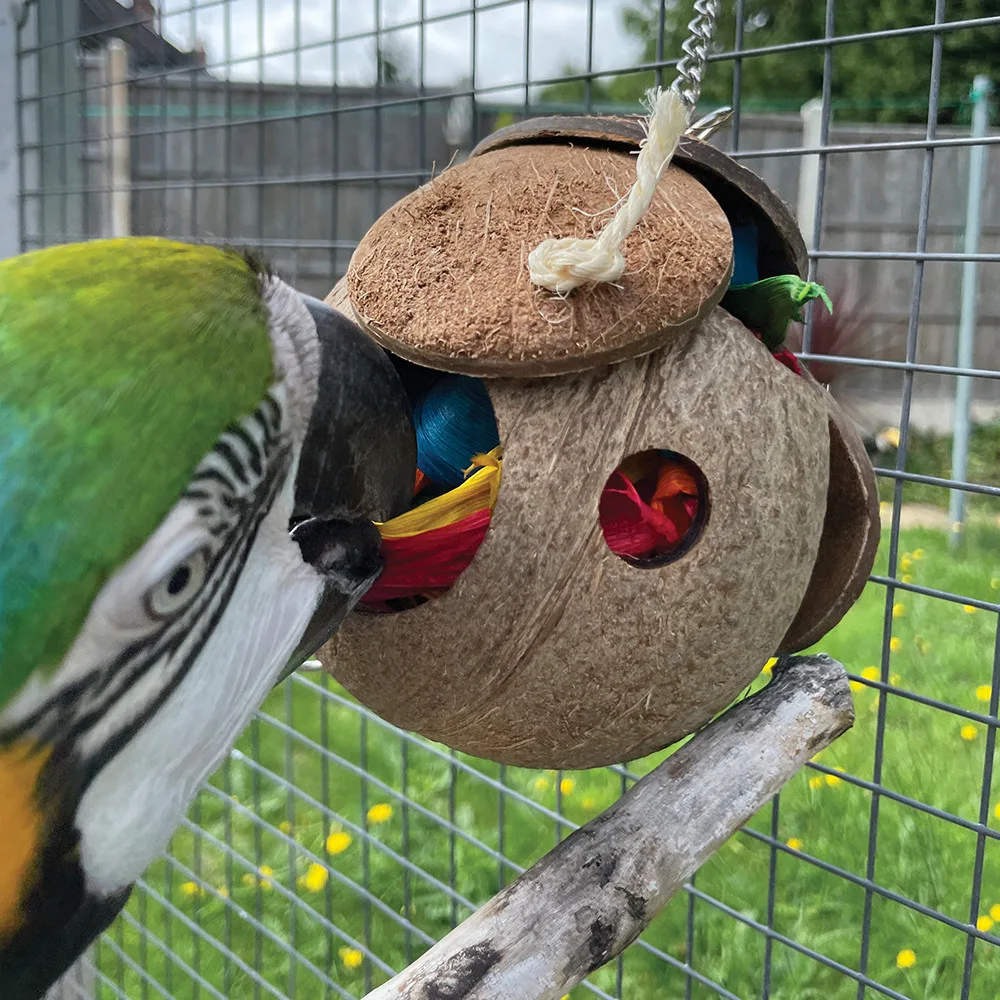
Image source: Web (Bing) / northernparrots.com (Web image (fair-use with source credit))
Mental stimulation is just as important as physical safety. Parrots are natural foragers who spend most of their time in the wild searching for food. Provide this outlet by hiding treats in cardboard boxes, paper bags, or specialized puzzle toys.
This behavior, known as foraging, prevents boredom and reduces the risk of stress-related plucking. Rotate your toy selection weekly to keep the environment dynamic and challenging. Use a variety of textures, such as wood, rope, and natural fibers, to mimic a diverse environment.
Frequently Asked Questions About Parrot Ownership
How much time should I spend with my parrot daily?
Most parrots require a minimum of two to four hours of direct social interaction every day. This includes training, grooming, or simply sitting with the bird while you do chores. Larger species may demand even more consistent engagement to maintain their emotional balance.
Can parrots learn to talk?
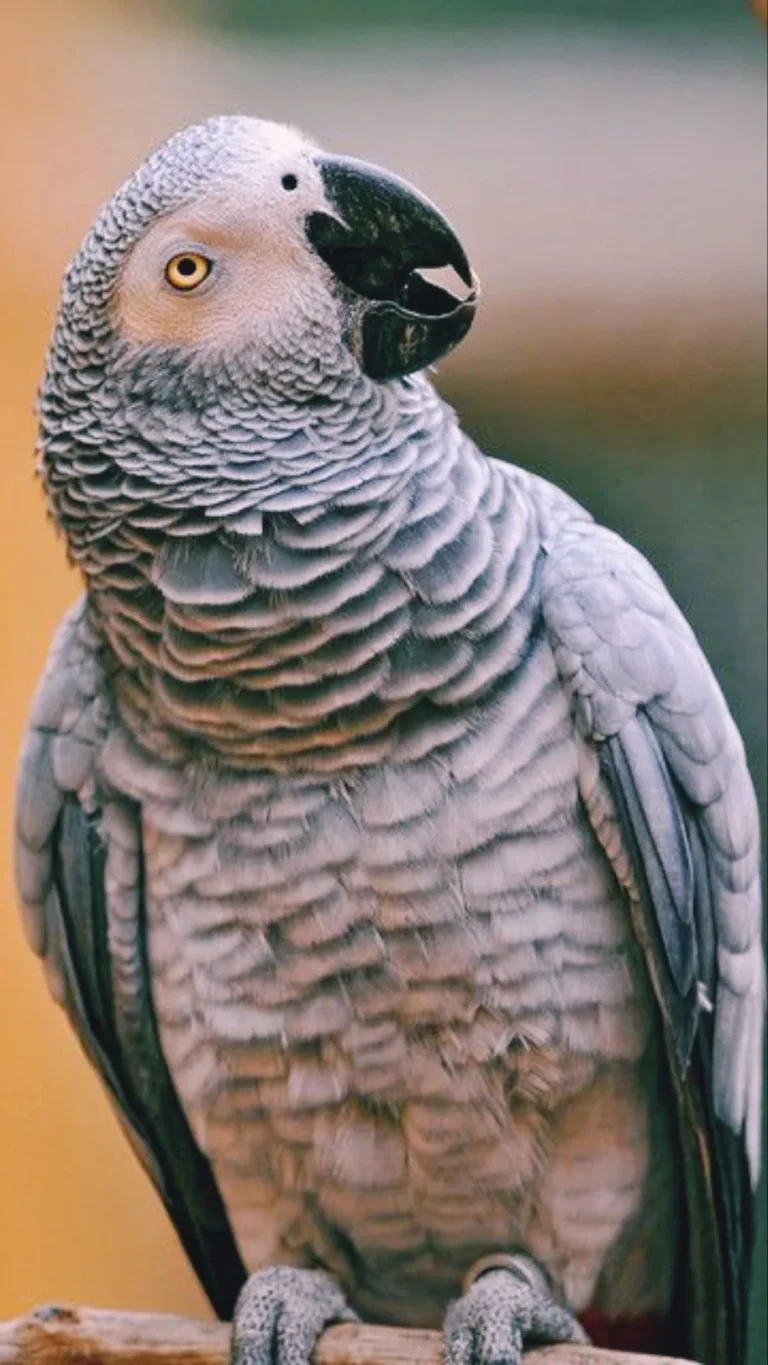
Many parrot species possess the cognitive ability to mimic human speech and environmental sounds. African Greys are particularly noted for their extensive vocabularies and ability to use words in the correct context. However, speech capabilities vary wildly by individual, and you should not choose a bird based solely on this trait.
What should a pet parrot eat?
A healthy parrot diet consists primarily of high-quality, species-specific pellets complemented by fresh vegetables and limited fruits. Avoid an all-seed diet, as it leads to obesity and severe vitamin deficiencies. Consult your veterinarian for a specific nutrition plan tailored to your bird's species and age.
How do I find an avian veterinarian?
You can locate a qualified professional through the Association of Avian Veterinarians database, which lists practitioners with specific training in exotic and bird medicine. Do not wait for an emergency to find one. Establish a relationship with a clinic as soon as you bring your new companion home.
Why does my parrot bite?
Biting is rarely an act of aggression and is usually a way for a bird to communicate discomfort, fear, or hormonal changes. Observe your bird’s body language for cues like pinned eyes, raised neck feathers, or tail fanning before a bite occurs. Learning to respect these signals helps you avoid unnecessary conflict.