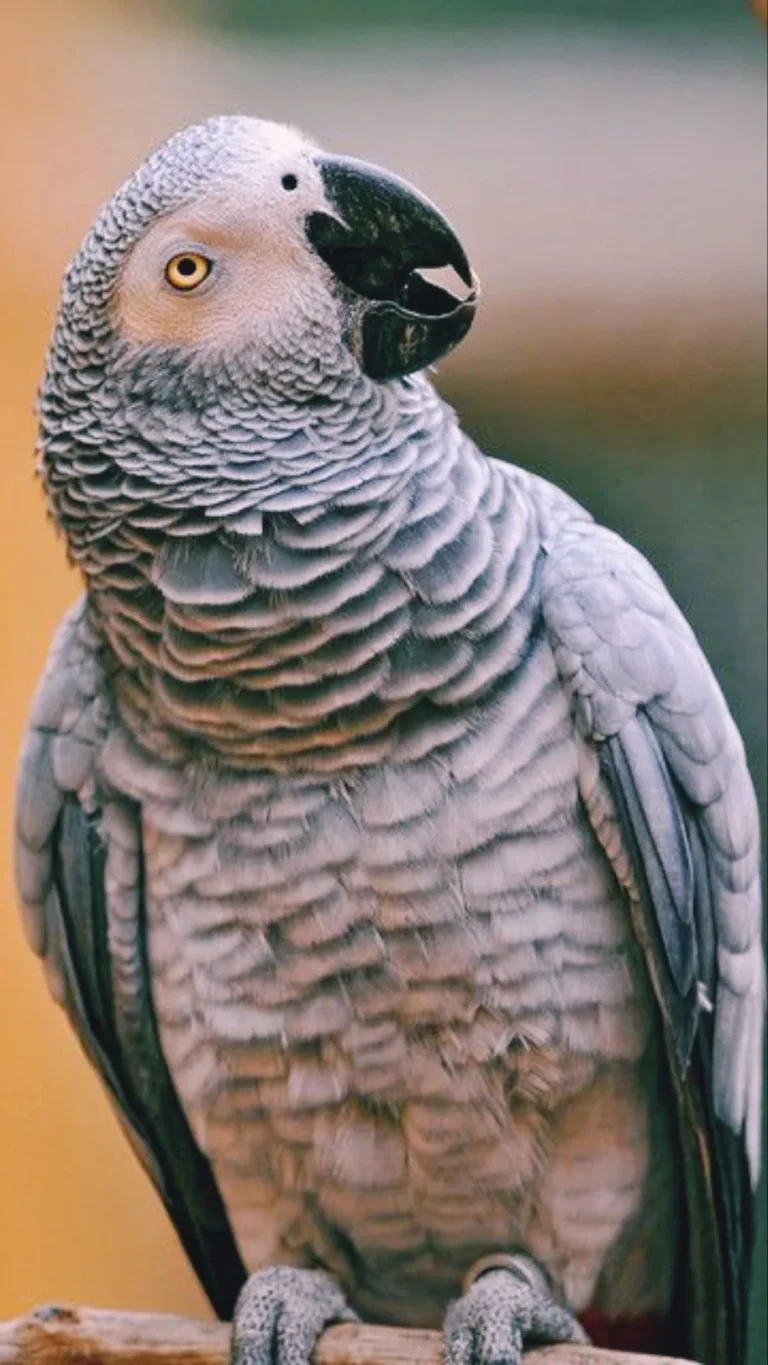
Amazon Parrot Facts
Bringing an Amazon parrot into your home is a major life decision that spans several decades. These birds are renowned for their high intelligence, vibrant personalities, and complex social needs that require dedicated daily care.
Research shows these parrots often live 40 to 60 years in captivity. As of 2026, experts confirm that responsible ownership demands significant time for enrichment and specific dietary protocols.
Quick Answer
Amazon parrots are long-lived, intelligent birds native to the Americas. They require specialized diets beyond simple seed mixes. These parrots need daily social interaction to prevent behavioral issues.
Owners must provide large cages and consistent enrichment activities. They are known for vocal mimicry and intense, seasonal personality shifts.
The Reality of Sharing Your Home with an Amazon Parrot
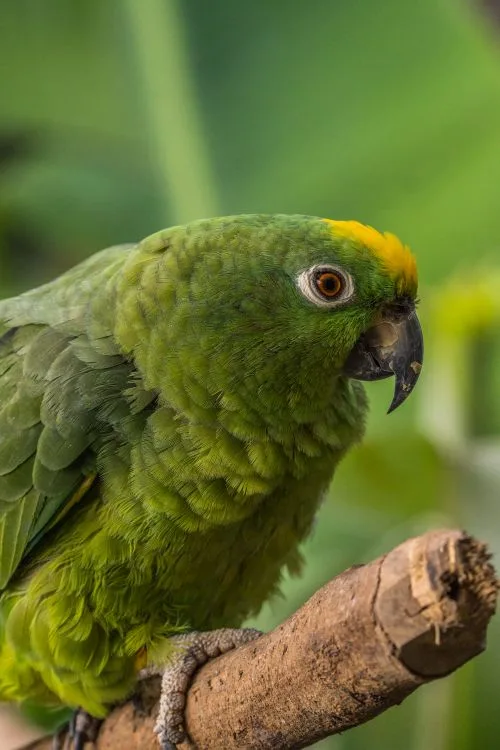
Sharing a house with an Amazon parrot means accepting a high-energy companion. Unlike smaller birds, these parrots act more like toddlers than traditional pets. They are curious and often destructive if left unsupervised.
You must prepare for the noise levels. While not as piercing as some other species, their vocalizations are frequent during sunrise and sunset. If you live in an apartment, this is a critical factor to consider.
Commitment is the defining feature of Amazon ownership. You are signing up for a relationship that can last over half a century. Many birds require re-homing when owners fail to plan for this extreme longevity.
Understanding the Amazon's Complex Psychological and Social Needs
Amazons are highly social animals that thrive on routine and interaction. In the wild, they operate within complex flock structures. In your home, you become the center of their social world.
Neglect leads to serious psychological distress. A bored Amazon will often resort to feather plucking or repetitive, loud screaming. You must dedicate at least two to four hours of active engagement to them every single day.
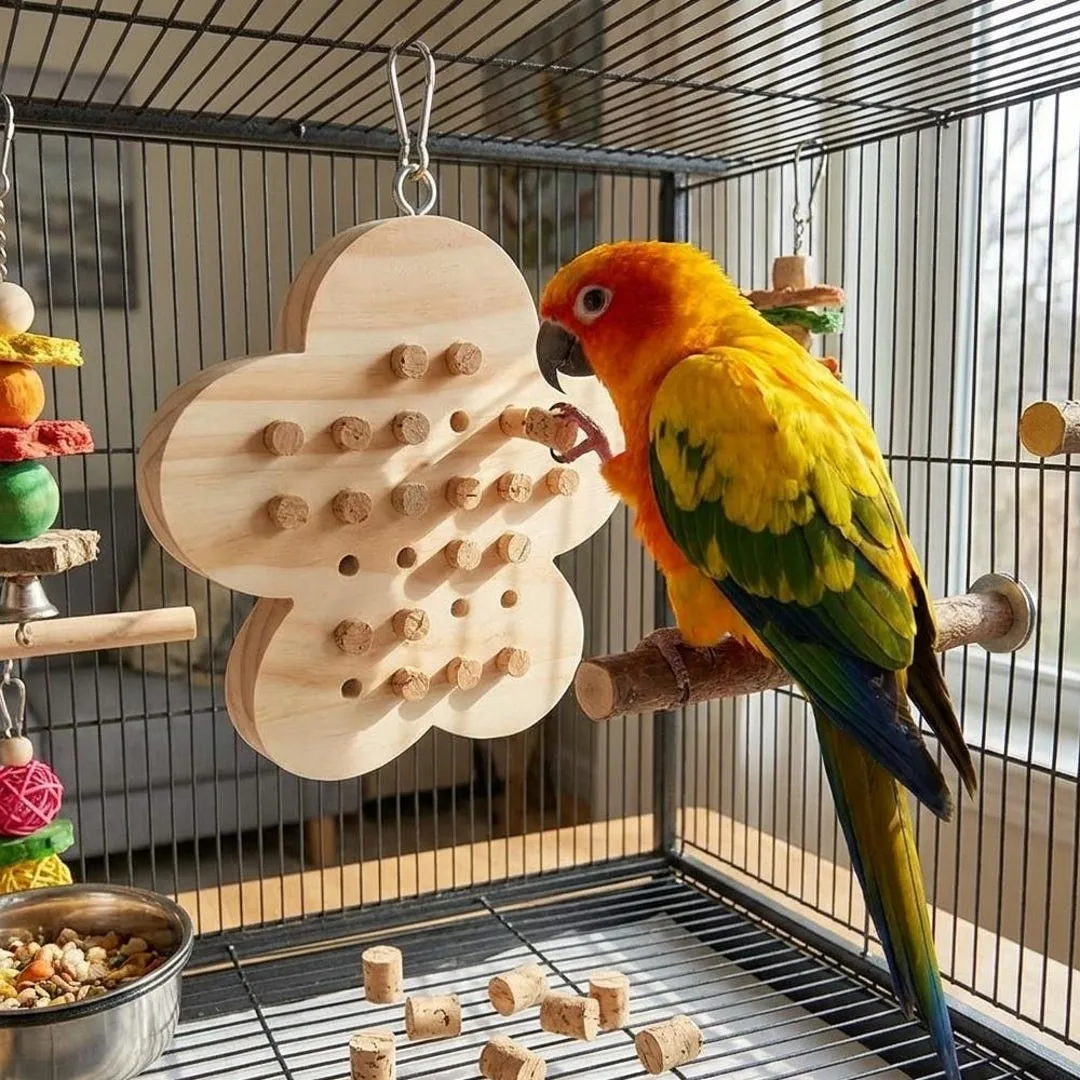
They are also master problem solvers. Providing enrichment is not optional. You need to use foraging toys to stimulate their natural drive to seek out food.
| Activity Type | Frequency | Goal |
|---|---|---|
| Foraging | Daily | Mental stimulation |
| Social Play | 2-4 hours | Emotional bonding |
| Flight/Exercise | Daily | Physical health |
| Training | Regular | Behavioral stability |
Setting Up for Success: Husbandry, Nutrition, and Safe Environments

Proper housing and diet serve as the foundation for a healthy bird. The Association of Avian Veterinarians emphasizes that malnutrition remains the primary cause of illness in pet birds.
Avoid "all-seed" diets. Seeds are often high in fat and low in essential vitamins. A balanced diet should consist of approximately 75 percent high-quality formulated pellets.
The remainder should be fresh, bird-safe vegetables and occasional fruits.
Your cage setup must accommodate their size and wingspan. The bar spacing must be narrow enough to prevent head entrapment but strong enough to withstand their powerful beaks. Always use non-toxic, powder-coated, or stainless steel materials.
Navigating the Challenges: Hormonal Shifts and Behavioral Health
Many owners are blindsided by the "Amazon bluff." This is a period during sexual maturity where the bird becomes territorial or aggressive. It is a natural biological cycle, not a personality flaw.
During these hormonal surges, your bird may bite or puff up its feathers. You must remain calm and avoid reacting with anger. Consistent, positive reinforcement training helps mitigate these outbursts over time.
Do not encourage nesting behaviors. Providing dark, enclosed spaces often triggers hormones. Keep the bird's environment well-lit and avoid petting them on the back or wings, as this can mimic mating signals.
Long-Term Commitment: Metrics of Care and Lifespan Realities
Maintaining a healthy Amazon requires a proactive approach to veterinary care. You must locate an avian-certified veterinarian before an emergency occurs. General dog and cat clinics rarely have the equipment for specialized bird medicine.
You should budget for annual wellness exams and regular blood work. Birds are masters at hiding illness until they are extremely sick. Small changes in droppings or weight can indicate major underlying problems.
Consider your long-term life plans. Because these birds outlive many human milestones, you should have a documented plan for their care in your estate. Ensure family members or friends are prepared to step in if you are unable to provide care.
Essential Safety Practices and Veterinary Standards
Protecting your bird starts with understanding their extreme sensitivity to air quality. Because of their highly efficient respiratory systems, Amazons are vulnerable to airborne toxins that might be harmless to humans.
Keep the air clean at all times. Never use non-stick cookware with PTFE coatings, often branded as Teflon, because these release lethal fumes when overheated. Avoid scented candles, plug-in air fresheners, hairspray, and household cleaners with strong chemical odors.
Annual check-ups are mandatory, not optional. A qualified avian veterinarian will perform a physical exam and baseline blood work to monitor organ function. Per the American Board of Veterinary Practitioners, birds often mask symptoms of illness until they are critical.
Always keep an emergency kit handy. This should include styptic powder for stopping minor blood loss from broken blood feathers, a small heating pad, and a travel carrier for immediate transport to a specialist clinic.
Frequently Asked Questions About Amazon Parrots
Can Amazon parrots live with other pets?
Coexisting with other pets is risky and requires extreme caution. Dogs and cats are natural predators, and even a playful swat can cause fatal internal injury to a bird. Never leave an Amazon unsupervised with other animals in the same room.
How much space does an Amazon parrot cage require?
A cage must be wide enough for the bird to fully extend its wings without touching the sides. The absolute minimum is a 3-foot by 3-foot footprint, though larger is always better. Most experts recommend a flight cage to allow for essential daily exercise.
Are these parrots suitable for beginners?
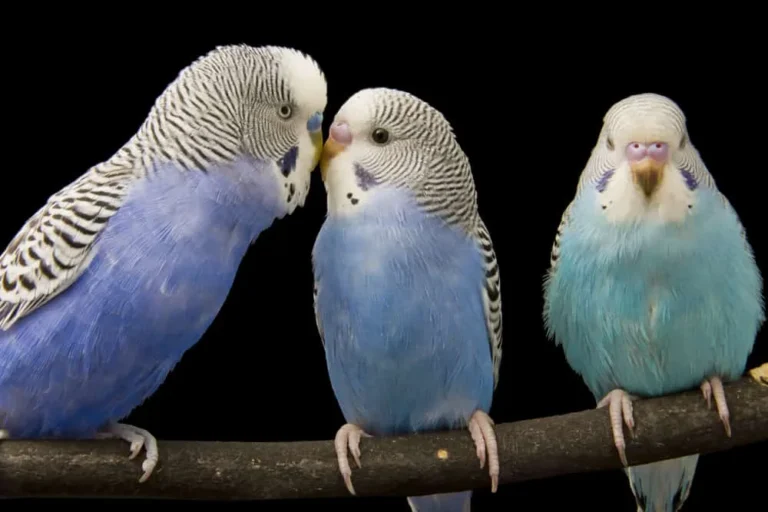
Amazons are generally not considered suitable for first-time bird owners. They have demanding social, dietary, and training requirements that can overwhelm someone without prior avian experience. Budgies or cockatiels are often recommended as better starting points for those learning basic husbandry.
Do they really talk?
Many Amazon species are excellent mimics, but individual personality matters. Some birds learn extensive vocabularies, while others only learn a few sounds or none at all. Never acquire one with the sole expectation that it will become a talker.
Why does my Amazon act aggressive during certain months?
Seasonal aggression is common and typically tied to hormone levels during the breeding season. You may notice your bird becoming more territorial, vocal, or "nippy" during the spring months. Maintain a calm environment and avoid accidental reinforcement of these behaviors during this phase.