Bald Eagle Facts
If you have ever spotted a massive bird of prey circling a lake, you likely wondered if it was a bald eagle. Learning these bald eagle facts helps you move past the myths and understand one of North America’s most recognizable apex predators.
While these birds are iconic, they don't reach their signature look until they are five years old. As of 2026, researchers continue to use these physical traits to track population health across the continent. Here is how you can identify and understand them in the wild.
Quick Answer
The bald eagle is a large North American bird of prey. Adults feature a white head and a dark brown body. They primarily consume fish near large bodies of water.
These birds build the largest nests in the avian world. They are currently protected under federal law.
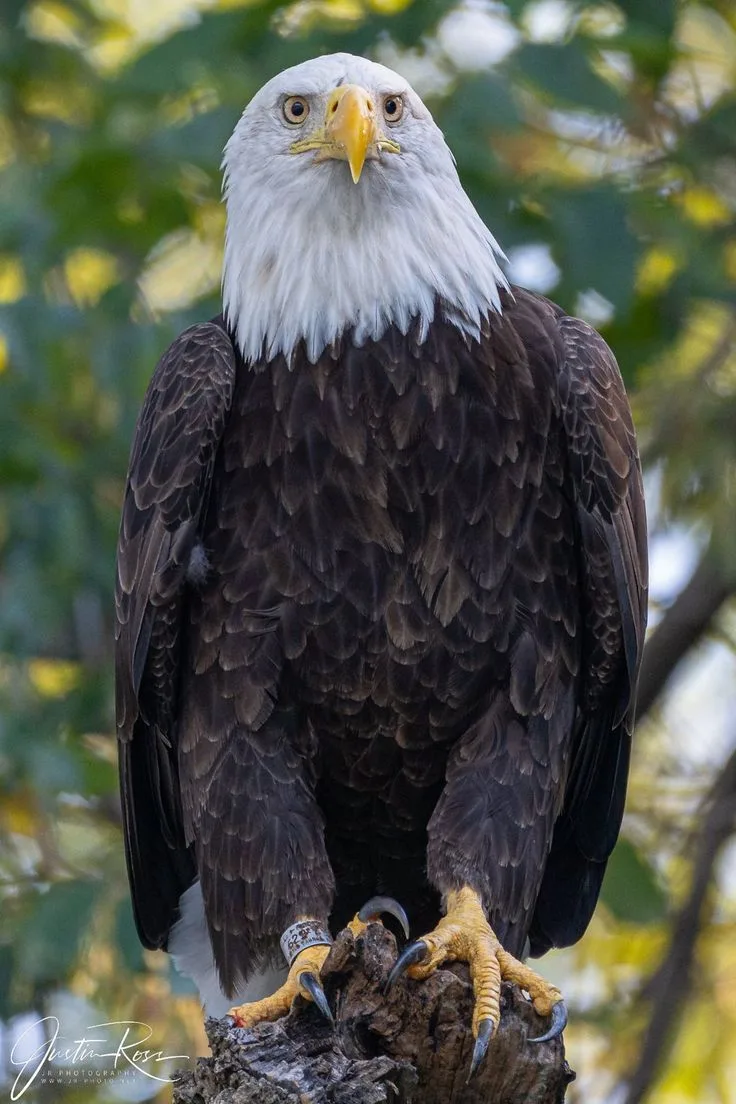
Image source: Web (Bing) / pinterest.com (Web image (fair-use with source credit))
Why Visual Identification is Tricky
Bald eagles are frequently misidentified because their appearance changes drastically as they mature. Many people assume every large, dark bird is an eagle, but juvenile eagles look significantly different from the adults featured in media. You must look past the "white head" expectation to spot the younger birds.
Identifying these raptors requires patience and a focus on shape rather than just color. Lighting conditions often play tricks on the eyes. A young eagle can appear almost black against a bright sky, making it hard to see its identifying marks.
If you are trying to confirm a sighting, look for these three categories of visual clues:
- Size and Silhouette: They have massive, rectangular wings that are held flat during flight.
- Head Proportions: The head of an adult eagle looks oversized compared to its body.
- Behavioral Cues: Look for birds perched near water or scavenging along the shoreline.
Decoding the Plumage Timeline: From Juvenile to Adult
Bald eagles go through four distinct stages of plumage before they reach full maturity. This transition can confuse observers who are looking for the classic white head and tail. Recognizing these phases is essential for accurate field identification.
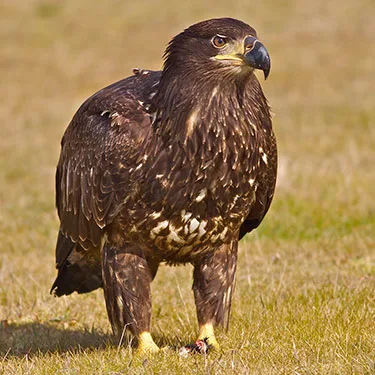
Image source: Web (Bing) / avianreport.com (Web image (fair-use with source credit))
The following table breaks down the visual markers for each age stage:
| Age Stage | Plumage Description | Eye Color |
|---|---|---|
| Juvenile (1–2 yrs) | Mottled brown, white streaks | Dark brown |
| Sub-adult (3–4 yrs) | Increasing white patches, messy face | Transitioning yellow |
| Adult (5+ yrs) | Stark white head and tail | Bright yellow |
During the first two years, the juvenile eagle is often mistaken for a large hawk. It lacks the stark contrast of the adult. By the third year, the bird develops a darker eye line, which starts to distinguish it from other raptor species.
Physical Jizz: Mastering Silhouette and Flight Patterns
In birding, the term "jizz" refers to the overall impression a bird gives you at a distance. You do not need a high-end camera to identify a bald eagle if you know how to read its flight profile. The way they interact with the air is distinct from smaller raptors.
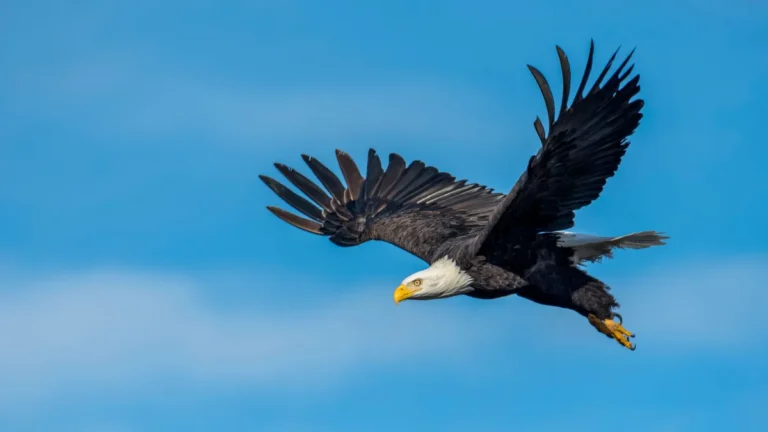
A bald eagle will glide with its wings held perfectly flat. If you see a slight "V" shape in the wings, you are likely looking at a different bird, such as a turkey vulture. Their wingbeats are slow, deep, and heavy, reflecting their impressive weight of up to 14 pounds.
When they catch an updraft, you will see the wingtips splayed out like fingers. This allows them to maximize lift with minimal effort. This energy-efficient flying style is a major reason they can stay aloft for hours while searching for food.
Comparing Look-Alikes: Distinguishing Eagles from Common Raptors
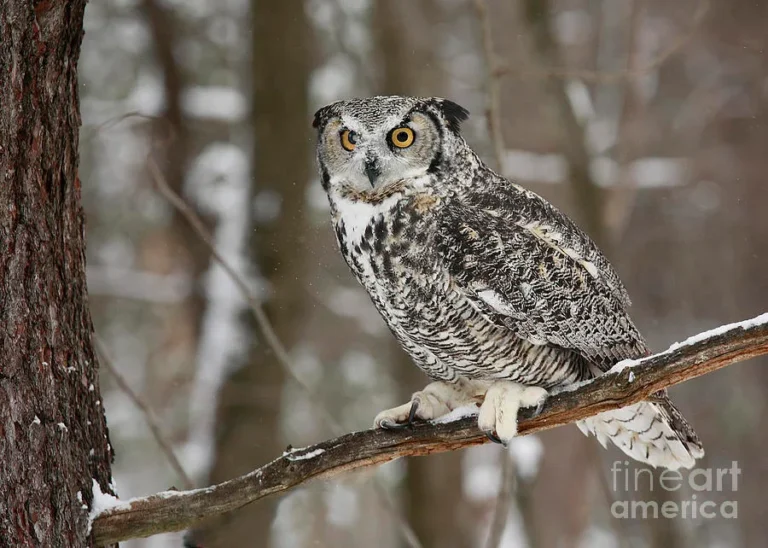
Confusing a bald eagle with a golden eagle or a large hawk is common even for experienced observers. The golden eagle, while similar in size, has a different flight style and habitat preference. According to the Cornell Lab of Ornithology, golden eagles favor open, mountainous terrain rather than the water-based environments of the bald eagle.
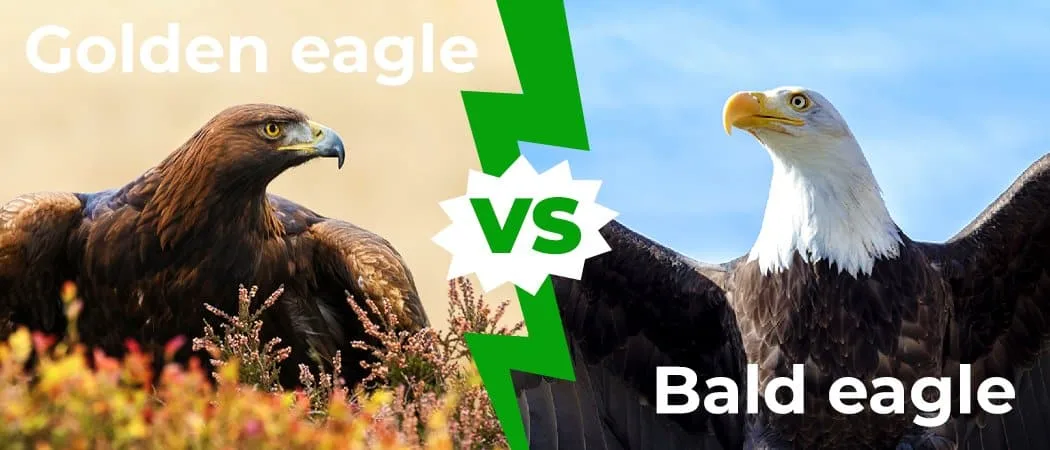
Image source: Bing (Web (fair-use with source credit))
Use these points to separate them in the field:
- Golden Eagle: Has a small head, feathered legs, and a dark tail with white at the base in younger birds.
- Osprey: Much smaller, with a distinct "M" shape to its wings and a white belly.
- Turkey Vulture: Holds wings in a deep "V" and wobbles constantly in flight.
If the bird is perched near a large lake or river, it is far more likely to be a bald eagle. Golden eagles rarely hunt over water, as their primary diet consists of terrestrial mammals rather than fish.
The Reality of Nesting and Foraging Behaviors
Bald eagles are opportunistic feeders that prefer the path of least resistance. They are famous for kleptoparasitism, which is the act of stealing food from smaller predators like ospreys. This behavior saves the eagle the energy of a direct hunt.
Their nesting habits are equally impressive. They build massive "eyries" in tall trees, often returning to the same site for decades. The [U.S.
Fish and Wildlife Service](https://www.fws.gov) notes that these nests can grow to be six feet wide and reach significant weight, sometimes requiring the tree to have a very sturdy crown to support the structure.
- Foraging Strategy: They utilize spicules, which are tiny bumps on the bottom of their feet, to maintain a grip on slippery, wet fish.
- Dietary Flexibility: While they prefer fish, they are skilled scavengers and will consume carrion during winter months when lakes are frozen.
- Social Structure: They are generally solitary or found in pairs, but they may congregate in large groups at shared food sources like salmon runs.
Legal Protections and Ethical Observation Standards
Bald eagles are strictly protected under the Bald and Golden Eagle Protection Act. This federal law prohibits anyone from taking, possessing, or disturbing these birds, including their feathers, nests, and eggs. You are legally required to maintain a respectful distance during any observation.
If you are a photographer or nature enthusiast, follow the "rule of thumb" method. Hold your thumb up at arm’s length to cover the bird in your view. If you can see the bird around your thumb, you are likely too close and should back away slowly.
Signs of distress indicate that your presence is negatively impacting the bird. Watch for these behaviors:
- Alert Posture: The bird stops hunting or preening and stares directly at you.
- Agitation: The bird vocalizes, hops between branches, or displays sudden head movements.
- Flushing: The bird takes flight when you approach, wasting energy it needs for survival.
Never attempt to lure an eagle with food or playback calls. These actions can disrupt their natural hunting patterns and habituate them to human presence. Always prioritize the bird's well-being over getting the perfect shot.
Frequently Asked Questions
How long do bald eagles live?
In the wild, bald eagles typically live between 20 and 30 years. Factors like food availability, environmental health, and human interference play major roles in their longevity. Some individuals under ideal conditions have been documented living even longer.
Why do bald eagles make that chirping sound?
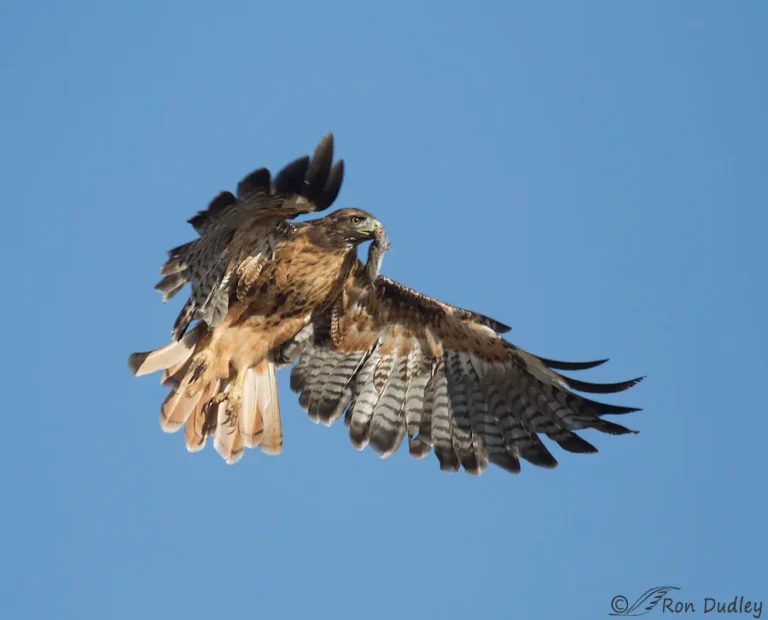
Many people are surprised to learn that bald eagles produce a high-pitched, chirping whistle rather than a fierce scream. The sound often heard in movies is actually the call of a red-tailed hawk. The eagle’s real vocalization is much softer and more delicate.
Do bald eagles migrate?
Migration depends heavily on the local climate and food supply. Eagles in northern regions often migrate south when their hunting waters freeze over. If food remains available throughout the winter, many populations remain in the same area year-round.
Can you distinguish between male and female eagles?
Visual identification of sex is difficult because males and females share the same plumage patterns. Females are typically larger than males, a trait known as reversed sexual dimorphism. If you see a pair together, the larger bird is almost certainly the female.
What should I do if I find an injured eagle?
Never attempt to handle an injured eagle yourself due to the risk of serious injury from their talons. Immediately contact your local state wildlife agency or a licensed wildlife rehabilitator for assistance. Providing a precise location and a description of the bird's condition helps professionals provide the right response.