What Do Starlings Eat
Ever seen a flock of starlings and wondered what’s on their menu? It's a pretty fascinating question because these birds are incredibly adaptable and their diet can change a lot depending on where they are and what time of year it is. Think of them as nature's opportunistic eaters, always finding something good to munch on.
We're talking about birds that can thrive in all sorts of places, from city parks to farmland and even just your backyard. Their diet is a big part of why they're so successful. A key factor in their adaptability is their omnivorous diet, meaning they eat both plants and animals, a trait supported by research from institutions like the U.S.
Department of Agriculture (USDA) concerning agricultural impacts.
Quick Answer
Starlings primarily eat insects, berries, fruits, seeds, and grains. Their diet shifts seasonally, with insects dominating in warmer months and plant matter becoming more important as it gets colder. They are highly opportunistic and will also consume human food scraps when available.
The Starling Diet: An Opportunistic Eater's Guide
Insects: The Spring & Summer Protein Punch
During the warmer months, especially spring and summer, insects are a starling’s primary food source. This isn't just for casual snacking; it's a vital period for protein intake, crucial for energy and, critically, for raising their young. Aggregate reviews of starling feeding habits show that when breeding, up to 80% of their diet can consist of invertebrates.
- Beetles: Starlings are particularly fond of ground beetles and their larvae. They’ll actively forage in lawns, fields, and gardens, using their strong beaks to probe the soil and leaf litter.
- Caterpillars: These soft-bodied larvae are a dietary favorite. Flocks might descend on trees or bushes where caterpillars are abundant, making for a notable visual.
- Grasshoppers and Crickets: As these larger insects become active, starlings will snatch them up, often on the wing or from low vegetation.
- Spiders and Worms: While not always the main component, spiders and earthworms are certainly on the menu when readily available, providing essential nutrients.
This insectivorous phase is critical for the species' reproductive success. The readily available protein allows parent birds to gather enough sustenance to feed their demanding chicks.
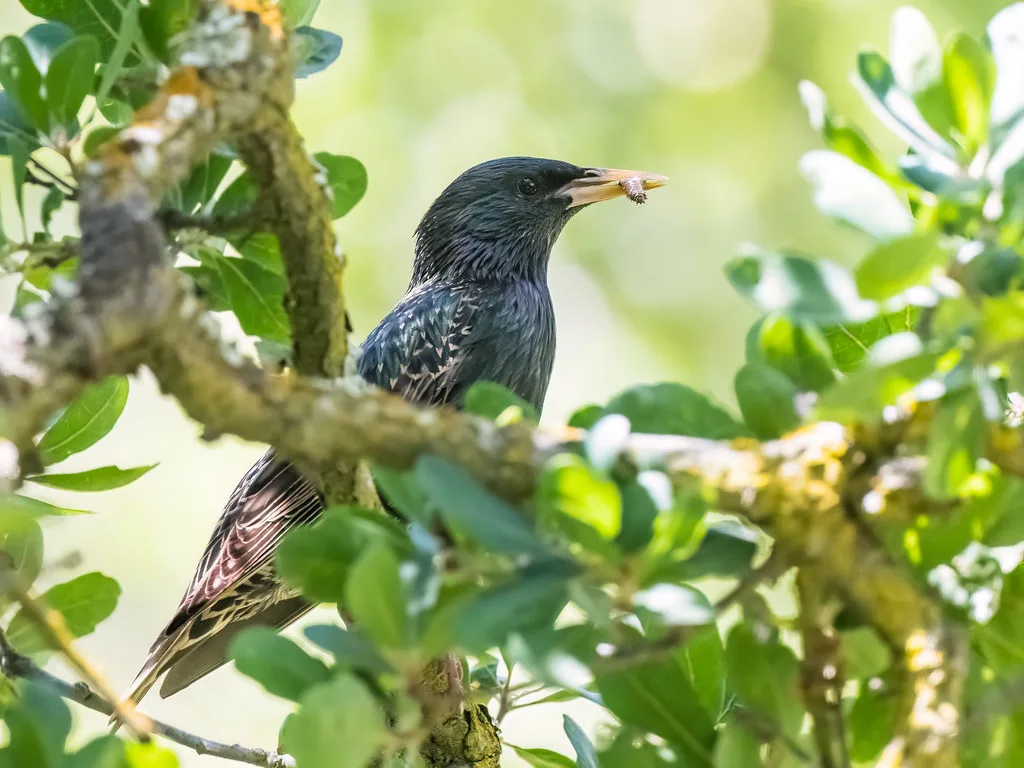
Image source: Web (Bing) / flickr.com (Web image (fair-use with source credit))
Berries and Fruit: Nature's Sweet Treats
As summer progresses into autumn, and again in late winter or early spring depending on the climate, starlings turn to fruits and berries. This offers a different kind of energy source, often high in sugars. They are particularly drawn to soft, fleshy fruits that are easy to swallow whole or in large pieces.
- Hawthorn and Elderberries: These are classic autumn staples for starlings across many regions. Flocks can decimate entire bushes in a short period.
- Serviceberries and Cherries: If available, these offer a sweet, juicy meal. They're often found in parks, hedgerows, and residential gardens.
- Grapes and Soft Fruits: In agricultural areas or gardens with fruit trees, starlings will readily eat fallen or ripening grapes, apples, and other soft fruits.
Their behavior during this fruiting season often involves large roosts where birds gather before dispersing to feed. Observations from ornithological studies suggest that the consumption of certain berries can also aid in seed dispersal for those plant species. The specific types of fruit available heavily influence the starling population's diet in a given area.
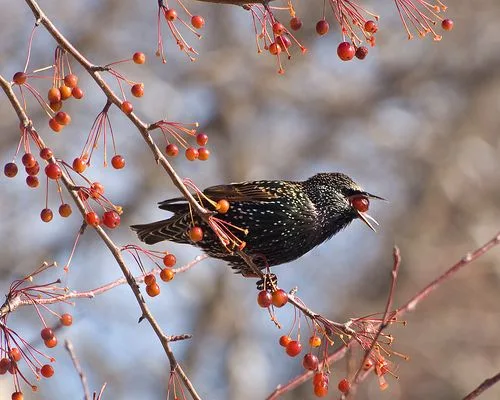
Image source: Bing (Web (fair-use with source credit))
Seeds and Grains: Winter Staples
When the insect populations dwindle and the berry bushes become bare, starlings shift their focus to seeds and grains. This is a crucial adaptation for survival during the colder, leaner months. Agricultural lands become particularly important during this period, providing vast foraging grounds.
- Fallen Grains: Starlings will scour fields after harvests, feeding on spilled wheat, barley, oats, and corn. Their ability to forage in flocks means they can efficiently locate and exploit these resources.
- Wild Seeds: They also consume seeds from various wild grasses and weeds. Their strong beaks are capable of cracking many types of seeds.
- Bird Feeders: In suburban and urban areas, bird feeders can become a significant food source. Starlings are not shy about visiting feeders, often dominating them and consuming seed mixes intended for smaller birds. Sunflower seeds and mixed grains are particularly popular.
Research by wildlife agencies indicates that during winter, seeds and grains can make up a substantial portion, sometimes over 70%, of a starling’s diet, providing the necessary carbohydrates and fats for energy. This dietary shift is essential for their survival through periods of low food availability.
Beyond Nature: Human Influence on Starling Food
It’s impossible to talk about what starlings eat without acknowledging the significant role humans play in shaping their diet. Our environments, particularly urban and agricultural landscapes, offer a wealth of readily accessible food sources that starlings have learned to exploit. This isn't always natural foraging; it's often a direct result of human activity.
- Crop Fields: Starlings are well-known for feeding on agricultural crops. They can consume significant amounts of ripening grains like wheat and barley, and they also target corn, especially when it's young or damaged. This behavior has led to them being considered a pest in some farming communities.
- Orchards and Vineyards: Similar to their fruit-eating habits in the wild, starlings will raid orchards for apples, pears, and cherries, and vineyards for grapes. Their large flock sizes can cause considerable damage to fruit crops.
- Urban Waste: In cities and towns, starlings are adept scavengers. They will feed on discarded food scraps from bins, outdoor cafes, and picnic areas. This opportunistic feeding allows them to thrive even in environments with limited natural food sources.
- Bird Feeders: As mentioned, backyard bird feeders are a direct human provision of food. While beneficial for some native bird species, starlings can dominate feeders, consuming large quantities of seed and suet.
Understanding this human influence is key to comprehending starling populations. Their adaptability to human-altered landscapes, documented in ecological studies from organizations like the North American Bird Conservation Initiative, highlights their resilience and success in human-dominated environments.
Where Starlings Find Their Food: Habitat Matters
The specific environment a starling lives in profoundly dictates its diet. They are generalists, meaning they can adapt to various habitats, but their foraging strategies and food choices will change accordingly. This flexibility is a major reason for their widespread distribution.
- Agricultural Landscapes: In rural, farming areas, starlings have access to vast fields of grains and crops. They will forage on sprouted seeds in spring and harvested grain residue in fall and winter. The open fields also host abundant insect life during warmer months, making these areas prime feeding grounds.
- Urban and Suburban Areas: Cities and towns offer a mixed bag. Parks and gardens provide insects, berries, and seeds. However, much of their diet here comes from human-related food sources, including garbage, spilled food, and bird feeders. The presence of buildings and infrastructure also creates unique foraging opportunities.
- Grasslands and Meadows: Natural grasslands provide a steady supply of insects and seeds. Starlings will often forage on open lawns, probing for earthworms and grubs, or feeding on grass seeds.
- Woodlands and Shrublands: While starlings are more commonly associated with open areas, they will forage in woodland edges and shrubby habitats, particularly for berries and insects found on or near the ground.
The diversity of habitats starlings can exploit, from manicured lawns to vast farmlands, underscores their remarkable adaptability. This allows them to maintain healthy populations across a wide range of ecological conditions.
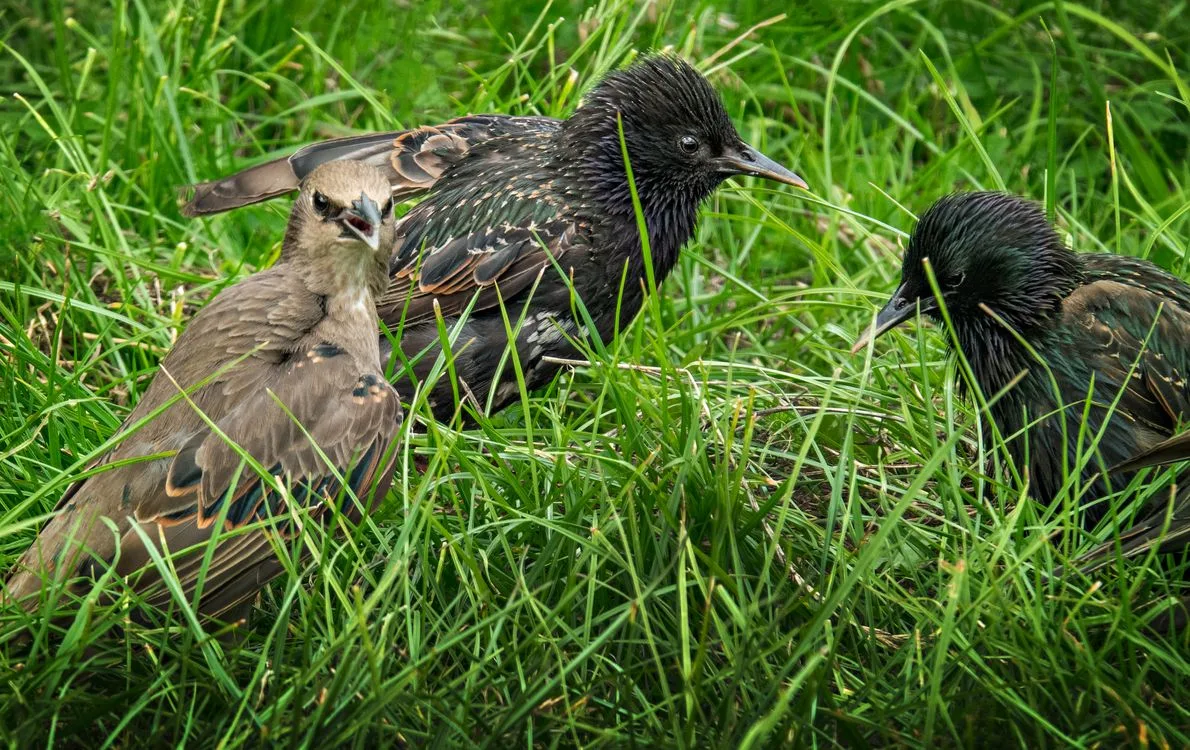
Image source: Bing (Web (fair-use with source credit))
Frequently Asked Questions
What is the primary food source for starlings?
Starlings have an omnivorous diet, but insects are their primary food source, especially during spring and summer when they are breeding and need high protein content for their young.
Do starlings eat garbage?
Yes, starlings are opportunistic scavengers and will readily eat discarded food scraps found in garbage bins, picnic areas, and around human settlements.
Are starlings bad for gardens?
Starlings can sometimes be problematic for gardens and agricultural fields as they may consume ripening fruits, berries, and grains. They can also decimate bird feeders.
What do baby starlings eat?
Baby starlings, or nestlings, are fed a diet rich in insects and other invertebrates by their parents to support rapid growth and development.
Can starlings eat seeds?
Yes, starlings consume seeds and grains, particularly during autumn and winter when insect availability decreases. They will feed on both wild seeds and agricultural grains like wheat and barley.