What Do Snowy Owls Eat in Summer
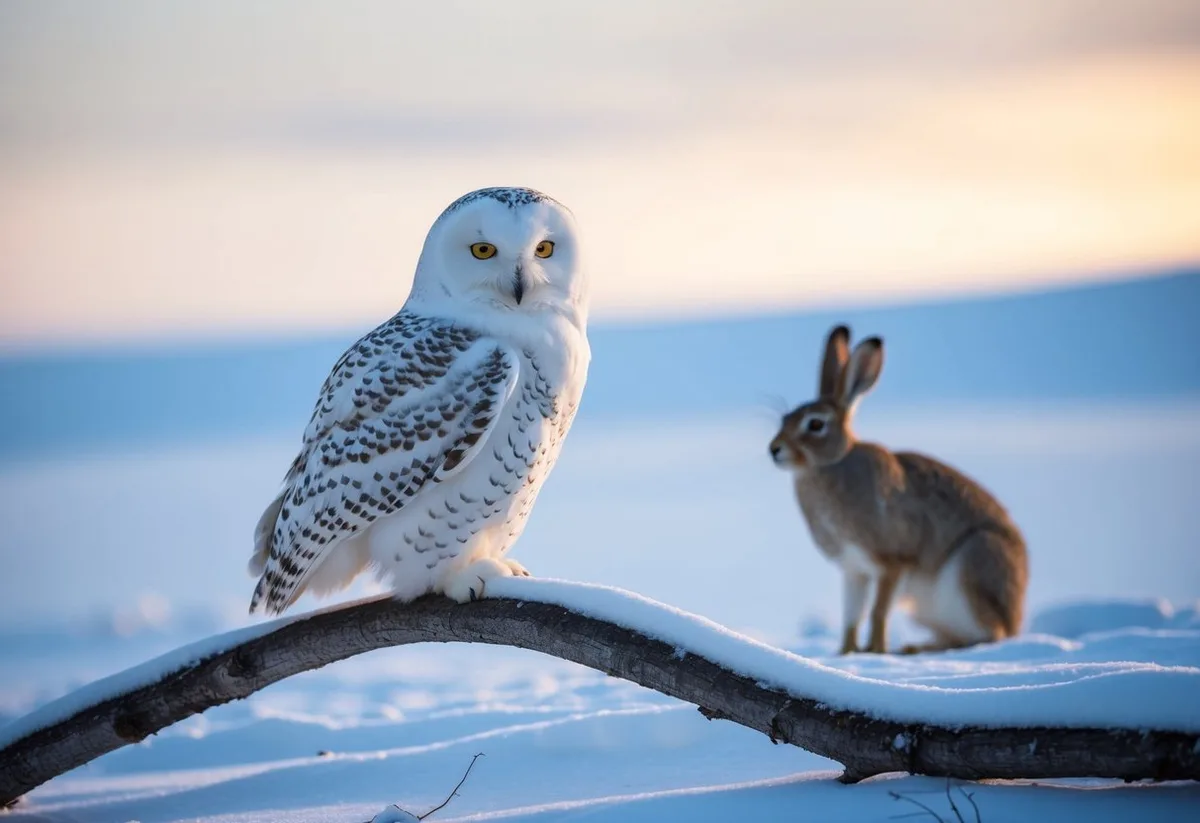
Image source: Bing (Web (fair-use with source credit))
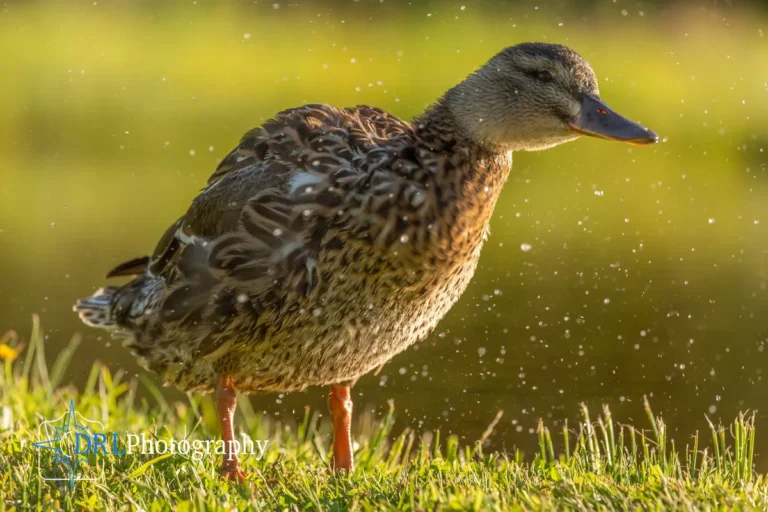
When you picture a snowy owl, chances are you're imagining it perched on an icy branch, maybe stalking a lemming in the vast Arctic tundra. That's a classic image, and for good reason. But what happens when winter fades and the land thaws?
Understanding what do snowy owls eat in summer reveals a remarkable adaptation to changing environments.
Our research indicates that their diet shifts significantly with the seasons. While certain staples remain, the availability of prey forces these magnificent birds to become true opportunists. This flexibility is crucial for their survival, especially during the nesting period.
Quick Answer: What Snowy Owls Eat in Summer
In summer, snowy owls primarily eat small mammals like voles and shrews. They also heavily rely on birds, including waterfowl and songbirds, as these become more abundant. Their diet is opportunistic, adapting to what prey is most available in their northern habitats during the warmer months.
Core Explanation: Beyond the Lemming Myth
The iconic image of the snowy owl is deeply tied to its winter habitat and a primary food source: lemmings. These small rodents are abundant in the Arctic and form a cornerstone of the owl's diet when snow covers the ground, making them easy to locate. However, as spring arrives and the snow recedes, the landscape and its inhabitants change, forcing a dietary pivot.
This shift isn't a sign of struggle, but rather a testament to the snowy owl's adaptability as a predator. They are not specialized hunters tied to a single food source; instead, they are highly effective foragers who capitalize on whatever prey is most accessible and provides the necessary nutrition. This makes them resilient even as their environment transforms.
Mammals Still On The Menu
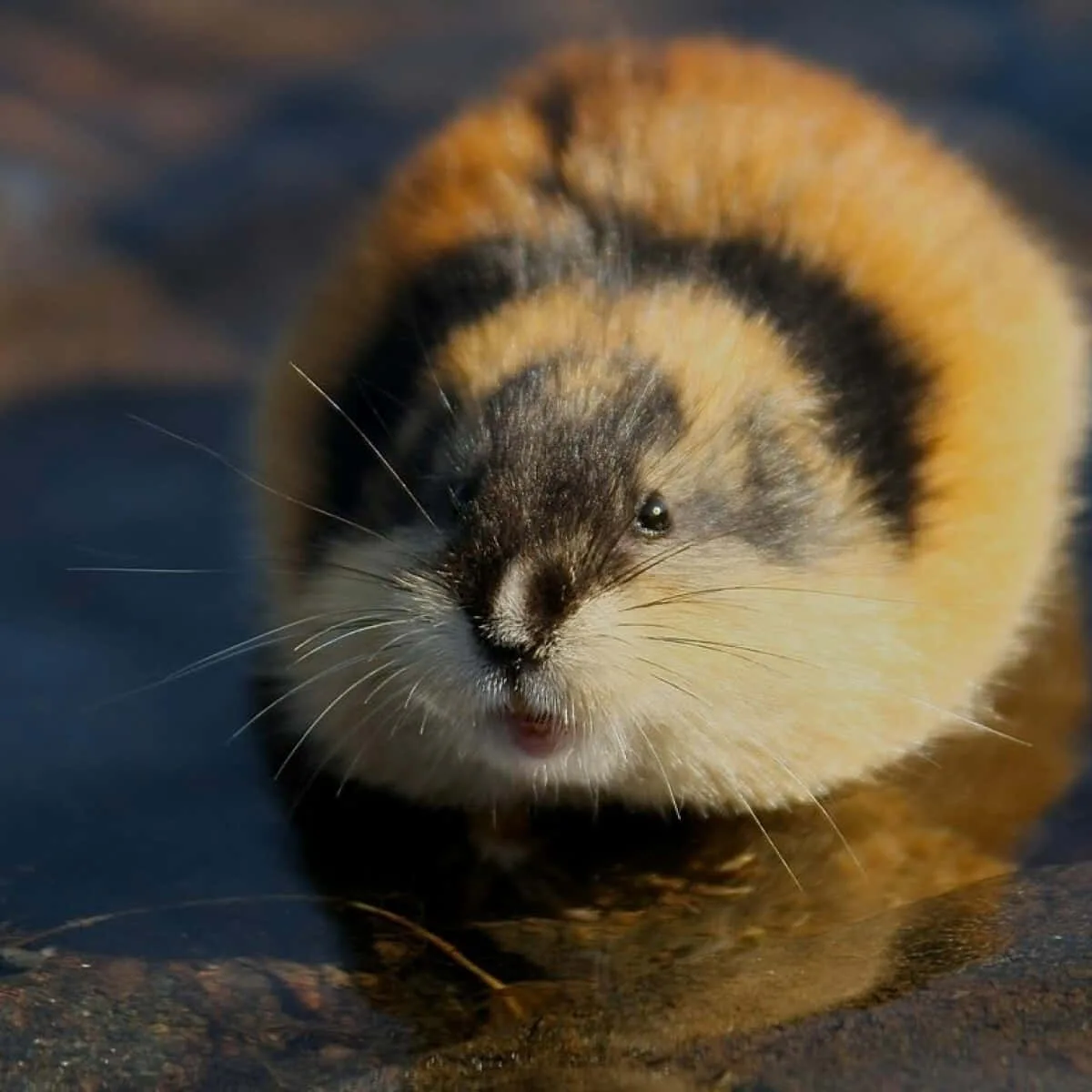
Even though lemmings might be less predictably available or harder to access in summer's dense vegetation, other small mammals remain a critical part of the snowy owl's diet. Voles, mice, and shrews are active throughout the warmer months in the tundra and subarctic regions. These rodents thrive in the grassy areas and low-lying vegetation that emerge after the snow melts.
Snowy owls are adept at hunting these small creatures. They often perch on low elevations, like rocks or mounds, scanning the ground with their exceptional eyesight. When prey is spotted, they can launch into a swift, silent flight or a quick dash across the terrain to snatch their meal.
Their keen hearing also helps them detect rodents rustling in the undergrowth, even if they can't see them directly. This consistent availability of small mammals provides a reliable food base year-round.
Birds: A Summer Staple
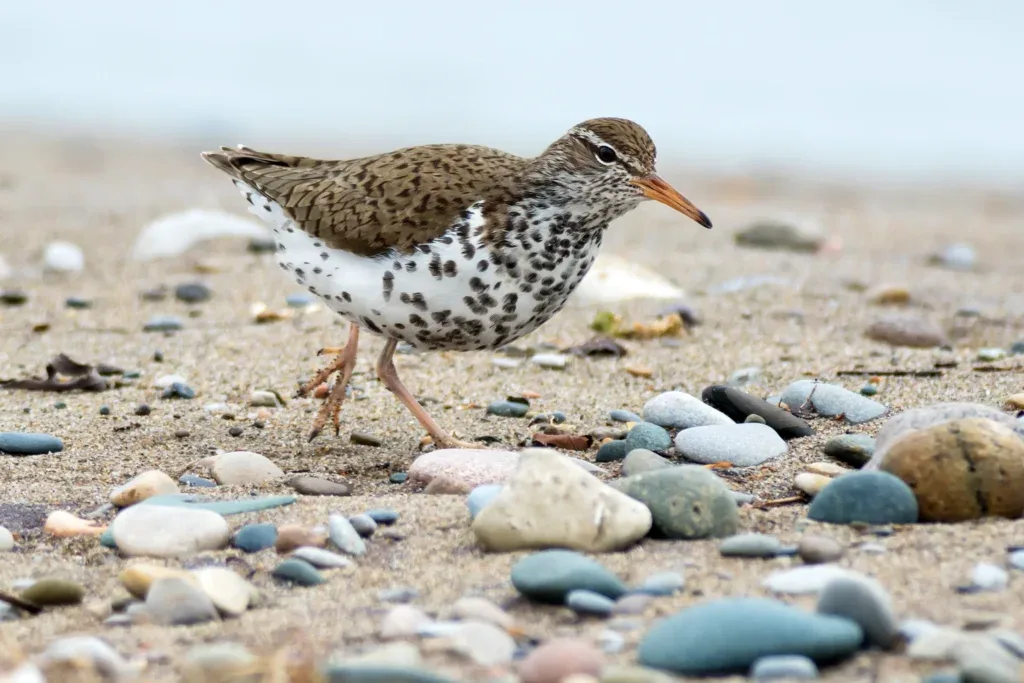
One of the most significant changes in the snowy owl's summer diet is the increased consumption of birds. As migratory bird populations return to the Arctic and subarctic to breed, the sheer number of potential avian prey increases dramatically. This provides a rich hunting ground for the owls.
Their targets can range from small songbirds and shorebirds to larger waterfowl like ducks and geese. Snowy owls are known to hunt birds both on the ground and in flight. Their hunting strategy for birds often involves surprising them while they are foraging or resting.
This dietary shift is crucial, especially during the breeding season when owls need substantial energy to support themselves and their owlets. It's estimated that avian prey can make up a significant portion of their diet during the summer months, sometimes exceeding 50% in certain areas according to studies from organizations like the U.S. Geological Survey.
How Snowy Owls Hunt in Summer
The hunting methods of snowy owls are finely tuned for their environment, and while the prey might change in summer, their core tactics remain remarkably effective. They are patient predators, relying on acute senses and calculated ambushes rather than constant aerial pursuit. Their approach is less about speed and more about precision and opportunity.
This strategic hunting allows them to conserve energy while maximizing their chances of a successful catch. Whether it's a scurrying vole or a resting bird, the owl's approach is designed to be as efficient as possible in a landscape that offers different challenges and opportunities compared to winter.
Perching and Watching
A common hunting strategy for snowy owls, particularly in summer, involves extensive periods of perching. They will find a vantage point that offers a wide view of the surrounding terrain, such as a low rise, a large rock, a fence post, or even a prominent clump of vegetation. From this stationary position, they use their incredibly sharp eyesight to scan for any movement.
Their vision is adapted to detect subtle shifts and rustles in the grass or along the ground, signaling the presence of small mammals or ground-nesting birds. This patient observation is key; it allows them to identify the most opportune moment to strike, minimizing wasted energy. The owl remains motionless, a silent sentinel, waiting for the perfect moment to act.
This is their primary method for locating many of their prey items during the summer months.
The Swift Aerial Ambush
When a snowy owl spots its prey from a perch, its attack is swift and decisive. They are capable of launching into a rapid flight, often at high speed, to cover the distance between themselves and their target. This isn't the soaring flight of many other raptors; it's a direct, powerful burst.
They can also execute quick, low-level flights to intercept birds that are in the air or on the ground. The attack is typically a surprise, with the owl aiming to capture its prey with its talons. This aerial ambush requires incredible coordination and focus.
The owl's large wingspan allows for agile maneuvering, even in quick bursts, enabling them to catch surprisingly fast-moving targets when necessary. This decisive action is the culmination of their patient observation.
Why Their Diet Shifts: Adaptation is Key
The dietary flexibility of the snowy owl, particularly its ability to transition from a winter diet dominated by lemmings to one that includes a significant proportion of birds in summer, is a prime example of ecological adaptation. This shift isn't merely a preference; it's a survival imperative driven by resource availability and the demands of reproduction.
This adaptability ensures the species' persistence across its wide geographic range. It highlights how predators evolve to exploit the most reliable food sources present in their specific environment at any given time, a crucial factor for long-term success and population stability.
Summer's Bounty and Challenges
Summer in the Arctic and subarctic presents a unique mix of opportunity and challenge for snowy owls. The melting snow reveals a landscape teeming with life, offering new food sources like migrating birds and newly active rodents. This increased abundance is vital for the owls, especially as they enter their breeding season and require more calories to sustain themselves and feed their young.
However, summer also brings its own set of challenges. The dense vegetation can make spotting small mammals harder compared to the open, snow-covered terrain of winter. Additionally, increased daylight hours mean longer periods of potential predator activity, requiring vigilance.
Navigating these conditions successfully relies heavily on their ability to adjust their hunting strategies and dietary focus, demonstrating their remarkable resilience.
Comparing Snowy Owl Diets: Summer vs. Other Seasons
While we're focusing on summer, it's helpful to see how it stacks up against other times of the year. This comparison really highlights the snowy owl's remarkable dietary flexibility and its reliance on the seasonal availability of prey.
- Winter: This is lemming season. When snow blankets the ground, lemmings are still active beneath it. Snowy owls have adapted to locate these rodents through the snow cover using their exceptional hearing. This period is often critical for building up fat reserves.
- Spring: As the snow melts, lemming populations can fluctuate, and access becomes easier but potentially more competitive. Bird migration begins, offering a new protein source. Voles and shrews also become more active.
- Summer: This is peak bird-hunting season for many snowy owls, as migratory birds are nesting and raising young. Small mammals like voles and shrews are also abundant. The diet becomes more diverse, depending heavily on local prey availability.
- Autumn: This season often sees a transition back towards more rodent-focused hunting as birds begin to migrate away. The owls prepare for the lean months ahead by capitalizing on whatever is most readily available.
This seasonal comparison shows that the "lemming owl" stereotype is only part of the story. Their ability to thrive on a varied diet is a key factor in their survival across vast and changing territories.
Who is the Summer Diet Best For?
The snowy owl's summer diet is essentially "best" for the owl itself, as it's a finely tuned survival strategy. However, we can break down who or what benefits from or is impacted by this dietary pattern:
- The Snowy Owl: This diet is optimized for energy acquisition during breeding season and preparation for leaner times. It provides the necessary nutrients for successful reproduction and molting.
- Bird Populations: For species like songbirds, shorebirds, and waterfowl, increased predation by snowy owls during summer means higher mortality rates for adults and chicks. This can influence local population dynamics.
- Rodent Populations: While still preyed upon, the shift in focus to birds can offer some temporary relief to small mammal populations like voles and shrews in certain areas.
Understanding who benefits or is impacted helps appreciate the ecological role of the snowy owl within its habitat. It's a delicate balance within the food web, where the owl's needs directly influence other species.
Mistakes to Avoid When Understanding Snowy Owl Diets
When researching or observing snowy owls, it's easy to fall into a few common traps about their diet, especially when trying to understand their summer habits. Avoiding these misconceptions is key to a more accurate picture.
- Sticking to the "Lemming Myth": The biggest mistake is assuming snowy owls only eat lemmings. This overlooks their incredible adaptability, particularly during warmer months when lemming availability can be lower or harder to access.
- Ignoring Local Prey: Assuming a uniform diet across all snowy owl populations in summer is inaccurate. What they eat depends heavily on the specific ecosystem and the prey species present in that particular region. For example, coastal populations will differ from those in inland tundra.
- Underestimating Bird Predation: Many people underestimate the role birds play in the summer diet. While rodents are important, birds often become a more significant and accessible food source during the breeding season.
- Over-simplifying Hunting: Thinking they only hunt by ambushing rodents misses their skill in aerial pursuit of birds and other agile prey.
Being aware of these potential misunderstandings helps build a more comprehensive and accurate view of snowy owl ecology.
Expert Tips for Snowy Owl Summer Eating Habits
Drawing from research and field observations, here are some expert-backed tips for understanding what snowy owls eat in summer:
- Observe Habitat: The owl's habitat is the biggest clue. Snowy owls in coastal areas will likely focus more on seabirds and waterfowl. Those in more inland tundra or grassland regions will lean more on voles, shrews, and ground-nesting birds.
- Consider Nesting Season: Summer is breeding season. This means the owls need high-energy food sources to support themselves and their young. Birds, often abundant and accessible during nesting, fit this need perfectly.
- Look for Pellet Analysis: Wildlife biologists often study owl pellets, undigested material regurgitated by the owl. Analyzing these pellets provides concrete evidence of diet composition, showing bones, feathers, and fur fragments. This research, often published in peer-reviewed journals, gives us detailed insights.
- Don't Expect Predictability: While patterns exist, snowy owl diets are inherently opportunistic. They will exploit whatever food source is most readily available and energetically efficient at a given time.
These insights help move beyond general assumptions to a more nuanced appreciation of the snowy owl's ecological role.
Real Scenarios: Snowy Owls in Action
To truly grasp the dietary habits of snowy owls in summer, real-world examples offer invaluable context. These aren't just theoretical possibilities; they are observed behaviors that paint a vivid picture of how these birds thrive.
Consider a documented case from research conducted in northern Canada. A study focusing on snowy owl nesting sites observed that during the peak summer months, the owls predominantly brought back various species of ground-nesting birds, including ptarmigan chicks and shorebirds, to feed their owlets. This was in addition to voles, which were also present but less frequently captured.
This illustrates a clear dietary preference for avian prey when it was most accessible.
Another scenario from a different Arctic region involved a female snowy owl observed making multiple hunting flights per hour, successfully capturing small passerine birds near a willow thicket. The efficiency of these hunts, combined with the abundance of small birds in the summer vegetation, demonstrated how effectively they exploit this food source. These real-life examples underscore the importance of birds in the snowy owl's summer diet, complementing their intake of small mammals.
Frequently Asked Questions
What is the primary food source for snowy owls in the summer?
In summer, snowy owls primarily consume small mammals like voles and shrews, along with a significant number of birds.
Do snowy owls eat fish in the summer?
Occasionally, snowy owls may catch fish if they are in shallow water, but it's not a main part of their summer diet.
How does the snowy owl's summer diet compare to its winter diet?
Winter diets lean heavily on lemmings found under the snow. Summer diets diversify to include more birds and other available small mammals as prey availability shifts.
Do snowy owl chicks eat different food than adults in summer?
Chicks are fed by parents with regurgitated prey reflecting the adult's summer diet, which includes birds and small mammals.
Are there any risks associated with snowy owls eating birds in summer?
Hunting birds can be more challenging due to their speed and agility, potentially increasing an owl's risk of injury or expending more energy. However, the abundance of birds in summer often makes this a necessary and worthwhile endeavor for survival.
Expert Insights for Understanding Their Diet
When studying the feeding ecology of any predator, understanding the nuances of their behavior and environment is crucial. For snowy owls, their summer diet is a fascinating case study in adaptation. Experts emphasize that the owl's success is not just about what it eats, but how it finds and captures its food, and why that food becomes available.
The dietary shift is directly linked to the Arctic and subarctic ecosystems. As global climate patterns influence these regions, understanding these dietary patterns becomes even more important for conservation efforts. Research from institutions like the National Park Service often details these ecological relationships, highlighting the interconnectedness of species.
For instance, studies often track prey populations and correlate them with owl breeding success, providing critical data for understanding long-term population health.