What Is the Rarest Bird in the World
Figuring out what is the rarest bird in the world is a bit like chasing a ghost. It’s a question that sparks endless curiosity, but the answer isn't always clear-cut. Populations fluctuate, new discoveries are made, and sometimes a species thought lost reappears.
In our research, one bird consistently stands out as a prime contender for this title: the Kakapo from New Zealand. This isn't just any parrot; it's a large, flightless, nocturnal creature facing incredible odds. As of 2024, its population is meticulously managed, numbering in the hundreds, a stark reminder of its critically endangered status as classified by the International Union for Conservation of Nature (IUCN) Red List.
Quick Answer
The Kakapo is considered the rarest bird in the world. This flightless parrot lives in New Zealand. Its population is critically endangered.
Intense conservation efforts aim to protect its future. There are only a few hundred individuals left.
What Makes a Bird "Rarest"? The Challenge of Counting
When we talk about "rarest," we’re not just talking about a small number of individuals. It’s a mix of factors that make a species exceptionally scarce and difficult to find.
Defining Rarity in the Wild
Defining rarity involves more than just a low population count. It’s about a combination of factors that make a species extremely vulnerable and hard to locate. Think about a bird that lives in a tiny, specific habitat, is incredibly shy, and breeds very infrequently.
All these things contribute to its rarity.
Why Simple Numbers Aren't Enough
Just knowing there are only, say, 300 individuals doesn't tell the whole story. We also need to consider their geographic distribution, are they all in one small spot, or spread out? How quickly are they reproducing?
Are their numbers stable, declining, or, thankfully, increasing? For example, the Kakapo's breeding cycle, which can span two to four years depending on food availability, makes population growth a slow, deliberate process. This biological reality is just as crucial to understanding rarity as the raw count itself.
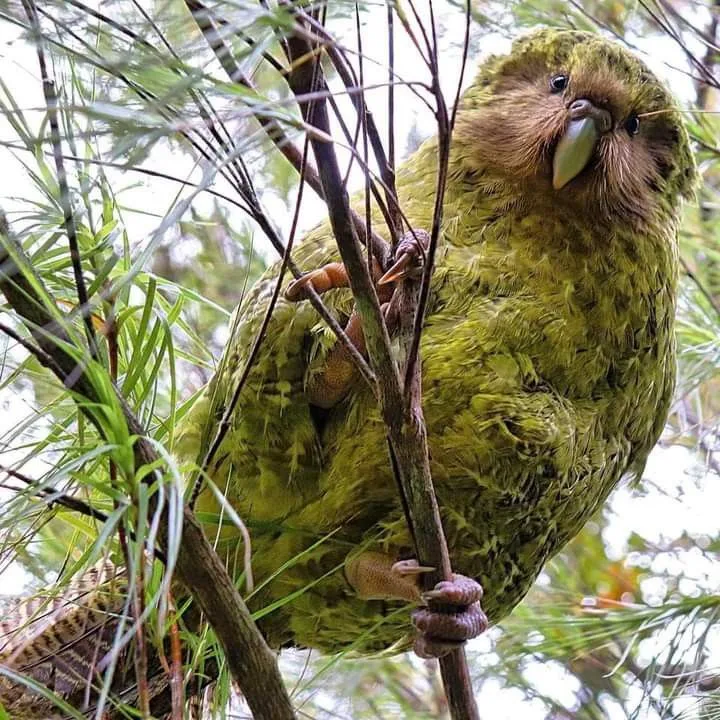
Image source: Bing (Web (fair-use with source credit))
Meet the Kakapo: A Flightless Parrot Like No Other
The Kakapo (Strigops habroptilus) is truly one of nature’s marvels, a bird that feels like a relic from another time. Its unique characteristics make it both fascinating and incredibly vulnerable.
A Glimpse at This Unique Avian
Imagine a parrot, but bigger, heavier, and unable to fly. That’s the Kakapo. These birds are stocky, weighing between 1.5 to 4 kilograms (about 3 to 9 pounds) and reaching up to 60 centimeters (2 feet) in length.
Their plumage is a striking mossy-green, mottled with brown and yellow, providing excellent camouflage against the forest floor. They also have a distinctive facial disc, similar to an owl's, which helps them funnel sounds to their ears.
Key Features of the Kakapo
What truly sets the Kakapo apart are its specific traits:
- Flightless: This is perhaps their most defining feature. They have evolved wings but lack the strength and structure for sustained flight, managing only short, clumsy hops or glides.
- Nocturnal: Kakapos are active at night, foraging for food and engaging in their unique mating rituals. During the day, they rest in dense vegetation or tree hollows.
- Unusual Breeding System: Unlike most birds, Kakapo males gather at traditional lekking sites, where they compete to attract females through booming calls and elaborate displays. Breeding only occurs when specific food sources, like the fruit of the Rimu tree, are abundant.
The Steep Climb Back: Kakapo Conservation in Action
The story of the Kakapo is a powerful case study in conservation. Without intensive, dedicated efforts, this unique parrot would likely be extinct by now.
Predator Peril and Population Plunge
The Kakapo's flightlessness and ground-dwelling habits made them easy prey for introduced predators. When humans arrived in New Zealand, they brought with them stoats, rats, and cats, which decimated Kakapo populations. By the late 20th century, their numbers had plummeted to just over 50 individuals.
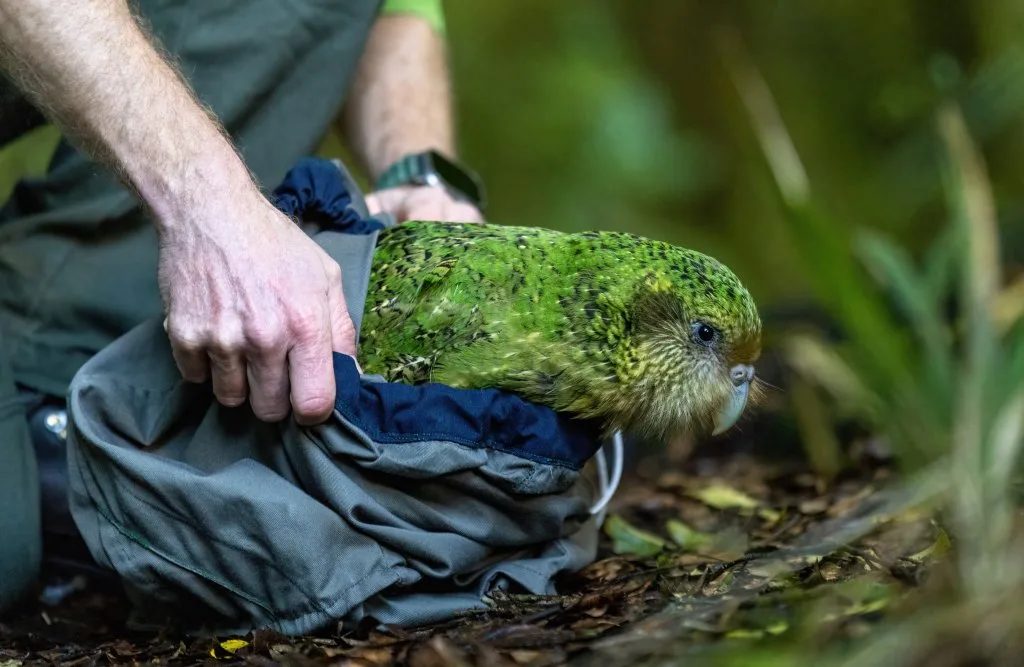
Image source: Bing (Web (fair-use with source credit))
The Island Sanctuaries: A Lifeline
To save the Kakapo, conservationists had to remove them from danger. All remaining Kakapo were relocated to predator-free offshore islands. These islands, carefully managed and monitored, provide a safe haven where the birds can breed without the constant threat of introduced predators.
This relocation was a critical step, forming the foundation of the recovery program.
Hands-On Conservation: From Nest to Fledgling
Saving the Kakapo requires an extraordinary level of human intervention. Because their breeding is so infrequent and their chicks are vulnerable, conservation teams are actively involved in every stage. This includes:
- Nest Monitoring: Teams use remote cameras and sensors to watch nests 24/7, ensuring chicks are fed and protected.
- Supplementary Feeding: When food sources are scarce, especially during non-breeding years, chicks and adults may receive supplemental food.
- Hand-Rearing: If a chick is abandoned or threatened, conservationists will hand-raise it, providing specialized care to ensure its survival. This level of involvement is a direct response to their critically endangered status.
Breeding Challenges: The Two-to-Four-Year Wait
The Kakapo's breeding cycle is one of its biggest hurdles. They typically breed only when Rimu trees and other food sources produce abundant fruit, which can happen every two to four years. This means population growth is inherently slow.
Conservationists work to understand and support these natural cycles, sometimes even using supplementary feeding to encourage breeding when conditions are otherwise favorable. The success of each breeding season is a major event, meticulously documented.
What We've Learned: Lessons from the Kakapo's Near-Extinction
The Kakapo's journey from the brink of extinction offers invaluable insights into conservation science and the challenges of protecting unique species.
The Impact of Introduced Species
The Kakapo's near-demise is a stark, real-world example of the devastating impact introduced predators can have on native wildlife. Before human settlement, New Zealand's birds had evolved without significant land-based predators, making them ill-equipped to defend themselves. This lesson underscores the critical importance of biosecurity and preventing the introduction of invasive species in vulnerable ecosystems worldwide.
The Power of Dedicated Conservation
The survival of the Kakapo is a testament to decades of tireless work by dedicated scientists, conservationists, and volunteers. Their efforts, involving meticulous monitoring, island sanctuaries, and active management of breeding, demonstrate that even species on the precipice can be recovered with sufficient resources and commitment. This ongoing program, a massive undertaking, highlights how vital human intervention can be for species facing overwhelming natural and introduced threats.
Hope for Other Endangered Birds
While the Kakapo remains critically endangered, its slow but steady recovery offers a beacon of hope. Their population has grown from a low of 51 in 1995 to over 200 individuals as of recent counts. This success story provides a blueprint and inspiration for other conservation projects targeting similarly threatened avian species.
It shows that with scientific understanding and unwavering dedication, we can make a tangible difference in preserving biodiversity.
Frequently Asked Questions
Are there other birds competing for the "rarest" title?
While the Kakapo is the most frequently cited as the rarest, other birds are also critically endangered with very small populations. Birds like the Spoon-billed Sandpiper and the Ivory-billed Woodpecker (though its existence is debated) are also considered extremely rare. Determining the absolute "rarest" can shift based on new surveys and conservation status updates.
How many Kakapo are left?
As of recent counts (typically updated annually by New Zealand's Department of Conservation), the Kakapo population stands at just over 200 individuals. This number is carefully tracked, and conservationists celebrate every new chick that hatches and survives.
What are the biggest threats to rare birds?
Habitat loss and fragmentation are the primary threats globally, reducing the space and resources birds need to survive and breed. Introduced predators, like those that devastated the Kakapo, are also a major danger to native species. Climate change, pollution, and illegal wildlife trade also contribute significantly to avian endangerment.
Can rare birds be saved?
Yes, rare birds can be saved, but it requires immense effort and often involves complex conservation strategies. Programs focusing on habitat restoration, predator control, captive breeding, and reintroduction have shown success. The Kakapo's recovery is a prime example of how dedicated, science-based conservation can pull a species back from the brink of extinction.