Can Seagulls Drink Seawater
It's a common question when you're watching seagulls soar over the ocean or peck along the shoreline: can seagulls drink seawater? The straightforward answer is yes, they can, thanks to some incredible biological adaptations. Unlike most animals, including us, seagulls have a special system that allows them to process the high salt content found in ocean water, preventing dehydration.
This ability is crucial for their survival in marine environments. Their bodies are finely tuned to manage water and salt balance, a feat that requires a specific physiological mechanism found in many seabirds. The key to this process lies in specialized glands that work to filter out excess salt, a marvel of natural engineering that we'll explore further.
Quick Answer
Yes, seagulls can drink seawater. They possess specialized salt glands, typically located above their eyes, which efficiently excrete excess salt from their bloodstream. This adaptation allows them to stay hydrated in marine environments where freshwater is scarce.
How Seagulls Make Seawater Drinkable
It all comes down to some pretty specialized biology. Their bodies have evolved to handle the high salinity of seawater, which would be toxic to many other creatures. This process is a masterclass in avian osmoregulation, the biological process that maintains a stable internal salt and water balance.
The Salt Glands: Nature's Built-in Filter
Seagulls, along with many other seabirds, have a unique pair of organs called salt glands. These glands are located just above their eyes, nestled into a groove in the skull. Think of them as hyper-efficient filters, specifically designed to handle salt.
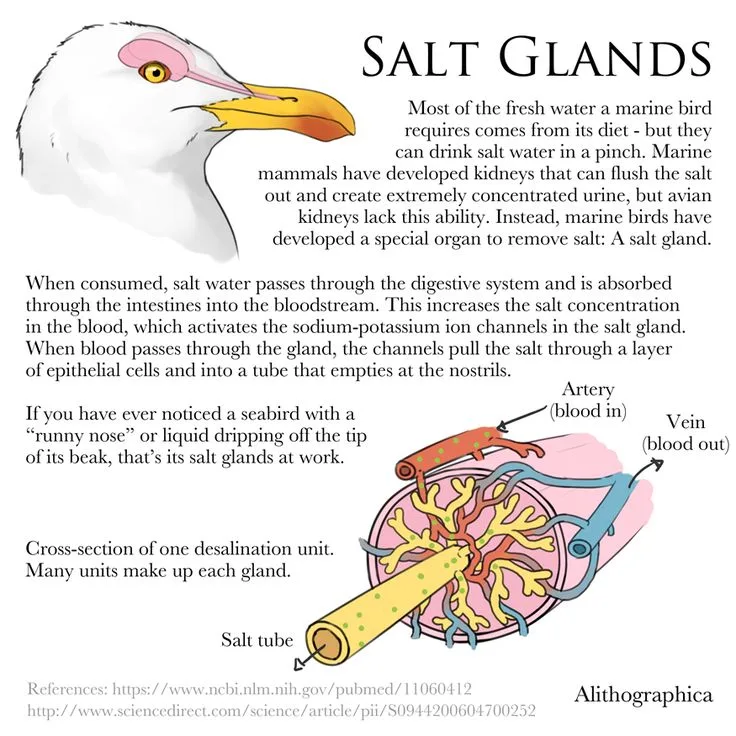
Image source: Bing (Web (fair-use with source credit))
These glands are highly vascularized, meaning they have a rich blood supply. This allows them to quickly extract salt from the blood that flows through them. For many seabird species, these glands are essential for life in a saltwater environment, acting as their primary mechanism for salt excretion.
According to research in avian physiology, the salt glands are capable of producing a secretion that is more than twice as concentrated as seawater itself.
The Secretion Process: Getting Rid of the Excess Salt
Once the salt glands have concentrated the excess salt, it needs to be expelled from the body. This is typically done through the bird's nasal passages. When a seagull drinks seawater, the water is absorbed into its system, and the salt is then actively transported from the blood to the salt glands.
The glands then produce a highly concentrated saline solution. This solution trickles down through ducts that lead to the nostrils. You might sometimes see seagulls shaking their heads or dripping from their beaks, especially after drinking; this is often the release of that concentrated salt solution.
It’s a constant, low-level release for many birds, but it ramps up significantly when they're actively drinking seawater to maintain their internal fluid balance. This efficient expulsion prevents the buildup of salt in their tissues, which could otherwise lead to severe dehydration and organ damage.
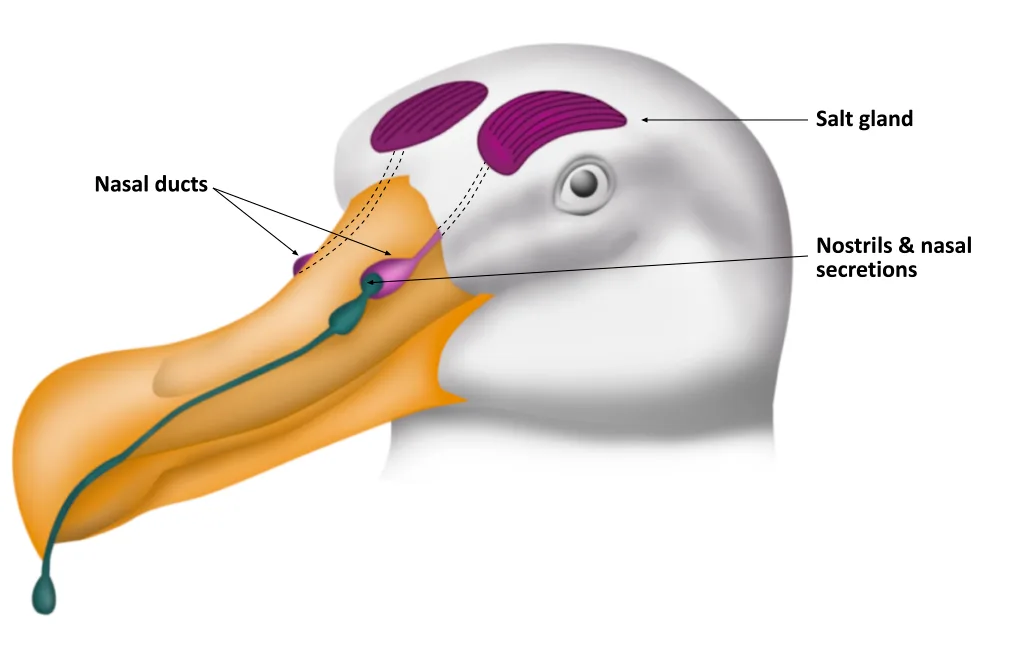
Image source: Bing (Web (fair-use with source credit))
Why Freshwater Is Still Their First Choice
While seagulls possess an incredible ability to process seawater, it's important to understand that freshwater is still their preferred source of hydration. Drinking seawater requires significant energy expenditure for their salt glands to function effectively. It's a vital adaptation for survival, but not their ideal daily routine.
If given the choice, a seagull will readily drink from freshwater sources like puddles, streams, or even rain collected on surfaces. Their kidneys are also capable of producing urine, and while they can excrete some salt through them, it's far less efficient than the specialized salt glands. Relying solely on seawater would put a constant strain on their system, so they utilize it when necessary, but conserve energy by opting for freshwater whenever available.
This preference is common across many species that have adaptations for saline environments; they'll use the special tool when they must, but the simpler solution is always better.
The Risks of Salt Overload for Birds
Salt overload, also known as hypernatremia, is a serious condition that can affect any animal, including birds, if their bodies cannot properly manage their salt intake and excretion. For birds without specialized salt glands, drinking even a small amount of seawater can lead to rapid dehydration. The high concentration of salt in the ingested water draws water out of the body's cells and into the digestive tract, attempting to dilute the salt.
In birds like seagulls, while their salt glands are highly effective, there are still limits. If a bird ingests an extreme amount of salt very quickly, or if its salt glands are compromised due to illness or injury, it can still suffer from salt overload. Symptoms can include lethargy, weakness, tremors, and ultimately, organ failure.
This highlights why their natural behaviors, like preferring freshwater and drinking seawater only when needed, are so critical for their health and survival.
When Do Seagulls Rely on Seawater?
Seagulls primarily turn to drinking seawater out of necessity, especially when freshwater sources are scarce. This often occurs in their natural marine habitats where they spend a significant amount of time foraging at sea or on coastlines far from freshwater bodies. Drought conditions can also push birds to rely more heavily on saltwater if freshwater sources dry up.
Their foraging behavior often takes them far from land, making seawater their only accessible water source for extended periods. They might drink while resting on the ocean's surface or during flight if the opportunity arises and they are thirsty. While they can survive for a time without drinking, especially by getting moisture from their food, actively drinking seawater ensures they maintain adequate hydration levels for essential bodily functions, particularly during migration, breeding, or periods of high activity.
Real-World Scenarios: Seeing It in Action
We often see seagulls gathered near piers or beaches, and if you look closely, you might notice them occasionally dipping their beaks into the water. This isn't just random pecking; it's a deliberate act of drinking. For instance, after a storm churns up the ocean, seagulls might be seen drinking directly from the waves.
This is a prime example of them utilizing their salt glands when less accessible freshwater sources are disturbed or unavailable.
Another scenario involves seagulls nesting or resting on rocky outcrops or even boats that are far out at sea. Here, their primary water source is inevitably saltwater. They will drink from any available pools or directly from the surrounding ocean.
Their ability to manage this salinity is what allows them to thrive in these offshore locations, where birds without such adaptations would quickly become dehydrated and perish.
Frequently Asked Questions About Seagulls and Saltwater
Do all seagulls drink seawater?
Yes, all species of seagulls are equipped with salt glands and can drink seawater. This is a defining characteristic that allows them to inhabit coastal and oceanic environments.
What happens if a seagull drinks too much seawater?
If a seagull's salt glands are functioning properly, they can process large amounts of seawater. However, if the glands are impaired or the salt intake is excessively rapid, they can suffer from dehydration and salt toxicity, similar to other animals.
Can other birds drink seawater?
While seagulls are well-known for this ability, many other seabirds, such as albatrosses, petrels, and pelicans, also possess functional salt glands and can drink seawater. Land birds, however, generally lack these specialized glands and cannot tolerate drinking saltwater.