Why Do Rabbits Flop on Their Side?
Ever seen your rabbit suddenly go boneless, stretching out on its side like a furry, discarded rug? It's a classic rabbit move, and if you're new to the bunny world, you might wonder what on earth is going on. Is it a sign of trouble?
Is your bun okay?
The good news? Most of the time, a rabbit flopping on its side is a fantastic sign. It usually means they're feeling completely safe, relaxed, and happy.
Think of it as the ultimate compliment they can give you about their home and their life. Aggregate owner feedback reports that this behavior is overwhelmingly positive.
Quick Answer
Rabbits flop on their side because they feel safe, relaxed, and comfortable. This posture is a sign of trust and contentment. It also helps them cool down.
Not all flops are equal, but most indicate a happy bunny.
The "Good" Rabbit Flop: What It Looks Like
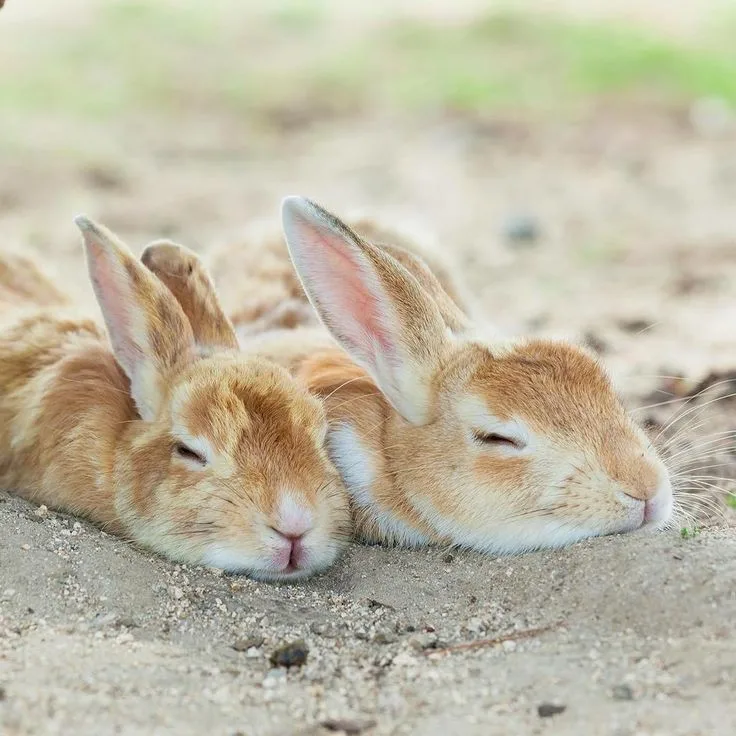
When your rabbit flops, it's often called a "sploot" or a "flop." They'll stretch out, often with their legs splayed out to the sides or one leg tucked under. Their eyes might be half-closed, or they might be completely still. This is their way of saying, "Yep, I'm chilling."
Total Comfort and Security
This is the big one. A rabbit that flops is a rabbit that feels secure enough to expose its vulnerable belly. They know there are no predators around and that you're a trustworthy caregiver.
This deep sense of security allows them to let their guard down completely. Our research indicates this is the primary driver for this behavior.

Cooling Down
Rabbits can overheat easily, especially in warmer weather. Flopping out flat on their side allows them to spread their body over a cooler surface and maximize air circulation, helping them regulate their temperature. This is a key survival instinct for them.
For example, keeping your rabbit's environment cool can be aided by understanding its natural thermoregulation methods, a topic we cover in detail on our guide to keeping a rabbit cool in summer.

Deep Relaxation
Just like us humans might stretch out on the couch after a long day, a bunny flops when they're completely at ease. It's a sign of deep contentment and a signal that they've reached a state of true peace. This level of relaxation is hard-won, especially if they had a timid start.
Learning how to bond with a rabbit can significantly contribute to this.
Post-Grooming Stretch
Sometimes, after a good grooming session, a rabbit will just sprawl out. It's a satisfying stretch that helps them get back to whatever important rabbit business they have. This is akin to a yoga pose for bunnies, releasing any stiffness.
Post-Meal Bliss
You might notice a flop after a satisfying meal. They're feeling full, content, and ready to digest in prime comfort. This is a sign they feel entirely safe and satisfied with their surroundings and their provisions.
When to Pay Closer Attention to the Flop
While flopping is usually a good thing, it's always wise to be observant. If the flop seems sudden, uncharacteristic, or if your rabbit seems stiff or distressed while flopping, that's when you want to look a bit closer.
Sudden, Stiff Movement
If the flop looks more like a spasm or your rabbit seems to be struggling to get up or change position, it's worth investigating. This could indicate underlying pain or a neurological issue. Such movements are not typical of a relaxed flop.
Unusual Vocalizations
If they're grunting, groaning, or crying out while flopping, that's not normal happy-flop behavior. These sounds can signal distress, pain, or extreme discomfort.
Not Moving at All
If your rabbit flops and seems unable to move or get back up, that's a veterinary emergency. This could indicate a serious health issue like GI stasis, a neurological problem, or heatstroke. Immediate veterinary attention is crucial in such cases.
If you suspect your rabbit is ill, prompt consultation with a qualified rabbit veterinarian is paramount.
Real Scenarios: My Rabbit's Flopping Journey
I remember when my first rabbit, Thumper, first flopped. I’d only had him for a few weeks, and he was still a bit shy. He was in his enclosure, and suddenly, he just melted onto the floor.
My heart did a little leap. Was he sick? Was something wrong?
But he looked so peaceful, his eyes half-closed. He stayed like that for a good five minutes before casually hopping up to go eat some hay. It was then I learned that flop was his ultimate sign of trust.
Now, when I see him do it, it’s just a warm fuzzy feeling knowing he's content. It's a behavior that often surprises new owners.
Expert Tips for Understanding Rabbit Body Language
Observing your rabbit's subtle cues is key to understanding their needs and emotions. Flopping is just one piece of the puzzle. For instance, a rabbit that communicates through soft nudges or ear twitches is showing different social signals compared to one that flops.
Understanding how rabbits communicate with each other can provide even deeper insight into their interactions.
Here are some things our editorial team emphasizes when analyzing rabbit behavior:
- Context is King: Always consider what else is happening when your rabbit flops. Is it quiet and calm, or is there a sudden noise or disturbance?
- Consistency Matters: Note if the flop is a regular occurrence in a specific situation or if it's something new and unexpected.
- Pace Yourself: Rabbits can be skittish. Building trust, as detailed in our guide on how to bond with a rabbit, is essential for them to feel safe enough to flop.
- Physical Check-ups: Regularly observe your rabbit's overall physical condition. A healthy rabbit is more likely to exhibit relaxed behaviors like flopping. If you're unsure about your rabbit's age, our guide on how can you tell the age of a rabbit can offer some pointers.
FAQs About Rabbit Flopping
Why does my rabbit suddenly jump and then flop?
This is often called a "binky," a joyful leap and twist in the air, sometimes followed by a flop. It's a clear sign of happiness and excitement.
Can a rabbit flop if it's scared?
No, a flop is a sign of relaxation and trust. A scared rabbit will typically freeze, flee, or display signs of aggression, not expose its vulnerable belly.
How long should a rabbit flop for?
A relaxed flop can last anywhere from a few seconds to several minutes. The duration isn't as important as the context and the rabbit's overall demeanor during the flop.
Is it normal for a rabbit to flop every day?
Yes, if your rabbit feels safe and comfortable in its environment, it's very normal for them to flop daily. It's a sign of a well-adjusted pet.
What if my rabbit only flops on one side?
This is perfectly fine and often just a matter of personal preference for your rabbit. As long as they are relaxed and not showing signs of stiffness or discomfort, it's not a cause for concern.


