How Do Rabbits Communicate With Each Other?
Rabbits, those often misunderstood lagomorphs, have a surprisingly complex way of chatting with each other. If you've ever wondered how do rabbits communicate with each other, it’s not just about twitching noses or wiggling ears; it's a full-body, nuanced language. Understanding their signals is key to ensuring they're happy, healthy, and getting along.
This intricate communication system relies heavily on visual cues, sounds, and even scent. For instance, research from the House Rabbit Society highlights that a single ear twitch can convey a specific meaning, but it’s often the combination of ear position, tail movement, and vocalization that paints the complete picture. Let’s break down what your rabbit might be trying to tell you.

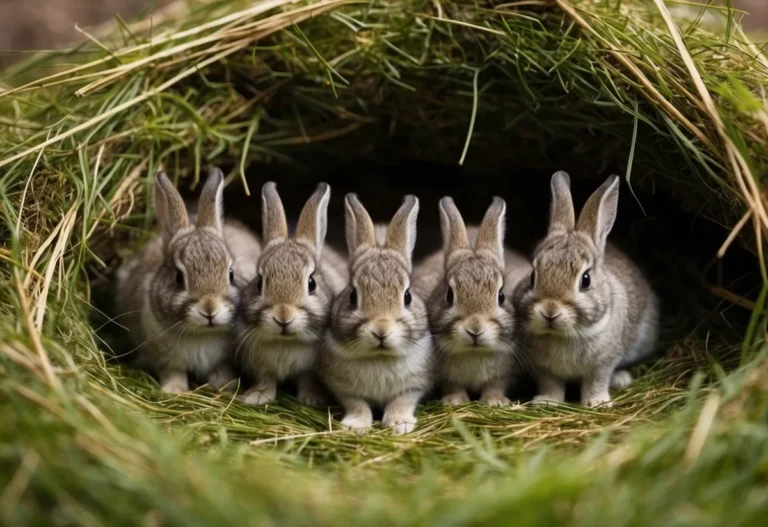
Image source: Web (Bing) / naturepl.com (Web image (fair-use with source credit))
Quick Answer
Rabbits communicate using a combination of body language, vocalizations, and scent marking. They signal emotions like fear, contentment, and annoyance through ear and tail positions, posture, and sounds like thumping or purring. Understanding these cues helps owners better care for their pets.
Why Seeing is Believing: Rabbit Communication
When we think about how animals communicate, we often picture dogs barking or cats meowing. Rabbits, though, tend to be a bit quieter, and their "conversations" are much more visual. They use a whole symphony of body language, from the tip of their nose to the flick of their tail, to express themselves.
It's like watching a silent movie where every subtle shift tells a story.
Because so much of their communication is non-verbal, it's incredibly easy to miss what they're saying if you're not paying close attention. This is where the "seeing is believing" part comes in. We'll explore the specific signals they use, but honestly, the best way to get a handle on it is to watch actual rabbits interacting.
Think of this guide as your visual dictionary, but the real learning happens when you observe your own bunnies.
Ears, Tails, and Noses: Reading the Visual Signals
Ear Talk: What Their Position Means
A rabbit's ears are incredibly expressive, acting like little antennae that broadcast their mood. Most breeds have prominent ears, making their position a primary way they communicate their awareness and emotional state. Paying attention to how their ears are held can tell you a lot about whether they're relaxed, curious, or even a bit nervous.
- Forward and Alert: Ears pointed straight forward, swiveling slightly to catch sounds, usually mean your rabbit is curious and paying attention to something. This is a common stance when they’re exploring or if they hear an interesting noise.
- Relaxed and Slightly Sideways: If their ears are relaxed, perhaps slightly to the side or flopped over (depending on breed), it generally signals that they feel safe and content in their surroundings. They’re not on high alert.
- Flattened Back: Ears pressed tightly against their head, sometimes even looking slightly tucked, are a clear sign of fear, stress, or aggression. This is when you should be cautious and give them space.

Image source: Bing (Web (fair-use with source credit))
Tail Tales: A Flick Says a Lot
A rabbit's tail might seem small, but its movements and position are packed with meaning. It's not just a fluffy appendage; it’s a key indicator of their emotional state, especially when combined with other body language. A still tail can mean contentment, while a flicking or raised tail signals something else entirely.
- Held High: A tail held upright, especially when combined with alert ears, can signal excitement or a readiness to flee. Think of it as a flag going up that something has caught their attention, good or bad.
- Flicking or Twitching: A quick flick or twitch of the tail often indicates agitation, annoyance, or a warning. If your rabbit is flicking its tail while you're petting it, it might be time to stop.
- Curled Under: This can sometimes indicate fear or submission, especially when paired with a lowered body posture.
Nose Knows: Twitching and Beyond
The constant twitching of a rabbit's nose is more than just adorable; it's a sign of how aware they are of their environment. This rapid movement helps them process scents and air currents, providing them with a constant stream of information about what's going on around them. While a twitching nose is a sign of an alert rabbit, the speed and context matter.
- Normal Twitching: A steady, rhythmic twitch is normal for an alert and healthy rabbit. It means they are aware and taking in their surroundings.
- Rapid Twitching: If the nose twitching becomes extremely rapid and is combined with other signs of stress like flattened ears or a tense body, it could mean they are anxious or feeling threatened.
- Stopped Nose Twitching: If a rabbit completely stops twitching its nose for an extended period, especially if it's also displaying other signs of distress, it could be a sign of serious illness or shock and warrants immediate attention from a vet.
The Sound of Silence (and Not So Silent): Vocal Cues
While rabbits aren't exactly known for being loud, they do have a vocabulary of sounds that are crucial for understanding their needs and moods. These vocalizations range from gentle expressions of happiness to sharp alarms. Knowing these sounds can help you distinguish between a contented pet and one that's feeling anxious or threatened.
Happy Grunts and Purrs vs. Grinding Teeth
It’s easy to confuse some rabbit sounds, especially the ones that sound a bit like purring. However, there are distinct differences in what these noises signify, and mistaking one for the other can lead to misinterpreting your rabbit's emotional state.
- Soft Grunting or "Clucking": These are generally happy sounds, often heard when a rabbit is relaxed and feeling affectionate. They might make these noises when being petted or when interacting with a bonded companion in a calm setting. It's a sign of contentment.
- Teeth Grinding (Low-Volume Purr/Chatter): This is also a positive sign! It sounds like a gentle grinding or soft chattering noise. It’s often compared to a cat's purr and indicates deep relaxation and happiness. Think of it as a very happy sigh of contentment.
- Teeth Grinding (Loud, Harsh "Screech"): This is the opposite of a happy purr. A loud, sharp, grating sound of teeth grinding is a sign of severe pain or distress. If you hear this, your rabbit needs immediate veterinary attention.
The Danger Signal: Foot Thumping
One of the most common and easily recognizable rabbit vocalizations is foot thumping. This isn't a happy sound; it's a loud, distinct thud that resonates through the floor. It's their way of sounding an alarm, and it’s important to understand what might be triggering it so you can address the situation or ensure your rabbit’s safety.
- What it means: Foot thumping is a warning signal, similar to a deer’s tail flagging. It’s typically used when a rabbit feels threatened, scared, or intensely annoyed. It can be directed at perceived predators (like a dog or cat), a sudden loud noise, or even a human who has done something the rabbit dislikes, such as trying to pick them up when they don’t want to be.
- Why they do it: By thumping their hind foot, rabbits try to alert other rabbits in the vicinity to danger. They might also thump as a way of expressing their own fear or anger. If your rabbit thumps at you, it's a clear sign that you've crossed a boundary.
- What to do: If you hear thumping, stop what you're doing. Assess your surroundings for any potential threats. If the thumping is directed at you, give your rabbit space and reconsider your interaction. Ensure their environment is secure and free from frightening stimuli.

Image source: Web (Bing) / bunnylady.com (Web image (fair-use with source credit))
Scent and Touch: Subtle Ways Rabbits Connect
Beyond their ears, tails, and vocalizations, rabbits also rely on scent and physical touch to communicate important messages to each other and to us. These methods are often less obvious but play a significant role in establishing social bonds, marking territory, and conveying information that might not be communicated through sight or sound alone.
Chin Rubs: Claiming Territory and Belonging
One of the most distinctive scent-marking behaviors in rabbits is chin rubbing. Rabbits have scent glands located on their chins, and they use these glands to deposit their unique scent on objects or even people. This isn't just about leaving a smell; it's a way of saying, "This is mine," or "I am here."
- Territory Marking: When a rabbit rubs its chin on furniture, toys, or corners of their enclosure, they are marking their territory. This scent helps them feel secure and claim their space. It's a normal behavior for rabbits and indicates they feel comfortable in their environment.
- Social Bonding: Rabbits also use chin rubs to mark their bonded companions. If two rabbits are grooming each other and one rubs its chin on the other, it's a way of reinforcing their social bond and sharing their scent, helping them feel like a unified group.
- Identifying with You: If your rabbit occasionally rubs its chin on you, it's a sign of affection and acceptance. They are essentially marking you as part of their social group, letting you know they feel safe and comfortable around you.
Licking and Grooming: Social Bonds and Affection
Licking and grooming, known as allogrooming when done between rabbits, are vital social behaviors. These actions go beyond simple hygiene; they are powerful forms of communication that build and maintain relationships within a rabbit colony or between rabbits and their human companions.
- Affection and Trust: When a rabbit licks you, it's a strong sign of affection and trust. They are essentially grooming you as they would a member of their own family. It’s their way of showing they care and feel safe in your presence.
- Social Bonding: In multi-rabbit households, allogrooming is crucial for cementing relationships. Rabbits will groom each other’s heads and ears, places they can’t easily reach themselves. This mutual grooming reinforces their bond, reduces stress, and strengthens their social hierarchy.
- Care and Comfort: Sometimes, a rabbit might lick you or another rabbit as a way of offering comfort, especially if one of them is feeling unwell or stressed. It's a subtle but meaningful way to show support within the social group.
Putting It All Together: Understanding the Full Picture
It's really easy to get caught up in understanding individual signals, like what a flattened ear means or what a thump signifies. But the truth is, rabbits rarely communicate using just one cue. Their messages are usually a complex combination of body language, vocalizations, and even scent.
To truly understand your rabbit, you need to learn to read the whole conversation.
Reading Combinations: Signals Aren't Isolated
Think of it like understanding human body language. A smile alone can mean many things, but when combined with a relaxed posture and open arms, it clearly signals friendliness. Similarly, a rabbit’s ear position is important, but it means more when you consider their tail, how tense their body is, and if they’re making any noises.
For example, ears might be slightly back, but if the rabbit is loafing comfortably with its nose twitching rhythmically, it’s likely relaxed. However, if those same ears are back and flattened, the body is hunched, and they're staring intensely at something, that’s a sign of fear or aggression. You’re looking for a confluence of signals.
Common Misinterpretations and What They Mean
One of the biggest pitfalls for new rabbit owners is misunderstanding what their pet is trying to say. This can lead to unintentional stress for the rabbit or missed opportunities for bonding. Getting these cues right is essential for building a trusting relationship.
- The "Purr" Misunderstanding: As we touched on earlier, that gentle teeth grinding or soft chattering is a sign of happiness. However, loud, harsh teeth grinding is a sign of severe pain. Owners might mistakenly assume any grinding is a good thing and miss a critical sign of distress. Always listen to the quality of the sound.
- Nipping vs. Biting: A soft nip can sometimes be a gentle nudge for attention or a way to establish boundaries, akin to a soft bite from a puppy. However, a hard bite is a definitive sign of fear, aggression, or pain. It's crucial to differentiate between these to understand if your rabbit is simply being playful or needs to be left alone.
- "Aggressive" Body Language: Sometimes, a rabbit’s defensive posture, like thumping or baring its teeth, might seem aggressive. But often, it's a response to feeling threatened. Understanding what initiated the reaction is key to knowing how to de-escalate the situation and make your rabbit feel safer.
Real-Life Rabbit Chats: Examples in Action
To really grasp how rabbits communicate, let's look at some scenarios you might see in your own home or when observing rabbits. These aren't just theoretical; they're common interactions that illustrate the points we've been discussing.
- The Contented Pet: Imagine your rabbit is relaxed in a corner, perhaps grooming itself. Its ears might be slightly to the side or flopped over (if it’s a lop breed), its nose twitches steadily, and its body is in a "loaf" position with paws tucked underneath. Occasionally, you might hear a soft, low grunt or a gentle teeth-grinding sound. This rabbit is feeling secure, happy, and perfectly content.
- The Curious Explorer: Your rabbit suddenly perks up, ears pointing forward and swiveling, nose twitching rapidly. It might take a few hops forward, then freeze, head raised, taking in its surroundings. This rabbit is alert, curious, and possibly investigating a new sound or smell. It's not necessarily scared, just highly aware.
- The Annoyed Companion: You're petting your rabbit, and it suddenly stops nuzzling into your hand. Its ears flatten slightly against its head, and you feel a distinct, sharp flick of its tail. This rabbit is signaling that it’s had enough petting for now and wants you to stop. Respecting this boundary is important for maintaining trust.
- The Scaredy-Bunny: A loud noise, like a door slamming, or the sudden appearance of a strange pet, can cause a rabbit to go into full alarm mode. You'll likely see flattened ears, a tense, low-to-the-ground body, dilated pupils, and a powerful thump of its hind leg. This rabbit is terrified and signaling imminent danger. Give it space and remove the perceived threat if possible.
When Rabbits Just Can't Agree: Conflict Signals
Not all rabbit communication is about happiness and comfort; sometimes, it’s about establishing dominance, defending territory, or expressing serious displeasure with another rabbit. These signals can be intense and are crucial for understanding social dynamics in multi-rabbit households. It’s when things get a bit heated in the rabbit world.
- Lunging and Chasing: If one rabbit lunges at another or actively chases it around the enclosure, it's a clear sign of aggression or attempts to establish dominance. The rabbit being chased will often show signs of fear, such as a hunched posture and flattened ears.
- Boxers' Stance: A rabbit might sit up on its hind legs, front paws raised, and stare intently at another rabbit. This is a dominant display, asserting superiority. The rabbit below might respond by lowering its head or showing submissive signals.
- Nipping and Biting: While a soft nip can be gentle, hard nipping or biting between rabbits is a serious conflict. This is often used to enforce personal space, to get a message across quickly, or as part of a dominance dispute. It’s a direct way of saying "back off."
- Growling and Hissing: Though less common than thumping, some rabbits can make low growling or hissing sounds when they are feeling particularly aggressive or defensive. These sounds often accompany other aggressive body language and are a strong indicator of imminent conflict.
- Chinning: While chinning is also used for scent marking territory, when done aggressively towards another rabbit, it's a clear dominance assertion. The rabbit will push its chin against the other, leaving its scent and physically asserting its position.
Your Rabbit's Language: Tips for Owners
Understanding your rabbit's communication is a skill that develops over time with observation and practice. It’s not just about knowing what a thump means; it's about learning your individual rabbit's quirks and the subtle nuances of their behavior. Here are some tips to help you become a better interpreter of rabbit language.
- Observe Regularly: Spend time simply watching your rabbit, especially during their most active periods. Notice their body language when they’re relaxed, eating, playing, or interacting with you or other pets. The more you watch, the more patterns you’ll recognize.
- Context is Key: Never interpret a signal in isolation. A flick of the tail might mean annoyance, but if it’s paired with relaxed ears and a happy sigh, it might just be an excited little wiggle. Always look at the whole picture.
- Know Your Rabbit's Baseline: Every rabbit has its own personality and typical behaviors. What's normal for one might be slightly different for another. Learn your rabbit's individual "baseline" of behavior so you can spot when something is out of the ordinary.
- Be Patient: Rabbits are prey animals, and they are naturally cautious. Building trust and understanding takes time. Don't get discouraged if you misinterpret a signal now and then. Just keep observing and learning.
- Document Changes: If you notice significant changes in your rabbit's communication patterns, like increased thumping, unusual vocalizations, or a loss of appetite combined with withdrawn body language, it's worth noting. These changes could indicate stress, illness, or an underlying problem that needs veterinary attention.
- Respect Their Boundaries: When your rabbit signals that it’s had enough petting, wants to be left alone, or is feeling threatened, respect that. Forcing interaction can damage trust and increase anxiety. Learning their "no" signals is as important as recognizing their "yes" signals.
Frequently Asked Questions About Rabbit Communication
What's the difference between a happy purr and a pain screech?
A happy purr, or low-volume teeth grinding, sounds like a soft chatter or gentle grinding and signals contentment. A loud, harsh screech of teeth grinding, however, indicates severe pain and requires immediate veterinary attention.
Can rabbits understand human emotions?
While rabbits don't understand human language, they are very sensitive to our emotions and body language. They can pick up on stress, anger, or happiness and often react accordingly, sometimes mirroring the emotional state.
How can I tell if my rabbit is stressed?
Signs of stress include flattened ears, a tense body, rapid nose twitching, hunched posture, and foot thumping. If your rabbit exhibits these behaviors, it likely feels threatened or uncomfortable and needs space or a change in its environment.
Do rabbits communicate with their eyes?
Yes, a rabbit's eyes can convey a lot. Dilated pupils often signal fear or excitement, while a narrowed gaze can indicate aggression or intense focus. Observing their eyes alongside other body language provides a fuller picture of their mood.
How do I introduce two rabbits to ensure they communicate well?
Introducing rabbits requires patience and careful observation. Start with scent swapping, then supervised meetings in neutral territory. Watch for signs of aggression or fear, and be ready to separate them if needed.
Successful bonding involves them grooming each other and relaxed body postures.





3 Comments