Can Rabbits Eat Tomatoes?

Image source: Bing (Web (fair-use with source credit))
Thinking about sharing a bit of your garden with your bunny? It's natural to wonder if that juicy tomato is a safe treat. The short answer is that while rabbits can eat the ripe fruit of a tomato plant, there are crucial distinctions and safety considerations you absolutely need to know.
Feeding the wrong part or too much can cause serious problems for your pet.
Our research confirms that the ripe tomato fruit itself is generally considered safe for rabbits in very small quantities, providing a bit of moisture and flavor. However, the vast majority of the tomato plant, including its leaves, stems, and any unripe fruit, contains compounds that are toxic to rabbits. As of 2026, veterinary guidelines consistently emphasize caution with any novel food items for these delicate herbivores.
Quick Answer
Yes, rabbits can eat ripe tomato fruit, but only in tiny amounts as an occasional treat. The leaves, stems, and unripe tomatoes are toxic and must be avoided. Always introduce new foods slowly and observe your rabbit for any adverse reactions.
Understanding What Parts of the Tomato Are Safe
When we talk about tomatoes and rabbits, it’s really important to be precise about which part of the plant we're discussing. This isn't like offering your rabbit a carrot or a piece of apple, where the whole item is generally fine. With tomatoes, the difference between safe and dangerous is stark, and a misunderstanding here can lead to real health issues for your pet.
Ripe Tomato Fruit: The Only Edible Part
The ripe, red fruit of the tomato plant is the only part that can be offered to rabbits. It's mostly water, with a little bit of fiber and vitamins like Vitamin C. Think of it as a very occasional, small treat, not a staple food.
Because they are high in sugar and acidity, you can't just give your rabbit a whole tomato or even a large slice regularly. We’re talking about a tiny piece, maybe the size of a quarter, offered just once or twice a week at most. It’s a way to add a little variety, but it shouldn't be a significant part of their diet.

Image source: Web (Bing) / longfellowsgreenhouses.com (Web image (fair-use with source credit))
Tomato Plant Parts: Why They're a No-Go (Leaves, Stems, Unripe Fruit)
This is where things get dangerous. The leaves, stems, and any green, unripe tomatoes from the tomato plant contain solanine and tomatine. These are glycoalkaloids, and they are toxic to rabbits.
Even small amounts can cause serious digestive upset, lethargy, and other health problems. If your rabbit has access to a garden, it’s absolutely vital to ensure they cannot reach these toxic parts of the tomato plant. Rabbits, being curious grazers, might nibble on these parts if given the chance, mistaking them for a safe leafy green.

Image source: Web (Bing) / stablediffusionweb.com (Web image (fair-use with source credit))
How to Safely Introduce Tomato Fruit to Your Rabbit
So, you’ve decided to try giving your rabbit a tiny bit of ripe tomato fruit. That’s great, but how you do it matters a lot. We're aiming for a positive experience and zero tummy troubles.
This process isn't complicated, but it does require a bit of patience and keen observation on your part.
Step 1: Start Small and Observe
The golden rule for introducing any new food to a rabbit is to start with an incredibly small amount. For ripe tomato fruit, this means offering just a sliver, no bigger than your pinky fingernail, or a tiny chunk about the size of a pea. You're not trying to feed them a meal here; you're just giving them a taste.
After offering the tiny piece, keep a close eye on your rabbit for the next 12 to 24 hours. Look for any changes in their behavior or droppings. Are they eating and drinking normally?
Are their droppings firm and round, or are they loose and watery? Any significant changes warrant pausing any further introductions.
Step 2: Watch for Any Digestive Upset
Rabbit digestive systems are sensitive. Introducing new foods, especially those with higher sugar or acidity like tomato fruit, can sometimes lead to an upset stomach. Signs of digestive upset include:
- Diarrhea: Loose, watery, or unformed droppings.
- Lethargy: Your rabbit seems unusually tired or unresponsive.
- Loss of appetite: Refusing to eat their regular food, especially hay.
- Bloating or abdominal discomfort: They might appear to be in pain or have a swollen belly.
If you notice any of these signs, stop giving them tomato immediately and consult your veterinarian. Remember, their primary diet should always be hay.
Step 3: How Often is Okay?
If your rabbit tolerates a tiny piece of ripe tomato fruit well, you can consider offering it slightly more frequently. However, "frequently" is relative. Ripe tomato fruit should be treated as a very occasional treat, perhaps once or twice a week at most.
This is because of its sugar and acid content, which can lead to weight gain or digestive issues if fed too often. A good guideline is to stick to a portion no larger than what you could hold on the tip of your finger, and only on days when you're offering other treats or fresh greens.
Common Rabbit Feeding Mistakes Involving Tomatoes
It’s easy to get excited about giving your rabbit a new treat, but when it comes to something like tomatoes, a simple mistake can have serious consequences. Our editorial analysis of veterinary advice highlights a few common pitfalls that rabbit owners need to be aware of. Avoiding these will help keep your furry friend safe and healthy.
Mistake 1: Feeding Tomato Leaves or Stems
This is the biggest and most dangerous mistake. As we covered, the leaves and stems of the tomato plant are toxic to rabbits due to compounds like solanine and tomatine. Some owners might think that since the fruit is okay, the whole plant is probably fine in moderation, or that trimming off the worst bits is acceptable.
This is a critical error. Even small amounts of these plant parts can cause gastrointestinal distress, leading to symptoms like lethargy, vomiting (though rabbits often can't vomit), and diarrhea. Always assume the entire leafy green part of the tomato plant is off-limits.
Mistake 2: Overdoing It with Too Much Fruit
Even though the ripe fruit is safe, it doesn't mean it's a dietary free-for-all. Rabbits have sensitive digestive systems, and feeding them too much of any treat, especially something with sugar and acidity like tomato fruit, can disrupt the balance of their gut flora. This can lead to a range of issues, from mild gas to severe diarrhea.
A good guideline for any rabbit treat, including tomato fruit, is that it should never make up more than 5-10% of their daily food intake. For most rabbits, this means a piece the size of a standard die or even smaller, offered very sparingly.
Mistake 3: Not Introducing Slowly
You wouldn't start a new workout routine by going all out, and the same applies to feeding your rabbit new foods. Jumping straight to a larger piece of tomato fruit after they’ve never had it can shock their system. It’s crucial to follow the step-by-step process: start with a minuscule amount, wait 24-48 hours, and monitor their droppings and behavior closely.
This gradual introduction allows their digestive system to adjust and helps you identify any intolerance early on. Skipping this step is a common reason for post-treat digestive upset.
When to Avoid Tomatoes Altogether
While the ripe fruit of a tomato plant can be a safe, occasional treat for some rabbits, it’s not a food that every rabbit can or should have. Just like people, rabbits have individual dietary needs and sensitivities. Our review of veterinary best practices indicates that certain conditions or signs in your rabbit should prompt you to skip the tomato treat entirely.
Rabbits with Sensitive Stomachs
If your rabbit has a history of digestive issues, such as chronic diarrhea, sensitive digestion, or has recently been ill, it’s best to steer clear of tomatoes. Even a tiny piece of ripe fruit could be enough to trigger a relapse or exacerbate their condition. Their gut flora is already delicate, and introducing something new, even if generally safe for other rabbits, might be too much for them.
Focus on sticking to their veterinarian-approved diet of hay, fresh water, and their prescribed rabbit pellets and safe greens.
Warning Signs Your Rabbit Isn't Tolerating It
Even if you’ve followed all the steps for introducing tomato fruit, pay close attention to how your rabbit reacts. Some rabbits might just not agree with tomatoes, regardless of how carefully you introduce them. If you notice any of the following signs after offering a small piece of ripe tomato fruit, it's a clear indicator that you should stop giving it to them:
- Mushy or watery droppings: This is the most common sign of digestive upset.
- Reduced appetite: If they start refusing their usual hay or pellets.
- Lethargy or disinterest: A normally active rabbit becoming sluggish.
- Unusual noises: Grinding teeth in pain or unusual gut sounds.
- Behavioral changes: Hiding more than usual, or appearing uncomfortable.
If you see any of these, not only should you cease offering tomatoes, but it’s also a good idea to contact your veterinarian to discuss your rabbit's overall diet and health.
What Are the Alternatives to Tomato Treats?
Since tomatoes are only a very occasional treat, it’s good to know what other safe options are available for your rabbit. Having a variety of healthy choices means you can still spoil your pet without relying on less-than-ideal foods. The best alternatives are those that mimic their natural diet or are recognized as safe fresh foods.
Safe Fresh Greens and Veggies
Many everyday vegetables can be offered as safe treats. Dark, leafy greens are especially beneficial. Think about things like romaine lettuce, cilantro, parsley, basil, and dill.
Small pieces of bell pepper (seeds removed) or cucumber can also be offered. Always introduce these one at a time, just like you would with tomato fruit, and observe your rabbit for any adverse reactions. The key is variety and moderation.
Our research shows that a diverse diet of safe greens supports better gut health.
Rabbit-Safe Fruits
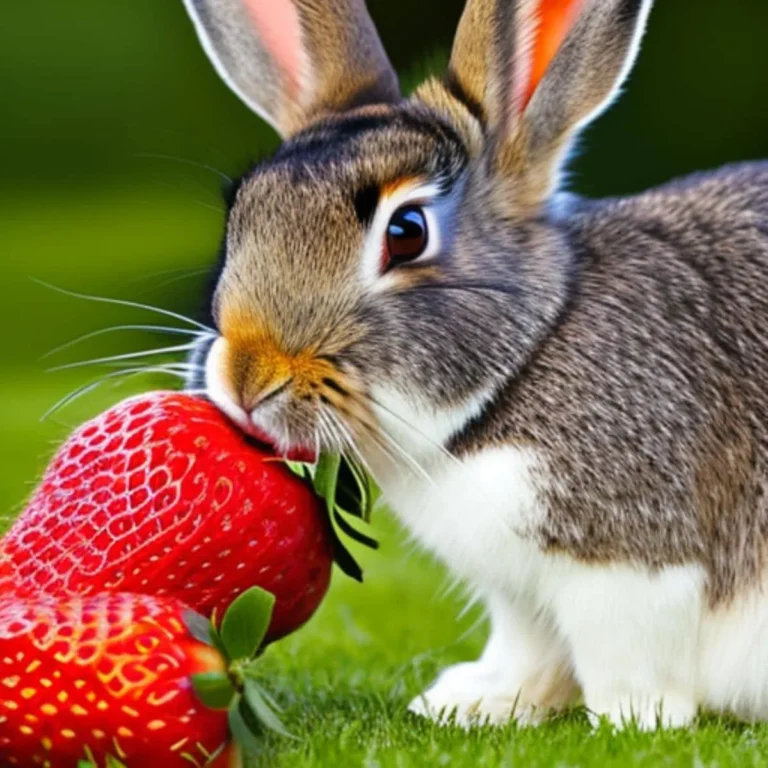
Fruits are generally higher in sugar than vegetables, so they should be even more restricted than the ripe tomato fruit. However, small pieces of certain fruits can be given as a special, infrequent treat. Options include strawberries, blueberries, raspberries, small pieces of apple (seeds removed), pear, or melon.
Again, introduce one new fruit at a time and monitor your rabbit. For guidance on other safe fruits and vegetables, consult your veterinarian or a reputable rabbit care resource.
Commercial Rabbit Treats
There are many commercially available treats designed specifically for rabbits. When choosing these, look for options that are low in sugar and artificial ingredients. Many are made from dried herbs, vegetables, or hay.
While these can be convenient, they should still be given in moderation. A healthy rabbit’s diet should primarily consist of unlimited hay, a measured amount of high-quality rabbit pellets, and fresh water daily. Treats, whether fresh or commercial, should supplement this foundation, not replace it.
Can Rabbits Eat Tomato Plants from the Garden?
This is a critical point of confusion for many rabbit owners. While the bright red, ripe tomato fruit might seem appealing, the majority of the tomato plant is actually harmful to rabbits. Garden access can be a double-edged sword; while it provides opportunities for natural foraging, it also exposes your rabbit to potentially dangerous plants.
It's essential to understand which parts of common garden plants are safe and which are not.
The Danger of Tomato Plant Foliage
Tomato plants produce solanine and tomatine, particularly in their leaves, stems, and unripe green fruit. These compounds act as natural pesticides for the plant, but they are toxic to many animals, including rabbits. Ingesting these parts can lead to significant gastrointestinal upset.
Symptoms can range from mild discomfort to more severe issues like lethargy, incoordination, and even heart problems in larger doses. Rabbits, if given unsupervised access to a garden, might nibble on these toxic parts out of curiosity.
Securing Your Garden
If you have tomato plants or other potentially toxic plants in your garden, it’s imperative to rabbit-proof the area. This might mean fencing off the plants completely or ensuring your rabbit is always supervised when outdoors in an area where these plants are present. Rabbits are adept at chewing through certain materials, so the fencing needs to be sturdy and tall enough to prevent them from reaching over.
It’s far better to prevent access to toxic plants than to deal with the consequences of accidental ingestion.
How to Introduce New Foods Safely (The Rabbit Way)
Introducing any new food item to your rabbit's diet, whether it's a safe vegetable, fruit, or even a small piece of tomato, requires a careful, deliberate approach. This isn't just about preventing digestive upset; it's about building trust and ensuring your rabbit's overall well-being. Think of it as a controlled experiment to see how their unique system reacts.
The "Tiny Taste" Method
Always begin with a minuscule portion. For ripe tomato fruit, this means a piece the size of a thumbnail or smaller. For new greens, offer just one leaf.
The goal isn't to provide nourishment, but a taste. This allows you to gauge their interest and, more importantly, check for any immediate negative reactions.
The Waiting Game: Observation Period
After offering the tiny sample, the crucial next step is observation. Keep your rabbit in their usual environment and monitor them for at least 12, 24 hours. Pay close attention to their droppings.
Are they consistently firm and round? Are they producing the normal quantity? Also, note their energy levels and appetite.
Any changes, like soft stools, reduced appetite, or lethargy, are red flags. If you see any of these signs, remove the new food source entirely and do not reintroduce it.
Gradual Increase and Rotation
If your rabbit tolerates the initial tiny taste well, you can slowly increase the portion size over several days. For treats like ripe tomato fruit, the portion size should remain small, perhaps gradually increasing to a pea-sized amount or a small slice. For new vegetables or greens, you can increase the quantity to a small handful over the course of a week, always observing their reaction.
Once a food is well-tolerated, it can be rotated into their diet, but remember that variety is key, and treats should always be given in moderation.
Frequently Asked Questions
Can rabbits eat tomato leaves?
No, absolutely not. Tomato leaves contain toxic compounds called glycoalkaloids (solanine and tomatine) that are harmful to rabbits and can cause serious illness.
How much ripe tomato can I give my rabbit?
You should only offer a very small piece of ripe tomato fruit, about the size of a pea or a quarter, as an occasional treat. It should not be a daily food item.
What are the signs of tomato toxicity in rabbits?
Signs can include lethargy, loss of appetite, diarrhea, vomiting (though rare in rabbits), and abdominal pain. If you suspect toxicity, contact your veterinarian immediately.
Can baby rabbits eat tomatoes?
It is best to avoid giving tomatoes to baby rabbits entirely. Their digestive systems are still developing and are more sensitive. Focus on a diet specifically formulated for young rabbits, like What Is the Best Food for Baby Rabbits?.
Are cherry tomatoes safe for rabbits?
Ripe cherry tomatoes are a type of tomato fruit, so the same rules apply. They can be given in tiny amounts as an occasional treat, but the plant's leaves and stems are still toxic.
How often can I feed my rabbit tomato?
As a very occasional treat, offering a tiny piece of ripe tomato fruit once or twice a week is generally considered the maximum frequency. Consistency is key for a healthy rabbit diet.
Your Decision Guide: Tomatoes as a Rabbit Treat
Deciding whether to offer your rabbit tomato fruit involves weighing potential benefits against significant risks. Based on veterinary consensus, the ripe fruit itself is deemed safe in extremely small quantities for most rabbits. However, the toxic nature of the plant’s leaves and stems cannot be overstated.
If you choose to proceed, a methodical, gradual approach is paramount. Always start with a piece the size of a pea, monitor your rabbit for any signs of digestive upset like diarrhea or lethargy over the next 24, 48 hours, and limit servings to once or twice weekly. If your rabbit shows any adverse reactions, or if they have a history of digestive sensitivity, it's best to avoid tomatoes altogether and stick to their regular diet of hay, fresh water, and appropriate rabbit pellets.