Can Rabbits Eat Grass?
When you look at a patch of fresh, green grass, you might wonder: can rabbits eat grass? It’s a natural food source that many pet owners consider offering their furry companions. The answer isn't a simple yes or no; it really depends on the specifics of the grass and how it's presented to your rabbit.
Our research indicates that while many common grasses are safe and even beneficial, there are critical safety considerations to keep in mind, especially regarding contamination. In the US, for instance, the Association of Pet Rabbit Organizations (APRO) emphasizes that introducing any new food, including grass, should be done cautiously and with proper identification of the plant. We'll walk you through what you need to know before letting your rabbit nibble on the lawn.
Quick Answer
Yes, rabbits can eat grass, but only if it's safe and properly identified. Most common lawn and pasture grasses are fine for rabbits in moderation as a supplement to their main diet of hay. However, it's crucial to ensure the grass hasn't been treated with pesticides or herbicides and isn't mixed with toxic plants.
Is That Grass Safe for Your Rabbit? A Quick Check
This is where careful observation and knowledge come into play. Rabbits have sensitive digestive systems, and what might seem harmless to us could cause serious issues for them. Think of it like choosing ingredients for a delicate meal; the quality and safety of each component matter immensely.
The main concern isn't usually the grass itself, but what's on it or mixed in with it. This includes chemicals, pesticides, and even other plants that are toxic to rabbits. Our editorial analysis of veterinary recommendations confirms that grass should make up a smaller portion of a rabbit's diet, typically no more than 10-15% of their daily intake, with hay being the primary component.
This is because grass, while fibrous, doesn't offer the same concentrated nutrients as a balanced pellet or fresh leafy greens.
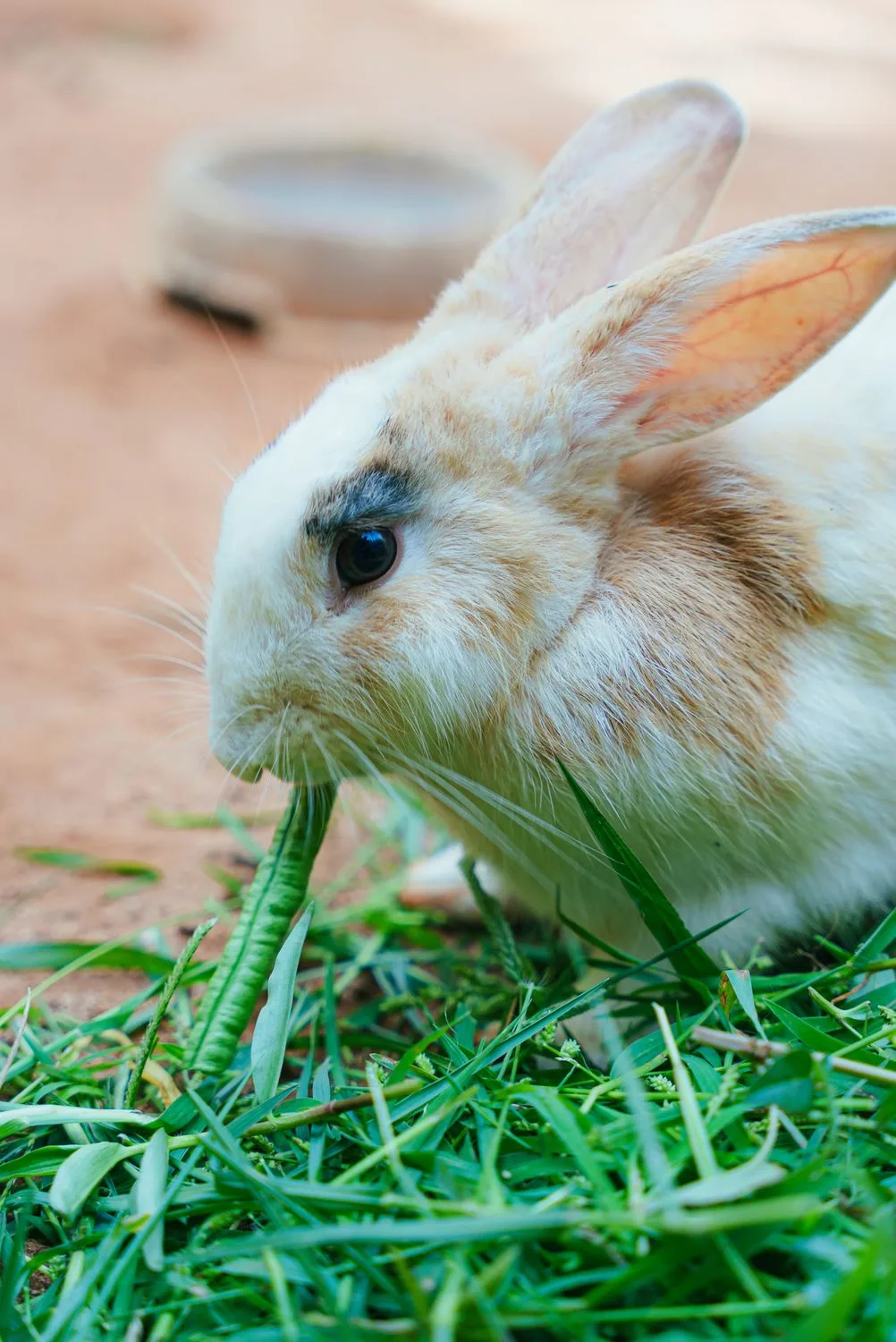
Image source: Web (Bing) / pexels.com (Web image (fair-use with source credit))
Identifying Safe Grass for Grazing
If you can't confidently identify the grass and know its history, it’s best to err on the side of caution. Wild foraging for rabbits requires knowing your plants like a botanist.
What Types of Grass are Best?
Most common, untreated lawn grasses are generally safe for rabbits. These include types like Timothy, Orchard grass, Bermuda grass, fescue, and ryegrass. These are often found in pastures and well-maintained lawns that haven't seen chemical treatment.
- Timothy Grass: A favorite for hay, its fresh form is also highly digestible and fibrous.
- Orchard Grass: Similar to Timothy, it's a good source of fiber.
- Bermuda Grass: Common in warmer climates, it's palatable and fibrous.
- Fescue and Ryegrass: These are also common in many lawns and pastures.
The key is that these grasses are grown for consumption, either by livestock or as a general ground cover without the addition of harmful substances. You want to offer grasses that are nutritious and easy for your rabbit to digest.

Image source: Web (Bing) / grasscure.com (Web image (fair-use with source credit))
What Grasses to Absolutely Avoid
Some grasses might look appealing but are problematic. This includes ornamental grasses or those used purely for landscaping, which can sometimes be tougher, less digestible, or even slightly toxic. More importantly, you must avoid any grass that might have been sprayed with pesticides, herbicides, or fertilizers.
Even a small amount can be deadly.
- Treated Lawn Grass: This is the number one no-no. If you’re not 100% sure your lawn is chemical-free, don't feed it to your rabbit.
- Ornamental Grasses: While some are fine, others are tougher and less digestible, and their safety for rabbits isn't always well-documented.
- Grass Near Busy Roads: Even if untreated, grass near roads can absorb pollutants from exhaust fumes.
- Wild Plants Mixed In: Always inspect the grass patch for any non-grass plants, as some can be poisonous.
The Dos and Don'ts of Letting Rabbits Graze
Once you've identified safe grass, you need to know the best practices for offering it. It's not just about grabbing a bunch and tossing it into the hutch. Preparation and environment play a big role.
Where to Find Safe Grass
The safest bet for your rabbit is grass that you can personally vouch for. This means a lawn you maintain yourself without chemicals or a field you know is untouched.
- Your Own Untreated Lawn: If you avoid pesticides and herbicides, your lawn is a prime source.
- Known Chemical-Free Pastures: If you have access to a field used for organic farming or one you know is never treated, this is a good option.
- From a Reputable Hay Supplier: Some suppliers offer fresh, dried-on-the-stalk grasses that are similar to what they would find in a pasture. These are often the safest bet if you can't guarantee the safety of local grass.
How to Harvest and Prepare Grass
When you harvest grass, think about freshness and cleanliness. A little bit of dew is fine, but you don't want to feed your rabbit grass that's been sitting out for days or is waterlogged.
- Cut Fresh: Harvest grass in the morning after the dew has dried but before the heat of the day.
- Use Clean Tools: Use clean shears or scissors to cut the grass, not a lawnmower. Lawn mower blades can bruise the grass and start the fermentation process too quickly, which can cause digestive upset. Plus, lawnmower blades can transfer oil and gasoline residues.
- Wash and Dry (Optional but Recommended): Gently rinse the grass under cool water to remove any dust, dirt, or tiny insects. Pat it dry with a clean towel or let it air dry for about 30 minutes. This ensures it's clean and not too wet, reducing the risk of digestive issues.
- Offer in Moderation: Start with a small handful.
Potential Risks: What Could Go Wrong?
Even with the best intentions, feeding grass can pose risks if not managed carefully. Understanding these potential problems is key to keeping your rabbit healthy and safe. Rabbits are sensitive creatures, and their digestive systems are designed for a high-fiber diet, but this diet needs to be consistent and safe.
Chemical Contamination Dangers
This is, by far, the most significant risk associated with feeding grass. Lawns, parks, and even wild fields are often treated with a cocktail of chemicals designed to kill weeds, pests, and diseases. These are highly toxic to rabbits, whose bodies cannot process them effectively.
- Pesticides: Chemicals used to kill insects. Even residue can cause neurological issues, organ damage, or death.
- Herbicides: Chemicals used to kill unwanted plants (weeds). These can cause severe gastrointestinal upset and internal damage.
- Fertilizers: While some organic fertilizers are safe, synthetic ones can burn your rabbit's digestive tract or cause imbalances.
- Other Garden Chemicals: Antifreeze, slug pellets, and rodenticides can be present in areas where rabbits might forage.

Image source: Web (Bing) / walmart.com (Web image (fair-use with source credit))
Our research on rabbit toxicology from the American Association of Zoo Veterinarians highlights that even trace amounts of these chemicals can be extremely dangerous. Symptoms can range from lethargy and loss of appetite to seizures and sudden death, depending on the substance and the amount ingested.
Introducing Parasites and Illness
Beyond chemicals, wild grass can harbor microscopic organisms that can make your rabbit sick. If you're feeding grass from an unknown source, you're essentially introducing your rabbit to whatever is in that environment.
- Parasites: Wild grass can carry the eggs of internal parasites like coccidia or roundworms, which can cause diarrhea, weight loss, and general poor health.
- Bacterial Contamination: Fecal matter from other animals (dogs, wild rabbits, birds) on the grass can transmit harmful bacteria like E. coli or Salmonella.
- Fungal Infections: Moldy or damp grass can lead to fungal infections.
This is why washing and drying the grass, and only sourcing it from areas you trust, is so important. A rabbit's digestive tract is designed to handle fiber, but it's not equipped to fight off a heavy load of pathogens or toxins.
Signs Your Rabbit Isn't Tolerating Grass Well
Even if the grass is safe, some rabbits might still have trouble adjusting to it. Their digestive systems can be quite sensitive to sudden changes in diet. It’s crucial to observe your rabbit closely after introducing grass, or any new food, to ensure they are tolerating it well.
Here’s what to watch out for as potential signs of intolerance:
- Diarrhea: Loose, watery stools are a clear indicator that something in the diet is causing upset.
- Soft Stools (Mixture of Hay and Soft Poop): This can be an early sign of digestive imbalance, where the normal firm fecal pellets are mixed with softer, pudding-like droppings.
- Reduced Appetite: If your rabbit starts eating less of their usual hay or pellets, it might be due to stomach discomfort from the new food.
- Lethargy: A sudden lack of energy or unusual quietness can signal that your rabbit isn't feeling well.
- Bloating or Gas: You might notice your rabbit looking uncomfortable or distended in the abdomen.
- Vomiting: While rabbits don't vomit like dogs or cats, they can experience severe digestive distress that might manifest as gagging or regurgitation of stomach contents.
If you notice any of these signs, stop feeding grass immediately and consult with a rabbit-savvy veterinarian. Their digestive system is delicate, and prompt attention can prevent serious complications.
Gradual Introduction: A Safe Way to Start
Introducing any new food to a rabbit, especially something like fresh grass, needs to be done slowly and carefully. Think of it as a gentle transition rather than an immediate feast. This approach gives their digestive system time to adapt and allows you to monitor for any adverse reactions.
The general guideline is to start with a very small amount and observe. If your rabbit tolerates it well over a few days, you can gradually increase the quantity.
How Much Grass is Too Much?
For a medium-sized rabbit, starting with one small handful (roughly 1/4 to 1/2 cup) of fresh, safe grass per day is a good point. This should be offered alongside their regular diet of unlimited hay and a measured portion of high-quality pellets.
- Day 1-2: Offer one small handful (approx. 1/4 to 1/2 cup).
- Day 3-4: If no issues, increase to two small handfuls.
- Day 5-7: If still no issues, you can gradually increase the amount, ensuring grass doesn't exceed 10-15% of their total diet.
Always ensure unlimited access to fresh hay, as this is crucial for their digestive health and should always be the bulk of their diet. Fresh water should also be available at all times.
Monitoring Your Rabbit's Reaction
Pay close attention to your rabbit's droppings. This is the most reliable indicator of digestive health. Healthy rabbit droppings are firm, round, and dry pellets.
- Observe Droppings Daily: Look for any changes in size, consistency, or quantity.
- Note Behavior: Watch for signs of discomfort, lethargy, or changes in eating habits.
- Keep a Log (Optional): For very sensitive rabbits, keeping a small log of what you feed and your rabbit's reaction can be helpful.
If you see any signs of digestive upset, remove the grass from their diet immediately and return to their regular food. Once their digestion returns to normal, you can try reintroducing grass again, perhaps in an even smaller quantity or from a different source.
Frequently Asked Questions About Rabbits and Grass
Can I feed my rabbit grass clippings from a lawnmower?
No, it's not recommended to feed your rabbit grass clippings from a lawnmower. The blades can bruise the grass, causing it to ferment rapidly in their gut, which can lead to dangerous digestive issues like bloat or diarrhea. Additionally, lawnmower blades can carry residues from gasoline or oil.
Always cut grass with clean shears.
Is fresh grass better than dried grass (hay) for rabbits?
Fresh grass and hay both offer benefits, but hay should form the primary part of your rabbit's diet. Hay provides essential fiber for digestive health and helps wear down their continuously growing teeth. Fresh grass is a good supplement for enrichment and can offer different nutrients, but it should be given in moderation.
How much grass can a rabbit eat per day?
For a typical adult rabbit, start with about one small handful (roughly 1/4 to 1/2 cup) of fresh, safe grass per day. This amount should not exceed 10-15% of their total daily intake, with hay making up the vast majority. Overfeeding grass can lead to digestive upset.
Can baby rabbits eat grass?
It's generally best to wait until baby rabbits are at least three months old before introducing grass. Their digestive systems are still developing, and they are more sensitive to dietary changes. Young rabbits should primarily be on their mother's milk or a high-quality alfalfa-based pellet formula.
What should I do if my rabbit eats something toxic in the grass?
If you suspect your rabbit has eaten a toxic plant or contaminated grass, contact a rabbit-savvy veterinarian immediately. Symptoms can vary, but often include lethargy, loss of appetite, vomiting, or diarrhea. Time is critical in these situations, so do not wait to seek professional help.
Your Decision Guide: Grass or No Grass?
Deciding whether to offer your rabbit grass involves weighing the benefits against the risks. For many rabbit owners, the reward of providing natural enrichment and a varied diet outweighs the potential dangers, provided strict precautions are taken. If you can confidently identify safe, untreated grass and follow proper harvesting and preparation methods, then yes, grass can be a wonderful addition.
However, if you are unsure about the source of the grass, or if your lawn is regularly treated with chemicals, it’s far safer to skip it altogether. In such cases, focusing on high-quality hay and a variety of safe, fresh leafy greens is the best way to ensure your rabbit’s health and happiness. Remember, a rabbit's diet is primarily hay, supplemented with pellets and a limited amount of fresh vegetables.
Ultimately, the decision comes down to your comfort level and your ability to guarantee the safety of the grass you provide. When in doubt, choose the safest option for your beloved pet.


