How Long Is a Rabbit Pregnant?
Image source: Web (Bing) / everbreed.com (Web image (fair-use with source credit))
Ever wondered how long it takes for those adorable little bunny kits to arrive? If you're a rabbit owner, breeder, or just curious about animal reproduction, knowing the gestation period is super important for proper care and preparation. It's a biological process that, while having a typical timeline, can surprise you with its slight variations.
Our research indicates that the pregnancy length for rabbits typically falls within a predictable range, and understanding this is key to ensuring a healthy outcome for both the mother doe and her upcoming litter. This timeframe is a crucial piece of data for anyone involved in rabbit breeding or simply trying to manage an unexpected pregnancy.
Quick Answer: The Typical Rabbit Pregnancy Length
A rabbit's pregnancy, commonly known as kindling, usually lasts about 31 days. This timeframe can range from 28 to 33 days. Experienced breeders often rely on this 31-day average as a benchmark for expecting kits.
Rabbit Gestation: What's the Average Timeframe?
The standard gestation period for rabbits clocks in at approximately 31 days. However, nature isn't always perfectly precise, and it's common for this period to vary slightly, generally falling within a 28-day to 33-day window. This range is consistent across most domestic rabbit breeds.
Understanding this average helps you prepare for the arrival of baby rabbits, or kits, without causing unnecessary stress.
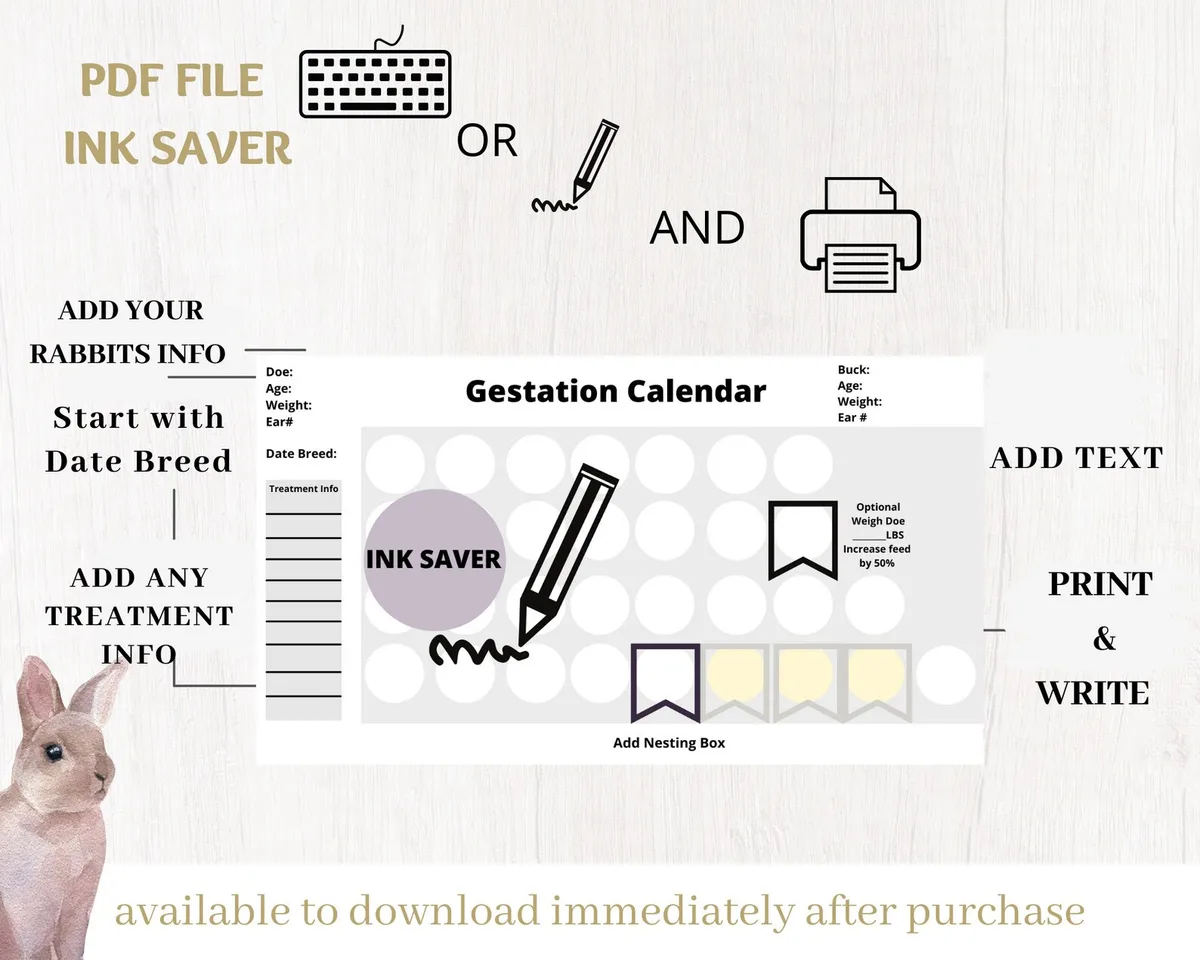
Image source: Web (Bing) / esmaya.org (Web image (fair-use with source credit))
When you're tracking a doe's pregnancy, knowing this 31-day average is your primary guide. If you know the exact date of mating, you can count forward roughly four and a half weeks to estimate the kindling date. However, it’s wise to be prepared for the kits to arrive a few days earlier or later than this estimated date.
This flexibility is part of the natural process of reproduction.
What Can Stretch or Shorten a Rabbit's Pregnancy?
Several factors can influence the exact length of a rabbit's pregnancy, nudging the kindling date a day or two one way or another. It's not uncommon for these subtle influences to cause slight deviations from the standard 31-day average.
- Breed: While not a drastic difference, some larger rabbit breeds, like Flemish Giants, might carry their litters slightly longer than smaller breeds, such as Netherland Dwarfs. This slight variation is often attributed to the physiological differences between breeds. If you're curious about different breeds, you can explore what are the different types of rabbit breeds?.
- Litter Size: A doe carrying a larger litter may experience a slightly shorter gestation period. The increased physical pressure from multiple developing kits can sometimes prompt an earlier delivery. Conversely, a very small litter might lead to a slightly extended pregnancy.
- Individual Doe: Just like in humans, each rabbit is an individual. Some does naturally have slightly longer or shorter pregnancies than others, even when all other conditions are identical. This inherent biological variability is a normal aspect of reproduction.
- Stress and Environment: A stressed or disturbed doe can sometimes experience changes in her pregnancy timeline. Keeping her environment calm, quiet, and safe is crucial. Sudden changes, loud noises, or frequent handling during this sensitive period can potentially impact the kindling date. This is why understanding how to bond with a rabbit and creating a stable environment is so important.
For those who are new to breeding, understanding these influences can help alleviate concerns if a doe's pregnancy goes a day or two beyond the typical 31-day mark. It’s a good idea to have your nesting box and supplies ready by day 28, just in case.
Spotting the Signs: How to Tell Your Rabbit is Pregnant
Pinpointing exactly when your rabbit is pregnant can be a bit tricky for the untrained eye, especially in the early stages. Unlike some other animals, there aren't always obvious outward signs right away. However, experienced owners and breeders learn to look for a combination of behavioral changes and physical cues.
If you suspect your rabbit may have been mated, the first few days might show little to no change. However, around 7 to 10 days after potential mating, you might notice her disposition shifting. She could become more withdrawn or, conversely, more territorial and aggressive, especially if she's housed with other rabbits.
Some does may also exhibit slightly increased food consumption.
Detecting Pregnancy Early
The most reliable way to confirm pregnancy in the early stages is through palpation. This involves a skilled individual gently feeling the doe's abdomen to detect the presence of developing fetuses. This is best done by a veterinarian or a seasoned rabbit breeder, as improper technique can harm the doe or her kits.
At around 10-14 days post-mating, small, pea-sized lumps can often be felt.
By the time the pregnancy is more advanced, typically around 20-25 days, the kits will be larger and easier to feel, and the doe's abdomen will visibly swell. However, relying solely on visual cues can be misleading, as abdominal swelling can sometimes be caused by other issues like digestion problems or uterine infections. Therefore, observing behavioral changes and, if possible, having a vet confirm pregnancy is the most accurate approach.
Preparing for Kittens: What to Do When Kindling is Near
Once you've confirmed your rabbit is pregnant, or you notice the unmistakable signs of impending kindling, it’s time to get ready for the new arrivals. The most obvious and exciting indicator that your doe is close to giving birth is nest building. This behavior typically begins a few days before the kits are due, usually between days 25 and 30 of the gestation period.
Your doe will begin to pull fur from her belly and dewlap (the loose skin under her chin). She'll then use this fur, along with straw, hay, or any other nesting material available, to construct a warm, cozy, and secure nest. This instinctual act is crucial for the survival and well-being of the newborn kits, providing them with insulation and protection from the elements and drafts.
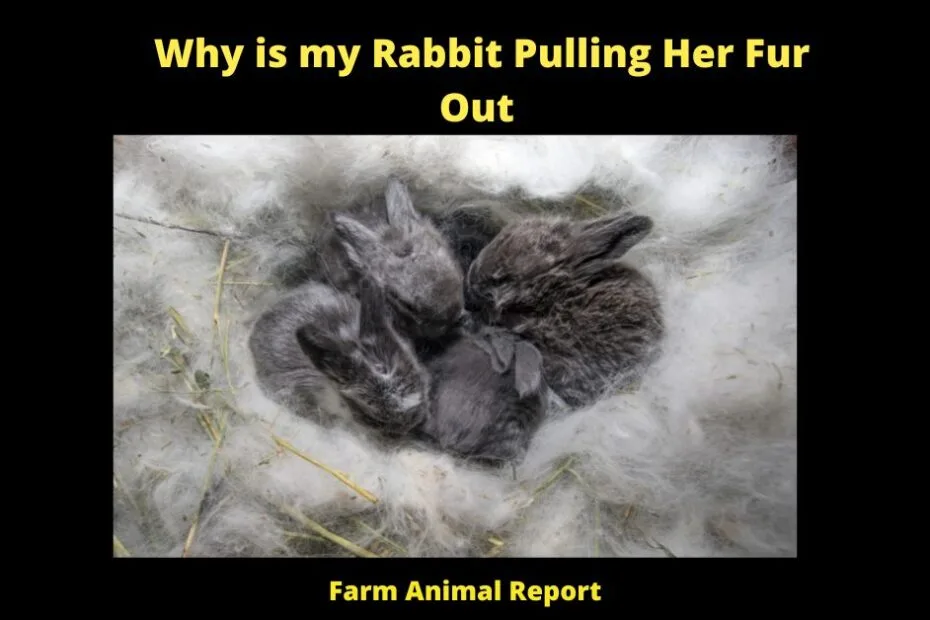
Image source: Web (Bing) / farmanimalreport.com (Web image (fair-use with source credit))
Setting Up the Nesting Area
It's essential to provide a suitable nesting box for your doe well in advance of her due date, ideally as soon as you confirm she's pregnant. A wooden or sturdy cardboard box with an opening large enough for her to enter and exit easily, but small enough to feel secure, works well. The box should be placed in a quiet, draft-free area of her enclosure to minimize stress.
Make sure the nesting area is clean and filled with plenty of soft bedding materials like hay, straw, or shredded paper. Avoid using dusty materials that could irritate the doe's or kits' respiratory systems. Once she starts building her nest, avoid disturbing her too much.
Gentle observation from a distance is best. If she’s already a seasoned mother, she’ll likely know exactly what to do, but a calm environment is still paramount for a successful delivery. You can learn more about how to care for a baby rabbit once they arrive.
Common Questions About Rabbit Pregnancies (FAQs)
How long does it take to tell if a rabbit is pregnant?
You can usually detect pregnancy through palpation by a veterinarian or experienced breeder around 10 to 14 days after mating. Behavioral changes may become noticeable about a week after mating.
Can a rabbit be pregnant and not build a nest?
While nest building is a very strong indicator, it's rare for a pregnant doe not to build a nest as her due date approaches. If she doesn't, it could signal a problem, and veterinary advice should be sought.
What should I feed a pregnant rabbit?
A pregnant doe benefits from a balanced diet, including high-quality hay, fresh water, and a good rabbit pellet formulated for pregnant or lactating does. You might also offer small amounts of safe, fresh vegetables. For young rabbits, knowing what is the best food for baby rabbits? is also important for their development.
How many kits do rabbits typically have?
The average litter size for rabbits is between 4 and 12 kits. However, this can vary significantly by breed and individual doe.
What if my rabbit is overdue?
If your rabbit passes the 33-day mark without showing signs of labor, it's crucial to contact a veterinarian immediately. An overdue pregnancy can indicate complications and may require medical intervention.