Blue Jay Facts
Blue jays are bold, intelligent, and highly recognizable birds common throughout Eastern North America. Learning key blue jay facts helps backyard observers distinguish these vocal, social creatures from other avian species.
These birds are members of the corvid family, which includes crows and ravens. Research from the Cornell Lab of Ornithology confirms they play a vital role in forest health through seed dispersal.
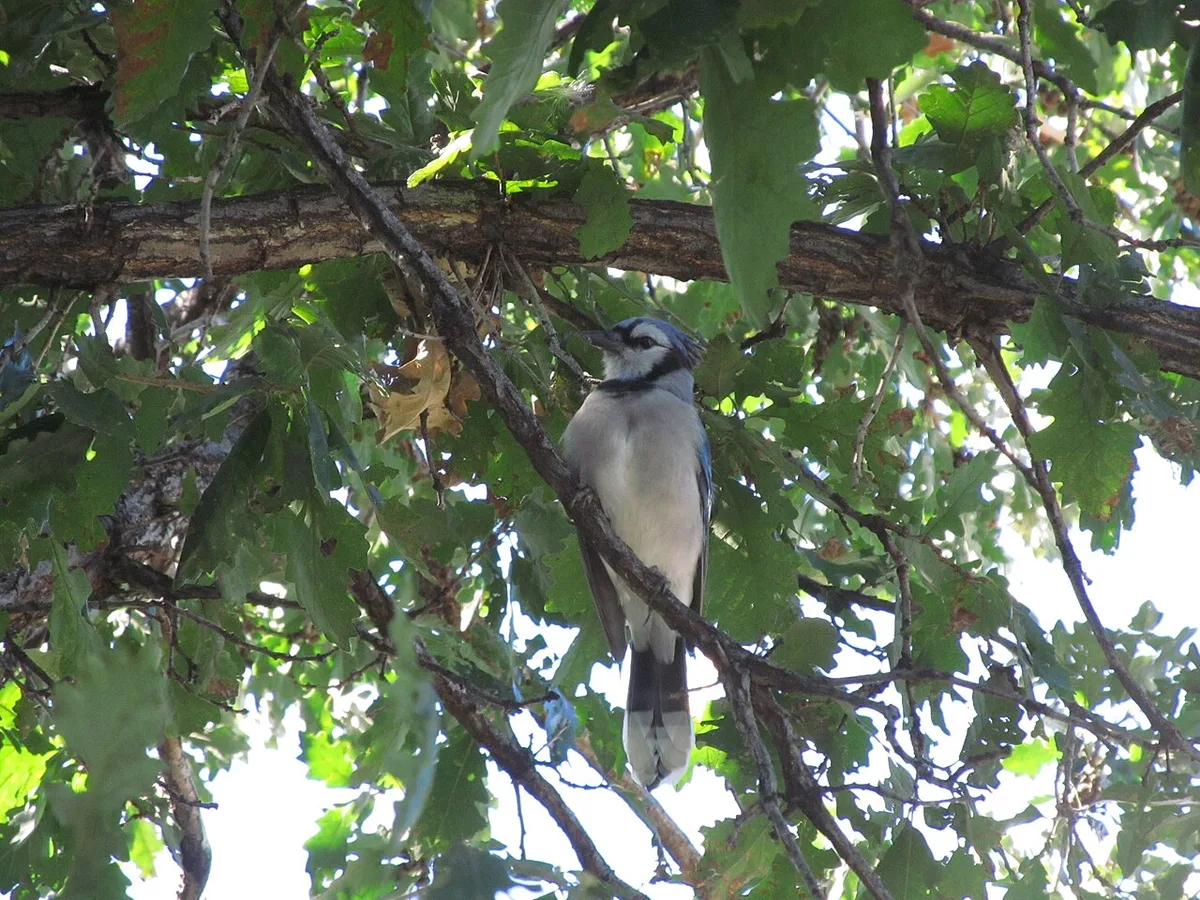
Image source: Wikimedia Commons / Kevin Kiefuik (CC BY-SA)
Quick Answer
Blue jays are intelligent songbirds native to North America. They possess distinct blue plumage and a movable head crest. These birds are known for their loud vocalizations and hawk-like mimicry.
They commonly cache acorns to store food for winter. This behavior assists in forest regeneration across their entire range.
Identifying Blue Jays: Beyond the Bright Blue Feathers
Blue jays are striking, but their color is not pigment-based. Their feathers contain microscopic structures that scatter light to produce the brilliant blue appearance. If you view these feathers under a different light source or crush them, they appear grey or brown.
You can tell them apart from other backyard birds by looking for these specific field marks:
- The Crest: A prominent, movable crest sits atop the head.
- The Necklace: A black collar runs around the throat and across the chest.
- Wing Bars: They show bold white patches on the wings and tail feathers.
The species is known scientifically as Cyanocitta cristata. They are larger than many common songbirds, typically measuring 10 to 12 inches in length. They maintain a sturdy build, which allows them to hold their own at crowded bird feeders.
The Anatomy of an Intelligent Bird: Visual Cues and Field Marks
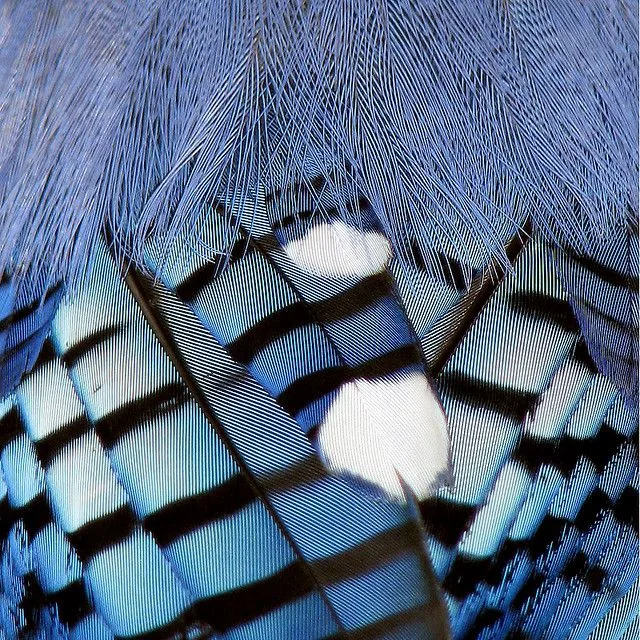
Image source: Web (Bing) / pinterest.com (Web image (fair-use with source credit))
Visual cues are essential for identifying blue jays in your yard. The crest is perhaps their most expressive feature. It stays raised when the bird is agitated or feeling aggressive.
It stays flattened when the bird is feeding or moving through the canopy.
Pay attention to their movement patterns. They often hop along branches with quick, deliberate steps. Their flight is also distinct, appearing somewhat bouncy compared to the direct, fast flight of smaller birds.
| Feature | Visual Description |
|---|---|
| Crest | Tall and spiked when alert |
| Throat | Distinct black band or necklace |
| Back | Deep blue with black-and-white wing bars |
| Tail | Long, rounded, and white-tipped |
The Ecology of Caching: How Blue Jays Shape Our Forests
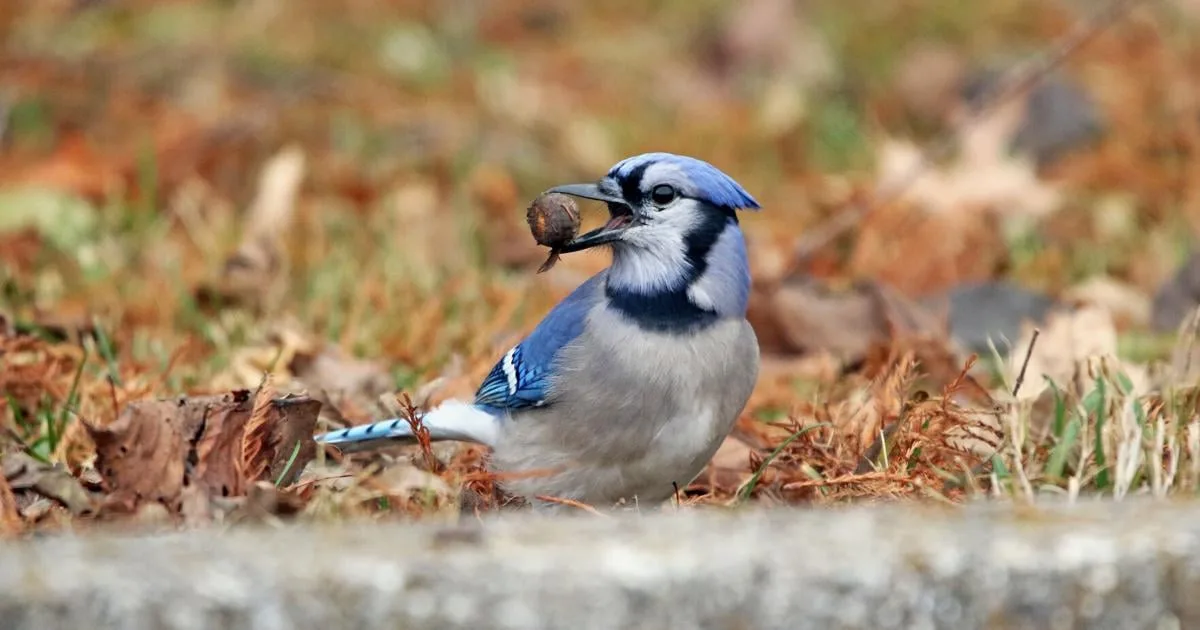
Image source: Bing (Web (fair-use with source credit))
Blue jays are prolific at storing food, a process known as caching. They pick up acorns, nuts, and seeds to hide them for later use. This behavior is a survival strategy during winter months when food is scarce.
Many of these hidden nuts are never recovered by the birds. This creates an unintentional, yet effective, method of reforestation. As noted by the United States Forest Service, this process has contributed significantly to the spread of oak trees across North America for thousands of years.
They are social animals that often cache food in family groups. You might see them repeatedly visiting a feeder, grabbing a peanut, and flying off to a nearby tree to tuck it away. They have an impressive spatial memory that helps them keep track of these secret stashes.
Mastering Backyard Behavior: Vocalizations, Mimicry, and Dominance
These birds are famous for their loud, harsh calls. Their primary alarm call sounds like a sharp "jay-jay," which alerts other birds to the presence of danger. This vocalization is often the first thing people hear before seeing the bird itself.
They are also masters of mimicry. Blue jays often imitate the scream of the Red-shouldered hawk or the Red-tailed hawk. They do this to clear a feeder or to warn others of a nearby predator.
- Social Hierarchy: They often establish dominance at feeding stations.
- Family Groups: They typically travel in small, tightly-knit social units.
- Alertness: They remain vigilant, frequently scanning for cats or aerial threats.
This high level of intelligence makes them fascinating to study. They don't just react to their environment, they actively participate in it. When they hear a hawk, they quickly fall silent or provide a warning call that keeps the rest of the local bird community safe.
Seasonal Shifts and Geographic Range: When to Expect Them
As of 2026, blue jays are considered year-round residents across most of the Eastern United States. They inhabit diverse environments, ranging from dense forests to suburban backyard landscapes. They are highly adaptable and rarely shy away from human presence.
Their migration patterns are complex and not fully understood. Some populations stay in the same area throughout the winter, while others move south during the coldest months. These movements often depend on local food availability rather than strict temperature requirements.
If you live in the Northern parts of their range, you may notice an increase in sightings during late autumn. This often coincides with the peak of nut production in local forests. They move where the resources are, ensuring they have enough energy to survive the winter.
Bird-Friendly Hosting: Best Practices for Feeders and Bird Baths
You can attract blue jays to your yard by offering the right types of food and water. They are particularly fond of high-energy items that are easy to cache. Peanuts in the shell are the gold standard for these birds, as they allow the jays to exhibit their natural carrying and hiding behaviors.
If you want to keep your other backyard visitors happy, consider a multi-feeder setup. Blue jays can be quite territorial, and they might chase off smaller species like goldfinches or chickadees. Placing a secondary feeder for smaller seeds elsewhere in the yard provides everyone with a chance to eat.
Clean water is just as important as a steady food supply. Blue jays appreciate deep, sturdy bird baths where they can bathe and preen. Keep the basin clean and refresh the water every few days to maintain a healthy environment.
- Preferred Foods: Peanuts in the shell, sunflower seeds, suet cakes, and cracked corn.
- Feeder Types: Large hopper feeders or platform feeders work best for their size.
- Water Requirements: A wide, stable bird bath with a depth of at least 2 inches.
Legal Protections and Ethical Birding Responsibilities
Blue jays are protected under the Migratory Bird Treaty Act of 1918. This federal law makes it illegal to hunt, capture, or sell these birds in the United States. It also prohibits the collection of their nests, eggs, or feathers without a specific scientific permit.
This regulation exists to ensure that native bird populations remain stable despite environmental changes. If you find an injured or abandoned blue jay, do not attempt to rehabilitate it yourself. Contact a licensed wildlife rehabilitator, as they have the training and resources to handle protected species safely.
Ethical birding also means respecting the bird's natural behaviors. Avoid using recordings of bird calls to attract them, especially during nesting season. Excessive interference can cause unnecessary stress or disrupt their typical feeding and mating routines.
Frequently Asked Questions
Are blue jays aggressive toward other birds?
Blue jays can be territorial and sometimes displace smaller birds at a feeder. This aggression is typically linked to competition for high-value food like peanuts. You can minimize conflict by providing multiple feeding stations spread across your yard.
How do I stop blue jays from taking all the food?
You can mitigate their dominance by using weight-sensitive feeders or cages that restrict access to larger birds. Another effective strategy is offering different food types in various areas. Smaller birds may prefer tiny seeds that jays find less worth the effort of transporting.
Do blue jays migrate in the winter?
Their migration is erratic and depends heavily on food availability. Some individuals remain in their home territory throughout the winter, while others travel further south. You’ll often see them stay put if your feeders remain stocked with energy-dense seeds and nuts.
Is it safe to feed blue jays peanuts?
Peanuts in the shell are a safe and nutritious food source for blue jays. Ensure the nuts are unsalted and unflavored to avoid health risks to the birds. Never offer moldy or spoiled nuts, as these can carry dangerous pathogens that affect entire bird populations.
Can I identify a blue jay by its song alone?
You can identify them by their signature "jay-jay" call and their impressive hawk imitations. Their vocal range is quite broad, so listening for harsh, raspy squawks is a reliable field marker. They are among the most vocal birds you will encounter in residential areas.