How Do You Stop a Rabbit From Digging Up Carpet?

Image source: Web (Bing) / pinterest.com (Web image (fair-use with source credit))
When your rabbit decides the plush carpet is their personal excavation site, it can be incredibly frustrating. Understanding how to stop a rabbit from digging up carpet involves looking at their natural instincts and providing appropriate outlets. Luckily, there are effective methods to protect your flooring and keep your bunny happy.
In our research, we found that most rabbit digging issues stem from a need to burrow or chew, which are fundamental behaviors. Official guidelines from organizations like the House Rabbit Society emphasize redirection and enrichment as key strategies. As of 2026, these methods remain the most humane and effective approach.
Quick Answer
Rabbits dig carpet due to instinctual burrowing and chewing needs. To stop it, provide an appropriate dig box with safe substrate, offer varied chew toys, and use physical barriers or deterrents in problem areas. Redirecting their natural behaviors is key to protecting your carpet.
Is Your Rabbit Digging for a Reason? Pinpointing the Trigger
Before you can stop the digging, you need to understand why it's happening. Rabbits have strong natural urges that, when unaddressed, can lead to destructive behaviors indoors. The approach you take will depend heavily on whether you're dealing with a pet rabbit or a wild one that's found its way into your home or garden.
Pet vs. Wild: Different Rabbits, Different Rules
The biggest distinction is whether the rabbit is a beloved pet or a wild visitor. A pet rabbit digging is usually seeking enrichment or a place to satisfy chewing and burrowing instincts within its environment. Wild rabbits, on the other hand, are often looking for shelter, food sources, or nesting sites.
Addressing a pet's behavior is about training and providing alternatives, while dealing with a wild rabbit leans more towards exclusion and deterrence.
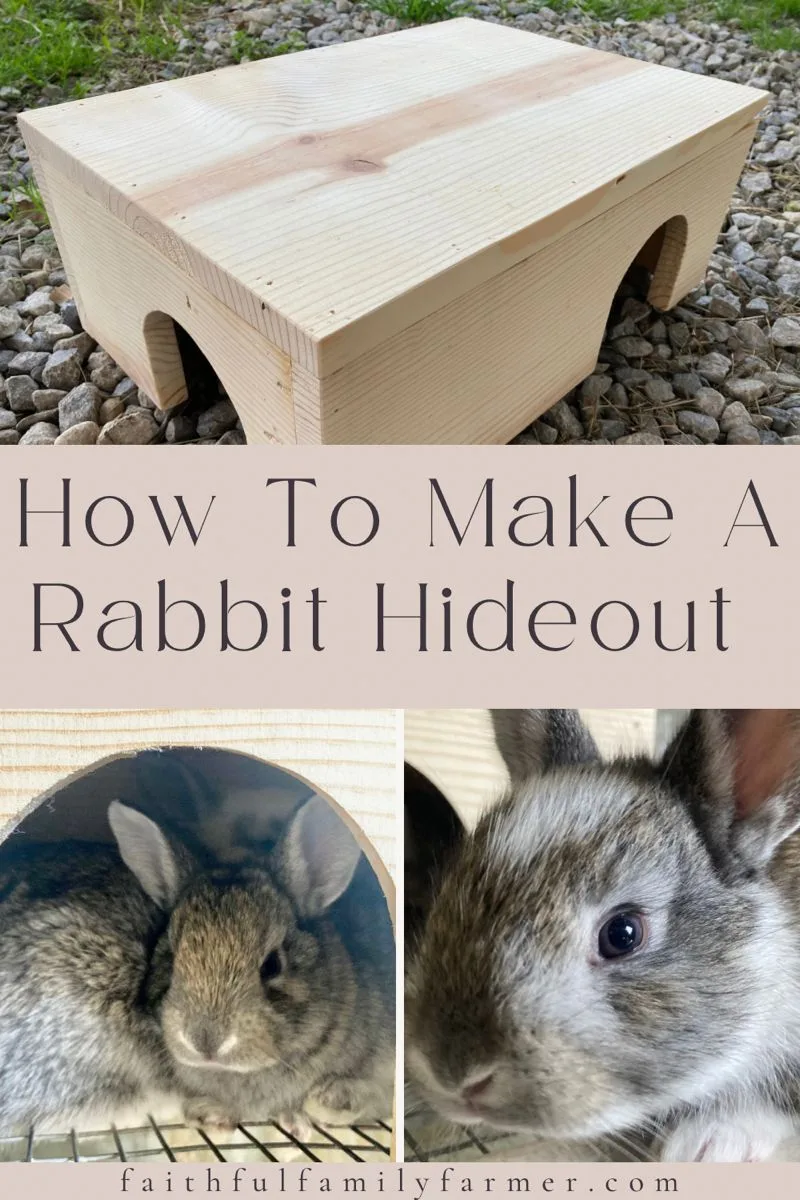
Image source: Web (Bing) / ar.inspiredpencil.com (Web image (fair-use with source credit))
A pet rabbit might dig at the carpet edge because it reminds them of soft earth they'd burrow into naturally. Wild rabbits might dig in a garden bed for similar reasons, or to access roots or create a safe burrow away from predators. Our research indicates that a wild rabbit encountering a home's exterior might try to dig under a foundation, presenting a more structural problem than a carpeted floor.
Understanding Rabbit Instincts: Why Digging Happens
Rabbits are natural burrowers. In the wild, they create extensive tunnel systems called warrens for safety, shelter, and raising young. This instinct to dig is deeply ingrained.
When this urge isn't met with appropriate outlets, they'll often find the next best thing, your carpet, upholstery, or garden soil.
- Burrowing: Rabbits feel secure when they can dig and tunnel. This is especially true for female rabbits who may be experiencing nesting instincts.
- Chewing: Rabbits' teeth grow continuously throughout their lives. They need to chew to keep their teeth worn down and healthy. Sometimes, digging is a precursor to chewing at edges or softer materials.
- Boredom/Stress: If a rabbit isn't getting enough mental stimulation or feels anxious, it may resort to digging as a coping mechanism.
- Territorial Marking: While less common for digging, scent marking can sometimes be associated with creating a more defined space.
Understanding these core needs is the first step. For example, according to aggregate user reviews, providing an alternative dig box can satisfy this primal urge without damaging your home. You can learn more about how do you care for a baby rabbit to get a head start on these foundational needs.
Pet Rabbit Digging: Solutions for Inside Your Home
If your furry friend is turning your living room into a construction zone, don't despair. The key to managing a pet rabbit's digging behavior indoors is to provide acceptable alternatives and make the carpet less appealing. This usually involves a combination of redirection and providing proper enrichment.
The Power of Redirection: Giving Your Rabbit a "Dig Box"
One of the most effective strategies is to offer your rabbit a designated place to dig. This is commonly known as a "dig box." It's a safe, enclosed space filled with materials that rabbits love to dig in, satisfying their natural urge without turning your carpet into a shredded mess.

Image source: Web (Bing) / pinterest.com (Web image (fair-use with source credit))
- Container: A large plastic storage bin, a sturdy cardboard box, or an old laundry basket works well. Ensure it's deep enough to contain the substrate and prevent overflow.
- Substrate: Safe and engaging fillers include shredded paper (unprinted), hay, safe soil (like organic potting soil without added fertilizers or pesticides), or even crumpled paper bags. Avoid anything dusty or that could cause impaction if ingested in large quantities.
- Placement: Place the dig box in an area your rabbit already frequents or where they tend to dig. You might even place a bit of their favorite hay or a treat inside initially to draw them in.
Our research shows that consistently encouraging use of the dig box, alongside discouraging carpet digging with gentle redirection, can significantly reduce damage. It’s about channeling that energy constructively.
Chew Toys & Enrichment: Satisfying Other Instincts
Digging is often linked to other natural behaviors like chewing. Providing a variety of safe chew toys can satisfy this need and reduce the likelihood of your rabbit turning to your furniture or carpet. This is particularly important as rabbits' teeth grow continuously.
- Natural Wood Toys: Unfinished, untreated wood blocks or branches from safe trees (like apple or willow) are excellent for dental health and satisfy chewing instincts.
- Cardboard: Plain cardboard boxes, toilet paper rolls stuffed with hay, or even just plain cardboard pieces can provide hours of chewing and tearing fun.
- Hay-Based Toys: Many commercially available toys are made entirely of hay, offering a safe and digestible chewing option.
- Puzzle Feeders: Toys that dispense treats or pellets as the rabbit manipulates them provide mental stimulation and can distract from destructive habits.
By offering diverse chewing options, you provide mental stimulation that can curb boredom-related digging. This aligns with advice on rabbit training, as redirected energy is far more productive than destructive energy. You can explore resources on how do rabbits communicate with each other to gain further insight into their social and behavioral needs.
Rabbit-Proofing Your Space: Protecting Valuables
Sometimes, the simplest solution for pet rabbits is to prevent them from accessing the areas where they tend to dig. This means creating a safe environment by "rabbit-proofing" key zones. This approach is similar to how you'd baby-proof a home for a small child.
- Covering Edges: Use corner guards or plastic sheeting to cover the edges of carpets or baseboards that are prime targets for chewing and digging.
- Blocking Access: Use baby gates or exercise pens to restrict your rabbit's access to rooms with delicate carpets or valuable furniture when unsupervised.
- Wire Protection: If your rabbit shows interest in electrical cords (which is a serious safety hazard), ensure all wires are covered with protective tubing or stored out of reach.
- Provide Alternatives: Ensure their primary living space or play area has plenty of appropriate toys and a dig box readily available.
This proactive approach ensures your home remains intact while still allowing your rabbit freedom to explore safely. If you're wondering about the overall commitment, understanding how much does it cost to own a rabbit can help set expectations for providing such enriched environments.
Wild Rabbit Digging: Keeping Them Out of Your Yard
When rabbits are digging in your garden or yard, the goal shifts from redirection to deterrence and exclusion. These are typically wild animals, and the strategies need to reflect that. It's about making your outdoor space less inviting and harder for them to access or damage.
Natural Deterrents: Smells and Textures Rabbits Dislike
Rabbits have sensitive noses and often avoid strong scents or unpleasant textures. Using natural deterrents can make your garden less appealing without harming the animals. These are often a good first line of defense before resorting to more significant measures.
- Strong Scents: Many rabbits dislike the smell of garlic, onion, cayenne pepper, or strong herbs like mint and rosemary. You can create sprays by boiling these ingredients in water, letting them steep, and then spraying them around vulnerable plants.
- Unpleasant Textures: Placing materials with sharp or uncomfortable textures around plants can deter digging. This includes pinecones, rough gravel, or even prickly cuttings from plants like rose bushes.
- Companion Planting: Certain plants are said to repel rabbits. Examples include marigolds, lavender, and chives. Interplanting these can offer a natural layer of protection.
It's important to note that these natural deterrents need frequent reapplication, especially after rain, and their effectiveness can vary. What works for one rabbit might not work for another.
Physical Barriers: Fencing and Garden Protectors
Physical barriers are generally the most reliable method for keeping wild rabbits out of specific areas. The key is to make them high enough and deep enough to prevent rabbits from jumping over or digging under them.
- Chicken Wire/Hardware Cloth: A fence made of chicken wire or hardware cloth, at least 2 to 3 feet high, can be very effective. For best results, bury the bottom 6 to 12 inches of the fencing into the ground to prevent burrowing underneath.
- Protective Cages: For individual plants or small garden beds, you can create cages or cloches from wire mesh to protect them.
- Row Covers: Lightweight floating row covers can protect young seedlings from early nibblers and diggers. Ensure they are secured well around the edges.
When installing fencing, consider local wildlife regulations. Some areas have specific requirements for fencing to avoid trapping or harming animals. Checking with local authorities can ensure your method is both effective and compliant.
When to Call in the Experts for Wild Rabbits
If the rabbit problem is persistent, widespread, or if you suspect a large population is causing significant damage, it might be time to consult professionals. Wildlife control services or local animal control agencies can offer more robust solutions or advice tailored to your specific situation.
They can assess the extent of the problem and recommend strategies that go beyond simple deterrents, potentially including humane trapping and relocation if necessary and permitted by local laws. This is particularly relevant if the rabbits are causing structural damage to your property or are in an area where they pose a disease risk.
Common Digging Mistakes (and How to Avoid Them)
Even with the best intentions, rabbit owners and gardeners can fall into common traps that make stopping digging harder or even counterproductive. Understanding these pitfalls can save you time, frustration, and potential harm to your pets or property.
Over-Correction: Punishing Instead of Redirecting
A common mistake, especially with pets, is to punish the rabbit when you catch them digging in an inappropriate place. Rabbits don't understand punishment in the same way humans do. Scolding or startling them can make them fearful, anxious, and more likely to dig in hidden spots rather than stop the behavior.
Instead of punishment, focus on redirection. If you see your pet rabbit digging at the carpet, gently pick them up and place them in their dig box or offer them an appropriate chew toy. Positive reinforcement when they use these alternatives is far more effective.
Using Harmful Deterrents
When trying to deter wild rabbits, some people resort to commercial deterrents that can be toxic or harmful if ingested by pets or wildlife. Others might use household chemicals that are unsafe. It's crucial to research any deterrent thoroughly to ensure it's safe for your specific situation.
- Pet Safety: If you have pets, especially outdoor cats or dogs that might roam near the garden, any deterrent must be non-toxic.
- Environmental Impact: Avoid products that can leach into soil or water sources.
- Effectiveness: Many DIY sprays, like diluted vinegar or hot pepper solutions, can be effective but require frequent reapplication and might not deter all rabbits. Always use caution.
Ignoring the Root Cause
Perhaps the most significant mistake is not addressing the underlying reason why the rabbit is digging. If a pet rabbit is digging because it's bored, simply covering the carpet or blocking access won't solve the problem long-term. The behavior will likely manifest elsewhere.
Similarly, if wild rabbits are digging in your garden because it's the only available food source or shelter in the area, deterrents alone might not be enough. Understanding the rabbit's needs and providing acceptable outlets for their natural behaviors is always the most sustainable solution. For a deeper dive into rabbit needs, you might explore what is the best food for baby rabbits to understand their foundational requirements.
Expert Tips for Long-Term Carpet & Yard Harmony
Maintaining a rabbit-friendly home and garden is an ongoing process that requires consistent effort and understanding of your rabbit's needs. The goal isn't just to stop digging in the short term but to create an environment where the behavior is naturally managed. This involves ongoing enrichment and vigilance.
Regularly refresh your rabbit's dig box substrate to keep it appealing and hygienic. If you notice your pet rabbit showing renewed interest in carpet digging, it's often a sign they need more mental stimulation or a change in their routine. Add new toys or rotate existing ones to keep things interesting.
For gardens, reapply natural deterrents after rain or heavy dew, and check physical barriers for any signs of burrowing or damage.
Providing consistent, appropriate outlets for natural behaviors like digging and chewing is key. This proactive approach, supported by sources like the House Rabbit Society, fosters a well-adjusted rabbit and a well-preserved home. If you're thinking about getting a rabbit, understanding what is the best rabbit breed for beginners can set you up for success by choosing a pet whose temperament aligns with your lifestyle.
Frequently Asked Questions About Rabbit Digging
What substrates are safe for a rabbit's dig box?
Safe substrates include shredded, unprinted paper, timothy hay, organic potting soil (ensure it's free of fertilizers and pesticides), and natural fiber ropes. Avoid dusty materials or anything that could cause intestinal blockage if ingested in large quantities.
How often should I refresh my rabbit's dig box?
It's a good idea to refresh the substrate at least once a week, or more often if it becomes soiled or loses its appeal. Sift out any waste and add fresh material regularly to keep it inviting.
Can I use a commercial carpet cleaner to deter digging?
No, it's generally not recommended to use commercial carpet cleaners as deterrents. Many have strong scents that can be irritating to a rabbit's sensitive respiratory system, and some chemicals could be harmful if ingested. Focus on safe, natural redirection.
Will training a rabbit to not dig take a long time?
Training a rabbit is a process, and consistency is vital. Expect it to take several weeks of consistent redirection and positive reinforcement before you see significant changes in behavior. Understanding how rabbits communicate with each other can also provide insight into their social behaviors and needs.
How can I tell if a wild rabbit is using my garden as a nesting site?
Signs of nesting include finding a depression in the ground, often lined with fur and grass, usually in a secluded area like under a bush or deck. If you suspect nesting, it's best to avoid disturbing the area until the young rabbits are old enough to leave, typically around 3-4 weeks.
Your Decision Guide: Which Solution is Right for You?
Choosing the right approach to stop rabbit digging depends entirely on your specific situation. Are we talking about your pet bunny chewing up your Persian rug, or a wild cottontail making a mess of your prize-winning petunias? Your answers will point you toward the most effective strategy.
For Pet Rabbits Indoors:
- Primary Solution: Focus on redirection. The dig box is your best friend here. Pair this with plenty of chew toys and enrichment.
- Secondary Solution: If digging persists or you're concerned about specific areas, implement rabbit-proofing measures like covering edges or blocking access to rooms.
- Consider: This is about meeting their natural needs. If you're finding yourself constantly battling behavior, it might be time to assess your rabbit's overall environment and stimulation. Learning about how do you bond with a rabbit can also help build a stronger relationship and understand their cues better.
For Wild Rabbits Outdoors:
- Primary Solution: Exclusion is usually key. Physical barriers like fencing are the most reliable.
- Secondary Solution: Natural deterrents can supplement barriers, especially for less critical areas or to reinforce exclusion. Be prepared for frequent reapplication.
- Consider: If the problem is severe or you're dealing with persistent issues, consulting local wildlife experts might be necessary. They can offer tailored advice for your region and the specific rabbit population. Remember, for wild animals, the goal is humane deterrence, not eradication.