Can Rabbits Eat Bananas?
When you look at your adorable pet rabbit, it's natural to want to share your favorite snacks, and bananas are a common favorite for many of us. But can rabbits eat bananas safely? The answer isn't a simple yes or no, and understanding the right way to offer this sweet fruit is key to keeping your bunny healthy and happy.
Our research into rabbit nutrition, drawing from veterinary guidelines and animal welfare organizations, shows that bananas can be given as an occasional treat, but with strict limitations. They are high in sugar and starch, which can cause digestive issues for rabbits if fed too often or in large quantities, and per general guidelines from veterinary associations, a rabbit's diet should primarily consist of hay, leafy greens, and a small amount of pellets.
Can Rabbits Eat Bananas? The Quick Answer
Yes, rabbits can eat bananas, but only as a very small, infrequent treat. Bananas are high in sugar and starch, which can upset a rabbit's sensitive digestive system. Offering a tiny piece, about the size of your thumbnail, once or twice a week is the maximum recommended.
Understanding Bananas for Your Rabbit's Diet
Bananas are undeniably tasty, and the urge to share them with our furry friends is strong. However, a rabbit's digestive system is quite different from ours. It's optimized for processing large amounts of high-fiber foods like hay, and it's very sensitive to sudden changes or high levels of sugars and starches.

Image source: Web (Bing) / housedpet.com (Web image (fair-use with source credit))
What's Inside Bananas That Matters
- Sugar: Bananas are packed with natural sugars. For a rabbit, a high sugar intake can lead to digestive upset, including gas, diarrhea, and even more serious conditions like GI stasis.
- Starch: They also contain a good amount of starch. Like sugar, too much starch can ferment in the rabbit's gut, causing imbalances in the gut flora.
- Fiber: While bananas do offer some fiber, it's not the kind that rabbits primarily need. Their main fiber source should be long-stemmed hay.
Potential Benefits of Banana Treats
When offered in tiny amounts, bananas can serve a few purposes for your rabbit.
- Enrichment: A small slice can be a novel and exciting treat, providing mental stimulation and a break from their usual food.
- Bonding: Hand-feeding a tiny piece can be a great way to strengthen your bond with your pet.
- Palatability: Most rabbits find the sweet taste of banana highly appealing, making it a good motivator for training or for encouraging a finicky eater to try something new (in moderation, of course).
The Risks: Why Bananas Aren't a Staple
While a small piece might seem harmless, giving too much banana can lead to significant health problems for your rabbit. It's essential to understand these risks before you even consider offering this fruit.
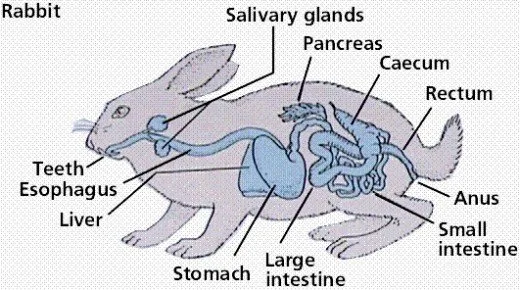
Image source: Web (Bing) / fishsubsidy.org (Web image (fair-use with source credit))
Digestive Upsets and Sugar Overload
A rabbit's digestive system relies on a delicate balance of bacteria to break down food. Introducing too much sugar or starch, like that found in bananas, can disrupt this balance. This can cause:
- Gas and Bloating: Excess fermentation can lead to painful gas.
- Diarrhea: The gut can struggle to process the high sugar content, resulting in loose stools.
- GI Stasis: This is a serious and potentially fatal condition where the rabbit's digestive system slows down or stops completely. Diets high in sugar and low in fiber are major contributing factors.
Why Portion Size is Crucial
Think of bananas as the occasional indulgence for your rabbit, not a daily snack. Even a small banana is far too much for a rabbit. Veterinary recommendations suggest that treats should make up no more than 1-2% of a rabbit's total daily diet, which is primarily hay.
For a medium-sized rabbit, this translates to a piece of banana no larger than your thumbnail. Overfeeding, even with "healthy" treats, can contribute to obesity and related health issues like pododermatitis (sore hocks).
How to Safely Offer Banana to Your Rabbit
If you decide to give your rabbit a taste of banana, it needs to be done with careful planning and observation. It's not about how much they want, but how much is good for them.

Image source: Web (Bing) / hammyandoliviapet.com (Web image (fair-use with source credit))
Introducing Banana: A Step-by-Step Approach
When introducing any new food, especially a treat like banana, you want to start slow and small to gauge your rabbit's reaction.
- Start Tiny: Offer just a sliver or a small piece, no larger than your pinky fingernail.
- Observe Closely: For the next 24-48 hours, monitor your rabbit for any signs of digestive upset. Look for changes in appetite, droppings (size, consistency, amount), or general behavior (lethargy, hunched posture).
- Assess Tolerance: If your rabbit tolerates the tiny piece well with no negative effects, you can consider offering a slightly larger piece (about thumbnail-sized) on the next occasion. If you notice any issues, discontinue banana entirely.
Best Practices for Frequency and Amount
- Frequency: Limit banana to once or twice a week at most. It should be a special treat, not a regular part of their diet.
- Amount: A piece roughly the size of your thumbnail is a good maximum. For very small rabbits, you might need to offer even less.
- Preparation: Ensure the banana is ripe but not overly mushy or brown. Remove the peel completely, as it can be difficult for rabbits to digest.
Common Mistakes When Feeding Bananas
Many rabbit owners unintentionally cause problems by feeding bananas incorrectly. Being aware of these pitfalls can save your rabbit a lot of discomfort and potential health crises.
- Feeding Too Much: This is the most common mistake. A whole banana or even a large slice is far too much sugar and starch for a rabbit's system. This can lead to serious digestive issues.
- Feeding Too Often: Even small amounts can be detrimental if given daily. Rabbits thrive on a consistent diet of hay and greens; treats should be rare.
- Feeding Overripe or Moldy Bananas: Just like with human food, spoiled food can make your rabbit sick. Always ensure the banana is fresh and free from any signs of spoilage.
- Ignoring Digestive Signs: Not paying attention to your rabbit's droppings or behavior after giving a new treat can mean missing early signs of trouble, such as diarrhea or reduced appetite.
- Feeding Banana Peels: While some sources suggest rabbits might nibble on peels, they are fibrous and can be hard to digest. It's safest to remove them entirely.
Alternatives to Bananas for Rabbit Treats
If you're looking for safe and healthy ways to treat your rabbit, there are many options that are much better suited to their dietary needs than bananas. Focusing on variety within safe food groups will keep your rabbit engaged and healthy.
- Small Pieces of Rabbit-Safe Fruits:
- Apple (seeds removed)
- Berries (strawberries, blueberries, raspberries, in moderation)
- Melon (cantaloupe, honeydew, very small amounts)
- Pear (seeds removed)
- Small Pieces of Rabbit-Safe Vegetables:
- Carrots (due to sugar content, treat them like fruit)
- Bell peppers (any color, seeds removed)
- Broccoli florets (small amounts, some rabbits get gassy)
- Zucchini
- Herbs: Many fresh herbs are excellent treats and can be given in larger quantities than fruits.
- Parsley
- Dill
- Mint
- Cilantro
- Basil
When offering any new vegetable or herb, introduce it slowly and observe your rabbit for any adverse reactions, similar to how you would with banana. The key with any treat, including these alternatives, is moderation and ensuring it doesn't displace the essential hay in their diet.
When to Talk to Your Vet
If you're ever unsure about your rabbit's diet or notice concerning symptoms after offering a new food, it's always best to consult a veterinarian. They can provide tailored advice based on your specific rabbit's breed, age, and health history. Watch for signs like lethargy, loss of appetite, or changes in droppings.
A vet can confirm if digestive issues are occurring and recommend appropriate treatment. They can also guide you on an optimal diet plan that minimizes risks associated with sugary treats. Early intervention is crucial for conditions like GI stasis, so don't hesitate to reach out if you have doubts about your rabbit's well-being.
Signs of Digestive Distress
- Reduced or absent appetite
- Lethargy or unresponsiveness
- Changes in fecal pellets (smaller, fewer, or absent)
- Bloating or a distended abdomen
- Grinding teeth loudly (a sign of pain)
Frequently Asked Questions About Rabbits and Bananas
Can my rabbit eat the banana peel?
No, it's best to avoid feeding your rabbit banana peels. While some rabbits might nibble on them, the peels are fibrous and can be difficult for their digestive system to break down, potentially leading to blockages or upset. Always remove the peel before offering any part of the banana.
How much banana is too much for a rabbit?
Too much banana can cause significant digestive problems due to its high sugar and starch content. A piece no larger than your thumbnail, offered only once or twice a week, is generally considered the maximum safe amount. Anything more risks upsetting their delicate gut flora and can lead to issues like diarrhea or GI stasis.
Are unripe or overripe bananas worse for rabbits?
Both unripe and overly ripe bananas can pose problems. Unripe bananas contain more resistant starch, which can be hard to digest. Overripe bananas are higher in sugars and can ferment quickly, potentially causing gas and digestive upset.
A banana that is ripe but still firm is the best option if you choose to offer it.
Can feeding banana cause long-term health issues?
Yes, consistently feeding too much banana or other sugary treats can contribute to long-term health problems for rabbits. These include obesity, dental issues due to high sugar intake, and a greater risk of chronic digestive sensitivities or GI stasis. A balanced diet rich in hay is essential for preventing these chronic conditions.