Can Rabbits Eat Corn?

Image source: Web (Bing) / farmanimalreport.com (Web image (fair-use with source credit))
Can Your Rabbit Safely Eat Corn?
You're probably wondering if you can share a bit of that corn on the cob with your furry friend. It's a common question among rabbit owners, and the truth is, it's not a straightforward yes or no. Giving your rabbit the wrong foods can lead to serious health issues, so knowing the facts is really important.
Our research confirms that while a small piece of fresh corn might not be immediately harmful to most adult rabbits, it's far from an ideal food. Rabbits have highly specialized digestive systems that thrive on specific types of fiber, and corn doesn't fit that bill well. In fact, according to the U.S.
Department of Agriculture, corn is primarily composed of carbohydrates, with its starch content being a key factor in how it's processed by animals. This high starch and sugar content is where many of the risks lie, making it crucial to approach this question with caution.
Quick Answer
Rabbits can technically eat a tiny piece of fresh corn kernel. However, corn is not a healthy or recommended food for them. It’s high in starch and sugar, low in fiber, and can cause dangerous digestive upset.
Stick to rabbit-safe greens and hay for their diet.
Why Corn Isn't a Rabbit Staple: The Digestive Lowdown
Rabbits have a unique digestive system built for processing large amounts of fibrous plant matter. Think of their gut like a carefully balanced ecosystem. It relies heavily on a constant supply of high-fiber foods to keep things moving smoothly and to maintain a healthy population of beneficial bacteria.
High Starch & Sugar Risks
Corn is packed with starch and sugars. When a rabbit eats something like corn, this starch is rapidly fermented in their cecum (a part of their large intestine). This fermentation produces gases and can quickly throw the delicate gut balance off.
Our research indicates that this imbalance is a primary cause of serious digestive problems in rabbits, such as bloat and gastrointestinal stasis (GI stasis).
Low Fiber Concerns
A key component of a rabbit's diet should be high-quality fiber, typically found in hay. Hay provides the bulk and roughage that keeps their digestive tract functioning properly and wears down their constantly growing teeth. Corn, while plant matter, is relatively low in the specific types of fiber rabbits need to thrive.
This means it doesn't offer the same crucial digestive benefits as hay or safe leafy greens.
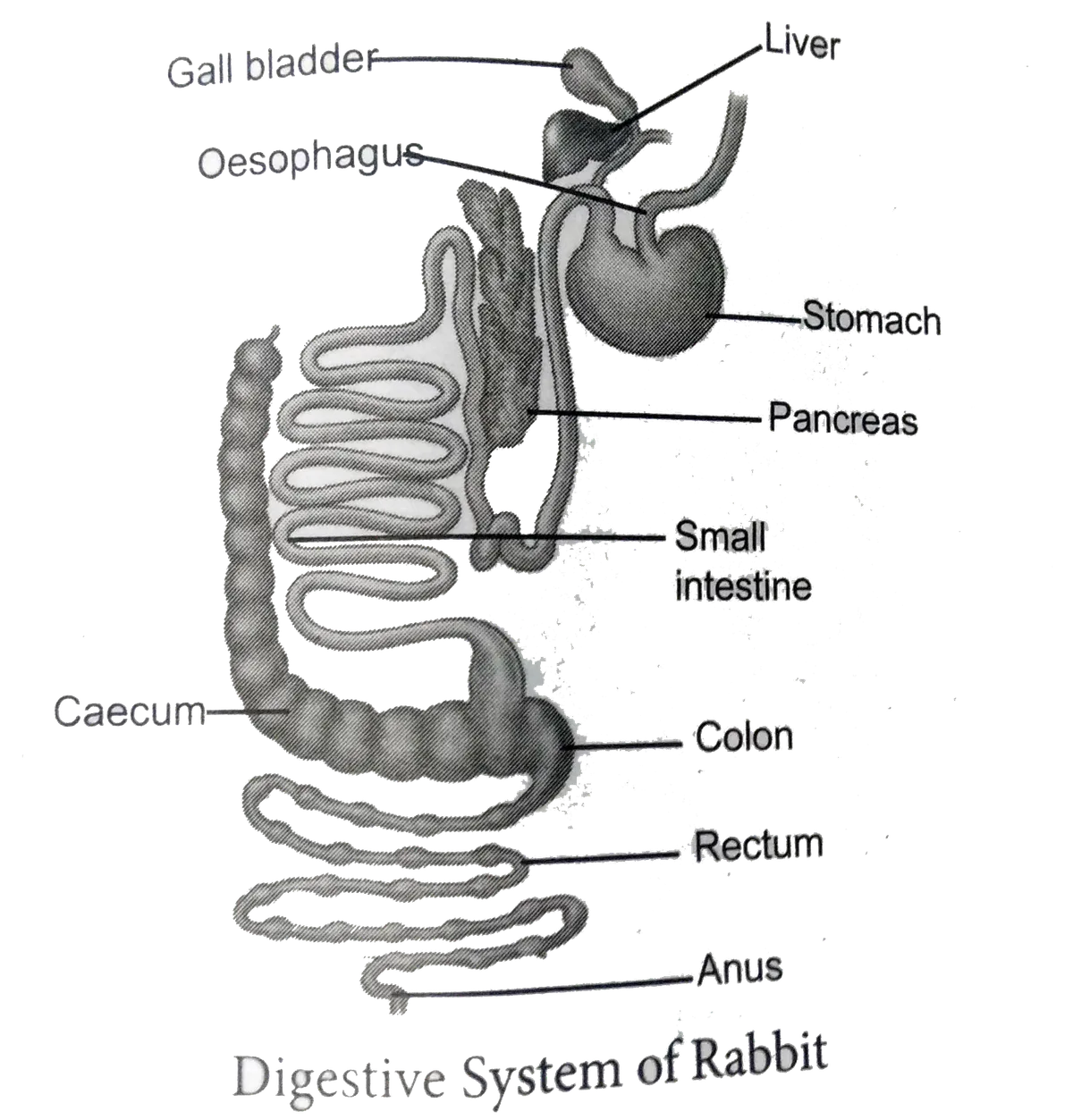
Image source: Web (Bing) / fity.club (Web image (fair-use with source credit))
Deciding If Corn is the Right "Treat" for Your Rabbit
When we talk about giving a rabbit corn, it's important to be very specific about the form it's in. Not all "corn" is the same, and some forms are downright dangerous. The decision about whether to offer it hinges entirely on the type of corn and the context of your rabbit's overall health.
Fresh Corn: Tiny Nibbles Only?
If you're considering offering fresh corn kernels, it's critical to understand this should only ever be a very rare treat, and in minuscule quantities. We're talking about literally one or two kernels for an adult rabbit, maybe once or twice a year at most. It's not something they should get used to or expect.
Even with this extreme moderation, there's still a risk of digestive upset. If you choose to offer it, monitor your rabbit closely for any signs of distress, such as decreased appetite, lethargy, or changes in their droppings. If you see any of these, stop immediately and consult your veterinarian.
For young rabbits, or those with any history of digestive issues, it's best to avoid fresh corn altogether.
Dried Corn, Popcorn, Husks & Cobs: Absolutely Not
- Dried Corn Kernels: These are hard and pose a significant choking hazard. They are also more concentrated in starches.
- Popcorn: This is processed and often seasoned, making it completely unsuitable and potentially harmful for rabbits.
- Corn Husks and Cobs: While a rabbit might chew on these, they are not digestible. Feeding them can lead to dangerous blockages in the digestive tract, known as GI stasis.
Essentially, anything other than a single, fresh kernel is a no-go.
When to Keep Corn Far Away From Your Rabbit
Some rabbits are more susceptible to the negative effects of foods like corn. If your rabbit falls into any of these categories, it's crucial to avoid corn entirely, even in the tiny amounts mentioned. Protecting their sensitive systems is the top priority, and corn simply presents too high a risk for these individuals.
Young Rabbits & Sensitive Digestion
Baby rabbits, known as kits, have digestive systems that are still developing. They are much more vulnerable to imbalances and can easily develop serious health problems from foods like corn. Additionally, if your rabbit has a history of GI stasis, diarrhea, or any other chronic digestive issue, introducing corn would be a very risky choice.
Always stick to the diet recommended by your veterinarian for rabbits with health concerns. Understanding how to care for a baby rabbit involves a very strict diet, and corn is not part of it.
Overweight or Unhealthy Rabbits
Corn is calorie-dense due to its starch and sugar content. For rabbits that are already overweight, feeding them corn would only contribute to further weight gain, which carries its own set of health risks. Similarly, if your rabbit is recovering from an illness or is generally not in peak health, you want to feed them the most easily digestible and beneficial foods.
Corn does not fall into this category.
What to Feed Your Rabbit Instead of Corn
The good news is that there are plenty of safe, healthy, and delicious foods that your rabbit will love. Focusing on their natural diet is the best way to ensure their well-being and happiness. You'll find that rabbits have plenty of exciting options that support their health.
The Core of a Healthy Rabbit Diet: Hay & Greens
The absolute cornerstone of a rabbit’s diet, making up about 80-90%, is unlimited access to high-quality hay. Varieties like Timothy hay, orchard grass, or meadow grass provide essential fiber for digestion and help wear down their teeth. Alongside hay, a daily portion of fresh, leafy greens is vital.
Offer a variety from a list of rabbit-safe options, such as romaine lettuce, parsley, cilantro, and dandelion greens. This forms the bulk of their nutrition and keeps their digestive system running smoothly. Exploring what is the best hay for rabbits can guide you in selecting the ideal staple.

Image source: Bing (Web (fair-use with source credit))
Safe Treat Alternatives
When you want to offer a little something extra, there are many better choices than corn. Small pieces of fruit, like a tiny slice of apple (seeds removed), a few blueberries, or a small piece of banana, can be given as occasional treats. Some rabbit-safe vegetables, like carrots or bell peppers, can also be offered in moderation.
The key is to keep these treats to a very small portion of their overall diet. Remember, treats are for occasional enjoyment, not daily staples.
Common Mistakes Rabbit Owners Make with Corn
One of the biggest mistakes owners make is assuming that because something is a plant, it's safe for their rabbit. This isn't true for corn, which has specific properties that can cause harm. Another common error is offering corn based on what other pets eat, without understanding a rabbit's unique digestive needs.
- Overfeeding: Giving more than a single kernel of fresh corn, or offering it frequently, can lead to digestive upset.
- Feeding Dried or Processed Corn: Thinking popcorn or dried kernels are okay is dangerous due to choking and digestive risks.
- Ignoring the Digestive System: Not understanding that a rabbit's gut is sensitive and easily disrupted is a critical oversight.
- Using Corn as a Staple: Mistaking corn for a healthy part of their diet instead of its true role as a very occasional, risky treat.
- Not Observing for Symptoms: Failing to monitor your rabbit for signs of illness after they consume something unusual.
Feeding Corn: A Decision Guide for Rabbit Owners
Deciding whether to offer corn to your rabbit involves a careful risk assessment. It's not a simple "yes" or "no," but rather a series of questions to ask yourself about your rabbit and the corn itself.
Here’s a quick flow to help you decide:
- Is it fresh corn kernels?
- Yes: Proceed to the next question.
- No (dried, popcorn, cob, husk): DO NOT OFFER. This is unsafe.
- Is your rabbit an adult (over 6 months old)?
- Yes: Proceed to the next question.
- No (baby rabbit): DO NOT OFFER. Too risky for young digestive systems.
- Does your rabbit have any history of digestive issues, sensitive stomach, or is overweight?
- Yes: DO NOT OFFER. The risks outweigh any potential benefit.
- No: Proceed to the next question.
- Are you offering only 1-2 kernels, as a very rare (1-2 times per year) treat?
- Yes: You may choose to offer this tiny amount, but be aware of the risks. Monitor closely for any changes in behavior or droppings for 48 hours. If any issues arise, stop immediately and consult your vet.
- No (more than 2 kernels, more often): DO NOT OFFER. This is too much.
Ultimately, the safest choice for your rabbit's long-term health is to avoid corn altogether and stick to their recommended diet of hay, fresh greens, and appropriate pellets.
Frequently Asked Questions About Rabbits and Corn
Can my baby rabbit eat corn?
No, baby rabbits should absolutely not eat corn. Their digestive systems are still developing and are very sensitive. Even small amounts of corn can cause serious digestive upset and health problems in young rabbits.
Stick to their age-appropriate diet, which usually involves special milk replacer and then transitioning to hay and specialized starter pellets, as guided by resources on how to care for a baby rabbit.
Is corn on the cob safe for rabbits?
Feeding a whole corn on the cob is never safe. The cob itself is not digestible and can cause severe impaction, a life-threatening blockage in the digestive tract. If you choose to offer a fresh corn kernel as a rare treat, it should be just one or two kernels, and only for adult rabbits with no pre-existing health conditions.
What happens if my rabbit eats too much corn?
If a rabbit eats too much corn, they can suffer from severe digestive upset. This includes gas, bloating, diarrhea, and potentially life-threatening gastrointestinal stasis (GI stasis). Their sensitive gut flora can be thrown completely out of balance, requiring immediate veterinary attention.
Can rabbits eat popcorn?
No, rabbits cannot eat popcorn. Popcorn is a processed food, often seasoned, and entirely unsuitable for a rabbit's digestive system. The kernels themselves are also a choking hazard.
How often can I give my rabbit corn?
Our research strongly advises against making corn a regular part of your rabbit's diet. If you choose to offer it at all, it should be a single kernel or two of fresh corn, offered perhaps once or twice a year at most, and only to healthy adult rabbits. It is not a suitable treat for frequent feeding.


