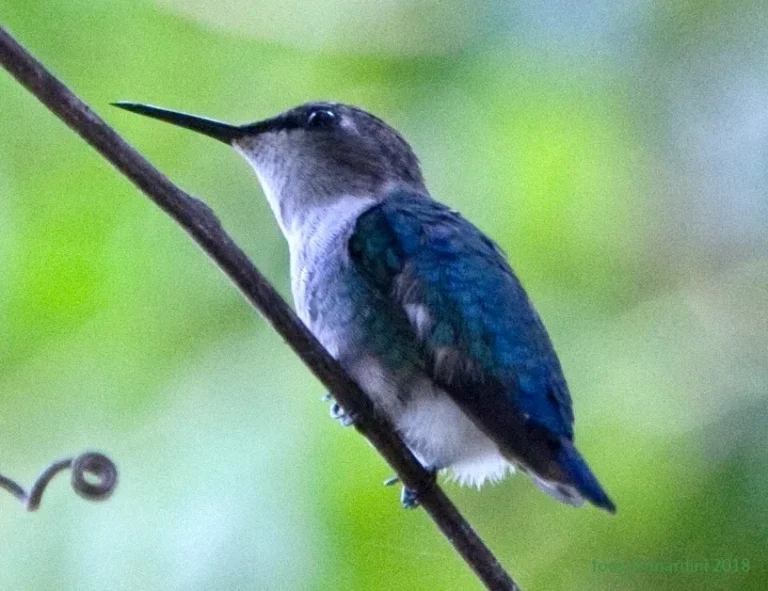
Bird Classification
Bird classification is the process of identifying birds based on their unique physical characteristics and behaviors. By observing specific traits, you can quickly narrow down the possibilities and identify the species in your area.
Understanding bird classification helps you contribute to citizen science programs like those supported by the Cornell Lab of Ornithology. As of 2026, standardized observation remains the most effective way for enthusiasts to track local populations.
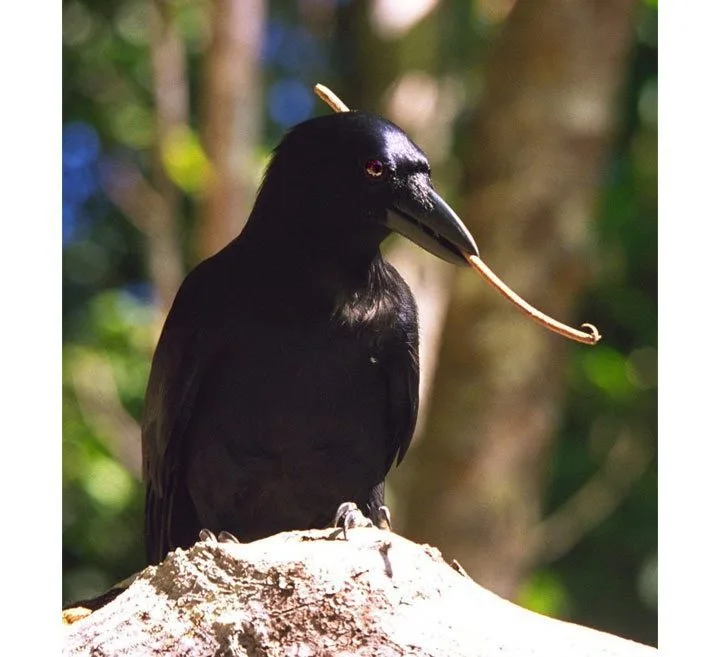
Image source: Web (Bing) / africaimages.com (Web image (fair-use with source credit))
Quick Answer
Bird classification identifies species using physical and behavioral traits. Observers look for shape, color, and unique field marks. Habitat and season also narrow the search for accuracy.
Consistent observation builds identification skills over time.
Beyond the Field Guide: Why Visual Cues Matter More Than Names
You might feel tempted to flip through every page of a heavy field guide the moment you see a bird. Experienced observers know that memorizing names is not the best starting point. Instead, you should focus on the bird's overall presence in its environment.
When you start with the big picture, you filter out dozens of unrelated species in seconds. You can safely ignore small brown birds if you are looking at a large, soaring raptor. This top-down approach simplifies the identification process significantly.
Most beginners fail because they fixate on tiny details, such as the exact shade of a feather, too early. Start by noting the bird's size relative to a common species like a robin or a crow. If you focus on the general proportions first, the specific species becomes much easier to pinpoint.
Mastering the "Jizz": Understanding Shape, Silhouette, and Movement
The term "jizz" refers to the total impression of a bird, including its shape, posture, and flight style. It is the immediate feeling of familiarity you get before you can even see specific feather patterns. Think of it as recognizing a friend from a block away by their walk.

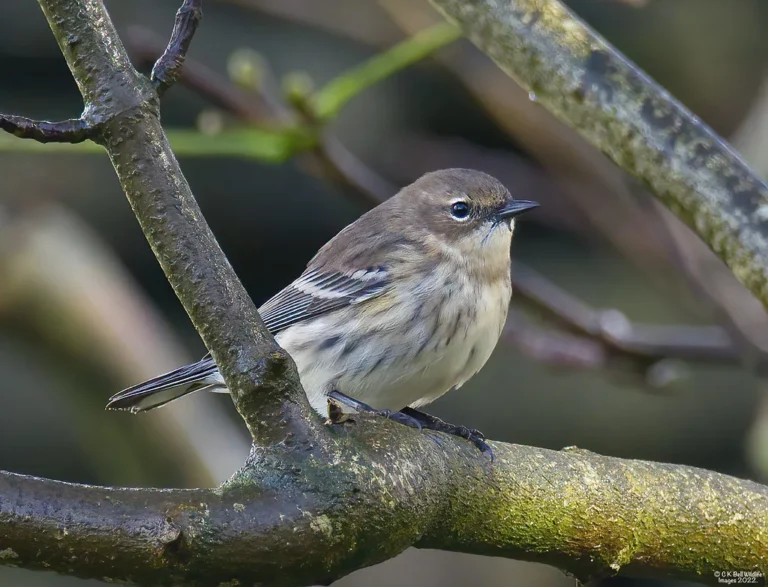
Image source: Web (Bing) / en.wikipedia.org (Web image (fair-use with source credit))
- Posture: Does the bird sit upright like a flycatcher, or does it hunch over like a heron?
- Movement: Look for jerky, nervous movements versus slow, deliberate motions.
- Flight Silhouette: A swallow has long, pointed wings, while a hawk has broad, rounded wings.
By observing these traits, you create a mental profile that eliminates entire families of birds. You do not need perfect lighting to distinguish a woodpecker’s vertical cling from a sparrow’s horizontal hop. These behavioral signatures are often more reliable than plumage in low-light conditions.
Decoding Field Marks: Where to Look When the Bird Lands
Field marks are the specific, static features that remain consistent across a species regardless of the bird's current mood. Once you have a general idea of the shape, you should scan for these distinctive markings. Focus on the head, wings, and rump to find the most useful clues.

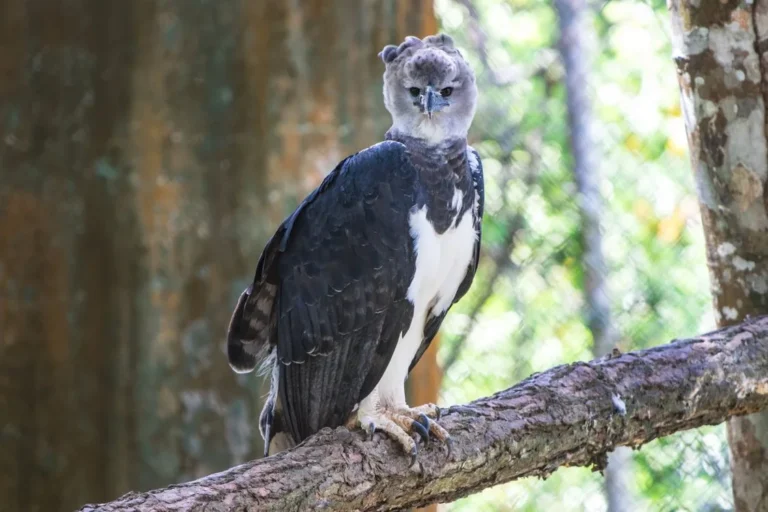
Image source: Bing (Web (fair-use with source credit))
The following table summarizes the most reliable field marks to check during an observation:
| Field Mark | Location | Typical Purpose |
|---|---|---|
| Wing Bars | Wing | Indicates specific sparrow or finch species |
| Eye Rings | Face | Helps distinguish between similar flycatchers |
| Eyeline | Face | Provides contrast to distinguish age or sex |
| Rump Patch | Lower Back | Crucial for identifying flickers and raptors |
If you spot a vibrant patch of color, note its exact location. A flash of white on the rump during flight is a diagnostic feature that separates certain woodpecker species from others instantly. Always look for these permanent markers before assuming you have found something rare.
Contextual Clues: Using Habitat, Range, and Season to Narrow Your List
Geography acts as a powerful filter for your identification efforts. A bird that is common in a coastal marsh will rarely appear in the middle of a dense, dry forest. Checking your American Ornithological Society range map for your specific region will immediately disqualify birds that do not belong in your climate.
Consider the time of year as a fundamental diagnostic tool. Many birds are migratory, meaning they only pass through or reside in an area during specific seasonal windows. If you spot a warbler in the dead of winter, you likely have a resident species or a rare sighting.
- Habitat Check: Is the bird near water, open fields, or woodland canopy?
- Range Check: Is this species documented in your county or state this month?
- Behavioral Context: Is the bird solitary, or is it part of a large, mixed-species foraging flock?
When you combine your physical observations with these geographic realities, your accuracy increases significantly. You effectively reduce the pool of thousands of possible species to a handful of local candidates.
Common Identification Pitfalls: Why Molt and Age Keep You Guessing
Even the most seasoned observers encounter birds that seem to defy classification. The primary culprits are molting, which changes a bird's appearance, and juvenile plumage, which often looks nothing like the adult version. Young birds frequently have streaky feathers that act as camouflage, confusing those looking for vibrant adult colors.
Avoid the "rare bird" trap when you see a bird with unfamiliar markings. Statistically, it is far more likely to be a common species in an unusual stage of development. Consult a guide specifically regarding "juvenile" or "eclipse" plumage before you label a sighting as rare.
If you cannot identify a bird, record its behaviors and take note of the lighting conditions. Sometimes a shadow or a trick of the light makes a common blue jay look black or grey. If you remain unsure, accept the identification as an "unknown" rather than forcing a match that doesn't fit every observed detail.
Tools of the Trade: Balancing High-Tech Apps with Traditional Observation
Modern birding technology offers incredible advantages, but tools are only as effective as the eyes behind them. Binoculars remain the foundational piece of gear for any serious enthusiast. Look for 8×42 specifications, which provide a balanced mix of magnification and light-gathering capability for most outdoor conditions.
Digital identification apps have transformed the field, acting as a portable mentor for quick cross-referencing. They allow you to log sightings, listen to audio samples, and compare photos in real-time. Use these tools to support your observations, but try to form your own conclusion before checking the screen.
- Binoculars: Use 8x or 10x magnification to see fine details like wing bars.
- Field Notebooks: Writing down your thoughts forces you to slow down and notice subtle features.
- Identification Apps: Rely on community-verified databases for real-time validation of your sightings.
If you rely solely on apps to name birds for you, you risk missing the "why" behind the identification. Treat technology as a shortcut to verify your logic, not a replacement for learning how to look. Your memory for shapes and colors will strengthen much faster when you engage with the bird directly.
Frequently Asked Questions About Bird Classification
How do I distinguish between similar species that look almost identical?
Look for subtle differences in the length of the bill or the specific pattern of color on the flanks. Compare the behavior and the environment of the bird against established data for your region. When two species are visually indistinguishable, listen for unique vocalizations or note the time of year to narrow your search.
Does the time of year affect my ability to classify birds?
Yes, seasonal migration shifts the population of birds in your area dramatically. Many species move through specific regions during defined spring and autumn windows. Checking a reliable range map ensures you aren't hunting for a bird that simply doesn't exist in your area during that specific month.
What should I do if I see a bird that does not fit any description in my guide?
Document the bird's size, shape, and unique markings as accurately as you can while it is in sight. Take photos if possible, as digital records provide evidence for later verification. If you remain unsure, contact local birding groups or upload your sighting to a citizen science database for expert feedback.
Are there specific regulations for reporting bird sightings?
Official reporting usually falls under voluntary citizen science participation, so you generally don't face legal requirements. However, always prioritize the safety of the birds by keeping a respectful distance and avoiding habitat disturbance. If you spot a banded bird, follow the instructions provided by the [U.S.
Fish and Wildlife Service](https://www.fws.gov) to report the unique identification number.
Can I identify birds purely by their song?
Auditory identification is a powerful skill, but it takes years of practice to master. Most experienced birders use both visual sightings and vocal cues to confirm their findings. Start by learning the songs of the five most common birds in your backyard before moving on to more complex vocal patterns.