Why Are Geese Aggressive
You've probably seen them, those geese, looking perfectly calm one moment, and then suddenly they're hissing, flapping, and charging like tiny, feathered torpedoes. It's a startling experience that leaves many people wondering, "Why are geese aggressive?" The truth is, their behavior usually stems from strong, natural instincts rather than any personal vendetta against you.
Their actions are often tied to protecting their offspring or their territory, a behavior common in many animal species. For instance, waterfowl parents are known to exhibit heightened defensiveness during the nesting period, which typically spans from March through June in many temperate regions. Understanding these triggers is the first step to avoiding uncomfortable encounters.
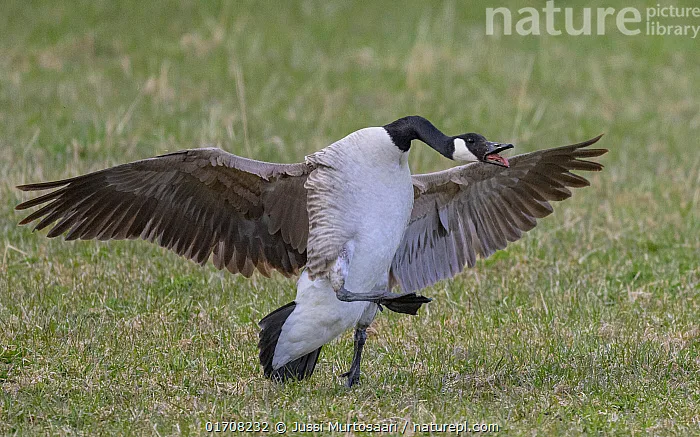
Image source: Bing (Web (fair-use with source credit))
Quick Answer
Geese are aggressive primarily to protect their young, nests, and territories from perceived threats. Their warning signs include lowering their heads, extending their necks, and hissing. If these warnings are ignored, they may charge and bite to defend themselves or their families.
Goose Aggression: It's Not Personal, It's Instinct
The behavior we often interpret as aggression in geese is really their instinct to protect what's theirs. They aren't usually looking for a fight; they're trying to ensure the safety of their family and their resources. When you understand these underlying motivations, their actions start to make a lot more sense, and you can learn how to share space with them more peacefully.
Protecting Their Families and Territory
This is the absolute number one reason you'll see geese getting feisty. Geese are incredibly dedicated parents, and they take their job very seriously. If you get too close to their nest or their goslings, they see you as a direct threat.
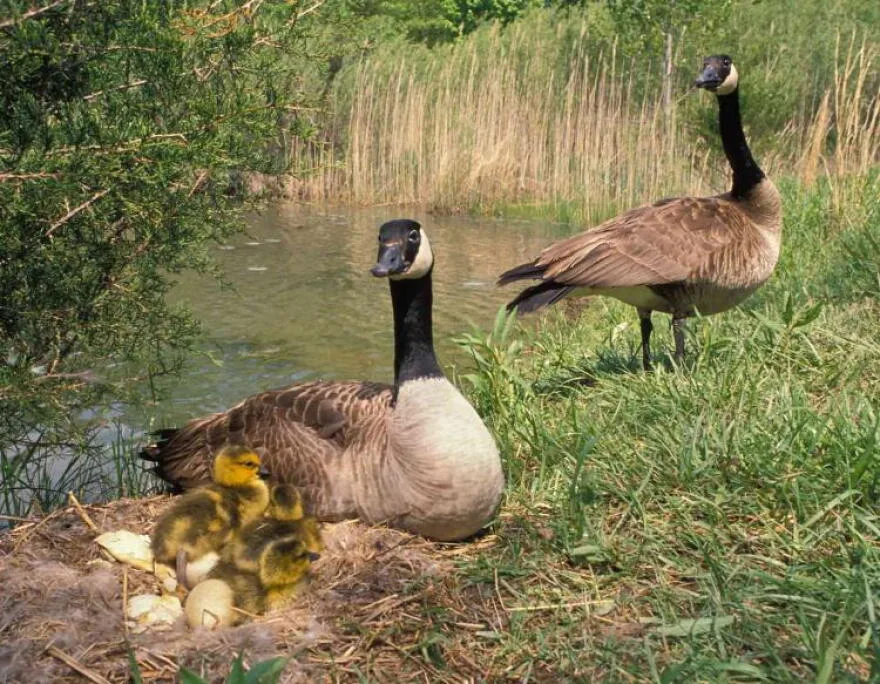
Image source: Bing (Web (fair-use with source credit))
Think of it like a human parent protecting their toddler, their instinct is to immediately remove the perceived danger. A goose's primary goal is to scare you away. They don't want to hurt you, but they will do everything they can to make you feel unwelcome and leave their family alone.
This territorial instinct also extends to their preferred feeding spots or resting areas, especially if resources are scarce. They've claimed that patch of grass or that section of water, and they'll defend it from other geese, other animals, and yes, us humans.
Warning Signals: What Geese Do Before They Act
The good news is that geese usually give plenty of warning before they escalate to a charge or a bite. They're not typically sneaky attackers. Recognizing these signals is key to avoiding confrontation and respecting their boundaries.
- The Low- and-Forward Stance: A goose that lowers its head and extends its neck is telegraphing a clear message: "You are too close." This is a primary defensive posture designed to make them look larger and more intimidating.
- The Audible Hiss: If the visual cue isn't enough, they'll often follow up with a loud, sharp hiss. This sound is their vocal alarm. It’s a definitive warning that they are feeling threatened and are preparing to act.
- Wing Spreading: If the head-down pose and hissing don't do the trick, they might spread their wings. This makes them appear even larger and signals that they are prepared to take more direct action. It's a very strong indication that they are about to charge or make a move.
Learning to spot these signs early can save you from a stressful encounter. It’s like reading a traffic light; the yellow means slow down and prepare to stop before you hit the red.
Real-World Triggers for Goose Aggression
While general protectiveness is the root cause, specific situations really amp up a goose's defensive instincts. Knowing these common triggers can help you navigate shared spaces more safely and respectfully. It's less about avoiding geese entirely and more about understanding their particular hot buttons.
Nesting and Goslings: The Ultimate Defense Zone
If you've ever seen a goose guarding a nest or accompanying a line of fluffy goslings, you've witnessed their fiercest protective instincts. This is arguably the most sensitive time for geese. During nesting season, which often occurs from spring into early summer, both parents become highly vigilant.
They've invested a lot in building that nest and laying those eggs, and their sole focus is on ensuring those eggs hatch and the goslings survive.
When you approach a nesting site or a group of goslings, you are immediately flagged as a potential predator. Even if you have no ill intentions, the goose cannot know that. Your presence is perceived as a threat to their vulnerable young.
As a result, you'll often see them engage in elaborate distraction displays, like the classic "broken wing" act, to lure you away from the nest, or they will become directly confrontational. This heightened aggression is entirely driven by the survival of their lineage, a powerful force in the animal kingdom.
Territorial Disputes: When You Cross Their Line
Beyond protecting their immediate family, geese also have a strong sense of territory. This can manifest in a few ways, affecting their aggression levels. They might be defending:
- Preferred Feeding Grounds: Geese spend a significant portion of their day foraging for food, and they tend to favor certain areas that offer abundant grass or other suitable vegetation. If you are perceived to be encroaching on these prime feeding spots, they may display aggression to assert their claim.
- Roosting Sites: At night, or during periods of rest, geese will seek out safe locations to roost. These sites are crucial for their safety and energy conservation. Disturbing them in these areas can trigger a defensive response.
- General Space: Sometimes, aggression is simply about maintaining a comfortable personal space. If you get too close in a situation where they don't feel threatened by a nesting urge or a specific resource, they might still exhibit defensive behavior to create distance.
These territorial behaviors are not malicious; they are about securing the resources and safety needed for their survival and the survival of their species. Understanding these boundaries helps us to be better observers and less intrusive guests in their environment.
How to De-escalate and Avoid Goose Confrontations
Dealing with aggressive geese isn't about fighting back. It's about recognizing their cues, respecting their space, and knowing how to back down gracefully. The goal is always to de-escalate the situation and ensure everyone, goose and human alike, remains safe and unharmed.
Giving Geese the Space They Need
This is the most crucial piece of advice. The easiest way to avoid a confrontation is simply to not get into one. Geese are wild animals, and they deserve to have their space respected.
When you're in areas where geese are known to be, especially during nesting season or when goslings are present, make a conscious effort to keep your distance.
If you see a group of geese, particularly with young, your best bet is to calmly walk around them, maintaining a wide berth. Imagine you're giving them a buffer zone. This means not trying to get closer for a photo, not trying to walk through their path, and not stopping to observe them too closely.
Respecting their personal bubble is the number one way to prevent them from feeling threatened and resorting to defensive behaviors. As a general guideline, research suggests maintaining at least 25 feet (about 7.6 meters) of distance from any waterfowl, and even more if goslings are present.
Reading Goose Body Language: Signs to Watch For
Before a goose actually charges, they offer a series of clear visual and vocal warnings. Recognizing these signals is like reading a stop sign; it tells you to change your behavior before things escalate further. The key is to be observant and aware of their posture and sounds.
- The Low- and-Forward Stance: A goose that lowers its head and extends its neck is telegraphing a clear message: "You are too close." This is a primary defensive posture designed to make them look larger and more intimidating.
- The Audible Hiss: If the visual cue isn't enough, they'll often follow up with a loud, sharp hiss. This sound is their vocal alarm. It’s a definitive warning that they are feeling threatened and are preparing to act.
- Wing Spreading: If the head-down pose and hissing don't do the trick, they might spread their wings. This makes them appear even larger and signals that they are prepared to take more direct action. It's a very strong indication that they are about to charge or make a move.
Noticing these cues early allows you to calmly back away and give the goose the space it's asking for, thereby preventing any further escalation.
What to Do If a Goose Charges You
If you find yourself in the rare situation where a goose charges, remember that panic is your worst enemy. Running away can sometimes trigger their chase instinct, making the situation worse. The best approach is usually calm and deliberate.
- Do Not Run: Resist the urge to flee at top speed. Instead, turn your side to the goose. This makes you appear less confrontational than facing them head-on.
- Back Away Slowly: While facing partially sideways, slowly and calmly walk backward away from the goose. Keep your eyes on the goose to monitor its actions, but avoid direct, prolonged eye contact, which can be perceived as a challenge.
- Be Big, But Not Aggressive: If the goose continues to advance, you might need to make yourself appear larger without being aggressive yourself. Slowly raise your arms or open your jacket. This can sometimes deter them without provoking a full attack.
- Use a Barrier if Possible: If there’s an object nearby, like a tree, bench, or even your bag, try to slowly move behind it. This can act as a temporary barrier.
The goal is to show the goose that you are retreating and are no longer a threat, allowing them to feel safe enough to stop their aggressive display.
Common Mistakes That Annoy Geese
Sometimes, people unknowingly do things that provoke geese, turning a peaceful encounter into a tense standoff. Understanding these common missteps can help you avoid becoming the reason a goose gets aggressive. It’s often the small, seemingly innocent actions that can trigger their defenses.
The Danger of Feeding Wild Geese
It might feel like a kind gesture, but feeding wild geese is one of the most common ways people inadvertently cause problems. While you might intend to help, feeding them disrupts their natural foraging behaviors and can lead to a host of issues. Geese that are regularly fed by humans become habituated, meaning they lose their natural fear of people.
This can make them bolder and more likely to approach humans aggressively when they expect food.
Furthermore, the types of food people often offer, like bread, are not nutritionally sound for geese. This can lead to health problems for the birds, such as "angel wing" or metabolic disorders. When geese associate people with easy, unhealthy food, they can become demanding and aggressive towards anyone they think might be a food source.
Official wildlife guidelines, like those provided by the U.S. Department of Agriculture (USDA), strongly advise against feeding wild waterfowl to maintain their health and natural behaviors.
Sudden Movements and Loud Noises
Geese have keen senses, and sudden, unexpected actions can startle them easily. This startling can quickly turn into a defensive reaction. If you're walking near geese and suddenly break into a run, wave your arms wildly, or shout, you might provoke an aggressive response.
They interpret these sudden actions as a threat.
Think about it from their perspective: if something large and noisy suddenly appeared and moved erratically, you might feel threatened too. They are constantly on alert for predators, and your sudden movements could mimic the behavior of an animal that intends to harm them or their young. Even seemingly innocent actions, like children running and yelling near geese, can be perceived as aggressive behavior.
It's best to approach areas with geese calmly and quietly, moving predictably to avoid triggering their fight-or-flight instincts.
Expert Insights on Living Alongside Geese
Living harmoniously with wildlife, including geese, requires a bit of knowledge and respect. Our research indicates that understanding goose behavior patterns is the most effective strategy for coexisting peacefully. Rather than viewing them as inherently aggressive, we should see their actions as a response to environmental cues and perceived threats.
For instance, aggregate animal behavior studies show that geese, like many bird species, exhibit stronger territorial and protective instincts during their breeding and nesting seasons. This heightened defensiveness is crucial for the survival of their young. By educating ourselves on these natural instincts, we can better predict their behavior and adjust our own actions accordingly.
This proactive approach minimizes the chances of startling or threatening them, thereby reducing the likelihood of aggressive encounters.
Frequently Asked Questions About Goose Behavior
Why do geese hiss at people?
Geese hiss as a clear warning signal that they feel threatened or are defending their territory or young. It's their way of saying, "Back off," before they resort to more direct actions like charging or biting.
Are all geese aggressive?
Not all geese are aggressive all the time. Aggression in geese is typically situational, driven by factors like nesting, protecting goslings, or defending their territory. Outside of these specific circumstances, they can be quite passive.
Can geese cause serious harm?
While a goose bite can be painful and their wing flaps can sting, they rarely cause serious, long-lasting harm to humans. The primary risk is more about fear, startling, and potential falls when trying to get away quickly.
When is goose nesting season?
Goose nesting season typically occurs in the spring, generally from March through June in temperate climates. This is when they are most likely to be territorial and protective of their eggs and young.