Fastest Birds in the World
Identifying the fastest birds in the world is a common point of confusion for nature lovers everywhere. It is easy to get caught up in the hype surrounding high-speed aerial predators and swift migratory species.
The confusion usually starts with how we measure speed, as gravity plays a massive role in top-end records. As of 2026, scientific consensus suggests we must separate gravity-assisted dives from sustained level flight to find the truth.
Quick Answer
The Peregrine Falcon is the fastest bird in the world. It reaches 240 mph during a hunting dive. The White-Throated Needletail holds the record for level flight.
It flies at speeds exceeding 100 mph. These speeds rely on different flight mechanics and anatomy.
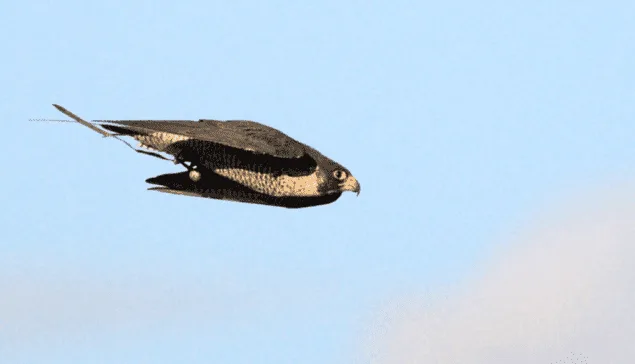
Image source: Bing (Web (fair-use with source credit))
Why "Fast" Is Not One-Size-Fits-All
Speed in the bird world is rarely a single number. We typically categorize avian velocity into two distinct modes: the stoop and level flight. If you do not account for these categories, your data points will clash.
The stoop is a gravity-assisted dive. Think of it like a skydiver tucking their limbs to reach terminal velocity. In contrast, level flight requires the bird to generate all its forward motion using its own muscle power.
When researchers study these speeds, they rely on GPS telemetry to track movement in the wild. High-speed cameras also help capture wing beats. Understanding this distinction is vital to appreciating the physical feats these animals perform.
The Physics of the Stoop: How Peregrine Falcons Break Records
The Peregrine Falcon (Falco peregrinus) is the undisputed champion of the high-speed dive. During this maneuver, the falcon tucks its wings tight against its body to reduce aerodynamic drag. This posture creates a tear-drop shape that allows it to slice through the air.
This dive is not just about speed. It is a highly specialized hunting tactic used to strike prey mid-air. The bird reaches speeds often exceeding 200 mph, with some records clocking in near 240 mph.
This speed creates immense physical pressure on the bird. The falcon must maintain total control while closing the gap with its target. If it lost orientation for even a second, the impact would be catastrophic.
The Need for Speed: Defining Level Flight Champions
Level flight is where we see the true endurance athletes of the sky. The White-Throated Needletail (Hirundapus caudacutus) consistently clocks in at speeds over 100 mph. It does this without the help of a gravity-assisted dive.
Unlike the Peregrine, these birds use their raw biological engine to maintain high velocities. They are built for long-distance migration and aerial hunting. They spend most of their lives on the wing, rarely touching the ground.
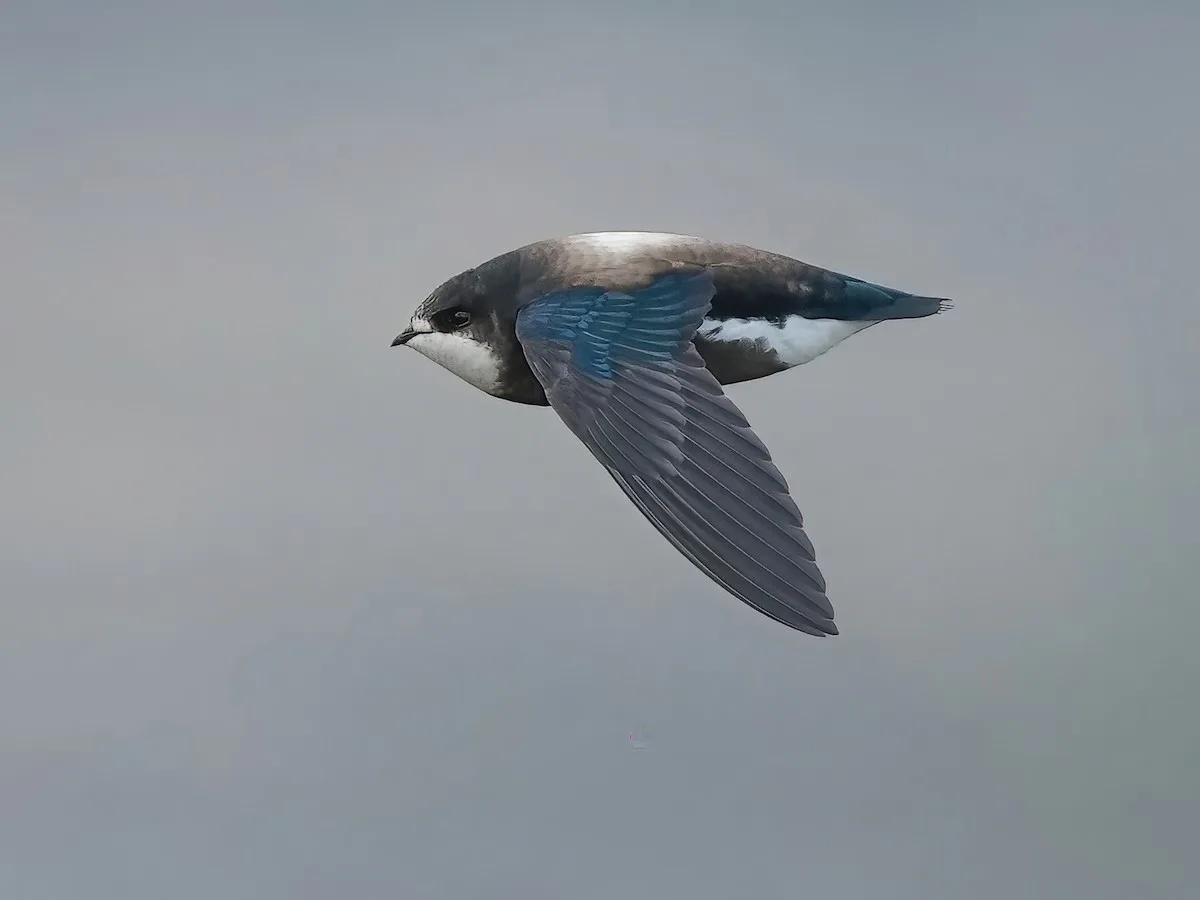
Image source: Bing (Web (fair-use with source credit))
- Long Wings: Their pointed, swept-back wing structure minimizes drag.
- Stiff Feathers: Rigid primary feathers prevent fluttering during high-speed travel.
- Heart Capacity: A massive relative heart size allows for sustained aerobic output.
Key Biological Adaptations for High-Velocity Flight
High speed causes major physiological problems for birds. The air pressure at 200 mph is strong enough to damage sensitive tissues. Nature has provided several clever solutions to keep these birds safe while in motion.
One of the most fascinating features is the presence of bony tubercles. These small structures sit inside the nostrils. They act as baffles to slow down incoming air before it reaches the lungs.
Without them, the high-pressure air would make it difficult to breathe during a high-speed dive.
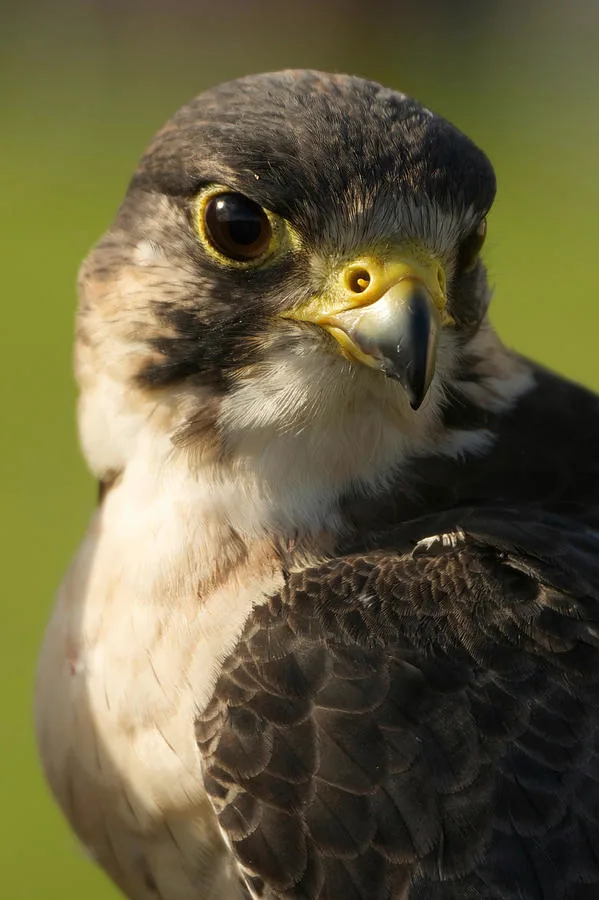
Image source: Bing (Web (fair-use with source credit))
Birds also utilize a nictitating membrane. This is a clear third eyelid that sweeps across the eye to protect it from debris. It acts like a pair of high-speed goggles, ensuring the bird can keep its vision locked on the target while moving at extreme velocities.
Analyzing the Data: Level Flight vs. Gravity-Assisted Speed
We can organize the records by comparing how these birds handle their movement. The following table illustrates why we categorize them separately when evaluating their performance.
| Bird | Speed Type | Mechanics | Top Capability |
|---|---|---|---|
| Peregrine Falcon | Dive (Stoop) | Gravity + Wing Tuck | 240+ mph |
| Golden Eagle | Dive (Stoop) | Gravity + Weight | 150-200 mph |
| White-Throated Needletail | Level Flight | Flapping Power | ~105 mph |
| Common Swift | Level Flight | Flapping Power | ~69 mph |
You will notice the gap between the two categories is significant. The stoop relies on potential energy converted into kinetic energy. Level flight relies entirely on metabolic output and muscle efficiency.
Researchers at the Cornell Lab of Ornithology often note that level flight speed is actually more impressive from an evolutionary standpoint. It requires the bird to sustain high-energy expenditure for hours or days. Dives are brief, calculated moments of intense energy.
Common Misconceptions About Avian Speed
You might hear people claim that a specific bird is the fastest in every situation. This is almost always a mistake because it ignores the environment. A bird that dominates in a high-altitude dive will often struggle to maintain that same speed in level, horizontal flight.
Another common error is confusing burst speed with cruising velocity. Some birds reach incredible speeds for a few seconds to catch prey or avoid a threat. However, they cannot sustain that pace for more than a brief moment.
Their metabolism simply cannot handle the fuel consumption required for prolonged maximum effort.
We also see confusion regarding wind assistance. A bird flying with a strong tailwind will record a much higher ground speed than its actual airspeed. Scientists use wind-tunnel data to isolate the bird’s performance from external factors.
Do not be fooled by radar tracking alone, as it often measures movement relative to the ground rather than the air itself.
Frequently Asked Questions About the World’s Fastest Birds
How do birds avoid blacking out during high-speed dives?
Peregrine falcons avoid blacking out by controlling their breathing and blood pressure. Their specialized anatomy, including their bony tubercles, manages airflow pressure in the lungs. They also have an incredible heart rate that can top 600 beats per minute.
This allows them to maintain oxygen flow to their brain while navigating intense G-forces.
Can any bird outrun a car on the highway?
Yes, several birds can easily outpace a car driving at typical highway speeds. A Peregrine Falcon in a stoop is more than twice as fast as a vehicle traveling at 70 mph. Even in level flight, birds like the White-Throated Needletail can exceed the speed limit of most roads.
They are masters of the air and are not constrained by paved routes.
Why don't all birds evolve to be faster?
Speed is extremely expensive in biological terms. A bird built for maximum speed must sacrifice maneuverability and energy efficiency. Most birds do not need to hunt like a falcon or migrate across entire continents, so they don't benefit from high-speed adaptations.
Evolution prioritizes survival traits like camouflage and general foraging agility over raw velocity.
Is the Common Swift the fastest bird in level flight?
The Common Swift is a strong performer, but it is not the fastest in level flight. That title usually goes to the White-Throated Needletail. Swifts are famous for their ability to stay in the air for ten months at a time without landing.
They are the kings of endurance rather than raw top-end horizontal speed.
How do researchers verify these speed records?
Researchers verify records using a combination of GPS tracking and high-speed motion capture. These tools allow scientists to see exactly how a bird moves through three-dimensional space. By filtering out wind speed and measuring the bird relative to the air, they establish accurate benchmarks.
This data is then vetted by peer-reviewed journals before it becomes the accepted standard.