Can House Finches Live in Cities
You've probably seen them around, those little brownish birds with the cute red or reddish-brown markings, especially on the males. They're pretty common, but have you ever stopped to wonder if they're actually thriving in our bustling cities? I've spent a good chunk of time observing birds in all sorts of environments, and let me tell you, house finches are surprisingly good city dwellers.
It's not just a "maybe." They've really carved out a niche for themselves right alongside us.
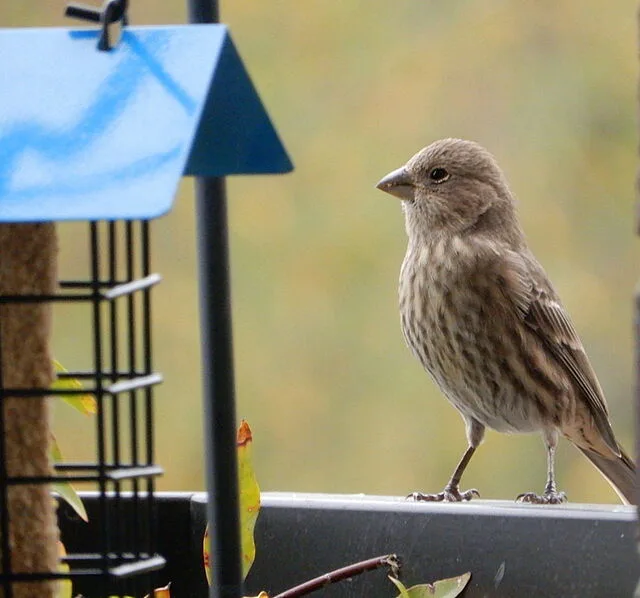
Image source: Bing (Web (fair-use with source credit))
Quick Answer
Yes, house finches can and do live in cities. They thrive in urban and suburban areas by adapting to human-altered landscapes, readily utilizing available food sources and nesting sites. Their flexible nature allows them to coexist with human populations.
Why Cities Aren't Scary for House Finches
Think about it: what do cities offer that a wilder area might not? For a house finch, it's a bit of a smorgasbord. These adaptable birds have shown a remarkable ability to integrate into environments shaped by human activity, finding both sustenance and shelter.
Their presence is a testament to their resilience.
Food, Glorious Food in the Urban Jungle
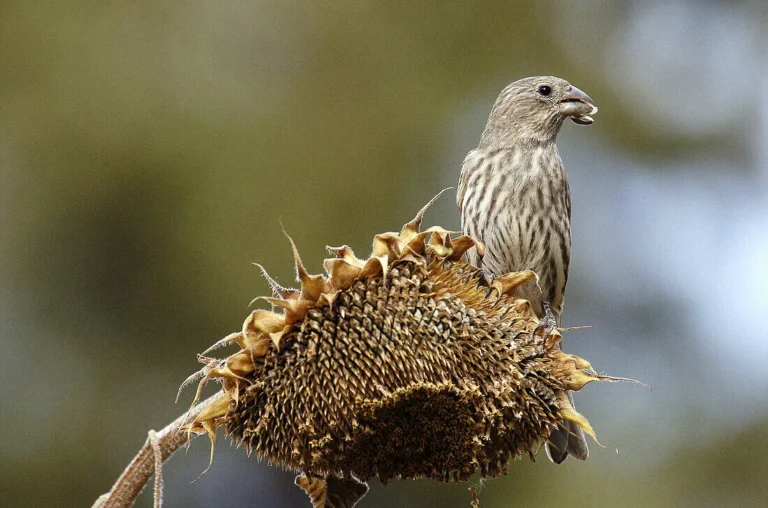
Cities are treasure troves for opportunistic eaters, and house finches are certainly that. You'll often find them scavenging at bird feeders, pecking at discarded food scraps in parks, or even nibbling on urban vegetation. This readily available food supply is a major reason they can survive and even flourish in built-up areas.
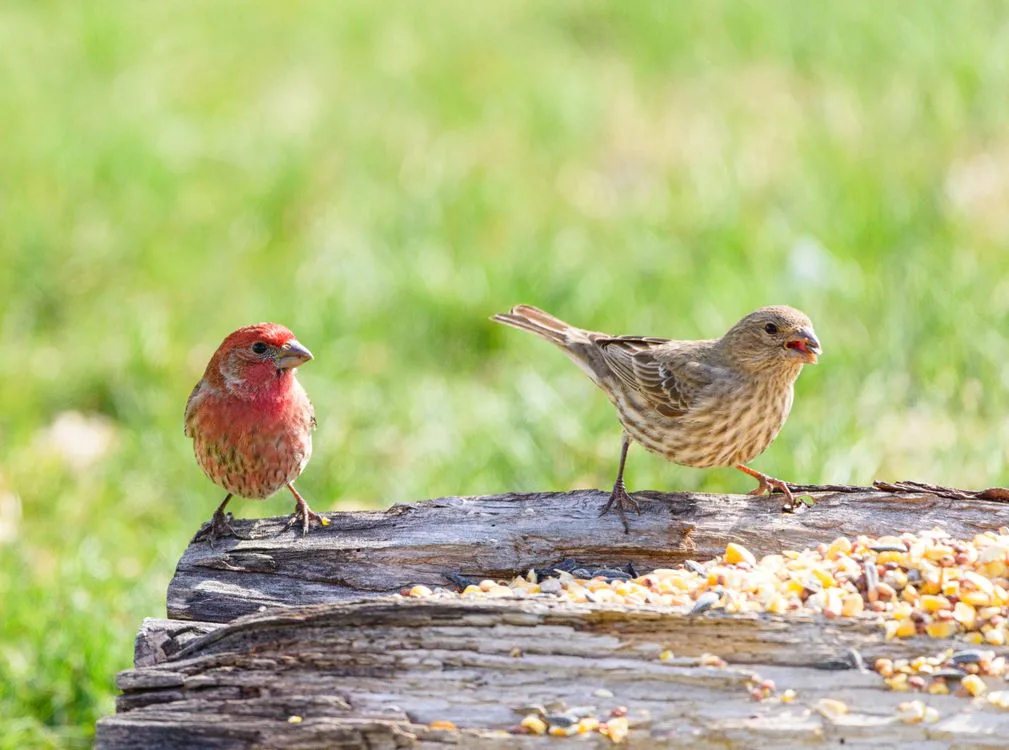
Image source: Web (Bing) / pexels.com (Web image (fair-use with source credit))
Our research indicates that urban bird feeders, common in residential neighborhoods across North America, provide a consistent and reliable food source for species like the house finch. This supplements natural food availability, especially during lean months. This consistent access to high-energy seeds and suet significantly aids their survival and breeding success within city limits.
Safe Havens for Nesting Amidst the Buildings
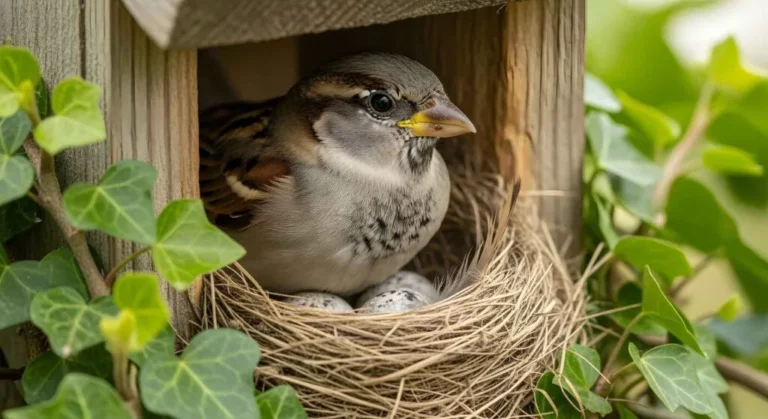
While they might not build their nests in the middle of a busy street, cities offer plenty of suitable spots for house finches. They're not picky about natural cavities; instead, they readily use nooks and crannies in buildings, eaves, window ledges, and even dense shrubs in residential gardens and parks. These structures provide shelter and a safe place to raise their young.
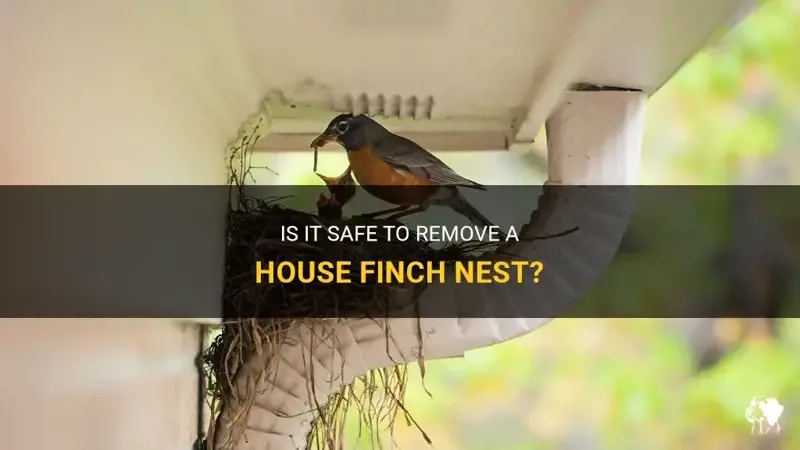
Image source: Web (Bing) / petshun.com (Web image (fair-use with source credit))
The United States Geological Survey (USGS) Patuxent Wildlife Research Center notes that birds like the house finch often benefit from the structural diversity of urban environments. These environments can offer protection from weather and predators that might be more prevalent in less developed areas. This urban nesting preference is a key factor in their widespread presence.
A Quick Look at Their Urban Journey
It's interesting to note that house finches weren't always city slickers. They actually used to be found mostly in the western parts of North America, preferring arid and semi-arid regions. But sometime around the mid-20th century, they started to spread eastward.
And guess what? Cities and suburbs were a big part of their expansion route.
They've shown a remarkable ability to colonize new areas, and our urban environments have been a perfect launching pad for them. This expansion is a classic example of how species can adapt and exploit new ecological niches.
From Western Wilds to City Skylines
Historically, the house finch (Haemorhous mexicanus) was confined to the drier landscapes of the western United States and Mexico. Their original habitat typically consisted of scrublands, deserts, and open woodlands where food sources like seeds and fruits were available seasonally. This traditional range was characterized by a more natural, less human-dominated environment.
However, as human settlements and agriculture expanded, the house finch began to adapt. Early observations from ornithologists in the late 1800s and early 1900s documented their increasing association with human-modified areas even in the west. These included farms and gardens.
This foreshadowed their later success in more urbanized settings.
How They Expanded Eastward
The significant eastward expansion of the house finch into areas where they were not originally found is a well-documented phenomenon in avian ecology. This range expansion is largely attributed to their introduction to the eastern United States, likely through the pet trade, around the mid-1940s. Birds released or escaped from captivity in the New York metropolitan area began establishing breeding populations.
From these initial points of introduction, their population grew, and they spread outward. This dispersal was greatly facilitated by the very environments that humans created: suburban backyards with feeders and ornamental plants, urban parks, and agricultural edges. They effectively utilized the resources and structures these landscapes provided, much like they did in their native western habitats but on a much larger and more integrated scale.
What This Means for You
If you've got a backyard, a balcony, or even just a window that overlooks a park, chances are you're seeing house finches regularly. They're a common sight at bird feeders, happily munching on sunflower seeds and other treats. Their presence is so widespread that they've become an integral part of the urban soundscape and visual tapestry.
So, yeah, they absolutely can and do live in cities. They're a testament to how adaptable nature can be, finding ways to thrive even in the most human-dominated landscapes. It’s pretty cool to think about, right?
Their ability to thrive alongside us offers a unique perspective on urban ecology.
Spotting House Finches in Your Neighborhood
Identifying house finches is generally straightforward, making them a favorite for casual birdwatchers in urban settings. The males are the most distinctive, featuring vibrant reddish or reddish-brown coloring on their forehead, throat, and breast, often with a streaky brown back and belly. Females and young birds are a more subdued streaky brown overall, but they share the characteristic small, conical bill adapted for cracking seeds.
You'll typically find them in areas with trees, shrubs, and, importantly, human presence. This includes residential backyards, city parks, suburban gardens, and even areas around commercial buildings that have landscaping. Their calls are a cheerful, chirpy series of notes, often heard while they are foraging or perched nearby.
A key indicator of their urban presence is their comfort around human activity and their frequent visits to backyard bird feeders. According to data compiled by organizations like the Cornell Lab of Ornithology, house finches are among the most common visitors to feeders across much of North America. Their willingness to feed on readily available seeds like sunflower and nyjer makes them easy to spot if you set up a feeder.
Frequently Asked Questions
Do house finches migrate in cities?
House finches generally do not migrate out of cities in the traditional sense. While some populations may shift their range slightly with seasonal food availability or extreme weather, many house finches are year-round residents in urban and suburban areas where they have access to consistent food and shelter. They are highly adaptable to these environments.
Are house finches considered pests in urban areas?
House finches are not typically considered pests in urban areas. While they can be common visitors to bird feeders and may sometimes be seen foraging in gardens, they generally do not cause significant damage. Their presence is usually welcomed by bird enthusiasts, and they are a natural part of the urban ecosystem.
What do house finches eat in the city?
In cities, house finches primarily eat seeds, buds, and small fruits. They are particularly fond of seeds from bird feeders, such as sunflower and nyjer seeds. They will also forage for weed seeds, grains, and sometimes insects, especially when feeding their young.
Their diet is varied and opportunistic, fitting their adaptable nature.
How do house finches deal with city noise?
House finches seem to tolerate urban noise levels fairly well, often becoming accustomed to the sounds of city life. While loud or sudden noises can still startle them, their ability to adapt means they can effectively function and breed in noisy environments. Their communication calls can sometimes be heard above background urban sounds.
Can house finches survive a city winter?
Yes, house finches can definitely survive a city winter. Their adaptability to human-altered landscapes means they often have access to reliable food sources like bird feeders and residual seeds from gardens, even when natural food is scarce. They also find shelter in urban structures and dense vegetation, helping them stay warm.