Smallest Birds in the World
The smallest birds in the world are remarkable feats of evolution that defy traditional expectations of size. These miniature creatures navigate complex environments with high-speed precision while maintaining a delicate balance for survival.
As of 2026, scientific consensus identifies the Bee Hummingbird as the lightest and shortest avian species on record. You will find these birds primarily in restricted island habitats where they depend on specific ecological conditions to thrive.
Quick Answer
The Bee Hummingbird is the smallest bird in the world. It measures about 2 inches in total length. These birds weigh less than 2 grams.
They are endemic to the island of Cuba. Most other tiny birds are significantly heavier than this species.
The Incredible Biology of the World’s Smallest Birds

Image source: iNaturalist / Irene
The anatomy of the smallest birds in the world is a masterclass in biological efficiency. These birds possess skeletal structures and feather arrangements designed to reduce weight while maximizing maneuverability. Their wings are structurally rigid but capable of rotating at the shoulder to enable hovering flight.
Unlike larger birds that rely on gliding, these species use a figure-eight wing stroke to generate lift on both the forward and backward paths. This mechanism allows them to pause mid-air to extract nectar from tubular flowers. It is an energy-intensive process that requires specialized muscle fibers.
Their bodies are finely tuned to their environment. Research published by the Smithsonian Institution confirms that high-frequency wing beats demand incredible levels of oxygen. Their respiratory systems are highly efficient, allowing them to process air even during the rapid movements required for foraging.
Visual Cues: How to Spot a Bee Hummingbird in the Wild
Spotting a creature that weighs less than a dime requires patience and a shift in perspective. You should look for erratic, darting movements rather than a recognizable bird shape. Their flight path is often jerky, punctuated by sudden stops and starts as they move between blossoms.
Listen for the signature sound. It is a soft, high-pitched buzz that mimics the noise of a large insect. If you hear this sound near bright, trumpet-shaped flowers, stop moving entirely.
They are sensitive to vibration and will flee if they sense a threat.
Focus your eyes on the mid-level of the canopy or near clusters of flowers. They do not typically perch in open view where larger predators can see them. Use binoculars with a short close-focus distance, as standard birding gear is often designed for larger subjects at a distance.
Why Size Matters: The High-Stakes Metabolism of Tiny Birds
Image source: Web (Bing) / pexels.com (Web image (fair-use with source credit))
Small size brings a massive metabolic cost that dominates the daily life of these birds. Because they have a high surface-area-to-volume ratio, they lose body heat at a rate that would be fatal to larger animals. They must consume nectar roughly every few minutes to keep their fuel levels stable.
This reliance on constant caloric intake creates a dangerous window for survival. If they are unable to feed due to rain or extreme cold, they face immediate starvation. To manage this, they enter a state called torpor during the night.
Torpor is a controlled drop in body temperature and heart rate. It prevents them from burning through their energy reserves while they sleep. They remain in this state until the first light of day allows them to warm up and resume feeding.
The Trade-offs of Being Small: Survival vs. Fragility
Being the smallest bird in the world comes with significant risks. Their physical fragility makes them vulnerable to environmental hazards that larger species ignore. Strong winds or heavy rain can prevent them from flying, effectively cutting off their access to food.
Predation is a unique challenge for these species. They are often targets for insects like large dragonflies or spiders that catch them in webs. Because they are so small, they lack the defensive capabilities of larger birds, such as strong beaks or aggressive flock behavior.
| Risk Factor | Impact on Small Birds |
|---|---|
| Wind Speed | Disrupts hovering and flight paths |
| Temperature | Forces early entry into torpor |
| Predation | Higher vulnerability to invertebrates |
| Habitat Loss | Extremely narrow range limits recovery |
They also depend on specific local ecosystems for survival. They are not migratory in the same way larger birds are, meaning they cannot easily move to better climates. Habitat preservation is the only real buffer against these inherent biological limitations.
Geographic Distribution: Where the Smallest Species Live
The Bee Hummingbird is exclusively found on the island of Cuba. They reside in coastal forests and shrublands where nectar-bearing plants are abundant throughout the year. Because their range is so restricted, they are highly sensitive to any changes in local land use.
Other tiny species have different geographical requirements. The Weebill, for example, is endemic to Australia and thrives in eucalyptus woodlands. They occupy a different ecological niche, focusing on insects and canopy resources rather than flower nectar.
These birds do not travel vast distances between continents. They live within small, localized territories where they know every food source. If those specific local environments are cleared for development, the birds have nowhere else to go.
This makes them excellent indicators of local ecological health.
Comparing the Contenders: Bee Hummingbird vs. Other Tiny Species
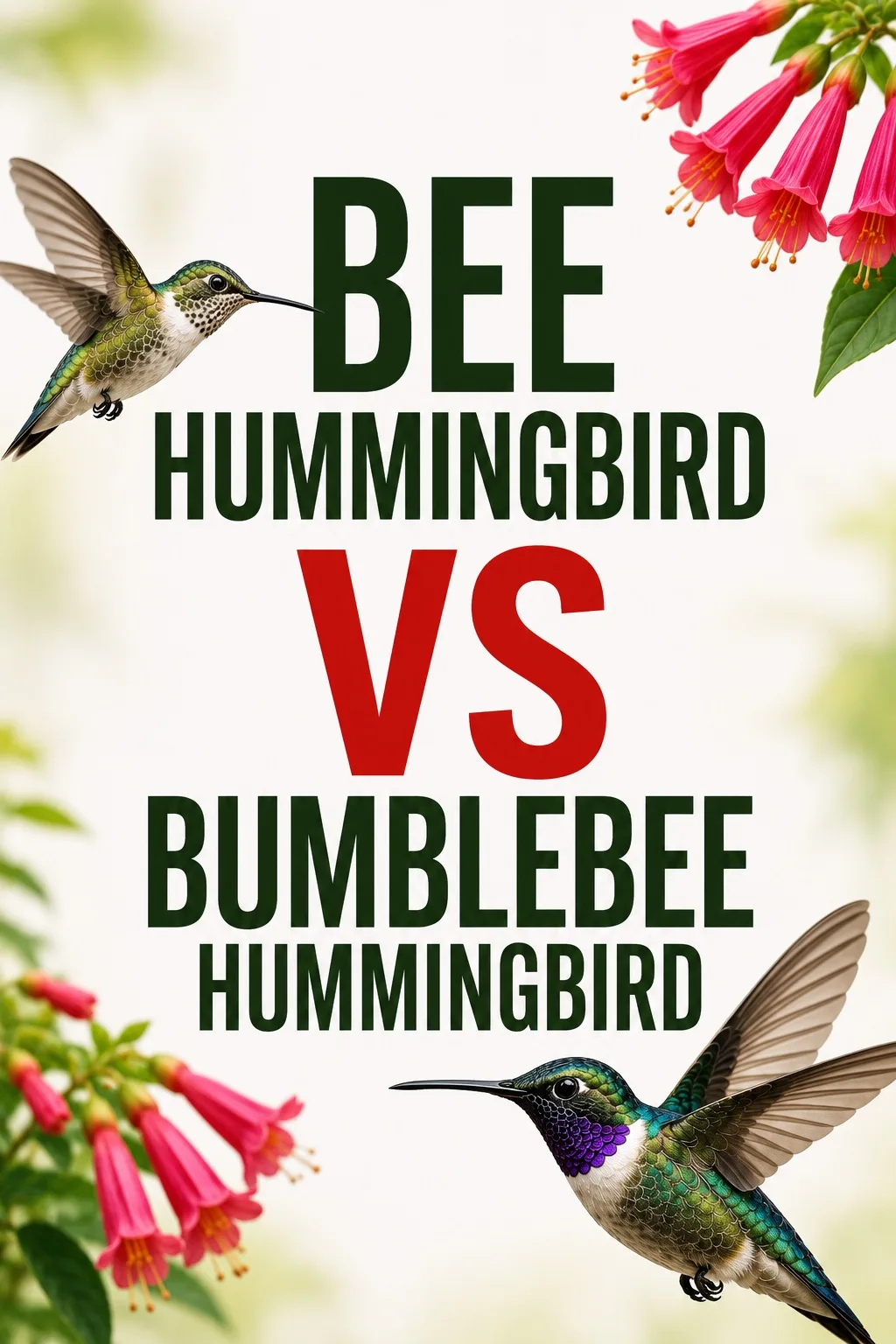
Image source: Bing (Web (fair-use with source credit))
Comparing the Bee Hummingbird to other small species reveals how different environments shape body size. While the Bee Hummingbird holds the world record for mass, the Weebill of Australia or the Goldcrest of Europe occupy similar tiny niches. These birds have evolved to survive in distinct climates, and their sizes reflect their specific dietary needs.
The Goldcrest is perhaps the most common comparison for European observers. It is noticeably larger than a hummingbird, typically weighing around 5 to 6 grams. You can identify them by their bold, striped crown feathers rather than the metallic, shimmering plumage found on hummingbird species.
The following table highlights the differences in size and distribution for these tiny birds.
| Species | Primary Region | Average Weight | Key Identifier |
|---|---|---|---|
| Bee Hummingbird | Cuba | 1.8 grams | Iridescent throat |
| Weebill | Australia | 6.0 grams | Pale yellow underside |
| Goldcrest | Europe | 5.5 grams | Striped crown feathers |
Expert Field Tips for Birders and Photographers
If you plan to observe these birds, you need to adjust your expectations and your gear. The main challenge for photographers is the speed of movement. You need a fast shutter speed, usually at least 1/2000th of a second, to capture a clear image of a hummingbird in flight.
Use a tripod to stabilize your camera, as tracking such a small, fast-moving target by hand is nearly impossible. Many successful photographers also use high-speed flash setups to freeze the wing movement. This technique produces the crisp detail needed to distinguish plumage patterns.
For birders, the best approach is to stay stationary near a known food source. Avoid wearing bright clothing, as these birds are highly alert to visual threats. If you remain still for long enough, their natural curiosity may lead them closer to your position.
Frequently Asked Questions
What do the smallest birds eat to survive?
Bee Hummingbirds are nectarivores that feed primarily on the nectar of tubular flowers. They also consume small insects and spiders to provide the necessary protein for their high-energy lifestyle. They are essential pollinators for many of the plants within their restricted range.
How do they survive during heavy rain?
Heavy rain is a significant threat to such small birds because it quickly chills their bodies. They typically seek shelter under large, protective leaves to keep their plumage dry. If the weather becomes too severe, they may enter torpor to conserve energy until conditions improve.
Are these tiny birds endangered?
Many of the smallest bird species face threats from habitat loss and climate change. The Bee Hummingbird, for instance, is currently classified as near-threatened by the IUCN Red List. Preservation of their specific forest habitats is the primary method for ensuring their long-term survival.
Can I attract these birds to my yard?
You can attract hummingbirds to your yard by planting native, nectar-rich flowers that match their bill shape. Avoid using pesticides, as these chemicals kill the insects they rely on for protein. Consistent, clean water sources like misting fountains are also helpful, as they enjoy bathing in light sprays.
Do they migrate long distances?
Most of the world's smallest birds are non-migratory or cover very limited distances. They occupy permanent territories because their metabolic needs require constant access to local, reliable food sources. This makes them highly specialized to the unique environment of their home regions.