What Do Cockatiels Eat
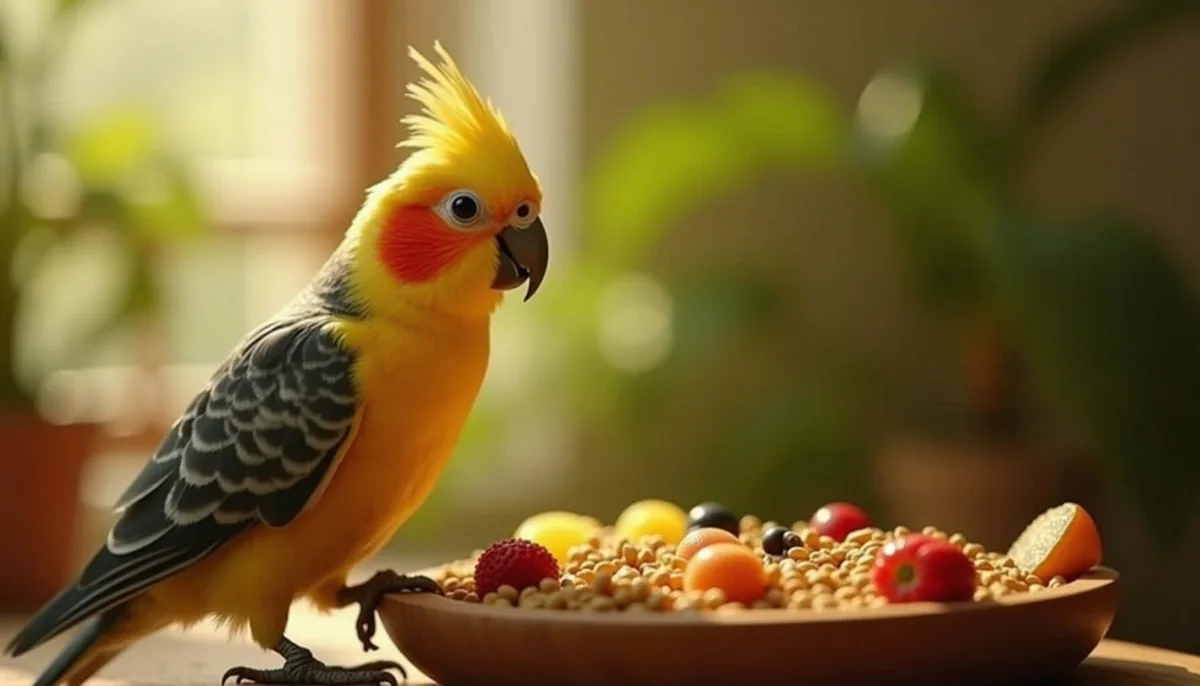
Image source: Bing (Web (fair-use with source credit))
When you're wondering what do cockatiels eat, it's easy to think birdseed is the whole answer. But for a truly healthy and happy bird, their diet needs a lot more thought and balance. Providing the right nutrition is one of the most impactful ways you can ensure your feathered friend thrives for years to come.
Our research indicates that a diet primarily of high-quality pellets, supplemented with fresh foods, is crucial. This approach helps prevent common health issues associated with unbalanced nutrition. As of 2026, leading avian veterinarians strongly recommend this feeding strategy over traditional seed-heavy diets.
Quick Answer
Cockatiels eat a diet of high-quality bird pellets, supplemented with fresh vegetables and some fruits. Seeds should be a treat, not the main food source. Avoid toxic foods like avocado, chocolate, and alcohol.
A balanced diet promotes long-term health and prevents deficiencies.
The Foundation: Why Pellets Are Key for Your Cockatiel
If you're looking at what to feed your cockatiel, the absolute cornerstone should be a reputable brand of bird pellets specifically formulated for them or medium-sized parrots. Think of these as the vitamin-enriched, perfectly balanced meals that cover all their nutritional bases. When we look at the nutritional breakdown, these pellets are designed to offer a comprehensive blend of vitamins, minerals, and proteins that seeds simply can't provide on their own.
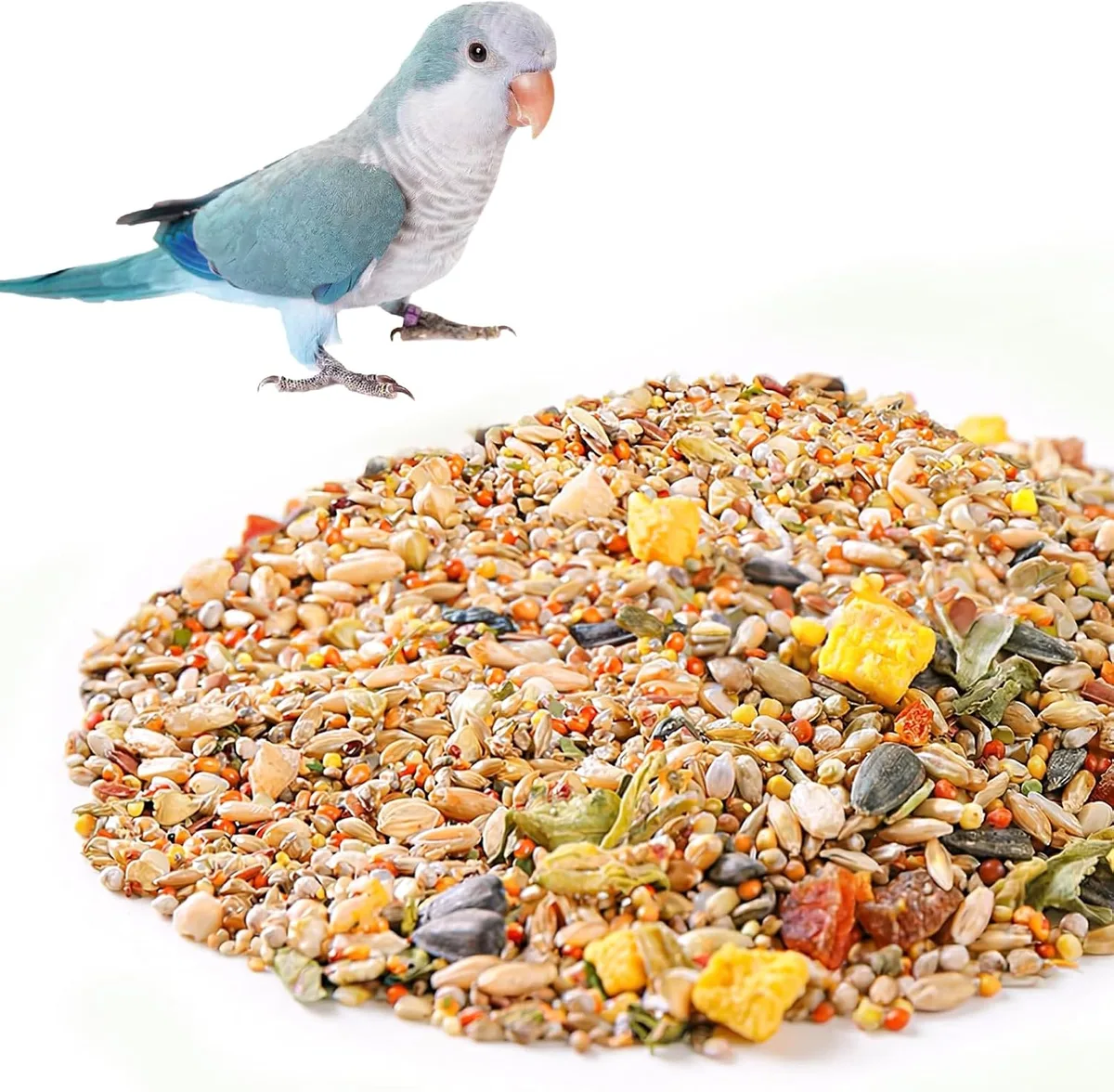
Image source: Bing (Web (fair-use with source credit))
Why Seeds Aren't Enough
So, why are seeds not the main event? While cockatiels love to crack them open and they can be a fun part of foraging, seed mixes are typically very high in fat and can be quite deficient in essential nutrients. If you only feed seeds, your bird will likely pick out their favorites (usually the fattiest ones) and leave the healthier parts, leading to a severely unbalanced diet.
This can contribute to a range of health problems, including obesity, fatty liver disease, and poor feather quality. Aggregate user feedback and veterinary reports consistently show that seed-based diets are a primary cause of preventable health issues in pet birds.
Beyond Pellets: Boosting Health with Fresh Foods
Pellets are the foundation, but a vibrant cockatiel diet absolutely needs fresh foods mixed in. These additions provide extra vitamins, minerals, fiber, and moisture, making their meals more interesting and beneficial. It’s like adding a variety of fruits and vegetables to your own plate, it just makes everything better.
Our research suggests that incorporating a range of fresh items daily can significantly boost your bird’s overall health and immune system.
Healthy Veggies for Your Bird
Most leafy greens are fantastic for cockatiels and make up a significant portion of their fresh food intake. Think about offering things like:
- Leafy Greens: Romaine lettuce, spinach, kale, Swiss chard, dandelion greens.
- Other Vegetables: Broccoli florets and stems, carrots (grated or chopped), bell peppers (any color), zucchini, peas, green beans, cooked sweet potato or squash.
It’s best to offer these raw and washed. You can chop them into bite-sized pieces or even offer a whole stalk for them to nibble on.
Fruit as a Sweet Treat (In Moderation!)
Fruits are a wonderful way to add a bit of sweetness and extra vitamins, but they should be given in smaller quantities than vegetables. This is because fruits tend to be higher in natural sugars. Think of them as a special treat.
Good fruit options include:
- Apples (always remove the seeds, as they contain cyanide)
- Berries (strawberries, blueberries, raspberries)
- Melon (cantaloupe, honeydew, watermelon)
- Bananas
- Mango
- Papaya
Always wash fruits thoroughly and remove any large pits or seeds before offering them to your bird.
Seeds: A Small Part of the Picture
We’ve talked about how seeds shouldn't be the main food, but they don't have to be completely eliminated. Many owners use seeds as a training tool or a small, occasional treat. A good rule of thumb, supported by veterinary guidance from organizations like the Association of Avian Veterinarians, is to limit seed mixes to about 10-15% of your cockatiel's total diet.
This ensures they get the bulk of their nutrition from pellets and fresh foods.
Millet sprays are a popular choice and are often used as foraging toys or rewards during training sessions. They provide mental stimulation and are something many cockatiels enjoy. However, they are still seeds, so while they’re great for enrichment, they shouldn’t form the bulk of their daily caloric intake.
Foods That Are Dangerous for Cockatiels
This is an incredibly important section, because some common human foods are not just unhealthy for cockatiels; they can be downright toxic and even fatal. Knowing these is non-negotiable for responsible bird ownership. Our research pulls from veterinary advisories and toxicity studies to highlight these critical warnings.
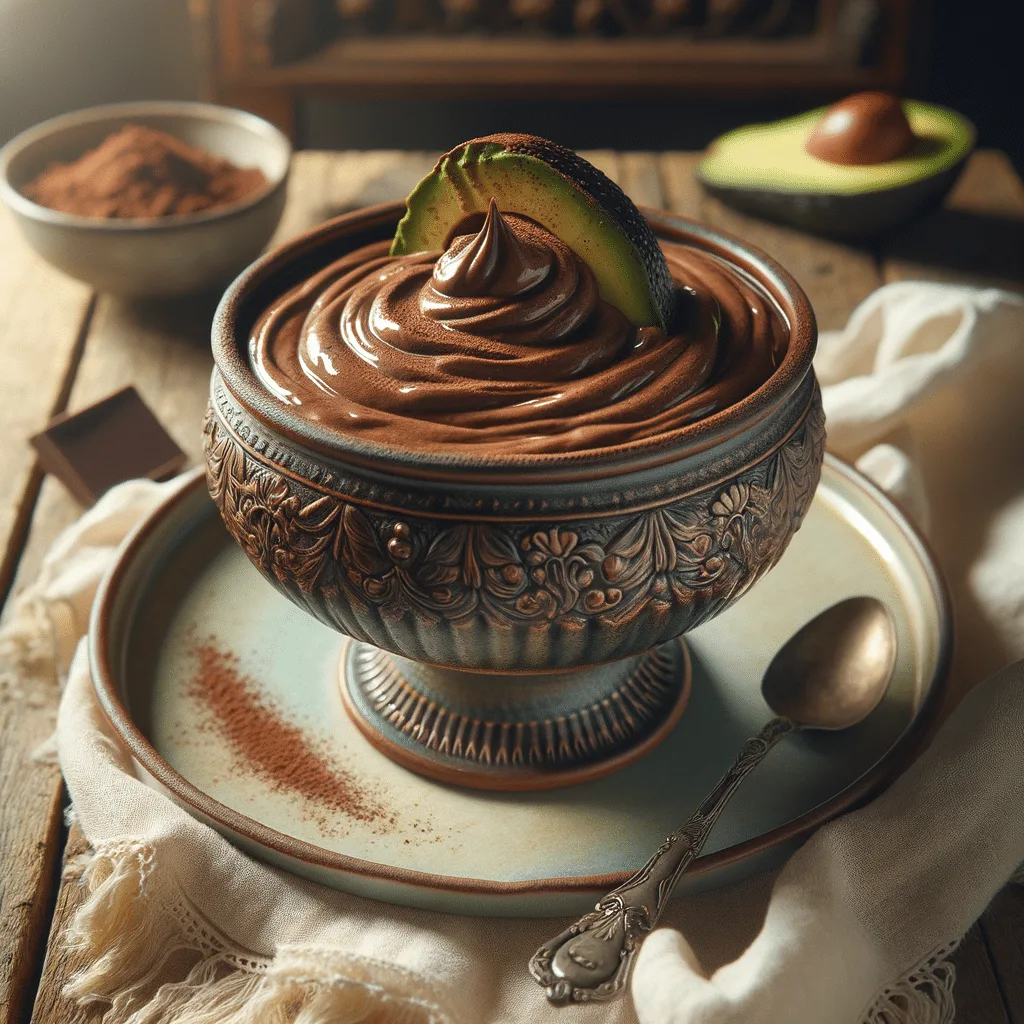
Image source: Web (Bing) / recipesmania.com (Web image (fair-use with source credit))
The Big No-Nos: What to Absolutely Avoid
Here’s a list of foods that should never be offered to your cockatiel:
- Avocado: This is a highly toxic food for birds and can cause rapid organ failure. It is absolutely forbidden.
- Chocolate: Contains theobromine, which is toxic to birds and can affect their heart and nervous system.
- Caffeine: Found in coffee, tea, and some sodas, caffeine is a stimulant that can be dangerous for birds.
- Alcohol: Even small amounts can be detrimental.
- Onion and Garlic: Can cause blood abnormalities in large quantities. It’s best to avoid them entirely.
- Salty, Sugary, or Fatty Human Foods: Processed snacks, fast food, and anything heavily seasoned are not suitable.
- Fruit Pits and Seeds: Seeds from apples, pears, cherries, peaches, and apricots often contain cyanide compounds and must be removed.
Making the Diet Switch: A Patient's Guide
If your cockatiel is currently on a seed-heavy diet, switching to a more balanced pellet and fresh food regimen can take time and patience. Birds are creatures of habit, and they often need encouragement to try new things. According to general avian care guidelines, a gradual transition is always recommended.
Here’s a common approach that works for many owners:
- Start Mixing: Begin by mixing a small amount of the new pellets into their existing seed dish. This allows them to investigate the new food without feeling like their familiar meal is gone.
- Gradually Increase Pellets: Over a week or two, slowly increase the ratio of pellets to seeds. You can start with 25% pellets and 75% seeds, then move to 50/50, then 75/25, and eventually 100% pellets.
- Introduce Fresh Foods Daily: Offer a small portion of fresh vegetables or fruits each day, separate from their pellet or seed mix. This helps them associate new tastes and textures with positive meal times.
- Be Persistent and Observe: Some birds adapt quickly, while others might take weeks or even months. Don't give up if they initially ignore the new foods. Watch for signs of weight loss or lethargy, which might indicate they aren't eating enough during the transition.
- Consult Your Vet: If you're encountering significant resistance or are concerned about your bird's intake, your avian veterinarian can offer tailored advice and support.
When to Call the Bird Doctor
While we aim to give our cockatiels the best possible care, sometimes things come up that are beyond our immediate knowledge. If you notice any significant changes in your bird's eating habits, droppings, or overall demeanor, it's always best to err on the side of caution and contact an avian veterinarian. They are the experts when it comes to bird health and can accurately diagnose and treat any issues that might arise from their diet or other causes.
Warning Signs to Watch For
- Sudden refusal to eat: If your cockatiel stops eating entirely or drastically reduces their intake for more than 24 hours, it’s a serious concern.
- Changes in droppings: Look for watery droppings, unformed droppings, or a significant change in color or consistency that persists.
- Weight loss: Birds can hide illness well, so regular weigh-ins (especially during a diet change) can be crucial. A veterinarian can show you how to do this safely.
- Lethargy or unusual behavior: A quiet, puffed-up, or unusually inactive bird could be a sign of illness.
- Vomiting or regurgitation: While some regurgitation can be a mating display, persistent or forceful expulsion of food is not normal.
Why an Avian Vet is Crucial
Remember, birds are very different from mammals. They have unique metabolisms and physiological systems. A veterinarian specializing in avian care has the specific knowledge and diagnostic tools needed to address bird-specific health concerns.
They can confirm if your current diet is appropriate, identify nutritional deficiencies, or diagnose and treat illnesses that might be related to diet or other factors. Don't hesitate to reach out to them for advice or an examination; their expertise is invaluable for your cockatiel's well-being.
Frequently Asked Questions About Cockatiel Diet
How much should I feed my cockatiel daily?
You should provide about 2-3 tablespoons of food daily, with the majority being high-quality pellets. This amount can vary based on the bird's size, activity level, and metabolism. Always ensure fresh water is available.
Can I feed my cockatiel human table food?
Generally, no. Most human table food is too salty, sugary, or fatty for cockatiels. Only specific, plain, cooked foods like brown rice or certain cooked vegetables in small amounts are acceptable, and never anything seasoned or processed.
How do I know if my cockatiel is getting enough nutrients?
A healthy cockatiel will have bright eyes, clear skin, vibrant feathers, and consistent droppings. If they are on a balanced diet of primarily pellets with fresh food supplements, they are likely getting sufficient nutrients. Regular veterinary check-ups are the best way to confirm.
How long can a cockatiel survive without food?
A cockatiel can only survive a few days without food. Birds have high metabolisms, and lack of food quickly leads to severe health deterioration. If your bird hasn't eaten for 24 hours, it's a critical situation requiring immediate veterinary attention.
What if my cockatiel only eats seeds?
Switching a seed-addicted cockatiel to a healthier diet requires patience. Gradually introduce high-quality pellets by mixing them with seeds, slowly increasing the pellet ratio over weeks. Offer fresh vegetables and fruits daily, and be persistent.
Consult an avian vet if you face significant challenges.