Can Cockatiels Talk
Image source: Web (Bing) / reddit.com (Web image (fair-use with source credit))
So, you're wondering if your cockatiel can join the conversation? That's a fantastic question, and the short answer is yes, they absolutely can learn to talk! However, it's a bit different from how some other birds, like certain parrots, pick up words.
Cockatiels are brilliant mimics, especially with whistles and tunes. While they can imitate human speech, it often comes out as a softer, more jumbled sound than you might expect. Per avian behavior studies, their vocal learning capabilities are strong but lean more towards melodic imitation than clear, distinct human words.
Quick Answer
Yes, cockatiels can talk by mimicking human speech, but they're generally better at whistling. They learn sounds through repetition and positive reinforcement. Not all cockatiels will learn words, and their speech might be softer or less clear than other bird species.
How Cockatiels Learn to Make Sounds: Mimicry Explained
Cockatiels are natural mimics, and this is the bedrock of their ability to "talk." They don't understand language like we do; instead, they pick up sounds from their environment and repeat them. It’s a behavior rooted in their social instincts, where mimicking flock sounds helps them bond and communicate within their group. In the wild, this means learning calls from other cockatiels.
In our homes, it means learning the sounds we make.

They have a remarkable ability to learn new sounds throughout their lives, but they're often most receptive to learning when they are young. This includes everything from the jingle of keys to a specific whistle you might use to get their attention. Our research indicates that the more complex the sound, the more repetition and patience it requires for them to imitate it accurately.
They can learn words, short phrases, and even mimic other household noises.
Encouraging Your Cockatiel to "Talk": Steps and Tips
Getting your cockatiel to try out some words is all about creating the right environment and being a consistent teacher. It’s a fun process that strengthens your bond, but remember, it takes time and patience.
Start Them Young
Younger birds, especially those weaned and independent but still young, tend to be more sponges for new sounds. Their brains are wired for rapid learning and adaptation. If you've just brought a young cockatiel home, this is an ideal time to start introducing new sounds.
It’s much easier to establish vocal habits early on than to retrain an older bird.
Consistency is Key
To help your cockatiel learn a word or phrase, you need to say it consistently. Don't just say "hello" once in a blue moon. Use it every time you greet them, every time you enter the room, or every time you leave.
This repetition helps them associate the sound with a specific context, making it easier for them to learn. Our analysis of avian vocal learning shows that predictable, repeated exposure is more effective than sporadic attempts.
Positive Reinforcement Works Wonders
When your cockatiel makes a sound that’s even close to what you’re teaching, make a big deal out of it!
- Verbal praise: Use an excited, happy tone of voice.
- Head scratches: If your bird enjoys them, gentle scritches can be a great reward.
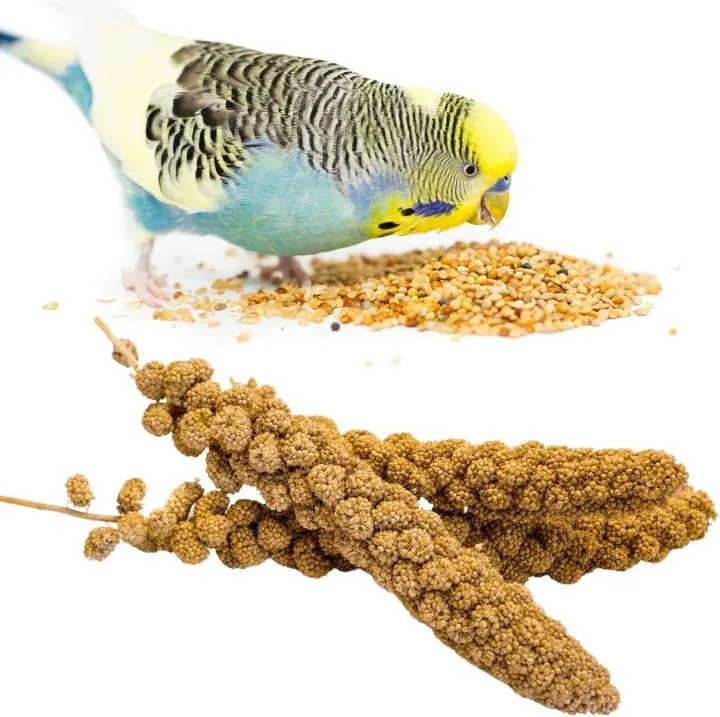
- Small treats: A tiny piece of their favorite fruit or seed can be a powerful motivator.
This positive association helps them understand that making those specific sounds leads to good things. This method aligns with principles used in animal training research, such as operant conditioning, where desired behaviors are rewarded.
Talk to Your Bird!
The more you talk to your cockatiel, the more opportunities they have to hear and learn. Narrate your daily activities, sing songs, or just chat about what you're doing. They love to feel included.
The key is to use clear, enthusiastic speech. Think of it as creating a rich auditory environment for them, similar to how they’d learn from a flock.
Simple Words First
Don't overwhelm your bird with long sentences right away. Start with one or two simple, clear words.
- "Hello"
- "Bye-bye"
- "Pretty bird"
- Their own name
Once they've mastered a few simple sounds, you can gradually introduce more complex words or short phrases. This gradual approach prevents confusion and builds their confidence as they succeed with each new sound.
When Your Cockatiel Isn't a Chatty Cathy: What to Expect
It’s super important to remember that not every cockatiel will become a chatterbox. Just like people, birds have different personalities and aptitudes for vocal learning. Some are naturally more inclined to mimic speech, while others might prefer to focus on whistling complex melodies or simply chirping contentedly.
If your cockatiel isn't picking up words, it doesn't mean they're not intelligent or bonded with you. They might be perfectly happy communicating through whistles, chirps, and body language. Our research on companion birds indicates that focusing solely on speech can overlook other rich forms of avian communication and interaction.
It’s crucial not to put undue pressure on your bird to perform.
Common Mistakes When Training Cockatiels to Talk
Trying to teach your cockatiel to talk can sometimes lead to a few common slip-ups that might hinder progress or even frustrate both you and your bird. One of the most frequent errors is inconsistency; if you're not regularly practicing and reinforcing desired sounds, your cockatiel won't have enough exposure to learn them.
Another mistake is expecting results too quickly. Avian vocal learning takes time, and birds learn at their own pace. Pushing them too hard or getting frustrated can actually make them more hesitant to vocalize.
Overly complex words or phrases from the start can also be overwhelming. Per guidelines from avian behaviorists, starting with single, clear syllables and short words yields better initial results. Finally, punishing or scolding your bird for not talking or for making "wrong" sounds is counterproductive and can damage your bond.
Building a Bond Beyond Words: The Value of Cockatiel Companionship
Even if your cockatiel never utters a word, their ability to connect with you is profound. Their intelligence and capacity for affection shine through in many ways. They can learn to recognize you, respond to your presence, and enjoy interactive play.
Our research highlights that focusing solely on speech can diminish appreciation for a bird's other communication methods, like body language, wing postures, and distinct chirps.
A cockatiel's presence can bring joy and reduce stress. Their melodic whistles or enthusiastic chirps can be incredibly soothing. Building a strong bond is about mutual understanding and interaction, not just vocal mimicry.
This connection is built through consistent positive interaction, trust, and providing a stimulating, safe environment where they feel secure and loved.
Understanding Their Body Language
Paying attention to your cockatiel's subtle cues is key to a strong relationship. A puffed-up bird might be content or ready for a nap. Pinning eyes can indicate excitement or agitation.
Wing stretches can signify happiness or a need to relieve stiffness. Learning these signals helps you respond appropriately to their needs and moods, deepening your bond.
Playtime and Interaction
Engaging your cockatiel in supervised playtime outside their cage is vital. Offering a variety of toys, from simple shreddables to puzzle toys, keeps their minds sharp and prevents boredom. Interactive games, like gentle peek-a-boo or teaching them to step onto your finger, are excellent ways to build trust and encourage engagement.
These activities are more rewarding than focusing solely on vocal output.
Frequently Asked Questions About Cockatiel Vocalization
Can all cockatiels talk?
No, not all cockatiels can talk. While many have the capability to mimic sounds and some words, it depends heavily on their individual personality, age when training begins, and the consistency of the training provided. Some birds are simply more vocal than others.
How long does it take for a cockatiel to learn to talk?
The timeframe varies greatly. Some young cockatiels might start mimicking sounds within weeks of consistent training, while others may take months or even a year to pick up their first clear word. It's a process that requires patience and consistent effort from the owner.
What if my cockatiel only whistles and doesn't talk?
This is perfectly normal and does not mean your cockatiel is any less of a companion. Many cockatiels excel at whistling complex tunes and melodies, which can be just as enjoyable and impressive. Appreciate your bird's unique vocal talents and focus on building a strong bond through other interactions like play and affection.
Are there specific breeds of cockatiels that are better talkers?
There isn't a specific breed or color mutation of cockatiel that is definitively proven to be a better talker. Individual personality and the environment they are raised in play a much larger role than genetics in their vocal abilities.
Should I speak to my cockatiel constantly if I want them to talk?
Speaking to your cockatiel regularly and clearly is beneficial for exposure to sounds. However, constant chatter isn't always necessary; consistent, focused training sessions and using key words during your daily interactions are more impactful than simply talking at them all the time.