Can Macaws Talk
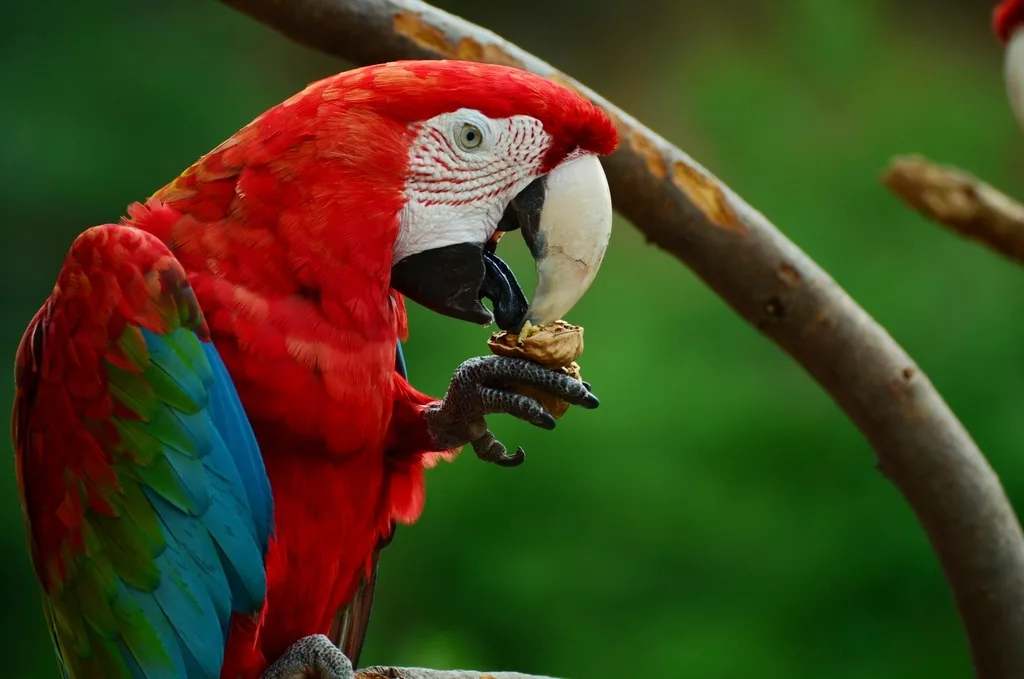
Image source: Openverse / Openverse contributor
Can Macaws Really Talk? Understanding Their Vocal Skills
Ever watched a video of a parrot seemingly having a chat and wondered if your own feathered friend could do the same? Many people are fascinated by the idea of talking birds, and macaws often come to mind. The truth about whether macaws can talk is a bit more nuanced than a simple yes or no.
Macaws are incredibly intelligent and social creatures, known for their vibrant personalities and impressive vocal capabilities. They don't "talk" in the way humans do, understanding complex language. Instead, they excel at mimicry, learning to imitate sounds they hear in their environment, which can include human speech.
Research indicates that parrots, including macaws, possess specialized vocal anatomy and neural pathways that facilitate this complex sound learning.
Quick Answer
Yes, macaws can talk by mimicking human sounds and other environmental noises. They are not understanding language but are imitating what they hear. Their ability to learn and "talk" varies significantly by individual bird, species, and the amount of interaction they receive.
Macaws: Masters of Mimicry, Not Meaning
Image source: Bing (Web (fair-use with source credit))
When we talk about birds "talking," it's crucial to understand what that really means. Macaws are not having conversations in the way humans do, where words carry abstract meaning and intent. Instead, they are incredibly skilled vocal mimics.
They learn to reproduce sounds they hear frequently in their environment, and this can include human words, phrases, laughter, or even sounds like telephones ringing or doorbells. This ability is a testament to their intelligence and their social nature, as vocalization is a key part of flock communication.
The Difference Between Talking and Imitating
The key distinction lies in comprehension. A macaw might learn to say "hello" and associate it with someone entering a room, but it doesn't grasp the concept of greeting in a human sense. It's learned that a specific sound pattern occurs during a particular event.
Think of it like a very sophisticated echo. This mimicry is often driven by a desire to bond with their human flock members or to gain attention. Their vocal cords and syrinx (the avian vocal organ) are structured to produce a wide range of sounds, making them excellent at picking up nuances.
What Influences a Macaw's Ability to Vocalize?
A macaw's capacity to learn and use vocalizations isn't uniform. Several factors play a significant role in how well an individual bird will mimic speech.
- Species and Genetics: While all macaws are parrots, some species might show a greater propensity for vocal learning than others. Individual birds within a species also have genetic predispositions.
- Age: Younger macaws, much like human children, tend to be more adept at learning new sounds and phrases than older birds.
- Environment and Socialization: A stimulating environment with plenty of interaction is vital. Macaws that are spoken to regularly, included in family activities, and encouraged vocally are far more likely to develop a significant vocabulary. Isolation or lack of interaction can lead to a quieter bird.
- Consistency: Regular exposure to specific words or sounds, especially with positive reinforcement, helps them learn.
What "Talking" Actually Sounds Like from a Macaw
So, what kind of vocalizations can you actually expect from a macaw? It's a spectrum, and what one bird can do, another might not.
Common Vocalizations and Phrases
Macaws can learn to produce a surprisingly clear range of sounds. You might hear them mimic common words like "hello," "goodbye," "pretty bird," or even names. Some can pick up phrases and repeat them with remarkable clarity, though their pronunciation can sometimes be a bit raspy or have a distinct "parrot" tone.
Beyond human words, they might imitate household sounds such as the phone ringing, a microwave beeping, or even the sound of running water. This ability to mimic a wide array of sounds is what makes them such captivating companions.
Signs of Learning and Interaction
You can often tell when a macaw is "talking" in response to its environment or trying to communicate. For instance, a macaw might say "hello" as someone walks into the room, or "bye-bye" as they leave. While this isn't conversational understanding, it's learned behavior.
It's an association between a sound and an event. Some macaws might use specific sounds to request things, like a certain squawk for a treat or a particular word when they want attention. The accuracy and consistency of these learned sounds can vary, but the effort they put into vocalizing is a clear sign of their intelligence and social drive.
The Realities of Macaw Companionship Beyond Talking
While the idea of a talking macaw is exciting, it's just one facet of what it means to bring one of these magnificent birds into your life. Their needs are complex, and their vocal abilities are intertwined with their overall well-being.
Commitment and Care Requirements
Owning a macaw is a significant commitment, often lasting for 50 years or more. They require spacious enclosures, a varied diet including fruits, vegetables, and specialized pellets, and daily social interaction. Their intelligence means they need constant mental stimulation to prevent boredom, which can lead to behavioral issues like feather plucking or destructiveness.
A macaw that isn't properly cared for or stimulated might not "talk" much, or may develop undesirable vocal habits. Ensuring their environment is enriching and their social needs are met is paramount, far beyond just their talking potential.
Other Ways Macaws Communicate
Macaws communicate through a variety of means, not just vocalizations. Understanding their body language is just as important, if not more so, than their mimicry.
- Body Posture: A relaxed macaw might perch with its feathers smooth, while an agitated bird could puff up its feathers or hold its body stiffly.
- Eye Contact: A slow blink can be a sign of contentment, while dilated pupils might indicate excitement or agitation.
- Head Movements: Tilting their head can signal curiosity, and bobbing their head might mean they're happy or want to interact.
- Wing and Tail Signals: Flapping wings can indicate excitement or a desire to fly, while a slightly fanned tail might suggest contentment.
Learning these non-vocal cues helps build a stronger bond and allows for a more complete understanding of your macaw's needs and feelings.
Mistakes to Avoid When Expecting Your Macaw to Talk
When people bring macaws home with the primary goal of having them talk, they can sometimes fall into a few common traps. It’s important to set realistic expectations from the start to ensure both you and your bird have a positive experience.
Unrealistic Expectations
One of the biggest mistakes is expecting your macaw to become a feathered conversationalist overnight, or to understand the meaning behind the words it mimics. Not all macaws will develop large vocabularies, and some may only learn a few sounds or none at all, regardless of your efforts. Focusing solely on vocal mimicry can lead to disappointment.
It’s essential to appreciate the macaw for its natural behaviors and intelligence, of which vocalization is just one part, rather than demanding it perform a specific human-like skill.
Neglecting Other Needs
Another common error is prioritizing "talking" training over a macaw's fundamental needs for social interaction, mental stimulation, and a proper diet. If a bird is bored, stressed, or unhappy, its ability and desire to vocalize will likely decrease. Furthermore, a neglected macaw may develop problematic behaviors.
For example, a macaw that constantly screeches for attention when you're trying to teach it words might be seeking interaction in the only way it knows how. Providing a well-rounded, enriching environment is far more crucial for a happy, healthy, and potentially vocal bird than intense, isolated "talking" drills.
Step-by-Step Process: Teaching Your Macaw to Vocalize
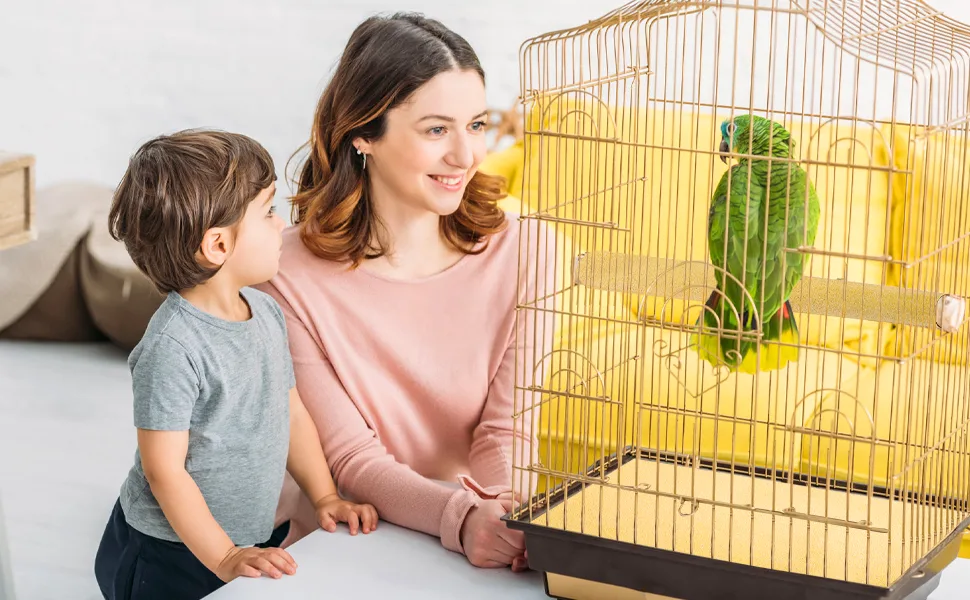
Image source: Web (Bing) / amazon.co.uk (Web image (fair-use with source credit))
Teaching a macaw to vocalize, or rather, encouraging its natural mimicry, is a process that requires patience, consistency, and a strong bond. It's less about formal "lessons" and more about integrating vocal interaction into your daily life with the bird. The goal is to make learning fun and rewarding for the macaw, reinforcing its natural inclination to communicate.
1. Build a Strong Foundation of Trust
Before you even think about specific words, focus on building a trusting relationship with your macaw. Spend time with your bird, talk to it in a calm, friendly voice, and allow it to get comfortable with your presence. This trust is the bedrock upon which all further interaction, including vocal learning, is built.
A scared or anxious bird is unlikely to engage in playful vocalization.
2. Consistent Exposure to Target Sounds
Choose a few simple words or short phrases you'd like your macaw to learn. It's best to start with words that are used frequently in the household, like the bird's name, "hello," or "goodbye." Repeat these words clearly and consistently throughout the day, especially during positive interactions. For example, say "hello" every time you enter the room or approach the cage, and "goodbye" when you leave.
3. Positive Reinforcement and Rewards
When your macaw attempts to mimic a sound, or even makes an interesting vocalization that sounds close to your target word, offer immediate positive reinforcement. This could be verbal praise ("Good bird!"), a gentle head scratch if your bird enjoys it, or a small, favorite treat. This reward system helps the bird associate making sounds with positive outcomes, encouraging it to try more often.
Avoid any punishment or negative reactions, as this can create fear and hinder learning.
4. Keep Sessions Short and Engaging
Macaws have relatively short attention spans, especially when it comes to structured learning. Keep vocalization practice sessions brief, perhaps 5-10 minutes long, and integrate them into your regular daily interactions. Multiple short sessions throughout the day are far more effective than one long, tedious one.
If the bird seems disinterested or agitated, it's better to stop and try again later.
5. Expand and Vary Vocabulary Gradually
Once your macaw reliably mimics a few words, you can gradually introduce new ones. Continue to reinforce previously learned words regularly to keep them in its repertoire. You can also encourage more complex sounds by varying your tone of voice or introducing animal sounds or environmental noises that the bird might find interesting.
Remember, the key is to make it a natural, enjoyable part of your life together, not a chore.
Comparing Macaw Vocal Skills: What to Expect
When considering a macaw, it's helpful to understand that their vocal abilities aren't uniform. Different species and individuals within those species have varying potentials for mimicking human speech. This isn't to say one is "better" than another, but rather that expectations should be managed based on these differences.
Species-Specific Tendencies
While many macaws can learn words, some species are often cited for their greater vocal aptitude. For instance, the Blue-and-Gold Macaw is known for being intelligent and often learns a good vocabulary. The Scarlet Macaw is also capable, though sometimes their personality leans more towards their natural loud calls.
The Hyacinth Macaw, while stunningly beautiful and highly intelligent, is sometimes noted as being less inclined to mimic human speech compared to other macaw species, focusing more on their natural vocalizations.
Individual Bird Variations
Even within the same macaw species, individual personalities and aptitudes play a huge role. Some macaws are natural "talkers" from a young age, picking up sounds quickly. Others may be shyer, more reserved, or simply less interested in vocal mimicry, preferring other forms of interaction.
These differences highlight that while the species provides a general tendency, the individual bird is the ultimate determinant of its vocal capabilities.
What This Means for Owners
If you're set on a pet that can mimic speech, research the specific species' general tendencies, but also be prepared for individual variation. Focus on providing a rich environment and strong social bond, as this is the best way to encourage any vocal learning, regardless of the species. The joy of owning a macaw comes from its entire personality, not just its ability to say a few words.
Use Cases: Who is a Macaw's Talking Ability Best For?
The "talking" ability of a macaw is best suited for specific types of owners and living situations where this trait can be appreciated and managed. It’s not a universal fit for every bird enthusiast.
For the Patient, Interactive Companion Seeker
If you’re looking for a highly interactive companion and are willing to invest significant time and effort into building a bond, a macaw's vocal mimicry can be a rewarding aspect. This is for someone who enjoys the process of teaching and sees vocalizations as a fun extension of their bird's personality, not the sole purpose of ownership. You’ll need to be someone who enjoys talking to your pet and engaging with it daily.
Not Ideal for Quiet or Solitary Households
Macaws are naturally loud, and their vocalizations, whether natural calls or attempted speech, can be quite disruptive. If you live in an apartment with thin walls, have neighbors who are sensitive to noise, or prefer a quiet, laid-back pet, a macaw might not be the best choice. Their "talking" ability, when it manifests, adds to their vocal presence, rather than replacing their natural loud calls.
Someone seeking a quiet pet should look elsewhere.
Frequently Asked Questions About Macaw Talking Abilities
Do all macaws talk?
No, not all macaws talk. While they have the physical capacity for vocal imitation, their ability and willingness to mimic human speech vary greatly by individual bird, species, age, and the amount of social interaction and training they receive. Some macaws may learn many words, while others may only learn a few sounds or none at all.
How long does it take for a macaw to start talking?
There's no set timeline for when a macaw might start talking. Some younger birds may begin mimicking sounds within weeks of arriving in a new home, while others might take months or even years to vocalize beyond their natural calls. Consistent exposure and positive interaction are key factors in encouraging vocal learning.
Can macaws understand what they are saying?
Macaws do not understand the meaning of human words or language in the way humans do. They are excellent mimics and can learn to associate certain sounds with specific events or people, but this is learned behavior, not true comprehension. Their "talking" is a form of vocal imitation driven by social bonding and environmental cues.
Are macaws loud birds?
Yes, macaws are naturally very loud birds. Their vocalizations can include squawks, shrieks, and calls that can be heard over long distances. This is their natural way of communicating with a flock and establishing territory.
While they can learn to mimic words, their natural loud calls are a constant part of their behavior and should be considered by any potential owner.
What is the best way to teach a macaw to talk?
The most effective way to encourage a macaw to talk is through consistent, positive, and gentle interaction. Speak clearly and repeatedly to your bird, using simple words and phrases in a cheerful tone. Associate words with actions or objects, like saying "apple" when giving them an apple.
Short, frequent training sessions are more effective than long, infrequent ones. Patience and a strong bond are essential.