Where Do Red Tailed Hawks Nest
When you're curious about where Red-Tailed Hawks make their homes, you're essentially asking about their nesting preferences. These majestic birds of prey choose spots that offer a blend of safety, a good hunting outlook, and protection from the elements. Understanding where they nest helps us appreciate their lifecycle and habitat needs.
These nests are typically robust structures, often built with considerable effort by the adult hawks. According to the U.S. Fish and Wildlife Service, nests can be added to year after year, making them quite substantial over time.
Let's explore the common places you might find these impressive avian abodes.
Quick Answer
Red-Tailed Hawks nest primarily in tall trees, on cliff ledges, and sometimes on human-made structures like power line towers. They seek elevated spots offering a clear view for hunting and protection from predators. Nest construction involves sticks and branches, with locations often chosen for their strategic advantage in surrounding habitats.
The Hawk's Eye View: What Makes a Perfect Nest Spot
Red-Tailed Hawks aren't just randomly dropping their nests anywhere. They've got a keen sense for what makes a location ideal for raising their young, and this involves several key factors. It’s all about maximizing safety and opportunity.
They need to feel secure, have a good vantage point for spotting prey, and be able to easily access their territory.
Think about it from their perspective: a high nest means fewer ground predators can reach them. A clear line of sight means they can spot a meal from a good distance, conserving energy. The right shelter keeps their vulnerable chicks safe and sound.
High Up and Hidden: Preferred Natural Habitats
When nature provides the perfect backdrop, Red-Tailed Hawks often opt for established, natural sites. Their top choice is almost always a tall, mature tree. These aren't just any saplings; we're talking about sturdy trees that have stood the test of time, offering strong branches and significant height.
- Tree Selection: Common favorites include cottonwoods, oaks, and pines, particularly those located near open areas like meadows, fields, or riparian zones. These trees give them a commanding view of potential food sources. The nest is usually placed on a large, horizontal limb or in a fork of the main trunk, providing a stable base.
- Cliff Faces and Ledges: In more rugged terrain, cliffs and rock ledges offer a natural fortress. Hawks will build on narrow ledges or within shallow alcoves, benefiting from the sheer drop that deters many ground-dwelling predators.
- Cacti in Arid Regions: Surprisingly, in some desert environments, large saguaro cacti become prime real estate. The prickly arms of the cactus provide a natural defense against climbers, making it a safe, albeit unusual, nesting platform.
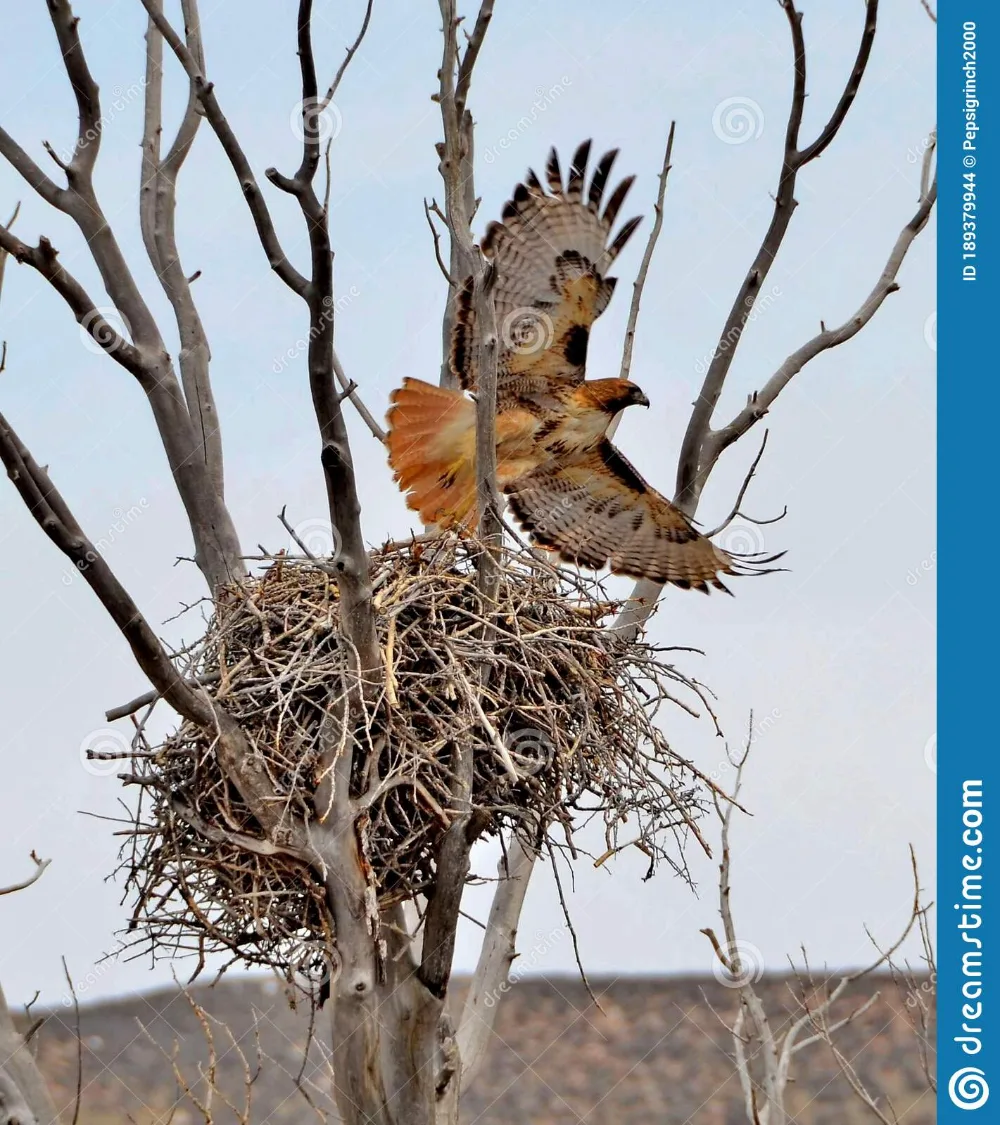
Image source: Web (Bing) / pinterest.com (Web image (fair-use with source credit))
Adapting to Us: Nests on Human-Made Structures
It’s amazing how adaptable these birds are. As landscapes change, Red-Tailed Hawks have learned to utilize structures we’ve built. These man-made spots often mimic the height and open visibility of natural sites, making them very attractive.
- Power Line Towers: These are a very common nesting substrate now. The wide, flat tops of the towers offer excellent stability and an unobstructed view. Hawks often build right on the cross-arms or in the structural joints.
- Communication and Radio Towers: Similar to power line towers, these tall metal structures provide excellent elevated platforms. Their height and open design make them ideal for raptors needing a broad hunting range.
- Buildings and Other Structures: In areas where suitable trees or cliffs are scarce, hawks might nest on ledges, rooftops, or in the eaves of tall buildings. Abandoned silos, water towers, or even large industrial structures can become nurseries.
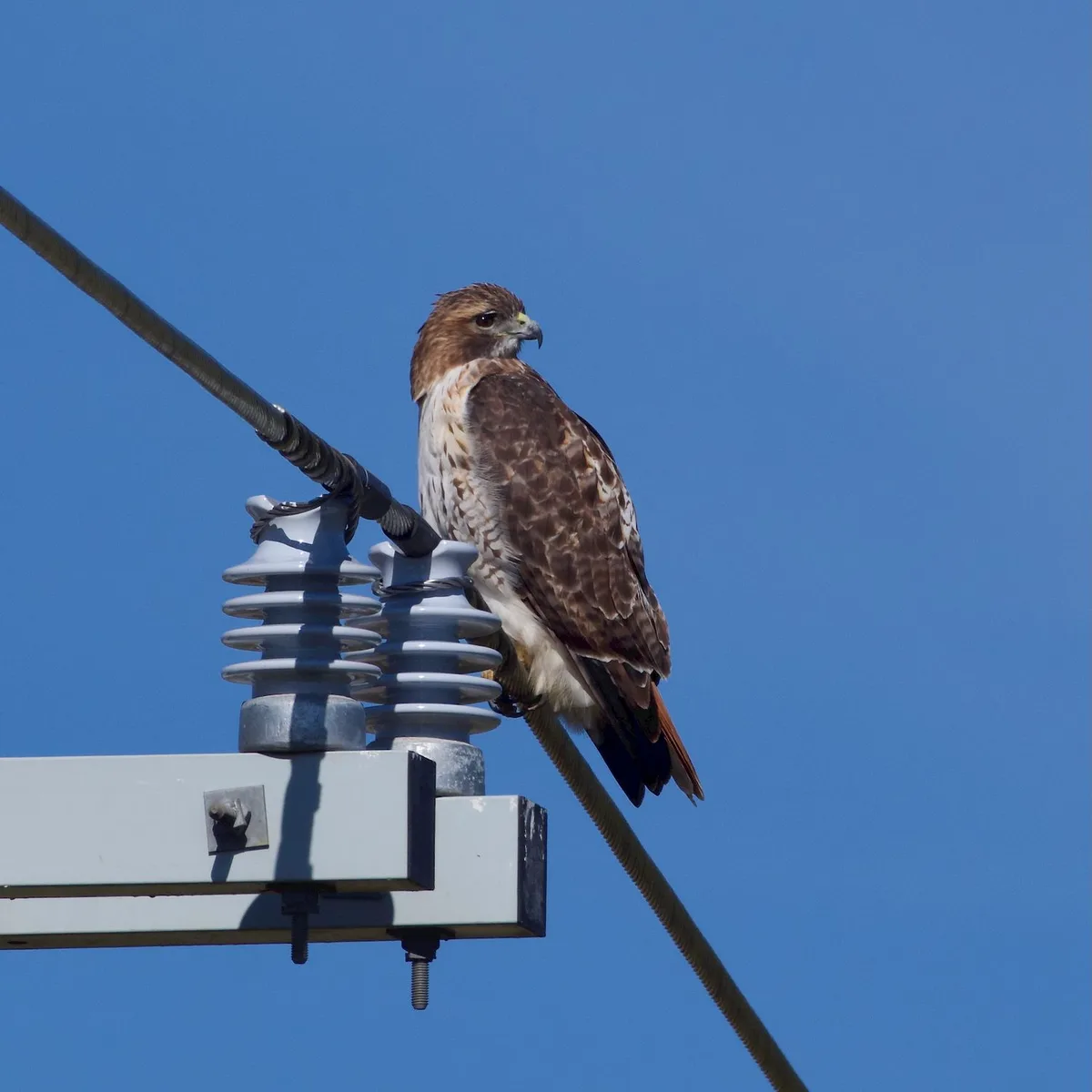
Image source: Bing (Web (fair-use with source credit))
Inside the Nest: What It's Made Of and How Big It Gets
The nest itself is a considerable construction project, primarily undertaken by both the male and female Red-Tailed Hawk. It’s not just a quick hangout; it’s a carefully built platform designed to last through nesting season and, often, for many years to come. They are built with impressive durability.
These nests are essentially large, sturdy platforms made from readily available materials. The primary building blocks are sticks and branches, which are interwoven to create a solid base. The hawks then line the interior with softer materials for comfort and insulation.
- Materials Used: You’ll commonly find sticks, twigs, and larger branches forming the main structure. For lining, they use materials like grasses, moss, bark strips, and even feathers they've shed or found. Sometimes, they incorporate man-made items like string or bits of plastic if available.
- Size and Scale: Red-Tailed Hawk nests can get quite large, especially if the pair returns to the same nest year after year and adds to it. A typical nest can range from 2 to 4 feet in diameter and often measures between 1 to 2 feet deep. Some older, well-established nests have been recorded as being even larger. The sheer volume of material can be substantial, reflecting the hawks' commitment to their nesting site.
Spotting a Nest: Practical Tips for Observation
If you're interested in finding a Red-Tailed Hawk nest, it requires patience and a good understanding of their habits. It's not like looking for a bird feeder; these nests are often well-camouflaged and strategically placed. The key is to look where the hawks themselves would want to be.
When you're out observing, try to scan the landscape with their needs in mind. Think about what kind of view they'd want, what kind of shelter they’d seek, and what areas offer the best hunting opportunities nearby.
What to Look For (and What to Ignore)
The most obvious clue is spotting an adult Red-Tailed Hawk perched for extended periods in one location, especially if it’s a tall tree or structure. Hawks often carry nesting material, like sticks, into the area. You might also see them repeatedly flying to and from a particular spot.
- Key Visual Cues: Look for large, bulky structures in high places. In trees, this means a substantial mass of sticks in the upper branches or fork of the tree. On towers, it's often a platform on the horizontal supports or within the metal framework.
- What to Disregard: Don't confuse a hawk's regular hunting perch with a nest. A hunting perch is usually a single branch or point with a good view, whereas a nest is a built structure. Also, small clusters of twigs or leaves can be mistaken for nests but are usually just loose debris.
Best Times and Places to Search
The nesting season for Red-Tailed Hawks generally runs from late winter through spring, peaking around March to June, depending on the region. During this period, they are most actively building and tending to their nests.
- Habitat Focus: Your best bet is to explore areas with a mix of open country for hunting and tall trees or cliffs for nesting. This includes grasslands, agricultural fields, savannas, desert scrub, and even the edges of woodlands.
- Time of Day: Early morning or late afternoon can be prime times for observation. Adult hawks are often more active during these cooler parts of the day, potentially bringing food to the nest or engaging in territorial flights.
Protecting Their Homes: Legal Aspects and Responsible Viewing
It's crucial to remember that Red-Tailed Hawks and their nests are protected by federal law in the United States. This protection is vital for their conservation and ensures that these magnificent birds can continue to breed and thrive.
The Migratory Bird Treaty Act of 1918 makes it illegal to disturb, harass, capture, or kill migratory birds, including Red-Tailed Hawks, or to take or possess their nests, eggs, or young without proper permits. This act is the cornerstone of bird protection in the U.S.
When You See a Nest: What the Law Says and How to Behave
If you are fortunate enough to locate a Red-Tailed Hawk nest, the most important thing you can do is observe from a distance. Getting too close can cause the adult birds to abandon their nest, which can lead to the loss of eggs or chicks. Maintaining a significant buffer zone is essential for their safety and successful reproduction.
- Maintain Distance: Experts, like those at the Cornell Lab of Ornithology), recommend staying at least 100 yards (about 91 meters) away from an active nest. If the birds show signs of agitation (like alarm calls or agitated flight patterns), you are too close and should back away.
- No Disturbances: Never attempt to touch or collect any part of a nest, eggs, or chicks. Even a seemingly abandoned nest should be left undisturbed, as it may still be actively used or legally protected. Stick to observation with binoculars or a spotting scope to minimize your impact.
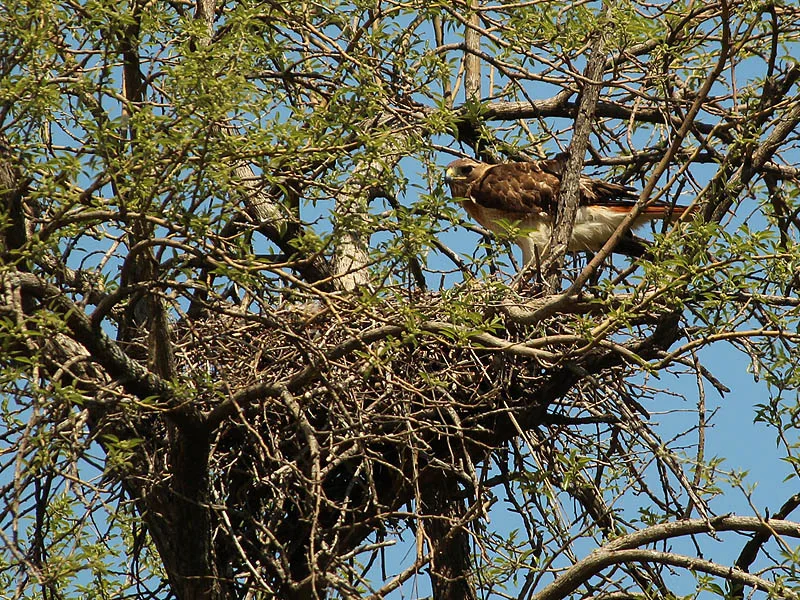
Image source: Bing (Web (fair-use with source credit))
Common Questions About Red-Tailed Hawk Nests
How often do Red-Tailed Hawks build new nests?
While they can build new nests, Red-Tailed Hawks often reuse and add to existing nests year after year. This practice can result in substantial structures that are maintained and reinforced with fresh materials each breeding season.
Can Red-Tailed Hawks nest in cities?
Yes, Red-Tailed Hawks are quite adaptable and will nest in urban and suburban environments. They often utilize tall buildings, power line towers, and mature trees found in parks or along city edges when suitable natural habitats are scarce.
What are the main threats to Red-Tailed Hawk nests?
The primary threats include habitat loss and degradation due to human development. Additionally, direct disturbance by humans, pesticide use that affects their prey, and severe weather events can impact nesting success.
Is it legal to remove a Red-Tailed Hawk nest from my property?
No, under the Migratory Bird Treaty Act, it is illegal to remove or disturb active Red-Tailed Hawk nests without a specific permit from federal wildlife authorities. If a nest is causing an immediate, unresolvable hazard, you should contact your local wildlife agency for guidance.
How can I tell if a nest is active?
An active nest often shows signs of recent activity, such as adult hawks bringing food or nesting material to it. You might also see fledglings or hear chirping sounds from within the nest. However, it's best to observe from a considerable distance to avoid disturbing the birds.