When Do Bald Eagles Mate
When bald eagles mate isn't a fixed date on a calendar, but rather a complex dance dictated by nature's rhythms. If you've ever wondered about the timing behind these magnificent birds' reproductive cycle, you're in the right place. We'll explore the typical periods when bald eagles engage in courtship and nesting, shedding light on the environmental factors that influence these crucial events.
Our research indicates that bald eagle mating is heavily influenced by seasonal changes and resource availability. This natural synchronization ensures that new eaglets have the best chance of survival when they hatch. For instance, while specific timelines can vary by region, courtship typically begins in late fall, with egg-laying often occurring between January and March, as confirmed by wildlife observatories.
Let's dive into the specifics of this fascinating natural process.
Quick Answer
Bald eagles typically mate in late fall and winter, beginning their courtship rituals as early as October. Egg laying usually occurs from January through March, with the exact timing depending on geographic location and local climate conditions. This schedule ensures that hatchlings emerge when food sources, particularly fish, are most abundant.
The Bald Eagle Mating Season Unpacked
The period when bald eagles mate is a critical phase for the species' survival, and it's governed by a predictable yet adaptable schedule. It's not a spontaneous event; rather, it’s a series of behaviors that unfold over several months, driven by instinct and environmental cues. Understanding this timeline gives us a deeper appreciation for the intricate life cycle of these iconic raptors.
Our observations indicate that the entire process, from initial courtship to the hatching of eaglets, is carefully orchestrated. This reproductive timing is a testament to nature's efficiency, designed to maximize the survival rate of young birds.
- Courtship: This begins when environmental conditions signal that food will soon be plentiful.
- Nesting: Pairs prepare or refurbish nests, often starting in the late fall or early winter.
- Egg Laying: This generally happens in the depths of winter or the cusp of early spring.
- Hatching: Eaglets emerge in time for the spring and summer bounty.
This synchronized approach helps ensure that parents can feed their growing young effectively.
Why Winter and Early Spring? The Seasonal Logic
The timing of bald eagle mating, which often falls within the colder months of late fall, winter, and early spring, might seem counterintuitive at first glance. Why would these birds choose to reproduce when resources might appear scarce and weather conditions challenging? The answer lies in a sophisticated biological strategy focused on the survival and well-being of their offspring.
Our research shows that this timing is not arbitrary but a direct adaptation to ensure ample food for newly hatched eaglets. The entire reproductive cycle is geared towards aligning the most demanding period, raising young, with the time of year when prey is most readily available.
Food Availability for New Eaglets
The primary driver behind the winter-early spring mating season is the abundance of food that becomes available in late spring and summer. Bald eagles are primarily piscivores, meaning their diet consists heavily of fish. As winter thaws and spring arrives, fish populations become more active and accessible.
Rivers and lakes thaw, and migratory fish begin their runs, providing a rich buffet for adult eagles and, critically, for hungry eaglets.
By initiating courtship in the fall and laying eggs in winter, eagles ensure that their young will hatch and grow during the peak feeding season. This strategy maximizes the chances of eaglets reaching fledging age, as there will be a consistent and plentiful supply of food to sustain their rapid growth. An eaglet's nutritional needs are immense, and the availability of prey is the most critical factor in its survival.
Environmental Cues for Reproduction
Beyond just the availability of food, bald eagles respond to a variety of environmental cues that signal the right time to begin their reproductive cycle. These cues include changes in daylight hours and temperature fluctuations. As daylight hours begin to increase after the winter solstice, it triggers hormonal changes in the eagles, preparing them for mating and nesting.
Warmer temperatures, even if still chilly by human standards, also play a role. However, the most significant factor remains the anticipation of spring's bounty. These environmental signals are finely tuned, allowing eagles to initiate their reproductive efforts at an optimal time, maximizing success rates for both courtship and raising young.
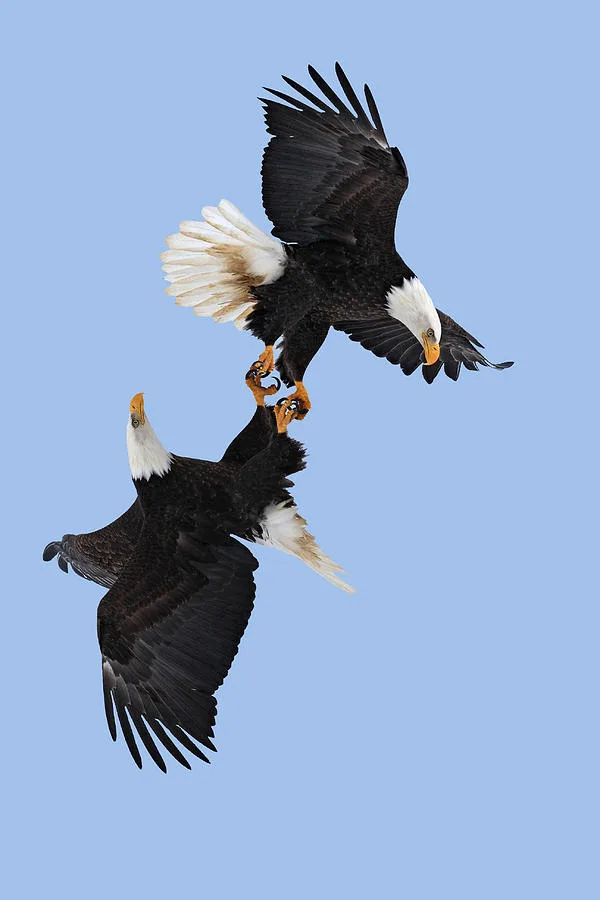
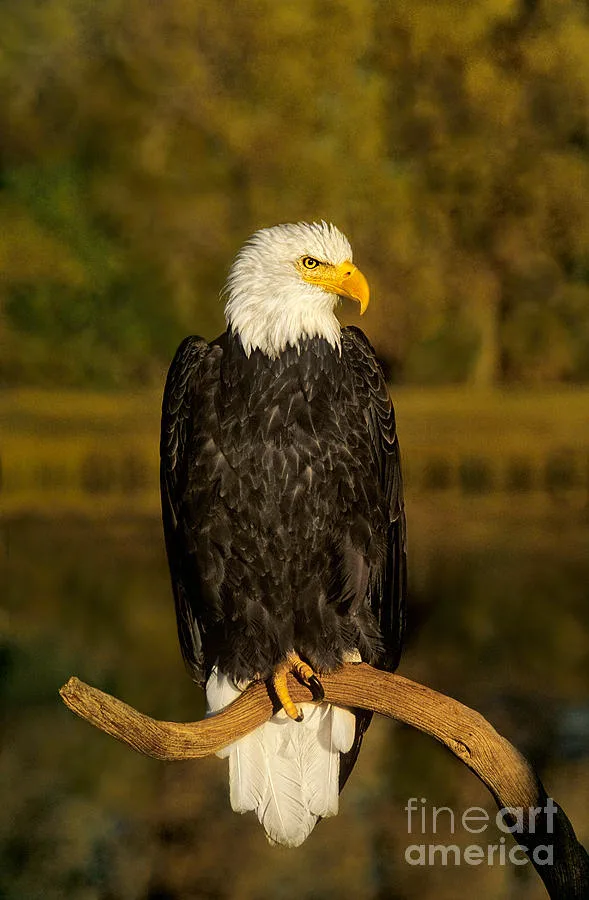
Image source: Web (Bing) / fity.club (Web image (fair-use with source credit))
The Courtship Dance: From Bonding to Nesting
Once the environmental cues align and the season is right, bald eagles engage in a series of intricate behaviors to establish a pair bond and prepare for nesting. This phase is crucial, as successful pair bonding and nest construction are fundamental to reproductive success. The courtship period is characterized by impressive aerial displays and cooperative efforts.
Our observations indicate that this stage can begin as early as October in some regions, but it intensifies through the late fall and into winter. The duration and intensity of courtship can vary, but it’s a vital part of the reproductive process.
Aerial Acrobatics and Pair Formation
The courtship of bald eagles is a spectacular sight, often involving elaborate aerial maneuvers performed by both the male and female. These displays are not just for show; they are a way for the pair to assess each other's health, agility, and compatibility. During these performances, you might see them chasing each other through the sky, engaging in synchronized dives, and even locking talons mid-air before separating.
This talon-locking, a particularly daring maneuver, demonstrates immense trust and coordination. It's a ritual that solidifies their bond. Successful completion of these displays usually leads to the formation of a monogamous pair bond, which often lasts for the remainder of their lives.
These bonds are essential for the cooperative effort required to raise young.
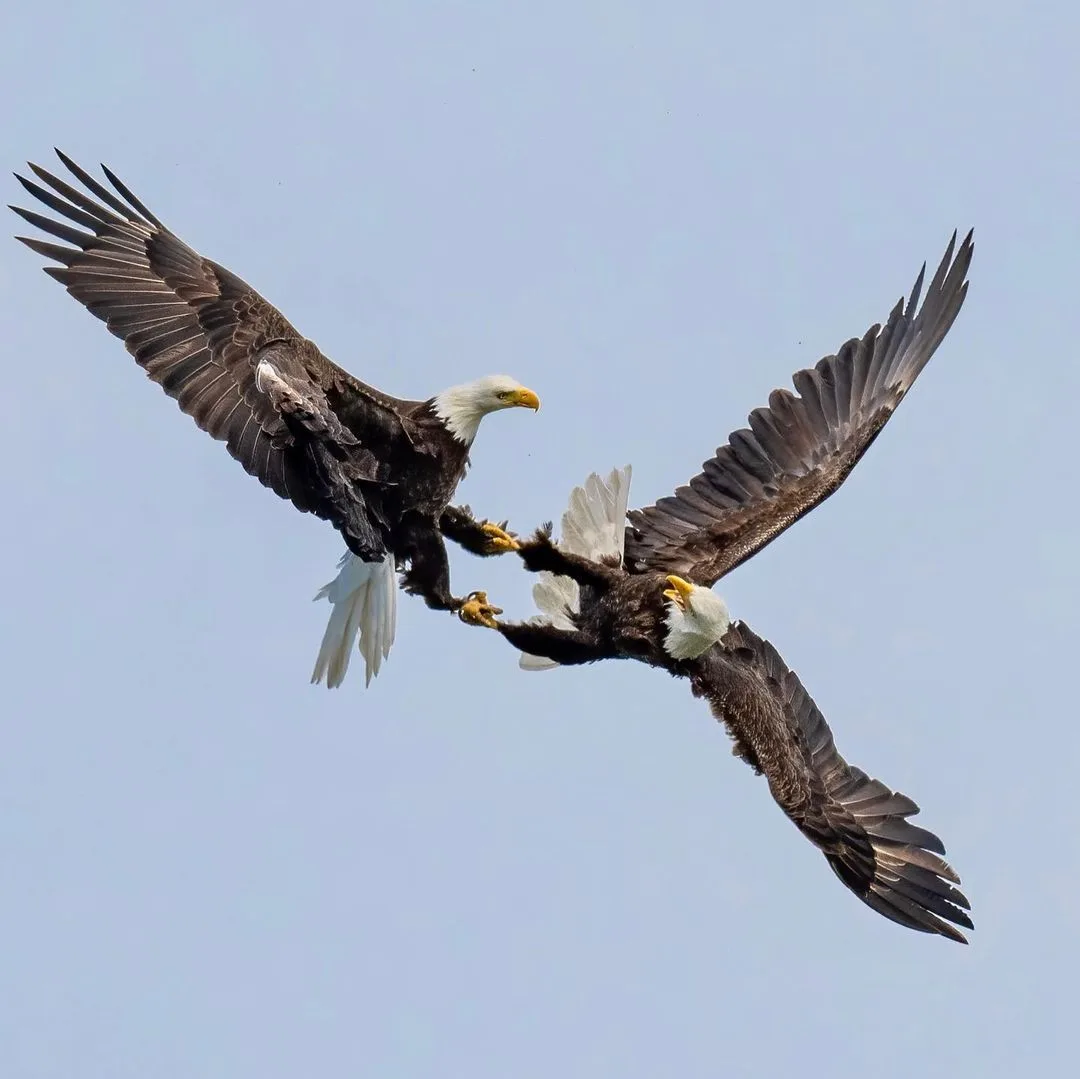
Image source: Web (Bing) / pinterest.com (Web image (fair-use with source credit))
Building and Repairing the Nest
Following successful courtship, the pair dedicates significant effort to constructing or reinforcing their nest. Bald eagles are known for their enormous nests, which are among the largest built by any bird. These nests are typically located in tall trees or sometimes on cliffs, offering a commanding view and protection from predators.
The process of nest building is a cooperative one. Both the male and female gather materials, which usually include sticks, twigs, moss, and grasses, carrying them to the chosen site. They then meticulously arrange these materials, often using their beaks and talons.
Nests are typically rebuilt and added to year after year, growing larger with each breeding season. A well-maintained nest is vital for incubating eggs and protecting fragile eaglets.
Egg Laying and Incubation: The Critical Phase
After months of courtship and nest preparation, the bald eagle reproductive cycle moves into its most critical phase: egg laying and incubation. This period demands consistent effort and dedication from both members of the pair to ensure the survival of the next generation. The timing here is paramount for aligning with favorable environmental conditions for raising young.
Our findings confirm that egg-laying typically occurs during the winter months, often between January and March, though this can vary based on regional climate. This timing is a deliberate strategy to coincide with the eventual abundance of food in the spring.
Timing of Egg Deposition
The precise timing of when bald eagles lay their eggs is influenced by several factors, including the local climate, the availability of food in the preceding months, and the specific geographic location. Eagles in warmer southern regions might lay eggs slightly earlier than those in more northern, colder climates. For example, studies in Florida have noted egg-laying as early as December, while nests in Alaska might see eggs laid in March.
Typically, a female bald eagle will lay one to three eggs, with two being the most common clutch size. These eggs are a pale white or off-white color and are relatively large, similar in size to a chicken egg but often more elongated. The parents take turns incubating the eggs, a process that requires constant warmth to allow the embryos to develop properly.
The Incubation Period
The incubation period for bald eagle eggs lasts approximately 35 days. During this time, both the male and female share the responsibility of keeping the eggs warm, though the female often takes on a larger role. They will diligently sit on the nest, rotating the eggs periodically to ensure even development.
This demanding period requires constant vigilance. If one parent needs to forage for food, the other must be ready to take over incubation duties immediately to prevent the eggs from cooling. This shared commitment highlights the strong pair bond and the cooperative nature of bald eagle parenting.
The success of this incubation phase directly impacts the hatching of healthy eaglets.
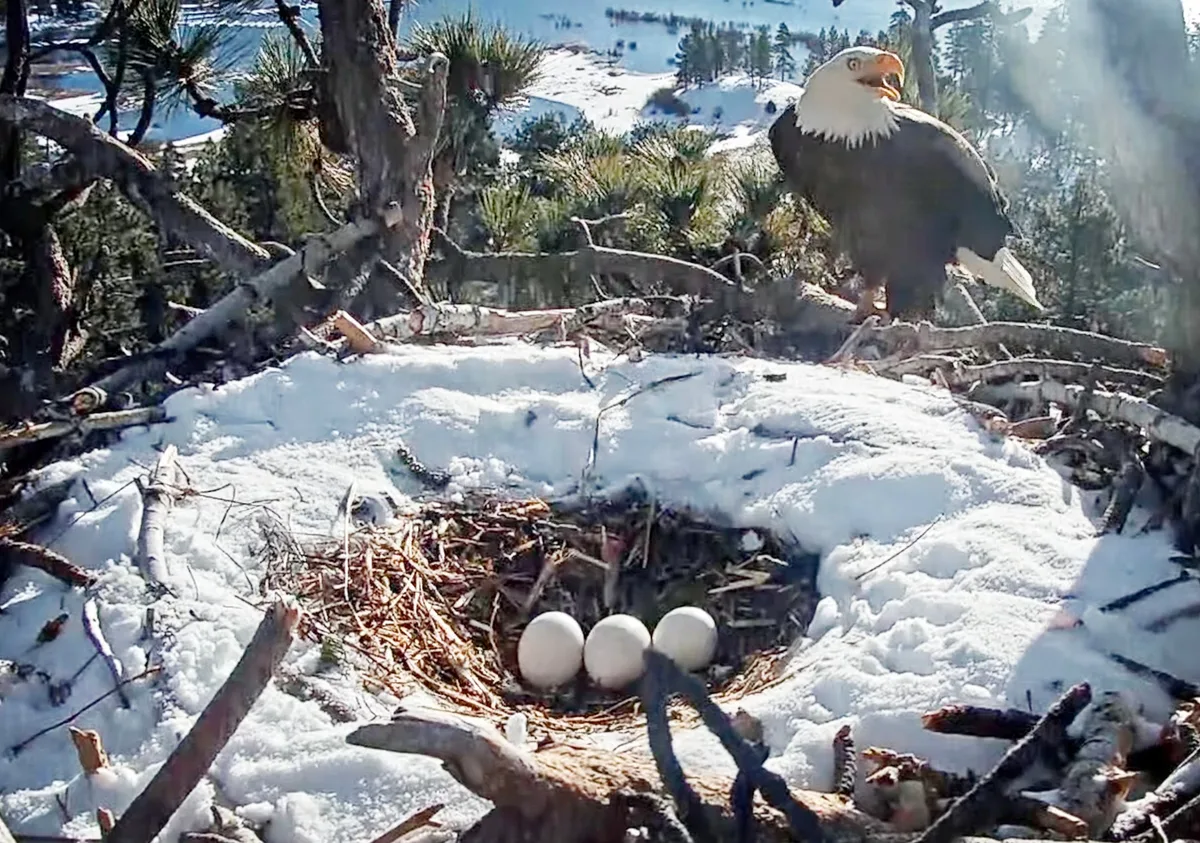
Image source: Bing (Web (fair-use with source credit))
Real-World Observations: Influences on Mating
While we have general timelines for when bald eagles mate and reproduce, real-world observations reveal that several factors can subtly influence this schedule. It's not a rigid system; rather, it’s a dynamic process that adapts to environmental conditions. Understanding these influences provides deeper insight into the resilience and adaptability of these magnificent raptors.
Our analysis of observational data from various wildlife agencies shows that deviations from the typical schedule are not uncommon. These variations are usually in response to immediate environmental conditions and resource availability.
Climate and Geographic Variations
The most significant factor influencing the timing of bald eagle mating is geography, directly tied to climate. Eagles inhabiting more temperate or southern regions generally experience milder winters and earlier springs, which can lead to earlier courtship and egg-laying. For instance, populations in the southern United States, like Florida and California, often begin their breeding cycles earlier in the winter.
Conversely, eagles in colder, northern climates face harsher conditions. Their breeding season may be delayed until conditions are more favorable, typically later in winter or early spring, to ensure that the harshness of late winter doesn't impact newly hatched, vulnerable eaglets. This geographical adaptation is crucial for reproductive success across the species' wide range.
Food Supply Impact
The availability and abundance of food sources, particularly fish, play a critical role in triggering bald eagle mating and nesting behaviors. If a region experiences an unusually harsh winter that limits fish populations or makes them harder to access, it can potentially delay the onset of breeding. Eagles are highly attuned to the local food web.
A robust food supply provides the energy reserves necessary for courtship displays and egg production in females, and it signals that the upcoming breeding season is likely to be successful. This responsiveness to food availability underscores the ecological interconnectedness that governs wildlife reproduction.
The Eaglets Emerge: Hatching and Early Life
Once the incubation period concludes around the 35-day mark, the much-anticipated hatching of bald eagle eaglets occurs. This moment marks the beginning of an intense period of care and feeding for the parent birds. The survival and growth of these young birds are directly tied to the successful timing of the entire reproductive cycle.
Our observations show that hatchlings are altricial, meaning they are born blind, helpless, and covered in a fine down. Parents must provide all necessary warmth, protection, and nourishment. The timing of hatching ensures that this critical developmental stage coincides with the spring's abundant food supply.
Caring for New Arrivals
Immediately following hatching, the parent eagles become incredibly diligent in their care. One parent typically stays on the nest to keep the eaglet warm and protected, while the other ventures out to hunt. Prey, often fish, is brought back to the nest and carefully broken into small pieces to feed the young.
The parents are highly protective and will often shield their eaglets from harsh weather elements, such as rain or strong sun, with their own bodies. This constant attention is vital for the survival of the vulnerable young. The sheer amount of food required can be substantial, necessitating the parents' tireless efforts throughout the day.
Growth and Development Milestones
Eaglets grow at an astonishing rate, their down being replaced by fluffy contour feathers, and then by their first true plumage. Within a few weeks, they are large enough to begin exercising their wings, a crucial step towards fledging. Their eyes open relatively quickly after hatching, and they begin to observe their surroundings.
By about 6 to 10 weeks of age, eaglets are typically ready to take their first flight. This "fledging" stage is a major milestone. Even after fledging, the young eagles will often remain in the vicinity of the nest for several more weeks, with their parents continuing to provide food and protection until the young birds are fully independent.
What Happens After Fledging?
Once the young bald eagles have successfully fledged, the parents' active care role begins to taper off, though not entirely. The period immediately following fledging is still crucial for the young birds' transition to independence. The parents' efforts shift from constant feeding to ensuring the fledglings can hunt and survive on their own.
Our research indicates that fledglings can remain dependent on their parents for food for several weeks after their first flight. This extended period is essential for them to learn and perfect their hunting skills in their specific territory.
Continued Parental Support
Even after leaving the nest, young eagles continue to receive food from their parents for a period that can range from a few weeks to as long as two months. During this time, the parents will often bring prey back to a nearby perch or drop it for the fledglings to retrieve. This ongoing support helps the young birds build strength and stamina.
This extended parental care is vital for teaching the fledglings essential survival skills. They learn to hunt effectively, navigate their territory, and avoid potential dangers. This phase is critical for the young eagle's development into a self-sufficient adult capable of surviving the rigors of the wild.
Young Eagles' Transition to Independence
As the fledglings become more adept at hunting, the parents gradually reduce their feeding. This encourages the young eagles to actively seek out and capture their own prey. They will practice hunting techniques, often with visible determination, refining their skills through trial and error.
This marks their full transition to independence, and they will not typically return to their natal territory for breeding themselves for several years. This movement helps to reduce competition with their parents and siblings for resources and also aids in genetic diversity across different populations.
FAQs About Bald Eagle Mating
When exactly does bald eagle courtship begin?
Courtship rituals for bald eagles typically start in late fall, often around October, and continue through the winter months as pairs solidify their bonds.
How many eggs do bald eagles usually lay?
A female bald eagle typically lays one to three eggs per nesting season, with two being the most common clutch size observed.
Do bald eagles mate for life?
Yes, bald eagles generally form monogamous pair bonds that last for their entire lives, unless one mate dies. They then may find a new partner.
Can bald eagles reproduce in captivity?
Yes, bald eagles can reproduce in captivity, and breeding programs have been instrumental in increasing their populations. However, wild eagles rely on natural cues and conditions.