How Large Is a Bald Eagle Nest
When you picture a bald eagle, you might imagine soaring wings and sharp eyes, but have you ever stopped to think about its home? The question "how large is a bald eagle nest" often sparks curiosity because these aren't just simple twig structures; they are engineering marvels of the avian world. We're talking about constructions that can dwarf human-made birdhouses and even challenge our perception of what a bird's nest can be.
Research indicates these massive nests are a testament to longevity and dedication, often used by the same breeding pair for years. As of 2026, the largest recorded bald eagle nest measured an astounding 9.8 feet in diameter and weighed nearly 3 tons, that's more than some small cars! These dimensions are crucial for understanding the sheer scale of bald eagle nesting habits.
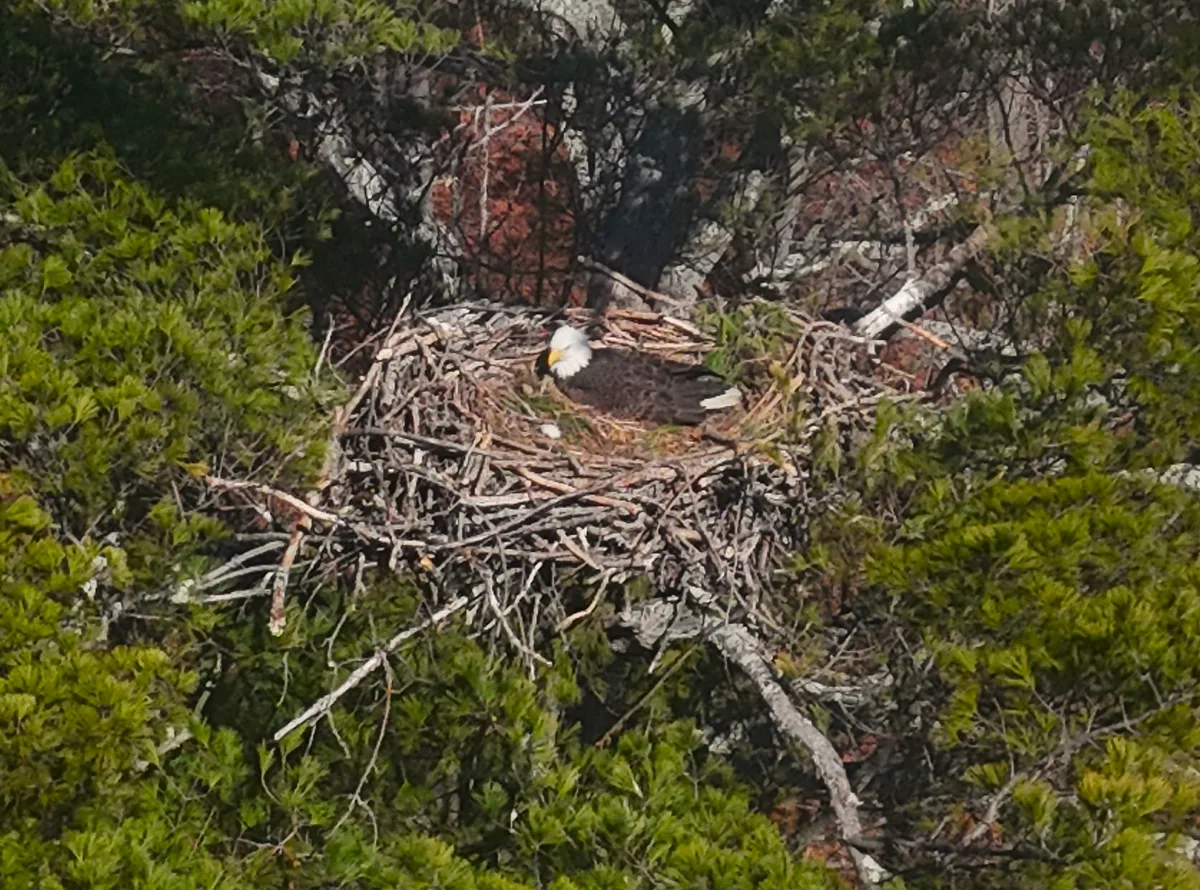
Image source: Bing (Web (fair-use with source credit))
Quick Answer
Bald eagle nests are exceptionally large, typically ranging from 4 to 8 feet in diameter and 2 to 6 feet deep. These structures can weigh as much as 1 to 2 tons, built up over many years by the eagles. Their immense size provides insulation and ample space for eggs and growing chicks.
What's the Deal with Bald Eagle Nest Size?
It's easy to underestimate the scale of a bald eagle's home until you actually see one, or at least hear the numbers. These aren't just simple twig beds; we're discussing enormous constructions that serve as both nurseries and landmarks. These nests are built and maintained by bald eagles, often returning to the same site year after year, adding material to what's already there.
This continuous expansion over decades is what leads to their truly impressive dimensions, making them some of the largest arboreal nests built by any bird species.
How Big Are We Talking? Bald Eagle Nest Dimensions
Let's get down to the nitty-gritty numbers that define just how large a bald eagle nest can be. These aren't just estimations; they are based on observations and measurements taken over many years by ornithologists and wildlife researchers. Understanding these specific dimensions helps paint a clearer picture of these natural wonders.
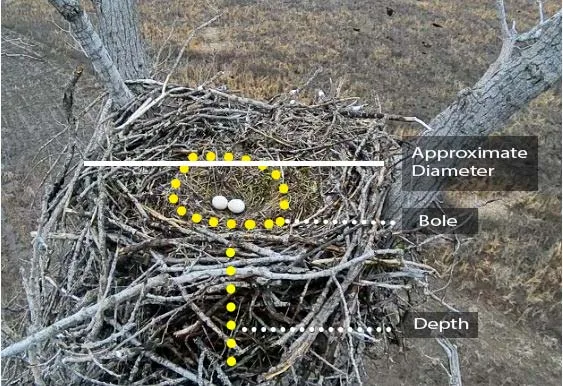
Image source: Web (Bing) / avianreport.com (Web image (fair-use with source credit))
Width and Depth: A Bird's-Eye View
When we talk about the size of a bald eagle nest, the first measurements that come to mind are its diameter and depth. These nests are built in a circular or oval shape, and their sheer width is often astonishing.
- Diameter: Most bald eagle nests measure between 4 to 8 feet across. This is wider than many residential doorways.
- Depth: The nests also have significant depth, typically ranging from 2 to 6 feet from rim to base. This creates a substantial, bowl-like structure.
Weight: More Than You'd Imagine
Beyond just the dimensions, the weight of a bald eagle nest is perhaps the most staggering feature. As the nest is reinforced annually with new materials like sticks, grasses, and sometimes even mud, it accumulates significant mass.
- Weight: It's not uncommon for these nests to weigh between 1 to 2 tons. Some exceptional nests have been reported to weigh even more, rivaling the weight of small vehicles. This incredible weight is supported by the sturdy branches of the trees where they are typically built.
Putting Those Numbers in Perspective
Having the numbers is one thing, but grasping the true scale of a bald eagle nest often requires comparing it to things we're familiar with. The average dimensions can be hard to visualize without a reference point. These comparisons help illustrate just how substantial these avian homes truly are.

Image source: Bing (Web (fair-use with source credit))
Everyday Comparisons for Massive Nests
Think about common objects and their sizes to get a better sense of a bald eagle nest's immensity.
- Diameter: A nest that's 4 to 8 feet wide is comparable to a large circular dining table, or even the width of a small car parked on its side. Imagine a large round ottoman; many nests are wider than that.
- Depth: A depth of 2 to 6 feet is akin to the height of a tall dresser or a large storage bin. If you were to stand inside one (which you should never do, of course), you'd be looking up quite a bit.
- Weight: The 1 to 2 ton weight is roughly equivalent to a small sedan or a large SUV. It’s hard to fathom that birds can construct something so heavy, often high up in trees. This weight is a testament to the cumulative effort over many nesting seasons.
Why Are Bald Eagle Nests So Gigantic?
The extraordinary size of bald eagle nests isn't just a random characteristic; it serves several critical functions for the birds' survival and reproductive success. These massive structures are carefully constructed and maintained to provide optimal conditions for raising young eagles, often in challenging environments.
Reasons for the Immense Scale
Several factors contribute to why bald eagles build such enormous nests:
- Longevity and Reuse: Bald eagles typically mate for life and often return to the same nest site for decades. Each breeding season, they add new materials, gradually increasing the nest's size and mass. This makes older nests the largest.
- Insulation and Protection: The sheer volume and depth of the nest help insulate the eggs and eaglets from extreme weather, whether it's the scorching heat of summer or the biting cold of winter. The thick walls provide a buffer against temperature fluctuations.
- Space for Growth: Bald eagle chicks grow rapidly. The large diameter and depth of the nest ensure there's plenty of room for multiple chicks to move around, grow, and be brooded by the parent birds.
- Stability: A heavier, larger nest can offer more stability against strong winds and harsh weather conditions, especially when built in exposed locations or tall trees. This prevents the nest from being easily dislodged.
- Egg Size: Bald eagles lay relatively large eggs, and the nest needs to accommodate them comfortably, along with the parent birds while incubating.
Spotting an Eagle Nest: What to Look For and How to Observe Safely
Discovering a bald eagle nest can be an incredibly rewarding experience for nature enthusiasts, but it's crucial to know what to look for and how to observe these magnificent structures responsibly. Given their size and importance, nests are often prominent features in their environment, but their location can also make them challenging to spot. Safety for both the observer and the eagles is paramount.
Nest Location Clues
Bald eagles prefer nesting in tall, mature trees, often near a reliable water source like lakes, rivers, or coastlines, which provide their primary food. When looking for a nest, keep an eye out for:
- Dominant Trees: Nests are usually in the tallest trees in an area, providing a good vantage point for the eagles and a relatively safe location from ground predators.
- Proximity to Water: Eagles need access to fish and other aquatic prey, so nests are almost always located within a mile or two of open water.
- Visible Stick Structures: Even from a distance, a bald eagle nest looks like a very large clump of sticks in the upper branches of a tree. They are much larger and more robust than nests built by smaller birds.
Best Practices for Observation
Observing a bald eagle nest is best done from a distance to avoid disturbing the birds.
- Use Binoculars or a Spotting Scope: These tools allow you to get a detailed view of the nest and any adult or young eagles without getting too close.
- Maintain a Safe Distance: Wildlife agencies often recommend staying at least 100 to 300 yards away from an active nest. Disturbing nesting bald eagles can lead to nest abandonment, which is illegal under the Bald and Golden Eagle Protection Act.
Frequently Asked Questions About Bald Eagle Nests
What is the largest bald eagle nest ever recorded?
The largest bald eagle nest ever recorded was found in St. Petersburg, Florida, measuring an astonishing 9.8 feet in diameter, 20 feet tall, and weighing nearly 3 tons. This massive structure was built up over many years by a breeding pair.
Do bald eagles build new nests every year?
Bald eagles typically reuse and add to the same nest year after year, making it larger with each breeding season. While they might build a new nest if their original one is destroyed or becomes unsuitable, they prefer to maintain and expand their existing one.
Can bald eagle nests fall out of trees?
Yes, due to their immense weight, bald eagle nests can sometimes become too heavy for the branches to support, especially after heavy rains or strong winds, and may fall. This is one reason why their structural integrity is so important for the eagles.
Is it legal to disturb a bald eagle nest?
No, it is illegal to disturb a bald eagle nest. Under the Bald and Golden Eagle Protection Act in the United States, it is prohibited to disturb, harass, or destroy bald eagle nests, as this can lead to nest abandonment and harm the birds.