Bird Nesting Season
Bird nesting season is the single biggest trap homeowners walk into every spring. Trim the wrong tree at the wrong time, and you're staring down federal fines, rescheduled contractors, and a whole lot of regret. Whether you're pruning an oak or reroofing a porch, you need to know when nesting starts and ends where you live.
The Migratory Bird Treaty Act of 1918 protects over 1,000 bird species across North America, including their eggs and active nests. Violations carry penalties from $15,000 to $150,000 in criminal fines under 50 CFR. As of 2026, enforcement of nesting-related violations has stayed consistent.
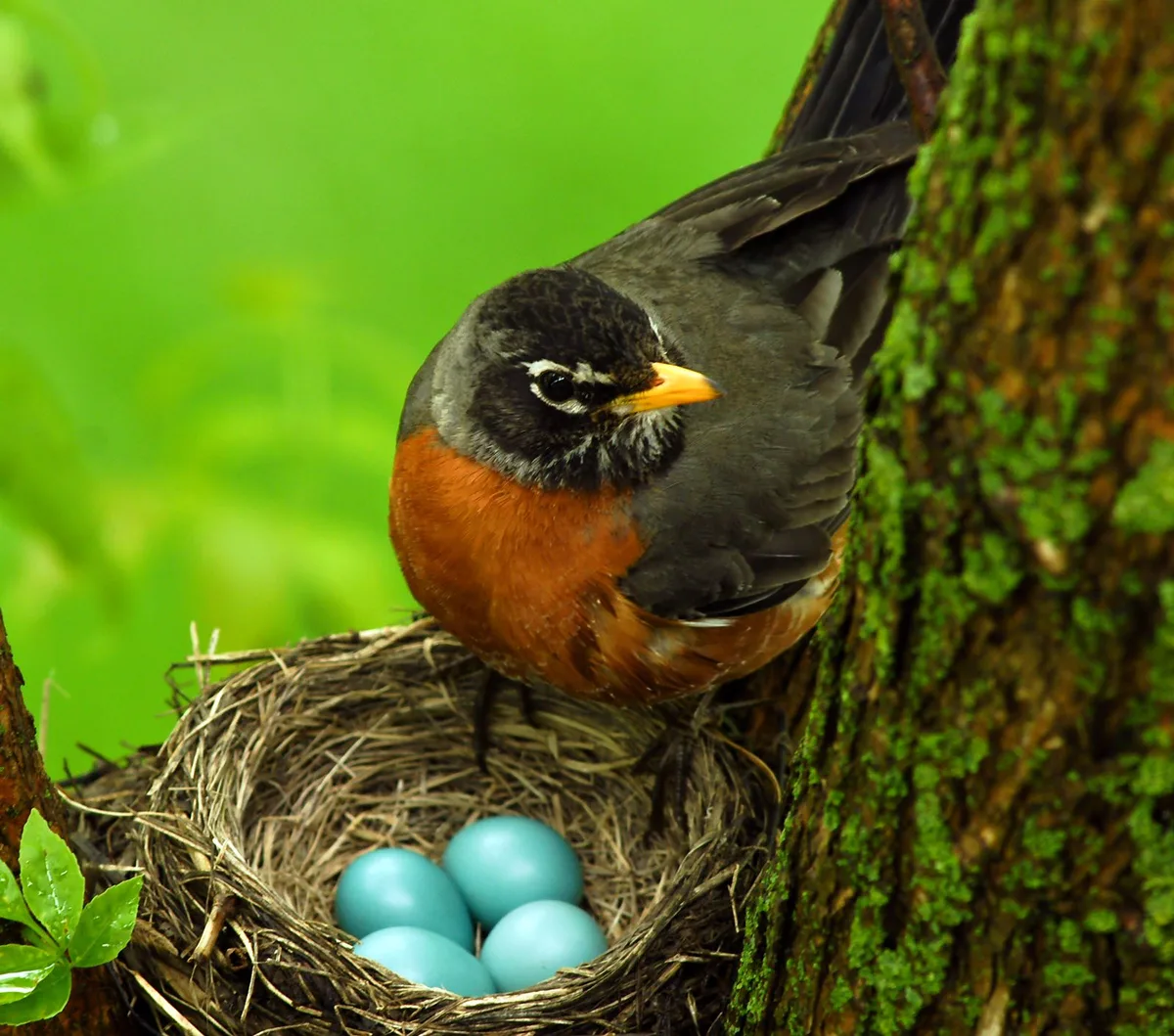
Image source: Bing (Web (fair-use with source credit))
Quick Answer
Bird nesting season typically runs from early spring through late summer. Exact dates vary by species, region, and local weather patterns. Songbirds often nest from March through August in most areas.
Southern states may see nesting activity as early as February. Check your state wildlife agency's calendar before starting any tree work.
Why Cutting a Tree With an Active Bird Nest Can Wreck Your Plans (and Your Wallet)
Trimming a tree with an active bird nest is one of the fastest ways to turn a routine yard project into a legal headache. Federal law protects migratory birds and their nests. Removing or damaging one without a permit puts you at serious risk.
In our research, the average homeowner doesn't realize how quickly this escalates. Penalties under the Migratory Bird Treaty Act range from $15,000 per violation to criminal fines of $150,000. Those numbers aren't theoretical.
Courts have enforced them.
There's also the practical side. If your tree work gets shut down mid-project, you've wasted contractor hours and rescheduled weeks of work. HOA disputes, insurance complications, and neighbor complaints stack up fast.
Here's a scenario that plays out every spring. A homeowner in Virginia hires a crew to remove a dead oak in April. The crew finds an active red-tailed hawk nest in the upper canopy.
Work stops. A U.S. Fish & Wildlife Service officer arrives.
The homeowner faces a fine and has to wait until late summer to resume.
Insurance companies sometimes deny claims for work performed during protected nesting windows.
Even if you think the birds aren't a protected species, you might not know that at the time. You can't always tell from the ground whether a nest belongs to a robin or something legally protected. That uncertainty alone is reason enough to slow down.
The good news is straightforward. If you wait until after nesting season ends and fledging is complete, you avoid nearly all of this. The tree is still there.
The birds are safe. Your timeline adjusts.
The risk isn't just legal. Disturbing nesting birds can cause them to abandon their young entirely. That disrupts local ecosystems and can affect species populations over time.
The short delay of waiting until nesting season is over is far cheaper than the cost of cutting during it.
How Bird Nesting Season Actually Works (And Why There's No Single Date)
Image source: Bing (Web (fair-use with source credit))
There is no universal start and end date for bird nesting season. It depends on where you live, what species are around your property, and how the weather cooperates that year.
In general, nesting season in North America runs from early spring to late summer. But that range is wide on purpose. Songbirds like American robins often start building nests in March across much of the Eastern U.S.
Ospreys along the Atlantic coast may not nest until April. Raptors in the northern Rockies might not lay eggs until May or June.
Southern states get an early start. In Florida and Texas, nesting activity can begin in February. Northern states like Minnesota and Montana often see the first nests in late April or early May.
Altitude and microclimate matter too. A tree line at 5,000 feet nests later than the same species in a valley 30 miles away. Urban heat islands can shift nesting 2 to 3 weeks earlier than rural areas nearby.
A late frost in April can delay nesting by two full weeks in a single year.
Regional Nesting Calendar at a Glance
| Region | Typical Start | Typical End |
|---|---|---|
| Southeast (FL, TX, GA) | February | July |
| Mid-Atlantic (VA, NC, MD) | March | July |
| Midwest (OH, IL, MN) | April | August |
| Pacific Northwest (WA, OR) | March | July |
| Mountain West (CO, MT, WY) | May | August |
| Northeast (ME, VT, NH) | April | August |
Species-specific nesting windows differ significantly across this range. A robin's nest in Florida may be three to four weeks ahead of the same robin population in Minnesota. Raptors and larger species tend toward the later end of the table.
Always verify with your state wildlife agency before planning work.
The reason this variability exists is simple. Birds time nesting to match food availability, daylight length, and temperature. Warm springs trigger earlier nesting.
Cold snaps push it back.
This is why the decision tree approach works so well for homeowners. Instead of memorizing one date, you check your species, your region, and your local conditions. The Cornell Lab of Ornithology publishes regional nesting data through its NestWatch program that tracks actual nest timing by state.
A good rule of thumb: if you're trimming trees between March and August in most of the U.S., assume an active nest could be present.
Step-by-Step: Your Decision Tree for Tree Trimming, Pruning, and Renovations During Nesting Season
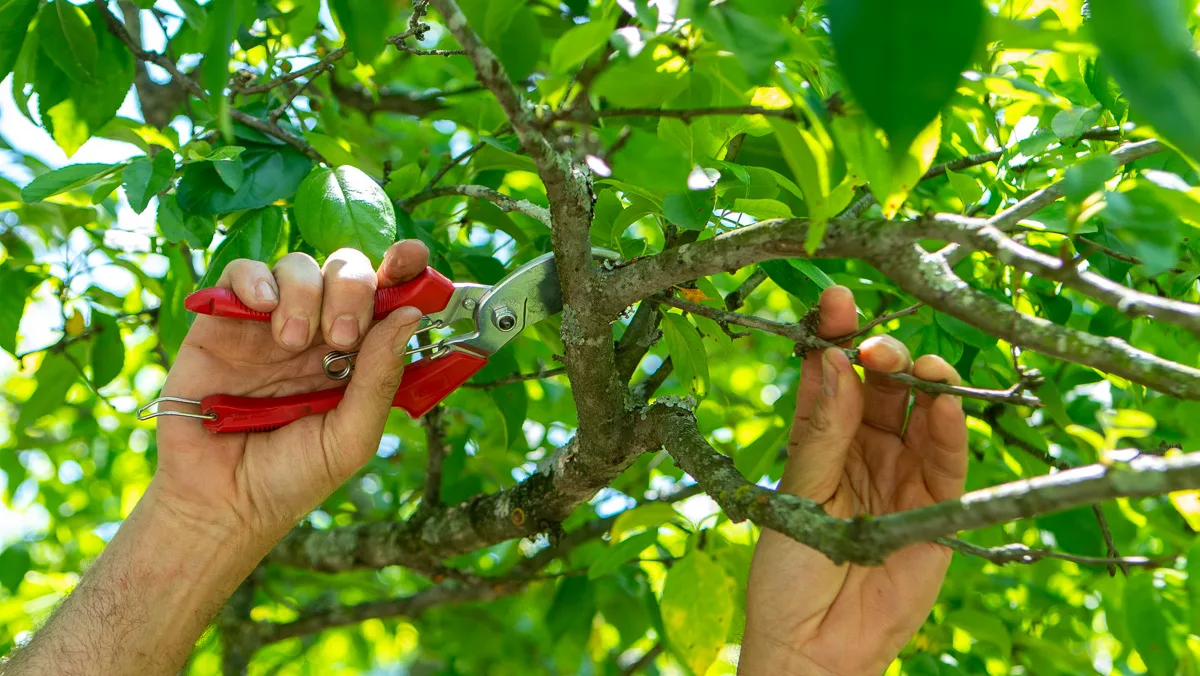
Image source: Bing (Web (fair-use with source credit))
The decision tree below walks you through what to do at each stage of nesting season. Follow the steps in order. If any step tells you to pause, pause.
Step 1: Identify the species on your property
Walk the property and note what birds you see near trees, rooflines, and structures. Robins, jays, cardinals, and house sparrows are common. Look for nest-building behavior like carrying twigs, straw, or mud.
Step 2: Check your regional nesting calendar
Pull up your state's nesting calendar from your state wildlife agency or the U.S. Fish & Wildlife Service. Note the earliest and latest possible nesting dates for your area.
Step 3: Inspect the trees and structures before starting work
Look for nests in the upper canopy, under eaves, in chimneys, and around deck railings. If you find an active nest, stop and identify the species before proceeding.
Step 4: Determine whether the nest is on a protected species
Under the Migratory Bird Treaty Act, most native birds and their nests are protected. Three common exceptions are house sparrows, European starlings, and rock pigeons. If your nest belongs to one of those three, you can proceed under federal guidelines.
Step 5: Schedule your work outside the nesting window
If the species is protected and the nest is active, reschedule until after the nesting window closes and fledging is complete. For most songbirds, that means waiting until late summer. For raptors, you may need to wait until early fall.
Step 6: When in doubt, call a professional
A licensed wildlife control operator can assess the situation and help you determine what's legal and what isn't. It's a small fee that can prevent a very expensive mistake.
Decision Point Quick Reference
| Decision Point | What to Do |
|---|---|
| No active nest found | Proceed with your planned work |
| Active nest on a protected species | Wait until nesting season ends |
| Active nest on a nuisance species | Proceed with caution per federal guidelines |
| Unsure of species | Contact a licensed wildlife control operator |
This isn't a one-time decision. Nesting shifts year to year. Check conditions before every major project.
Protected Species vs. Nuisance Birds: What the Law Actually Lets You Do
Not all bird nests carry the same legal weight. The distinction between protected species and non-native nuisance species determines what you can and cannot do.
Protected species: hands off
Under the Migratory Bird Treaty Act, approximately 1,000 bird species are protected across the U.S. and Canada. That includes their eggs, nests, and active young. You cannot destroy, move, or disturb these nests without a permit from the U.S.
Fish & Wildlife Service.
This covers most native songbirds, raptors, waterfowl, and shorebirds. If you see a robin's nest in your maple tree, a Cooper's hawk in your pine, or a great blue heron near your pond, those nests are fully protected.
Non-native nuisance species: some exceptions apply
Three species are not protected under the MBTA because they were introduced to North America from Europe:
- House sparrow (Passer domesticus)
- European starling (Sturnus vulgaris)
- Rock pigeon (Columba livia)
If you can positively identify a nest as belonging to one of these species, you may be able to remove it under federal guidelines. State laws can still impose additional restrictions.
State rules can be stricter
Some states protect native species that the federal government doesn't. Others have their own permit systems for nest disturbance. Always check your state wildlife agency's specific rules before assuming a federal exception applies.
The eagle exception
Bald and golden eagle nests have their own protections under the Bald and Golden Eagle Protection Act. Nesting windows for eagles are particularly strict. Active eagle nests cannot be disturbed at any time without a permit.
How to tell what you're dealing with
If you're not sure what species built the nest, don't guess. Take photos of the nest, the area around it, and any birds nearby. Contact your state wildlife agency or a licensed wildlife control operator.
A quick identification can save you from a legal mistake.
Mistakes Homeowners Make Every Spring Nesting Season (And How to Avoid Them)
Every spring, homeowners across the U.S. run into the same nesting season problems. Most of them are avoidable with a little planning.
Mistake 1: Assuming one date works for all regions
A trimming schedule you found online for California means nothing in Michigan. Nesting windows shift by 6 to 8 weeks between the southern and northern tiers of the U.S. Always use your own state's calendar.
Mistake 2: Confusing mating season with nesting season
Males start building nests and defending territory early, but that doesn't mean eggs are present yet. Nesting season extends well past the mating period. Don't assume that because you haven't seen eggs, it's safe to cut.
Mistake 3: Not checking before the crew arrives
Contractors aren't required to scout your property for nests unless you tell them to. A tree service that trims in April without a nest check could put you in a legal bind.
Mistake 4: Assuming all bird species are protected
This is the other side of the equation. If you're dealing with house sparrows, European starlings, or rock pigeons, the rules are different. But unless you can identify the species confidently, don't assume the exception applies.
Mistake 5: Ignoring HOA and municipal rules
Some HOAs and local ordinances have their own seasonal tree-trimming restrictions that are stricter than federal law. Check with your HOA board and local tree preservation office before scheduling work.
Mistake 6: Removing nests "just in case"
Even a nest that looks abandoned might have eggs or young inside. Nest checks from ground level aren't reliable. Don't remove anything unless you've confirmed with a professional that the nest is inactive.
The fix: build a simple checklist
Before any tree work or renovation project between March and August, ask yourself three questions:
- Have I checked my state's nesting calendar?
- Have I inspected the property for nests?
- Do I know what species are present?
If you can't answer all three, don't start the project.