What Do Baby Birds Eat
What do baby birds eat? The answer depends entirely on what kind of bird you're looking at. Insect-eating nestlings need high-protein insects.
Raptors need small mammals or other prey. Seed-eating babies need a protein-rich diet, not actual seeds. Every species has a different feeding strategy built by evolution over millions of years.
What makes this tricky is that a baby bird's digestive system is still developing. In our research of hand-rearing protocols from wildlife rehabilitation centers, most commercial hand-feeding formulas target 40 to 60 percent crude protein. That's roughly three times what adult birds of most species need.
Getting the diet wrong, even for a day, can mean the difference between life and death. Here's what you need to know about the diets, feeding methods, and the mistakes that go wrong most often.
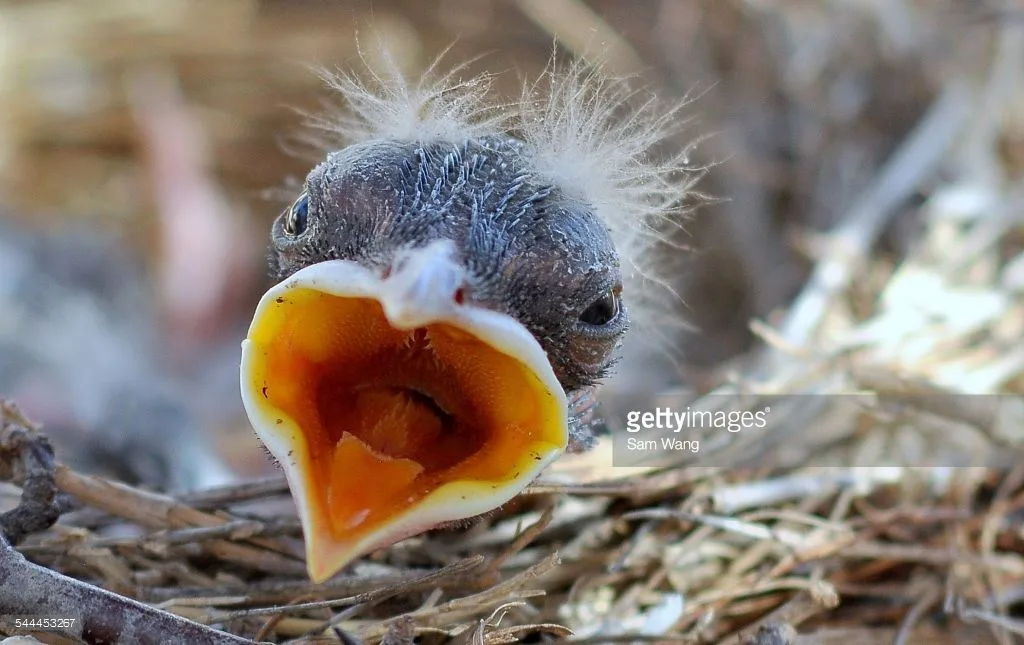
Image source: Bing (Web (fair-use with source credit))
Quick Answer
What baby birds eat depends on their species and age. Insectivore nestlings need soft insects and insect-based formula. Raptors need meat or whole prey items.
Seed-eater nestlings need high-protein food like formula, not actual seeds. Feeding the wrong food causes crop stasis, aspiration, and death within hours. Contact a licensed wildlife rehabilitator before feeding any wild bird.
The Short Answer: Baby Birds Don't All Eat the Same Thing
There is no single "baby bird food." Different species evolved completely different diets, and their young reflect that. What works for a baby sparrow would kill a baby owl within hours.
Here's the basic breakdown of what baby birds eat by group:
| Baby Bird Group | Example Species | Primary Diet |
|---|---|---|
| Insectivores | Robins, swallows, warblers | Insects, larvae, insect-based formula |
| Raptors | Owls, hawks, falcons | Whole small prey, meat chunks, carnivore formula |
| Seed-eaters | Finches, canaries, sparrows | High-protein hand-feeding formula |
| Nectar-feeders | Hummingbirds, honeyeaters | Sugar-water solutions, soft insect paste |
| Omnivores | Crows, ravens, jays | Insects, fruit, high-protein formula |
| Softbills | Starlings, thrushes, ovenbirds | Insects, worms, fruit, softbills formula |
As of 2026, the most widely recommended commercial hand-rearing formulas still come in insectivore and carnivore variants. Manufacturer specifications for brands like Kaytee Exact and Lafeber Nutri-Sof list different protein targets for each. That difference isn't marketing.
It reflects real nutritional needs.
The key insight: if you're trying to figure out what to feed a baby bird you've found, the first question isn't "what do baby birds eat." It's "what kind of baby bird is this?"
Nestling vs. Fledgling: Why Stage of Life Changes Everything
A baby bird's age changes everything about what it eats, how often, and what it can physically do. You need to know which stage the bird is in before you do anything.
What Is a Nestling?
A nestling is a baby bird that hasn't left the nest yet. These birds are either naked or covered in down. Their eyes may not be open.
They can't feed themselves or perch.
Nestlings need warm food delivered directly into their mouths. Feeding frequency ranges from every 15 to 30 minutes for the smallest species to every 30 to 60 minutes for larger ones. The consistency should be thin, similar to heavy cream.
Food temperature must stay between 104 and 107°F (40 to 42°C).
A nestling's digestive system is underdeveloped. Cold food can cause crop stasis, where food sits in the crop and rots instead of digesting. Hot food burns the crop lining.
Both are fatal if not corrected fast.
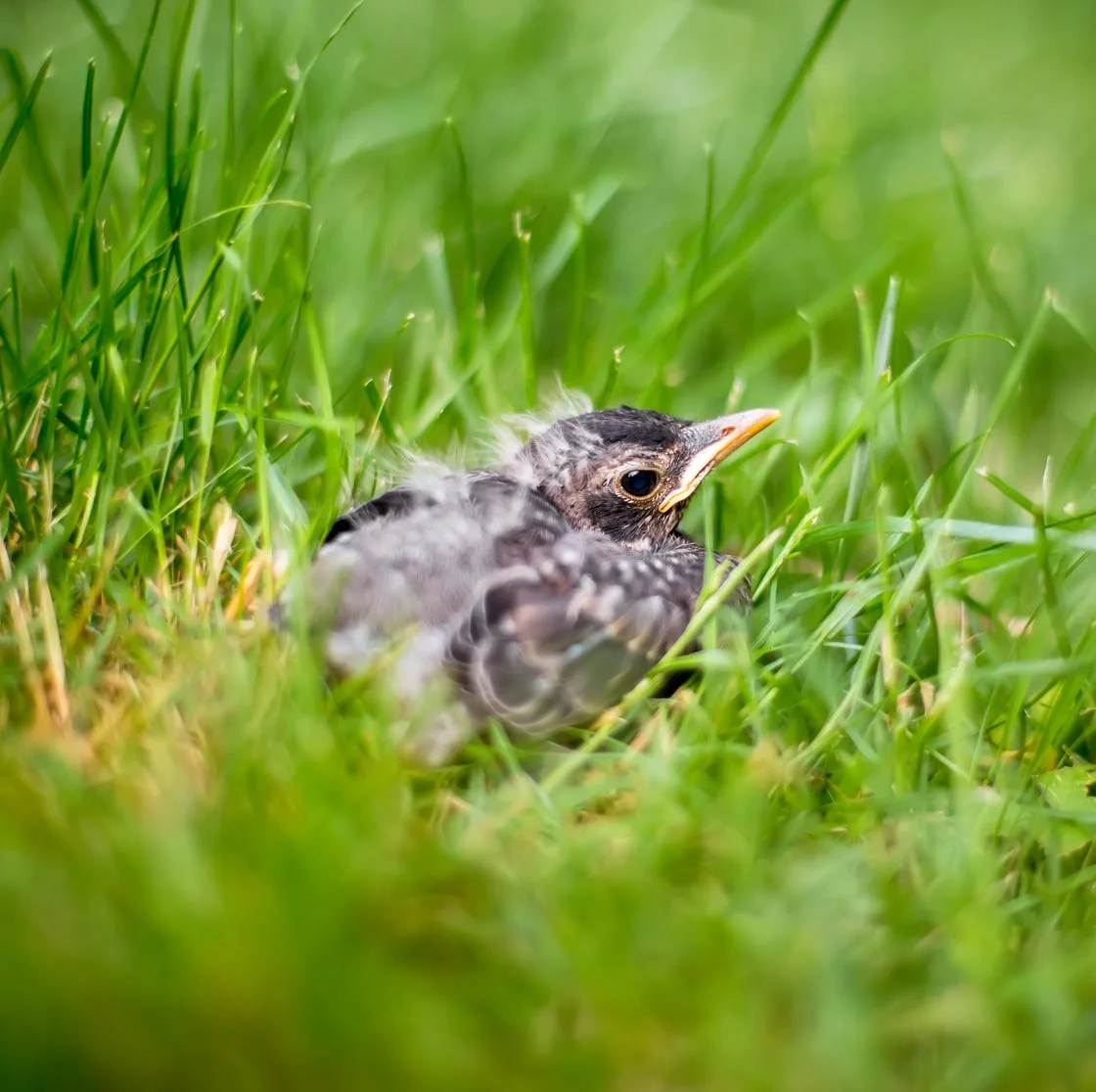
Image source: Bing (Web (fair-use with source credit))
What Is a Fledgling?
A fledgling has left the nest and is starting to develop feathers. It can hop, fly short distances, and often makes noise calling for parents. But it's still not independent.
Fledgling birds typically need softer, chunkier food rather than thin formula. Feeding intervals stretch to every 1 to 2 hours. They benefit from an introduction of actual insects or soft solids alongside their formula.
External warmth is less critical, though they still do better in a sheltered spot.
Here's the part that matters most: most baby birds people find on the ground are fledglings. Their parents are usually nearby, watching from trees. If a fledgling looks healthy, feathered, and alert, you probably don't need to feed it at all.
What Each Species of Baby Bird Actually Eats
This is where most general guides fall short. Saying "baby birds eat insects" is like saying "babies eat food." It's technically true and practically useless. Here's what actually works for each group.
Insectivore Nestlings
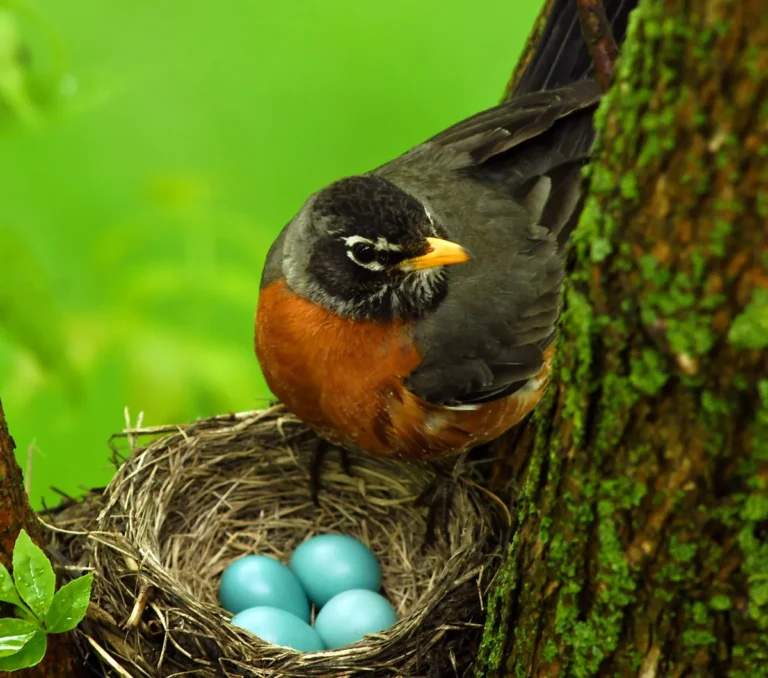
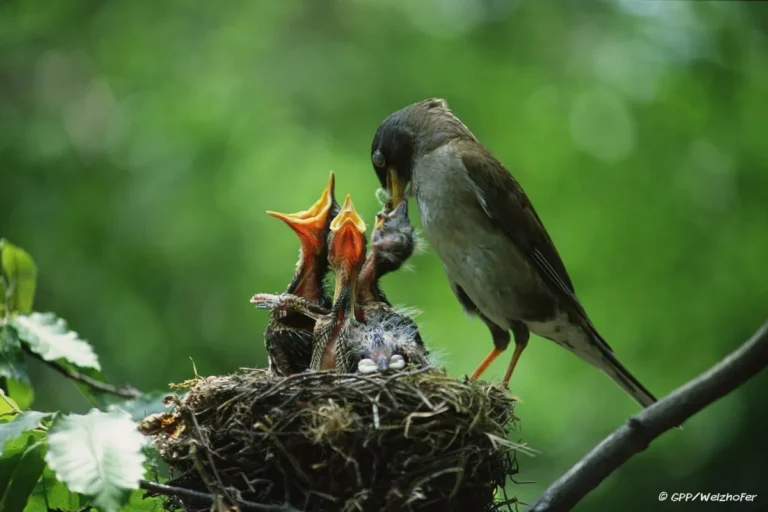
Birds like robins, warblers, swallows, and flycatchers are natural insect eaters. Their parents bring thousands of caterpillars, beetles, and other invertebrates to the nest each day.
For hand-rearing, use an insectivore formula like Kaytee Exact or Roudybush Softbills. Softened mealworms or waxworms work well as supplements. The protein target should be 50 to 60 percent crude protein.
Offer wet food only; dry seeds are useless at this stage.
In our analysis of wildlife rehabilitation data from centers like The Wildlife Center of Virginia, insect-based softbills diets are the standard for all passerine species. If you're hand-raising a songbird, that's your starting point.
Raptor Nestlings
Baby hawks, owls, falcons, and kestrels need meat. They are obligate carnivores from the moment they hatch.
Use a dedicated carnivore formula or finely chopped lean meat. Whole prey like mice or chicks is ideal once the bird is old enough. Protein content should be 55 percent or higher.
Calcium supplementation is critical to prevent metabolic bone disease.
Never feed a raptor seed-based or insectivore formula. The results are fatal within days.
Seed-Eater Nestlings
Finches, canaries, and many sparrows eat seeds as adults. But baby seed-eaters don't actually eat seeds at this stage. They eat what their parents regurgitate, which is a high-protein slurry.
Use a high-protein hand-feeding formula for hand-raising. Offer finely softened seed mash only after the bird is old enough. Maintain a 2:1 calcium-to-phosphorus ratio to support bone development.
Nectar-Feeders
Hummingbird nestlings get a unique diet from their parents: insect-based regurgitation mixed with nectar sugars.
If you must care for one temporarily, use a syringe with dilute insect formula. Mix it with a small amount of sugar solution. Feed very frequently because hummingbird metabolisms are extreme.
Contact a specialist rehabilitator immediately, since hummingbird hand-rearing is advanced work.
Hand-Feeding Baby Birds Safely: Formula, Temperature, and Technique
Hand-feeding baby birds is dangerous when done wrong. Done correctly, it saves lives and produces healthy, well-adjusted birds. Here's how the process works.
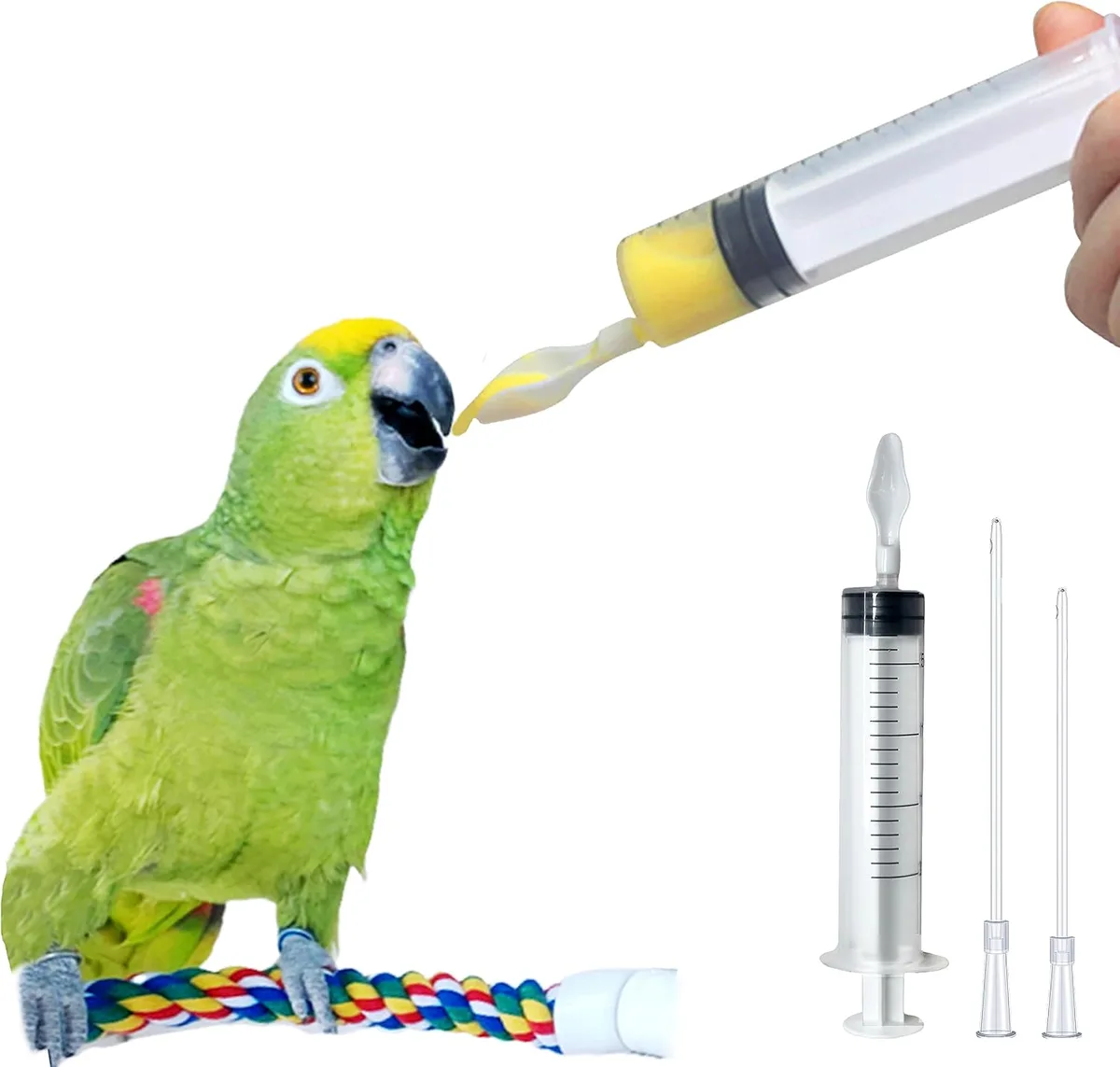
Image source: Bing (Web (fair-use with source credit))
Tools and Materials
| Item | Purpose |
|---|---|
| Hand-feeding formula (insectivore or carnivore) | Base nutrition for nestlings |
| Syringe (1 to 10 ml, depending on bird size) | Delivering food into the mouth |
| Digital thermometer | Verifying food temperature |
| Warm water | Rehydration and formula mixing |
| Brooder or heat source | Keeping the bird at 85 to 95°F |
| Paper towels or soft cloth | Liner for the brooder |
Step 1: Prepare the Formula
Mix the formula with warm water following the manufacturer's instructions. The consistency should be about the thickness of heavy cream for nestlings. Thinner for younger birds.
Thicker as they age.
Step 2: Check the Temperature
Use a digital thermometer. The formula must read between 104 and 107°F (40 to 42°C). Cold food causes crop stasis.
Hot food burns the crop. There's no safe "close enough."
Step 3: Feed with the Right Technique
Fill the syringe, hold the bird gently but firmly, and angle the syringe toward the left side of the mouth. The food should flow into the crop, not the glottis. Watch for the bird to swallow between syringe pushes.
If the bird starts choking or fluid comes out of the nostrils, stop immediately. That's aspiration, and it requires immediate veterinary or rehabilitator attention.
Step 4: Monitor the Crop
After feeding, check the crop. A full crop looks like a small, soft pouch at the base of the neck. It should empty within 30 to 45 minutes.
If it doesn't empty, food may be sitting and fermenting.
The Six Feeding Mistakes That Kill Baby Birds
Hand-raising baby birds fails most often because of a handful of specific mistakes. Here's what to avoid.
1. Feeding Bread
Bread has almost no nutritional value for birds. It can cause crop stasis and ferment inside the stomach. Never feed bread to a baby bird, no matter how well-meaning the gesture.
2. Feeding Milk
Birds are lactose intolerant. Giving them milk causes fatal diarrhea and dehydration within hours. This is one of the most common and most harmful misconceptions out there.
3. Wrong Food Temperature
Cold formula sits in the crop and rots. Hot formula burns the tissue lining it. Both conditions are life-threatening.
Always check with a thermometer before each feeding.
4. Feeding a Fledgling That Doesn't Need Rescuing
Most fledglings found on the ground have parents nearby. Interfering can separate the baby from its family and reduce its survival odds. [The U.S.
Fish and Wildlife Service](https://www.fws.gov) advises leaving healthy fledglings where they are unless they're injured or in immediate danger.
5. Aspiration from Improper Syringe Technique
Pushing formula too fast or angling the syringe wrong sends food into the lungs instead of the crop. This causes aspiration pneumonia, which is often fatal. Go slowly.
Let the bird swallow between pushes.
6. Skipping Sterilization
Feeding equipment that isn't clean introduces bacteria into a baby bird's vulnerable digestive system. Wash and sterilize syringes between feedings. Rinse with boiling water or a bird-safe disinfectant.
This takes 30 seconds and prevents serious infection.