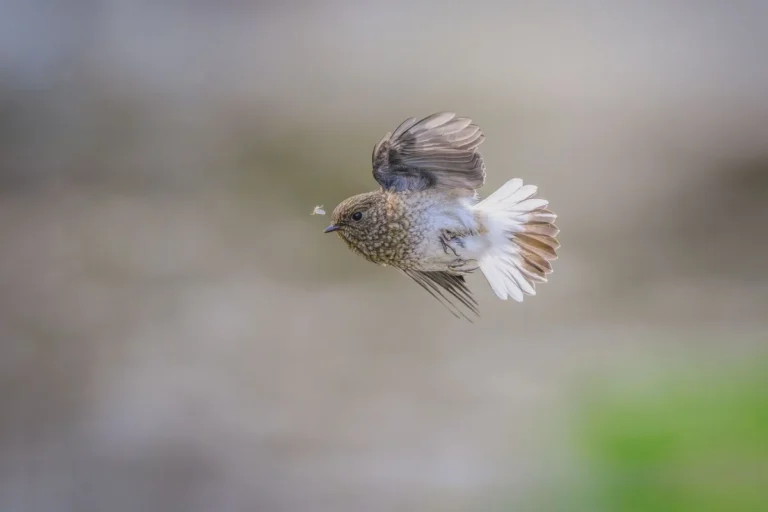
Bird Feeding Habits
Bird feeding habits aren't as simple as pouring seed into a hopper feeder and hoping for the best. What you feed, when you feed, and where you place the feeder all depend on the species in your area, the season, and your local climate. Get any one of those wrong and your feeder stays empty.
Research from the Cornell Lab of Ornithology shows that feeder visitation shifts dramatically between winter and spring. A feeder that attracts chickadees and nuthatches in December might see only goldfinches in May. Seasonal adaptation is the backbone of effective bird feeding habits, and that's where this guide starts.
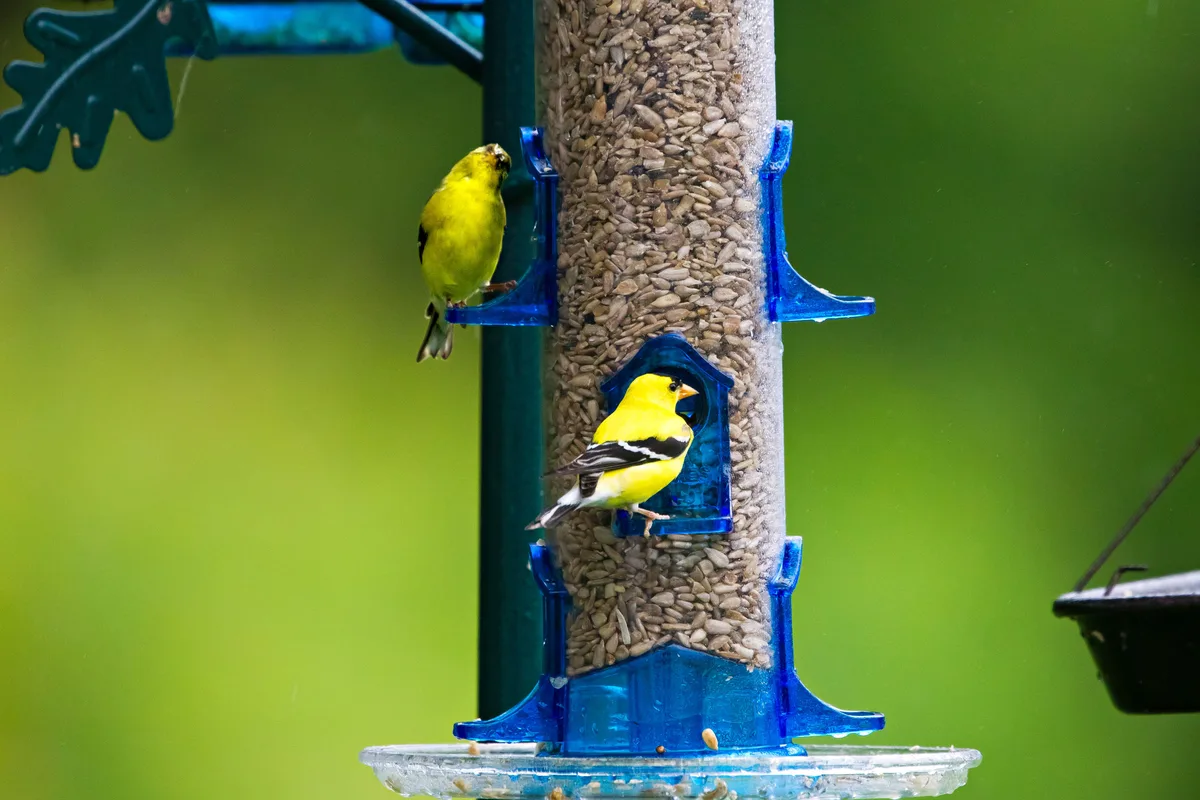
Image source: Web (Bing) / ar.inspiredpencil.com (Web image (fair-use with source credit))
Quick Answer
Bird feeding habits vary by season, species, and habitat. In winter, birds need high-fat foods like suet and black-oil sunflower seed. Spring feeding shifts to protein-rich options such as mealworms.
Autumn feeding supports migration with fruit and high-energy seed. Placement near cover, 15 to 30 feet from windows, reduces predation and collisions.
Why Most Bird Feeding Advice Fails: The One-Size-Fits-All Trap
Most bird feeding guides start with a list of "best" seeds and stop there. That advice fails because it ignores the two things that actually drive bird behavior: season and species.
Think about it this way. A Black-capped Chickadee in Maine in January needs fat. Its metabolism runs hot to keep body temperature stable through subzero nights.
Black-oil sunflower seed and suet deliver that fat. But that same chickadee in June is feeding nestlings and needs protein. Mealworms and high-protein seed blends do the work there.
The problem compounds when you feed a generic mix year-round. You attract the wrong species at the wrong time. Non-native competitors like House Sparrows and European Starlings flock to cheap filler seed.
Meanwhile, your target species walk right past the feeder.
A second failure point: most feeders are placed wrong. The National Audubon Society reports that feeders set too far from cover expose small birds to predators like Sharp-shinned Hawks and outdoor cats. Feeders placed too close to windows cause deadly collisions.
Placement matters as much as food choice.
The fix is a decision tree. Match what you feed to the season, the target species, and your local conditions. Then adjust as the year changes.
How Season, Species, and Habitat Change What Birds Need at the Feeder
Understanding bird feeding habits starts with three variables: season, the species you want to attract, and your local habitat. Each one shifts the answer to "what should I fill the feeder with?"
Season by Season Feeding Priorities
| Season | Primary Bird Need | Best Food Types | Typical Feeder Visitors |
|---|---|---|---|
| Winter | Fat and calorie density | Suet, black-oil sunflower, peanuts | Chickadees, nuthatches, woodpeckers, juncos, cardinals |
| Spring | Protein for nesting | Mealworms, high-protein seed blends | Robins, wrens, finches, sparrows |
| Summer | Insects and fruit | Mealworms, chopped fruit, hummingbird nectar | Oriole, catbird, mockingbird, hummingbird |
| Fall | Fat reserves for migration | Nyjer, sunflower hearts, suet | Goldfinches, white-throated sparrows, grosbeaks |
Species-Specific Diet Groups
Different species eat different things. That's not a preference, it's a hardwired biological trait.
- Granivores (seed-eaters): Chickadees, finches, sparrows, cardinals, juncos, doves
- Insectivores (insect-eaters): Wrens, titmice, nuthatches, some woodpeckers
- Omnivores (mixed feeders): Jays, grackles, robins, mockingbirds
- Nectarivores (nectar-feeders): Hummingbirds and orioles
If you want House Finches, fill with black-oil sunflower seed. If you want hummingbirds, you need a 4:1 sugar-water ratio in a clean nectar feeder. If you want Baltimore Orioles in summer, cut up oranges and hang fruit feeders.
Habitat Context Changes Everything
An urban balcony faces different challenges than a rural acre lot. Urban feeders deal with higher disease pressure and more House Sparrow and European Starling competition. Rural feeders may attract more wary species like Blue Jays and Downy Woodpeckers that won't visit a feeder within 50 feet of a house.
Humid climates require faster seed turnover. Seed sitting exposed in warm, moist air goes rancid within two to three weeks. In dry desert or high-altitude settings, mold risk drops and cleanup frequency decreases.
The Bird Feeding Decision Tree: Match Food to Season, Species, and Situation
Here is the decision framework used by serious feeder watchers, backed by species-diet research from Cornell's Project FeederWatch.
Step 1: Identify What Species Are in Your Area
Before buying any food, know your local bird list. Use the Merlin Bird ID app, check your state Audubon chapter's species page, or look at eBird hotspot data for your zip code. Species vary dramatically by region.
A Southeast US feeder sees mockingbirds, Carolina Wrens, and Summer Tanagers in June. That same feeder in the Midwest gets House Finches and Mourning Doves instead.
Step 2: Decide What You Want to Attract
Pick one or two target species rather than trying to attract everything. Focusing lets you dial in the right food and feeder type with precision.
| If You Want to Attract… | Use This Food | Best Feeder Type |
|---|---|---|
| Chickadees, nuthatches, titmice | Black-oil sunflower seed, suet | Tube feeder, suet cage |
| Goldfinches | Nyjer (thistle) seed | Nyjar tube feeder with small ports |
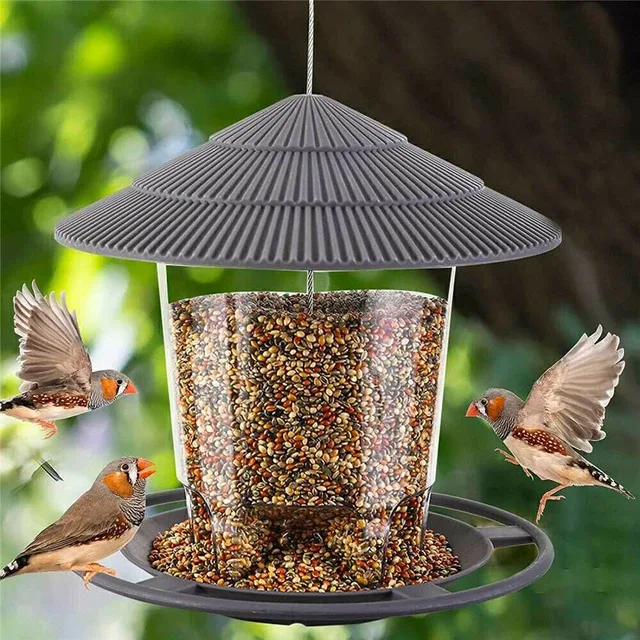
| Cardinals, house finches | Black-oil sunflower, safflower | Hopper feeder, platform feeder |
| Hummingbirds | 4:1 sugar-water nectar | Hummingbird feeder with bee guards |
| Orioles | Fruit, jelly, nectar | Fruit feeder, oriole feeder |
| Doves, sparrows, juncos | White proso millet | Ground tray or platform feeder |
Step 3: Choose the Right Food Type
Once you know your target species, match the food. The rule of thumb: thick-shelled seeds for large-beaked birds, small oily seeds for small-beaked birds, suet for high-energy needs, and mealworms for protein.
Step 4: Place the Feeder Correctly
Placement is where most feeders fail, even when food choice is right.
- Hang feeders within 10 to 15 feet of a shrub or tree. This gives birds quick cover from predators.
- Position feeders 30 or more feet from windows. Feeders within 3 feet of glass increase bird-strike risk significantly.
- Elevate ground-feeding trays 1 to 3 feet off the ground to reduce cat access.
- Place feeders out of direct afternoon sun in hot climates to reduce seed spoilage.
Step 5: Set Up a Water Source
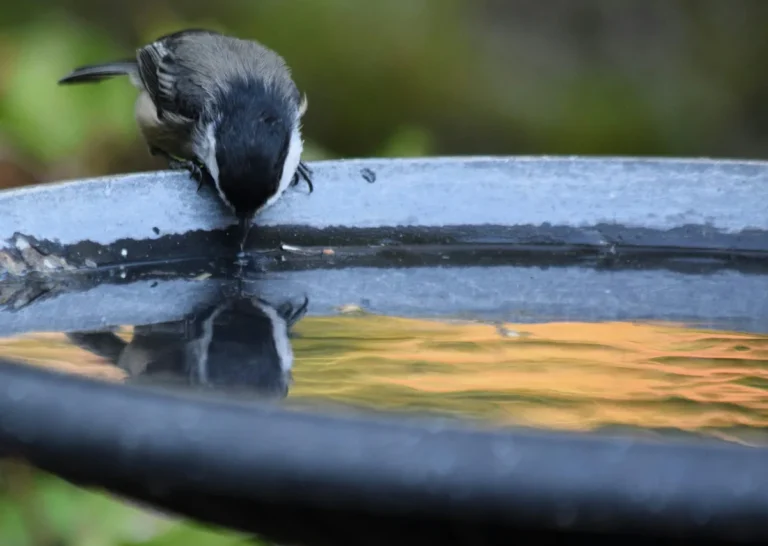
Birds visit feeders far more consistently when clean water is nearby. A heated bird bath in winter or a dripper-style fountain in summer dramatically increases visitation. Per field observations compiled by the [U.S.
Fish and Wildlife Service](https://www.fws.gov), water availability is one of the strongest drivers of backyard bird activity.
Black-Oil Sunflower vs. Nyjer vs. Safflower vs. Millet: Which Seed Goes Where
Not all seed is equal. The difference between a well-stocked feeder and an empty one often comes down to picking the right variety for the right bird.
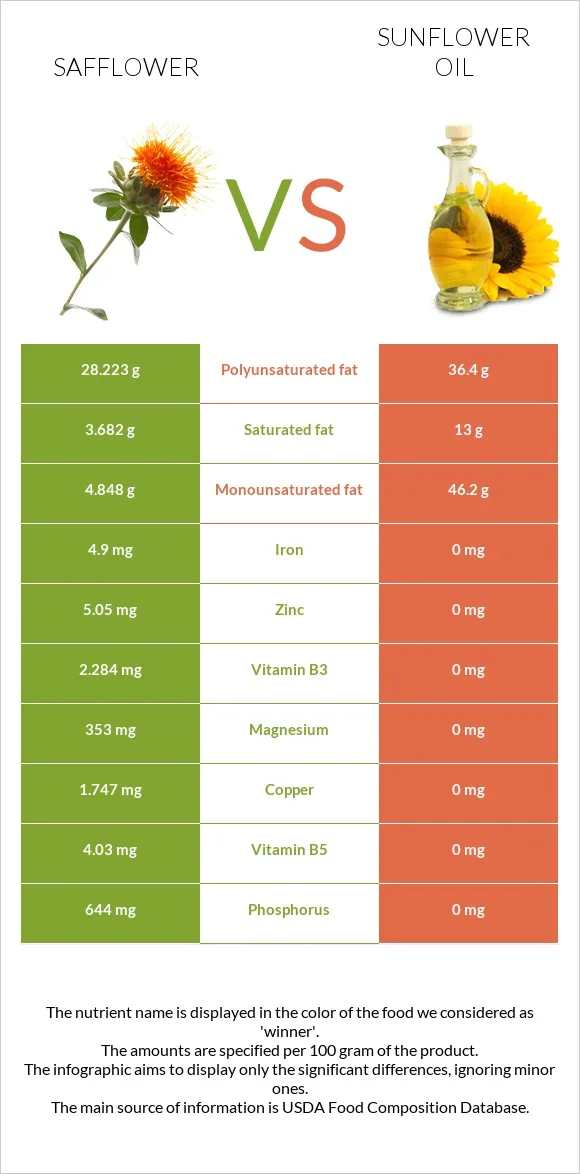
Image source: Web (Bing) / foodstruct.com (Web image (fair-use with source credit))
Seed Comparison at a Glance
| Seed Type | Best For | Calorie Density | Key Advantage | Key Limitation |
|---|---|---|---|---|
| Black-oil sunflower | Chickadees, nuthatches, cardinals, finches | Very high (approx. 7,000-8,000 BTU/lb) | Thin shell, high oil, highest universal appeal | Attracts squirrels heavily |
| Striped sunflower | Cardinals, jays, grosbeaks | High | Larger seed, better for bigger beaks | Thicker shell, more waste, less accessible to small birds |
| Nyjer (thistle) | Goldfinches, redpolls, siskins | Very high | Tiny oil-rich seed, starlings reject it | Needs mesh ports, clogs in humid weather |
| Safflower | Cardinals, house finches, doves | Moderate-high | Starlings and grackles avoid it entirely | Less calorie-dense than sunflower |
| White proso millet | Doves, sparrows, juncos, towhees | Moderate | Cheap, widely available, ground-feeding favorite | Low fat, poor for cold-weather feeding |
| Peanut hearts | Woodpeckers, nuthatches, titmice, jays | High | Protein-rich, long shelf life, mold-resistant | More expensive than standard seed |
| Mealworms (dried) | Wrens, bluebirds, chickadees, titmice | Very high protein (approx. 53% protein, 28% fat) | Highest protein of any feeder food | Attracts ants if left out, expensive at scale |
Who Each Seed Is Best For
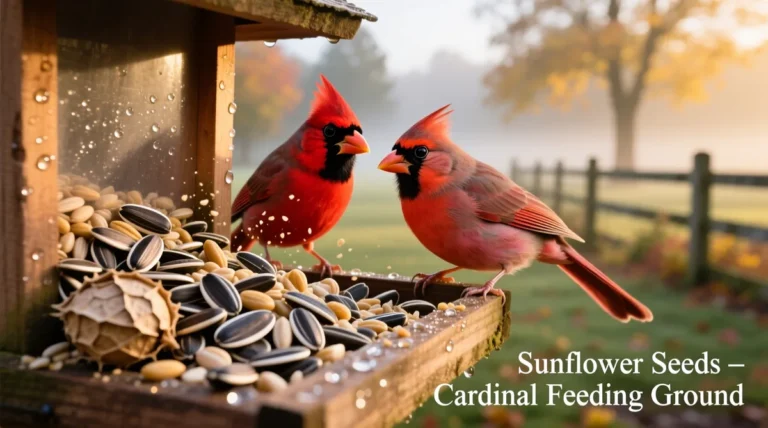
Black-oil sunflower is the most effective general-purpose feeder seed as of 2026. It's the first food most bird feeding guides recommend, and for good reason. Its thin shell means small birds can open it easily, and its high oil content delivers serious calories.
The downside: it attracts squirrels heavily, and it draws larger bully birds like Blue Jays and Red-winged Blackbirds too.
Nyjer is the goldfinch specialist. Its tiny, oil-rich seeds are ignored by most larger birds. The catch is that nyjer is expensive, and it clogs quickly in humid weather.
Keep feeders clean and filled with fresh seed every two weeks in humid climates.
Safflower is the underappreciated pick. Cardinals love it. European Starlings, grackles, and squirrels all avoid it.
If non-native species are raiding your feeder, safflower is a natural deterrent that doesn't require a mechanical squirrel-proof design.
Millet is for ground feeders. White proso millet attracts Mourning Doves, juncos, and many sparrow species. Use it in a tray feeder or scatter it directly on the ground under a platform feeder.
It's low in fat, so combine it with sunflower or suet during winter.
What to Look For When Buying Seed
Not all bags of "wild bird food" are the same. Many cheap blends fill up to 30 percent of the bag with milo, a sorghum grain most backyard birds actively avoid. Buy seed labeled specifically for the species you want.
Check that black-oil sunflower seed looks fresh, oily, and has no visible mold or off smell.
Seven Bird Feeding Mistakes That Empty Your Feeder (or Spread Disease)
Even with the right seed and feeder, common mistakes will keep birds away or create real health risks. Here are the seven most frequent problems and the fixes.
Mistake 1: Feeding Only One Type of Seed Year-Round
Birds need different nutrition in different seasons. A feeder filled with only millet all year attracts some sparrows and doves, but it misses goldfinches in spring and the fat-seeking chickadees and nuthatches that need calorie-dense food in winter.
Fix: Switch seed types seasonally. Black-oil sunflower and suet in winter. Mealworms and protein blends in spring.
Fruit and nyjer in summer and fall.
Mistake 2: Never Cleaning the Feeder
Uncleaned feeders are breeding grounds for disease. Salmonella outbreaks at suet feeders have been documented in multiple states. Trichomoniasis in doves and hawks is a recurring problem at contaminated feeders.
Bird droppings, mold, and old seed build up fast.
Fix: Clean every one to two weeks in warm weather. Use a 10 percent unscented bleach solution, rinse thoroughly, and let the feeder dry completely before refilling. Skip soap or detergent entirely.
Residue harms birds.
Mistake 3: Using Cheap Filler Seed
Bags containing milo, oats, or wheat as filler waste your money and attract pest species. European Starlings and House Sparrows eat these fillers preferentially, crowding out the species you actually want to see.
Fix: Buy labeled seed for your target species. Avoid generic "wild bird food" blends with visible filler grains.
Mistake 4: Placing Feeders Too Close to Windows
Birds striking a window within 3 feet of glass cannot generate enough velocity to avoid a fatal impact. Feeders set right next to glass cause repeated collisions, and birds that hit windows often die from internal hemorrhaging even if they appear to fly away initially.
Fix: Move feeders 30 or more feet from any window. Alternatively, place them within 3 feet of glass with anti-collision stickers or window decals applied to the glass.
Mistake 5: Over-Feeding Suet in Warm Climates
Suet goes rancid quickly in hot, humid weather. Rancid suet causes digestive problems in birds. In warm climates, feeding suet year-round can create illness hotspots around the feeder.
Fix: In climates above 70°F / 21°C regularly, switch from suet to seed-based or mealworm-based food. Use suet primarily in cooler months.
Mistake 6: Ignoring Non-Native Competitor Species
House Sparrows and European Starlings are aggressive, adaptable, and outcompete native species at feeders. Starlings and sparrows both eat cheap fillers like milo, corn, and cracked wheat. They also physically displace smaller native birds from perches.
Fix: Choose seed types these species avoid. Safflower and nyjer are both rejected by starlings and sparrows. Use starling-proof feeders with weight-activated mechanisms for suet.
Mistake 7: Assuming More Feeders Always Helps
Multiple feeders in one yard can help, but only if they're filled with the right food for the right species. Two feeders full of generic millet-blend seed don't diversify your visitor list. They just split the same flock between two locations.
Fix: Instead of adding more feeders, diversify the food types within the feeders you already have. One tube feeder with black-oil sunflower, one suet cage with high-fat suet, and one hummingbird feeder covers three distinct bird groups in a single yard.