Do Birds Eat Insects
Do birds eat insects? Yes, many do. But the answer shifts depending on which species you're watching and what time of year it is.
Some birds depend on insects almost entirely. Others only eat them when seeds run low.
Research from the Cornell Lab of Ornithology confirms that bird diets vary dramatically by species, season, and habitat. Most North American bird species eat insects at some point during the year. The answer to which birds eat insects right now depends on your local species and the season.
Quick Answer
Yes, most birds eat insects at some point. True insectivores like warblers and flycatchers depend on them daily. Seed-eating birds like finches and sparrows eat insects only occasionally.
Nestling birds almost always eat insects as chicks. The answer changes based on species, season, and habitat.
Do Birds Eat Insects? Here's How to Tell
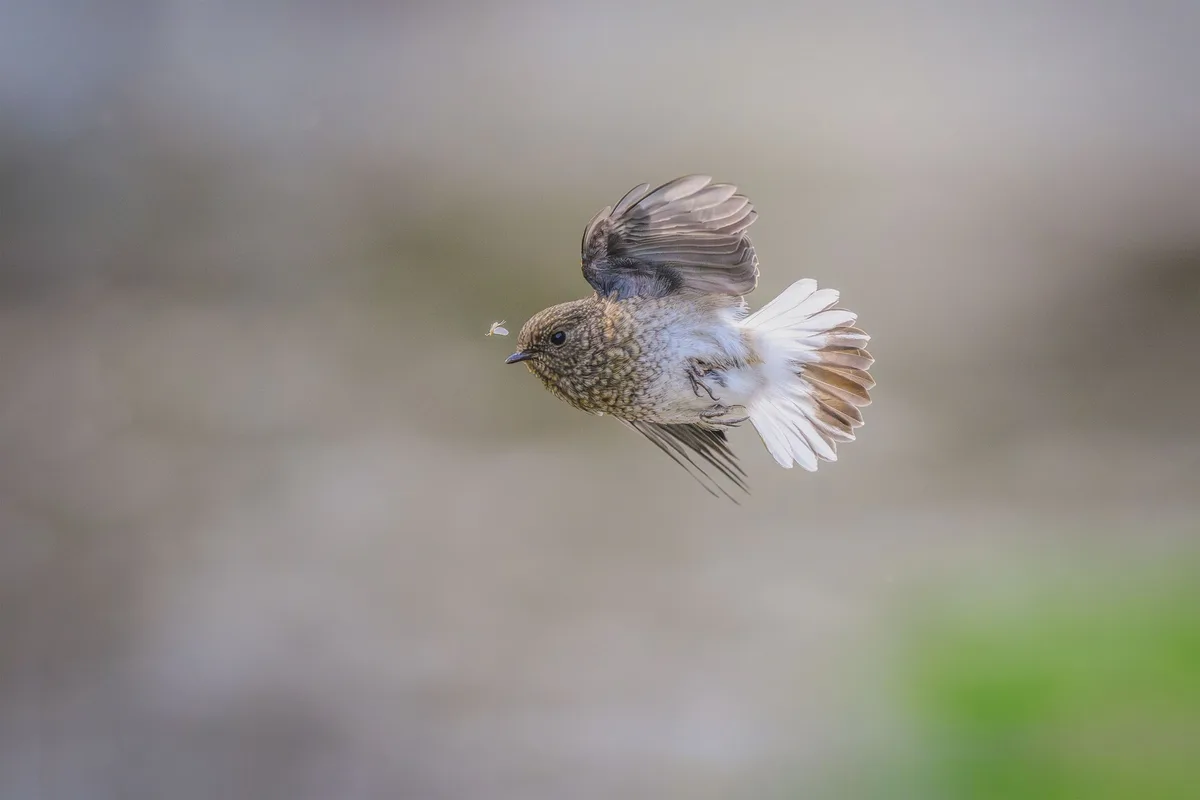
Image source: Web (Bing) / pexels.com (Web image (fair-use with source credit))
The short answer is yes, but not every bird eats insects the same way. Some hunt them exclusively. Others treat insects as a seasonal supplement.
A few barely touch them at all.
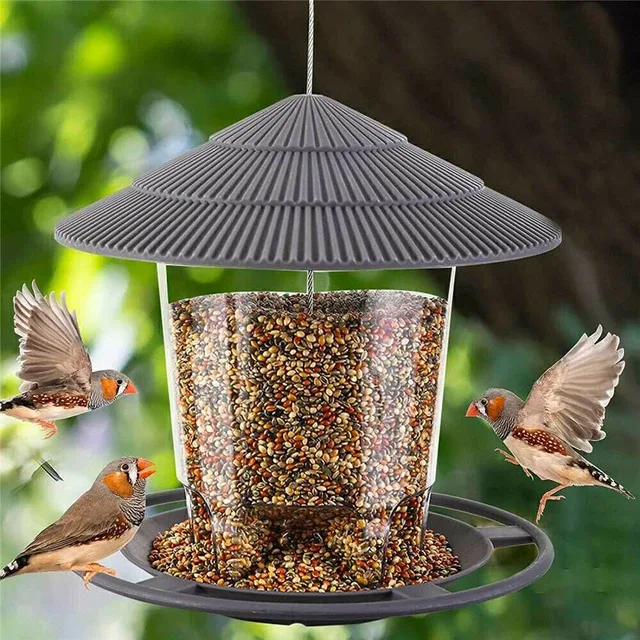
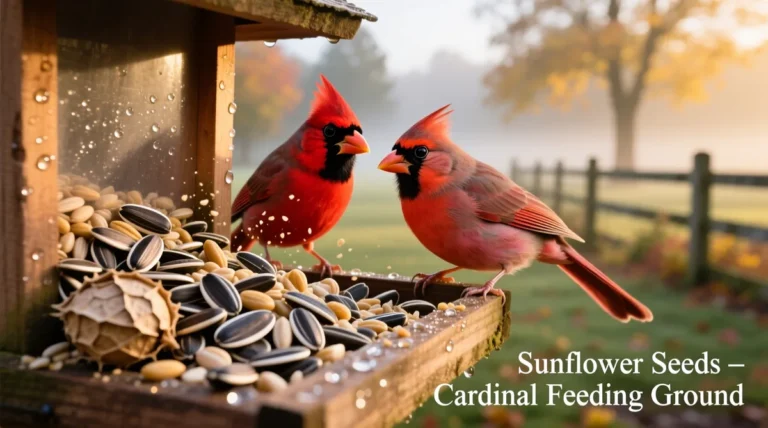
Context matters more than you'd think. If you're watching a bird at your feeder, that's not the whole picture. Robins grab seeds from feeders but hunt worms and beetles on the ground.
Warblers rarely visit feeders and instead forage for insects in tree canopies.
Quick Clues to Identify Insect-Eaters
Here's a simple way to sort it out based on what you observe:
- Catching flying insects mid-air → almost certainly an insectivore (swallows, flycatchers)
- Probing bark or leaves → likely eating larvae or small invertebrates (woodpeckers, nuthatches)
- Walking on the ground, tugging at grass → hunting for grubs or worms (robins, blackbirds)
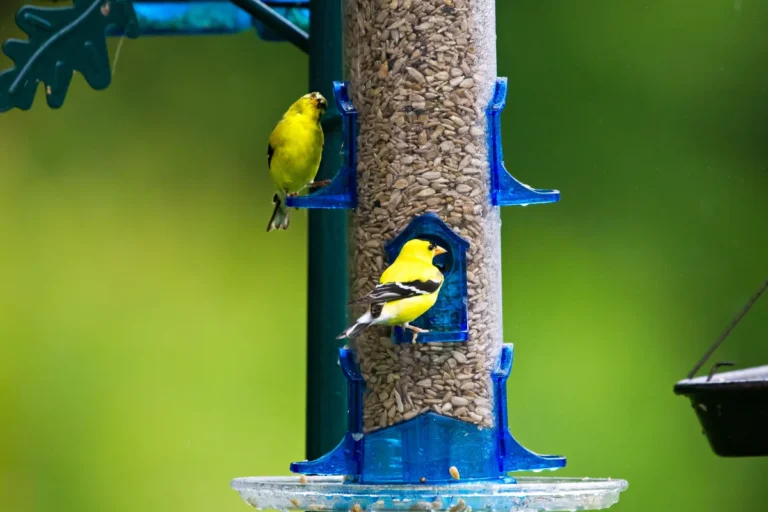
- Sitting at a feeder cracking seeds → likely seed-dependent (finches, sparrows)
- Feeding its young → insects are almost always on the menu regardless of the adult's diet
Beak Shape Tells the Story
Beak morphology is one of the fastest diet indicators. Short, pointed bills are built for snatching insects. Broad, flat bills work well for catching flying prey.
Heavy, conical bills are designed for cracking seeds.
A slender, pointed bill on a small bird almost always signals insect-eating behavior. A stubby, thick bill signals a seed-eater. You can learn a lot about a bird's diet just by looking at its face.
One Feeder Visit Doesn't Define a Species
Here's a mistake many bird-watchers make. They assume what they see at a feeder defines the entire species' diet. It doesn't.
Many birds are opportunistic feeders. They'll eat what's available in the moment. A bird that seeds in winter might hunt insects in spring when protein demands spike during nesting season.
The Decision Tree: Why the Answer Changes Based on Bird Type and Season
The answer to whether a bird eats insects follows a pattern. Think of it as a decision tree. Start with the species group.
Then factor in the season. The habitat closes the loop.
First Branch: What Group Does the Bird Belong To?
If the bird is classified as an insectivore, the answer is almost always yes. Warblers, flycatchers, swallows, and wrens eat insects year-round or during breeding season.
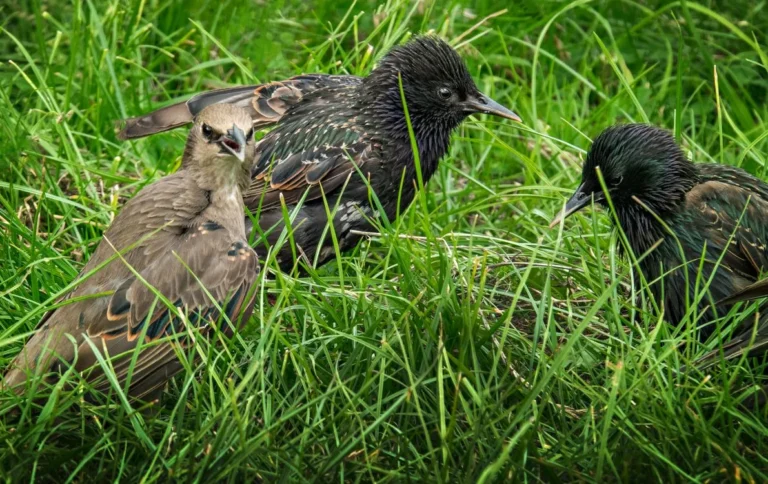
If the bird is an omnivore, the answer is sometimes. Robins, jays, and starlings eat insects when available but also rely on fruit and seeds.
If the bird is a granivore, the answer is usually no. Finches, sparrows, and doves focus on seeds. They'll eat insects occasionally, but insects aren't a staple.
Second Branch: What Season Is It?
Spring and summer bring the highest insect activity. That's when nesting birds need protein-rich food to feed growing chicks. Most adult birds, even seed-eaters, switch to insect provisioning during this period.
Winter flips the equation. Insects become scarce. Granivores shift entirely to seeds.
Even some omnivores stop eating insects and rely on stored berries and suet.
Third Branch: Where Does the Bird Live?
Urban environments reduce insect availability. Birds in cities often adapt by eating more human-provided food. Rural habitats with healthy insect populations support more year-round insectivores.
Farmland birds tend to be opportunistic feeders. They switch between insects and grain depending on the harvest cycle. Agricultural regions have seen measurable declines in insect populations, which pushes more birds toward seed diets.
Putting the Decision Tree Together
So the full path looks like this:
- Identify the species group
- Check the current season
- Observe the local habitat
If all three point to insect-eating behavior, you've probably got an insectivore on your hands.
Which Bird Groups Eat Insects (and Which Barely Touch Them)
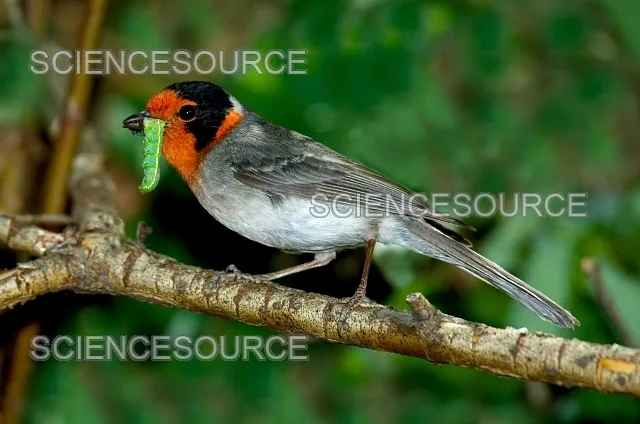
Image source: Web (Bing) / sciencesource.com (Web image (fair-use with source credit))
Birds don't fall into a single bucket when it comes to diet. Research divides them into broad categories based on what they eat most. Understanding these categories is the fastest way to answer whether any given species eats insects.
The True Insectivores
These birds depend on insects as their primary food source. They hunt actively, often in the air or through dense foliage.
- Swallows and flycatchers catch flying insects on the wing
- Warblers and vireos glean insects from leaves and branches
- Wrens and nuthatches probe bark and leaf litter for larvae
- Woodpeckers drill for beetle larvae and ants inside trees
- Martins and chimney swifts feed almost entirely on aerial insects
If you're seeing these birds in your yard, they're almost certainly eating insects right now.
The Opportunistic Insect Eaters
These species eat insects when they're available but don't depend on them. They're flexible.
- Robins and blackbirds hunt worms and beetles on the ground
- Crows and jays eat insects opportunistically alongside everything else
- Starlings probe lawns for grubs during nesting season
- Bluebirds catch insects in flight or on the ground
The Seed-First Birds
These species focus on seeds, grains, and plant material. Insects are rare on their menu.
- Finches and sparrows crack seeds with conical bills
- Pigeons and doves eat grain and spilled seed
- Juncos forage for seeds on the ground
- Crossbills extract seeds from cones
What About Seasonal Shifts?
Even seed-first birds eat insects during breeding season. Finch parents feed caterpillars and grubs to their chicks. The adult bird's preferred diet doesn't determine the nestling's diet.
Growing birds need the protein that insects provide. This seasonal shift is one of the most overlooked aspects of bird feeding ecology.
Insectivore vs. Omnivore vs. Granivore: A Side-by-Side Look
Now let's put the three main dietary groups head to head. This comparison makes it easier to see where each type falls on the insect-eating spectrum.
| Category | Primary Diet | Eats Insects? | Example Species |
|---|---|---|---|
| Insectivore | Insects | Yes, heavily | Swallows, warblers, flycatchers |
| Omnivore | Mixed | Sometimes | Robins, crows, starlings |
| Granivore | Seeds and grains | Rarely | Finches, sparrows, doves |
Insectivores eat insects year-round or during breeding season. Omnivores eat them seasonally or when available. Granivores eat them only occasionally, usually to feed nestlings.
Who Each Category Is Best For
If you're trying to attract insect-eating birds to your garden, target insectivores. They'll naturally control pest populations. Put up nesting boxes and native plantings that support insect life.
If you're trying to attract seed-eaters, fill feeders with quality seed and create ground-feeding areas. They're easier to attract but won't help with pest control.
If you want a mix of both, provide water sources and diverse habitat. That'll draw insectivores hunting for prey and granivores stopping for a drink.
The Practical Takeaway
The category a bird belongs to tells you what to expect at your feeder. An insectivore won't visit a seed feeder. A granivore won't hunt insects on your lawn.
Understanding the category means you can adjust your feeding strategy accordingly.
For example, if you want to attract insect-eating birds, skip the seed-only feeder. Instead, plant native flowers and shrubs that attract caterpillars and other insects. That creates the food source insectivores actually need.
Why Insect-Eating Birds Matter: Natural Pest Control and Ecosystem Health
Insect-eating birds aren't just fun to watch. They play a critical role in controlling pest populations and maintaining healthy ecosystems.
Natural Pest Control at Scale
According to USDA research on biological pest management, birds consume enormous quantities of insect pests each year. A single pair of barn swallows can eat hundreds of flying insects per day. During nesting season, the demand spikes even higher.
This has real economic value. Farmers who maintain bird-friendly habitats often see reduced insect damage without chemical intervention. Government research has documented how bird species reduce crop pest pressure in multiple agricultural systems.
Insect Decline and Bird Population Pressure
Here's a growing concern. Insect populations in many regions have declined significantly. Pesticide use, habitat loss, and climate change all play a role.
When insect populations shrink, insect-eating birds lose their primary food source.
This creates a ripple effect. Fewer insects means fewer birds. It means weaker nestling survival rates.
It means shifting species compositions in local ecosystems.
What This Means for Your Backyard
If you want to support insect-eating birds, you need to support their food source. That means reducing pesticide use. Planting native species that attract insects.
Maintaining messy garden areas where insects naturally thrive.
You don't need to do everything at once. Even one pesticide-free garden bed makes a difference. Insect-eating birds will find it.
Common Myths About What Birds Actually Eat
A few popular beliefs about bird diets don't hold up under scrutiny. Let's clear them up.
Myth 1: All Birds Eat Seeds From Feeders
Not true. Most bird species won't visit a seed feeder at all. Warblers, flycatchers, and swallows hunt insects in trees and open air.
They have no interest in sunflower seeds or thistle. If you only put out a seed feeder and wonder why you don't see diverse species, this is why.
Myth 2: Insect-Eating Birds Are Pests
This one causes real problems. Starlings and crows eat insects but can also damage crops when large flocks gather. Most insect-eating birds, though, are beneficial.
A warbler population in a local park will eat hundreds of pest caterpillars a season.
Myth 3: Feeding Birds Seeds Helps Them Eat More Insects
The opposite is often true. When you fill feeders with seeds, granivore birds have no reason to hunt. Seed availability can actually reduce insect predation because birds are sitting at feeders instead of foraging.
Myth 4: Every Insect Is Good Bird Food
Birds have preferences. Caterpillars, beetles, and ants are staple foods. But some insects are toxic.
Monarch caterpillars, for example, sequester toxins that most birds avoid. Not all insects are equally nutritious or safe.
Myth 5: Birds Always Prefer Insects Over Seeds
Many species prefer the opposite. Finches and sparrows are built for seeds. They'll pass on insects entirely if seed food is available.
Preference is driven by bill shape, digestion, and evolutionary adaptation, not just opportunity.
How to Attract Insect-Eating Birds to Your Backyard
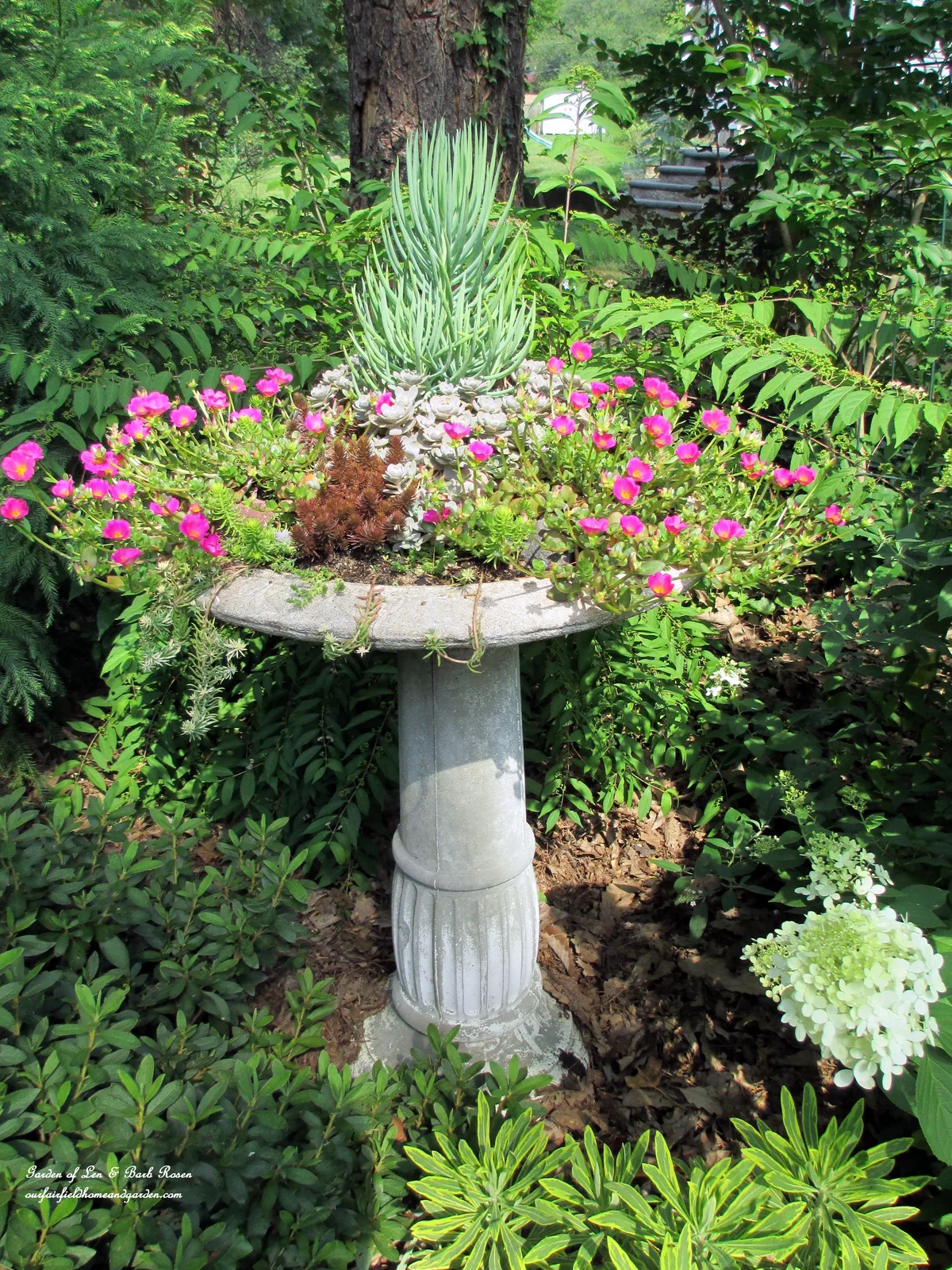
Image source: Web (Bing) / fity.club (Web image (fair-use with source credit))
Attracting insect-eating birds requires a different approach than filling a seed feeder. These birds follow their food. You need to make sure insects are present in your yard.
Plant Native Species
Native plants support native insects. Native insects support insect-eating birds. It's a chain.
Choose plants that produce flowers and foliage in spring and summer. Caterpillars, moths, and beetles need specific host plants to survive.
Research from the Cornell Lab has documented how native plant gardens support significantly more insect activity than ornamental plantings. Start with a few native species and expand over time.
Reduce Pesticide Use
Chemical pesticides kill the insects your target birds depend on. They also harm the birds directly through contaminated prey. If you want insect-eating birds in your yard, stop using broad-spectrum pesticides.
Let your garden ecosystem find its own balance.
Provide Water
Birds need water for drinking and bathing. A shallow birdbath with fresh water attracts species that might not otherwise stop by. Insect-eating birds are particularly drawn to moving water.
A drip feature or small fountain works well.
Create Nesting Habitat
Insect-eating birds often nest in cavities. Install nesting boxes for bluebirds, chickadees, and wrens. Leave standing dead trees (snags) where you can.
These provide both nesting sites and insect habitat.
Leave Some Areas Wild
Perfectly manicured lawns don't support much insect life. Leave a section of your yard messy. Fallen leaves, dead branches, and unmowed patches all harbor the larvae and beetles insectivores need.
This is the single easiest step you can take.
Frequently Asked Questions About Birds and Insects
Do Robins Eat Insects?
Yes. Robins eat worms, beetles, grubs, and other invertebrates year-round. They're opportunistic feeders that switch between insects and fruit depending on the season.
During breeding season, robins feed insects almost exclusively to their nestlings. Ground-foraging is their primary hunting method.
Do Sparrows Eat Insects?
Sparrows primarily eat seeds and grains. They do eat insects occasionally, especially during nesting season when they feed caterpillars to their young. House sparrows and song sparrows will hunt insects if seed food is scarce.
But insects are not their main diet.
Do Hummingbirds Eat Insects?
Yes, hummingbirds eat insects more often than most people realize. They catch gnats, fruit flies, and tiny spiders while foraging among flowers. Protein from insects supports their high metabolism and rapid wing speed.
Nectar provides energy, but insects provide essential nutrition.
Do Birds Eat Mosquitoes?
Some bird species eat mosquitoes, though not as many as people assume. Swallows, swifts, and nightjars are the most effective mosquito hunters. A single swallow can catch hundreds of mosquitoes daily.
Bats and dragonflies are often more efficient at mosquito control.
Do Woodpeckers Eat Insects?
Yes, woodpeckers are dedicated insect eaters. They drill into wood to find beetle larvae, ants, and other invertebrates. A single woodpecker can consume thousands of insects per year.
This makes them valuable for controlling wood-boring pests in trees and structures.
Do Pigeons Eat Insects?
Pigeons rarely eat insects. They're primarily granivorous, feeding on grain and seeds. Rock pigeons, house sparrows, and mourning doves focus almost exclusively on plant material.
You won't see pigeons hunting insects the way robins or starlings do.