What Do Birds Eat
What do birds eat? It's the question every backyard birder, pet bird owner, and curious kid asks first. The honest answer is that there is no single bird food.
Diet depends on the species, the season, and where the bird lives. A hummingbird needs sugar water. A woodpecker goes straight for suet.
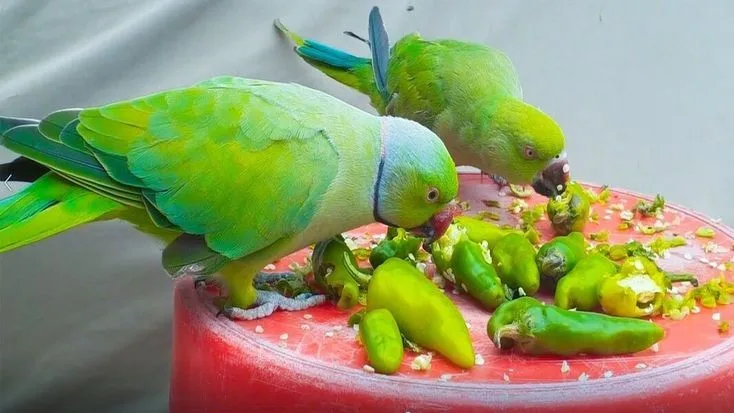
A parrot needs pelleted diet mixed with fresh vegetables.
Research from the Cornell Lab of Ornithology confirms that most North American songbirds switch to insect-heavy diets during breeding season to feed their nestlings. That one fact explains why feeding the wrong thing at the wrong time can cause real harm. Below, we break down what birds eat by species type, season, and feeding scenario.
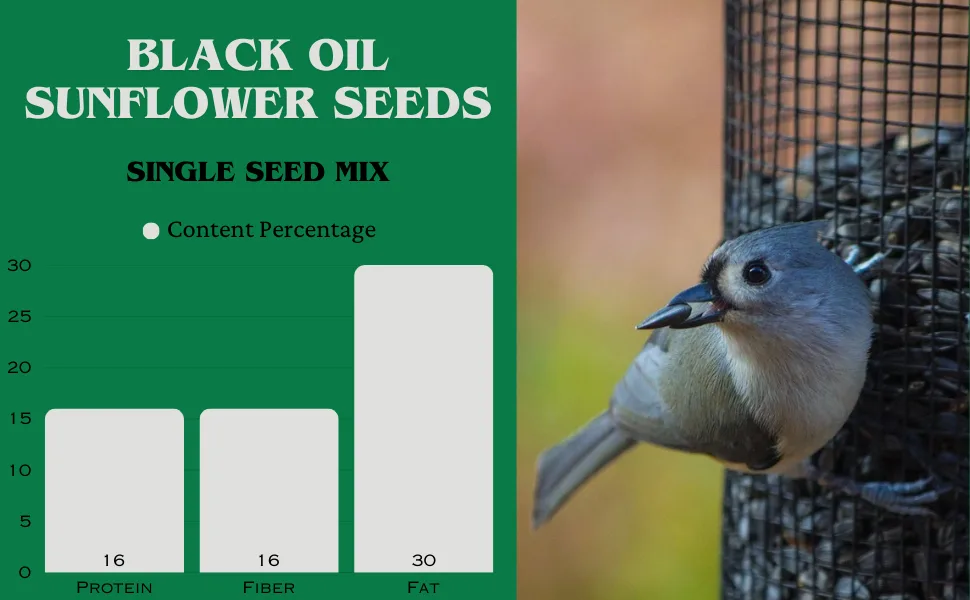
Image source: Bing (Web (fair-use with source credit))
Quick Answer
What do birds eat? It depends on the species, season, and habitat. Most wild birds eat seeds, insects, fruit, and nectar.
Some birds need pelleted diets or sugar water. Feeding birds the wrong food can cause malnutrition or death.
Understanding Bird Dietary Types: Granivores, Frugivores, Insectivores, Nectarivores, and Omnivores
Every bird belongs to one or more dietary groups, and those groups determine what food is safe and useful for them. Most people think of "bird seed" as a universal solution. That's like saying all mammals eat grass.
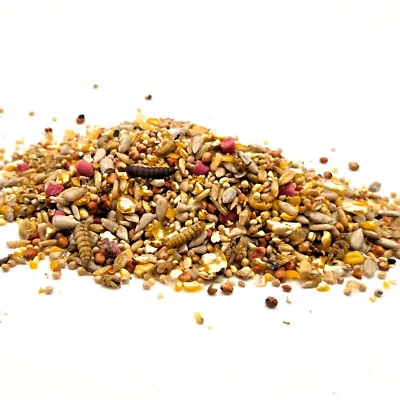
Image source: Bing (Web (fair-use with source credit))
Modern ornithology, as of 2026, groups birds into five main dietary categories based on what they eat most:
| Dietary Type | Primary Foods | Common Species |
|---|---|---|
| Granivores | Seeds, grains, cracked corn | Finches, sparrows, doves, pigeons |
| Frugivores | Fruit, berries, nuts | Robins, thrushes, toucans, parrots |
| Insectivores | Insects, grubs, spiders, worms | Flycatchers, warblers, swallows |
| Nectarivores | Nectar, sugar water | Hummingbirds, sunbirds, lorikeets |
| Omnivores | Mixed foods of all kinds | Crows, gulls, jays, magpies |
Most wild birds are opportunistic omnivores. They eat whatever is available and nutritious at the time. That's why a backyard feeder works best when it offers variety, not just one type of seed.
For pet birds, the dynamic shifts. Domestic parrots, budgies, cockatiels, and finches need a base diet of pellets. Pellets are nutritionally balanced to meet a bird's daily requirements.
Seed-only diets lead to obesity, liver disease, and vitamin A deficiency in captivity.
The American Association of Avian Veterinarians recommends pellets as the nutritional baseline, typically making up 70 to 80 percent of a captive bird's daily intake. Fresh vegetables and small amounts of fruit fill the remainder.
Matching the Right Food to the Right Bird: A Species-by-Species Decision Tree
Now that you know the dietary types, here's how to match food to specific species. Think of this as a simple decision tree.
If you're trying to attract songbirds to a feeder:
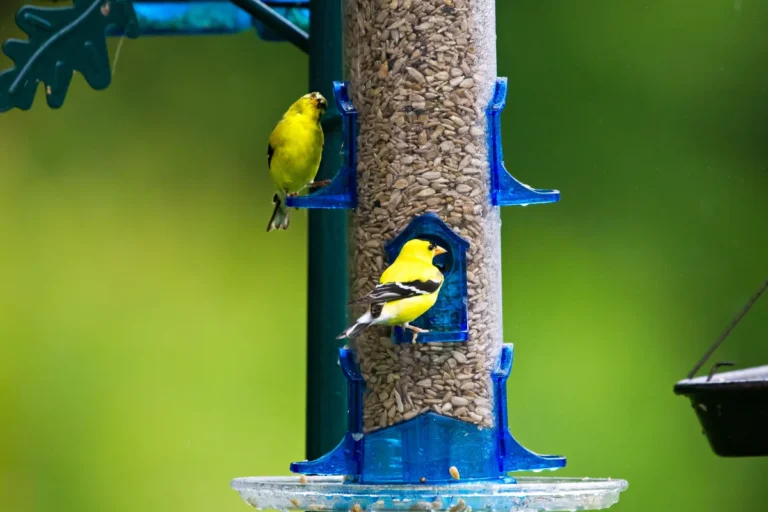
Offer black-oil sunflower seed, nyjer seed, and suet. Black-oil sunflower seed is the single most universal wild bird food in North America. It attracts cardinals, chickadees, nuthatches, finches, and titmice.
Nyjer seed draws goldfinches specifically. Suet works for woodpeckers and chickadees.
If you're feeding waterfowl like ducks or geese:
Offer cracked corn, peas, oats, or duck-specific commercial feed. Avoid bread entirely. Bread fills their stomachs without providing real nutrition and fouls the water they live in.
If you're feeding hummingbirds:
Use a simple sugar water solution. One part white granulated sugar to four parts water. Heat the mixture until the sugar dissolves, then cool it before filling the feeder.
No red dye needed. Avoid honey, which promotes harmful bacterial growth.
If you're feeding a pet parrot or cockatiel:
Start with a high-quality pellet as the base diet. Add fresh vegetables like leafy greens, carrots, and sweet potato. Offer fruit in small amounts.
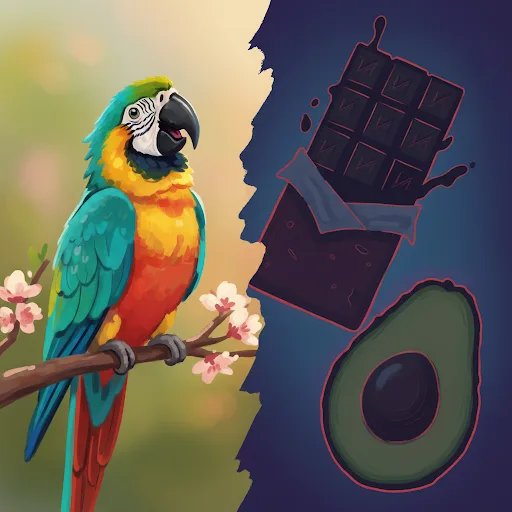
Avoid avocado, chocolate, and fruit seeds entirely.
If you're feeding baby or injured birds:
Contact a licensed wildlife rehabilitator first. Hand-feeding a wild bird incorrectly can cause aspiration and death. Most baby birds found on the ground are fledglings with parents nearby who are still feeding them.
Here's a quick reference for common species:
| Bird Species | Primary Food | Best Feeder Type |
|---|---|---|
| Black-capped Chickadee | Sunflower seeds, suet | Tube feeder or suet cage |
| Northern Cardinal | Sunflower, safflower | Hopper feeder or open tray |
| Downy Woodpecker | Suet, black-oil sunflower | Suet cage |
| Ruby-throated Hummingbird | Sugar water | Nectar feeder |
| Mourning Dove | Cracked corn, millet | Platform or ground feeder |
| European Blue Tit | Peanuts, sunflower hearts | Mesh peanut feeder |
Seasonal Feeding Workflow: What to Feed Wild Birds in Winter, Spring, and Summer
What birds eat changes dramatically with the seasons. Food that is perfect in November can cause problems in July. Here is how to adjust your feeding through the year.
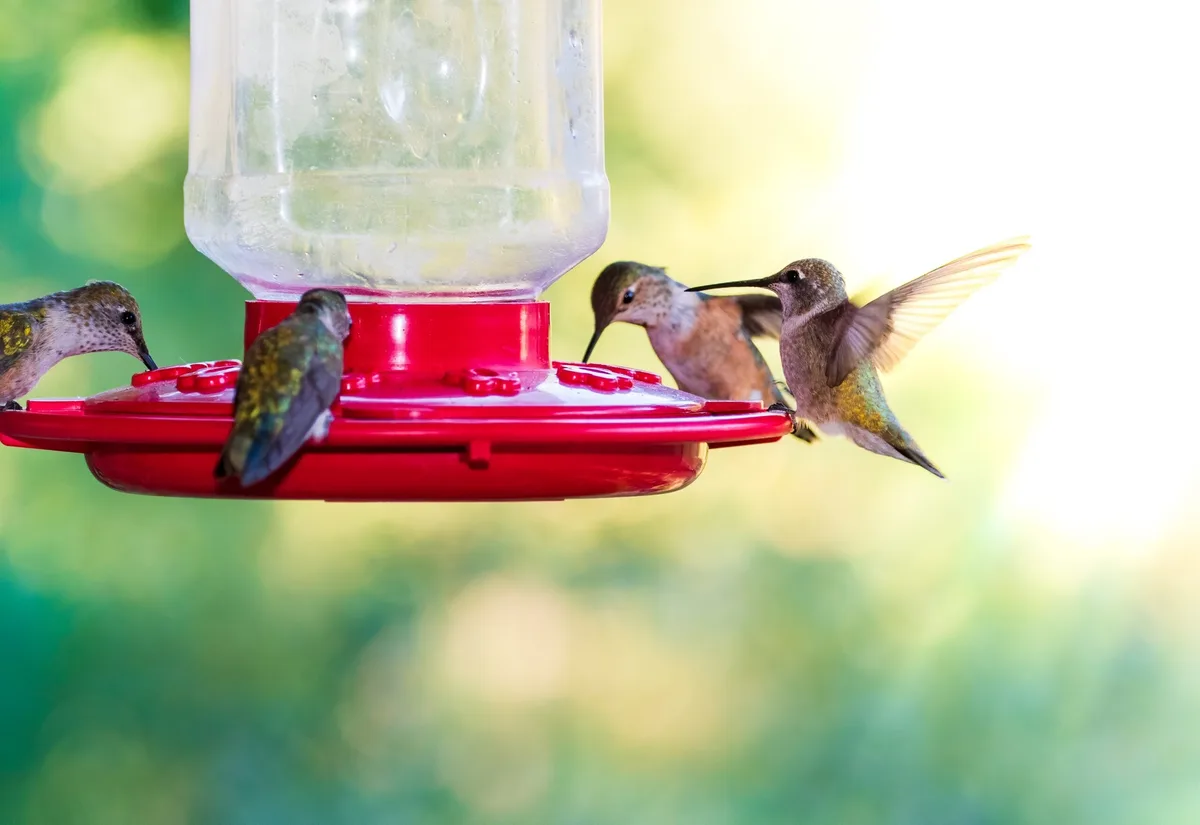
Image source: Web (Bing) / helenbackcafe.com (Web image (fair-use with source credit))
Winter Feeding (December to February)
In cold weather, birds burn enormous calories just staying alive. High-fat foods are critical. Offer suet, black-oil sunflower seed, and peanuts in the shell.
These foods deliver concentrated energy that helps songbirds survive freezing nights.
Keep feeders stocked daily. Birds eat more when temperatures drop. An empty feeder during a cold snap can mean the difference between survival and death for a small bird.
Spring Feeding (March to May)
Spring is breeding season for most North American birds. Protein becomes the priority. Add mealworms, both live and dried, and offer high-protein suet cakes.
This is when birds need more insects and less seed.
This is also the best time to start planting native berry-producing shrubs. They build a long-term food source without ongoing feeding costs.
Summer Feeding (June to August)
Summer feeding is lighter. Many wild birds switch to natural food sources like berries, insects, and wild seeds. Keep hummingbird feeders full with fresh nectar, and offer fruit to species like orioles.
Clean feeders more frequently in hot weather. Warm temperatures accelerate bacterial growth in both seed trays and nectar feeders.
Fall Feeding (September to November)
Fall migration is when birds stock up on fat reserves. Offer the same high-energy foods as winter. Transition to seed mixes that include safflower and cracked corn.
This helps build reserves for both short-distance and long-distance migrants.
Feeder Hygiene Schedule
| Season | Cleaning Frequency | Notes |
|---|---|---|
| Winter | Every 2 weeks | Lower mold risk, but snow can dirty seed |
| Spring | Every week | Breeding season, disease risk rises |
| Summer | Every 3 to 4 days | Heat accelerates mold and bacterial growth |
| Fall | Weekly | Migration attracts more birds, more contamination |
Guidelines from USDA Wildlife Services recommend a solution of one part bleach to nine parts water for feeder cleaning. Rinse thoroughly before refilling.
Common Feeding Mistakes That Harm Wild and Pet Birds
Even experienced birders make mistakes that cause real harm. Here are the most common ones to avoid.
Feeding Bread to Ducks and Geese
Bread is the single most harmful thing people feed wild birds. It has no real nutritional value. Ducklings fed bread develop "angel wing," a permanent wing deformity that makes flight impossible.
Bread also contaminates waterways and promotes algae blooms.
Using Seed Mixes Filled With Millet
Budget seed mixes are often 50 to 70 percent millet and wheat filler. Attractive birds like cardinals and chickadees ignore these mixes almost entirely. The millet only draws species like doves and house sparrows, which are already overrepresented in most yards.
Leaving Moldy Seed in Feeders
Moldy seed causes aspergillosis, a potentially fatal respiratory infection. It also spreads salmonella. If seed smells sour, looks discolored, or clumps together from moisture, toss it immediately.
Replace the entire batch, not just the bad portions.
Overfeeding Seed-Only Diets to Pet Birds
Seed-only diets are the leading cause of liver disease and obesity in captive parrots and cockatiels. Pelleted diets are the standard recommended base. Transition birds slowly by mixing pellets into their seed over two to four weeks.
Feeding Water to Baby Birds
Water can cause aspiration pneumonia in baby birds. Their swallowing reflexes are not fully developed. Never try to feed or water a baby bird yourself.
If you find one on the ground, watch for five minutes. If no parent appears, contact a licensed wildlife rehabilitator.
Ignoring Feeder Placement
Feeders hung too close to structures allow cats to ambush feeding birds. Place feeders at least 12 feet from walls and fences. Use predator baffles on pole-mounted feeders.
This simple step dramatically reduces predation.
Foods That Kill Birds: Toxic Feeding Risks You Need to Know
Several common household foods are deadly to birds. Knowing what to avoid is just as important as knowing what to feed.
Dangerous for Pet Birds
- Avocado contains persin, which causes respiratory failure in parrots
- Chocolate contains theobromine, which triggers seizures and cardiac failure
- Caffeine (coffee, tea, energy drinks) causes cardiac arrest in birds
- Alcohol damages the liver and nervous system rapidly
- Onion and garlic cause hemolytic anemia in birds
- Fruit seeds and pits (apple, cherry, apricot) contain cyanide compounds
- Xylitol (in sugar-free candy and gum) causes rapid hypoglycemia
Dangerous for Wild Waterfowl
Bread, chips, crackers, and popcorn cause malnutrition, "angel wing" deformity in ducklings, and waterway contamination. Peanuts in the shell are safe for wild birds. Salty snacks are not.
Disease Risks From Contaminated Feed
Moldy or spoiled seed causes aspergillosis and salmonellosis. These diseases spread through shared feeders and can wipe out local bird populations. Clean your feeders on the schedule above, and discard any seed that smells sour or looks discolored.
Frequently Asked Questions About What Birds Eat
What is the best seed for wild birds?
Black-oil sunflower seed is the most universally effective wild bird food. It has a high oil content that provides energy, and its thin shell makes it easy for most birds to crack open. Safflower seed is a strong alternative that deters squirrels and grackles.
Do birds eat bread?
Birds will eat bread, but they should never be given it. Bread fills their stomachs without providing essential nutrients. It causes malnutrition, and for ducklings it leads to "angel wing," a permanent deformity that prevents flight.
Choose cracked corn, peas, or oats instead.
What do baby birds eat in the wild?
Baby wild birds eat what their parents bring them. Most species feed their young insects and grubs for the first few weeks because insects are rich in protein. Never hand-feed a baby bird yourself.
Contact a licensed wildlife rehabilitator if the parent does not return.
Is it safe to give sugar water to all birds?
Sugar water is only appropriate for nectar-feeding species like hummingbirds and sunbirds. Other birds cannot digest it properly and may become dependent on empty calories. Offer sugar water only in feeders designed for nectar-feeding species, and change it every two to three days in warm weather.
How often should you clean bird feeders?
Clean feeders every week during spring and summer. Every two weeks in winter is acceptable if seed stays dry. Every three to four days in hot weather is ideal.
Use one part bleach to nine parts water, rinse thoroughly, and let feeders dry completely before refilling.
Can I feed wild birds year-round?
Yes, year-round feeding is safe and beneficial when done correctly. Match food to the season: high-fat foods in winter, high-protein foods in spring, and lighter feeding in summer. Maintain a consistent cleaning schedule to prevent disease spread among visiting birds.
Decision Guide: How to Choose the Right Bird Food for Your Situation
Here is a quick framework for making the right feeding choice.
| Situation | Best Food | Avoid |
|---|---|---|
| Backyard songbird feeder | Black-oil sunflower, suet, nyjer | Millet-heavy mixes |
| Hummingbird nectar feeder | 1:4 sugar water solution | Honey, dye, artificial sweeteners |
| Pet parrot or cockatiel | Pellets (70 to 80%) + fresh veggies | Seed-only diets, avocado, chocolate |
| Duck or goose feeding | Cracked corn, peas, oats | Bread, chips, processed snacks |
| Nesting season feeding | Mealworms, protein suet cakes | Plain seed alone |
| Winter survival support | Suet, peanuts, sunflower seed | Light or empty feeders |
Start with the species you want to feed. Match the food to their natural diet. Adjust for the season.
Clean your feeders on schedule. That is the whole system in five steps.