Do Birds Drink Water
Yes, birds drink water, and most species need it every single day to survive. But the full picture is more complex than a simple yes or no. Wild birds, pet birds, desert species, and waterfowl all have very different hydration strategies.
Getting this wrong can put real birds at serious risk.
Research from the Association of Avian Veterinarians shows that a common parakeet drinks roughly 5 to 10 milliliters of water daily. Large parrots can need 50 milliliters or more, and that number climbs fast when temperatures spike. Here's how birds actually hydrate and what you need to know.
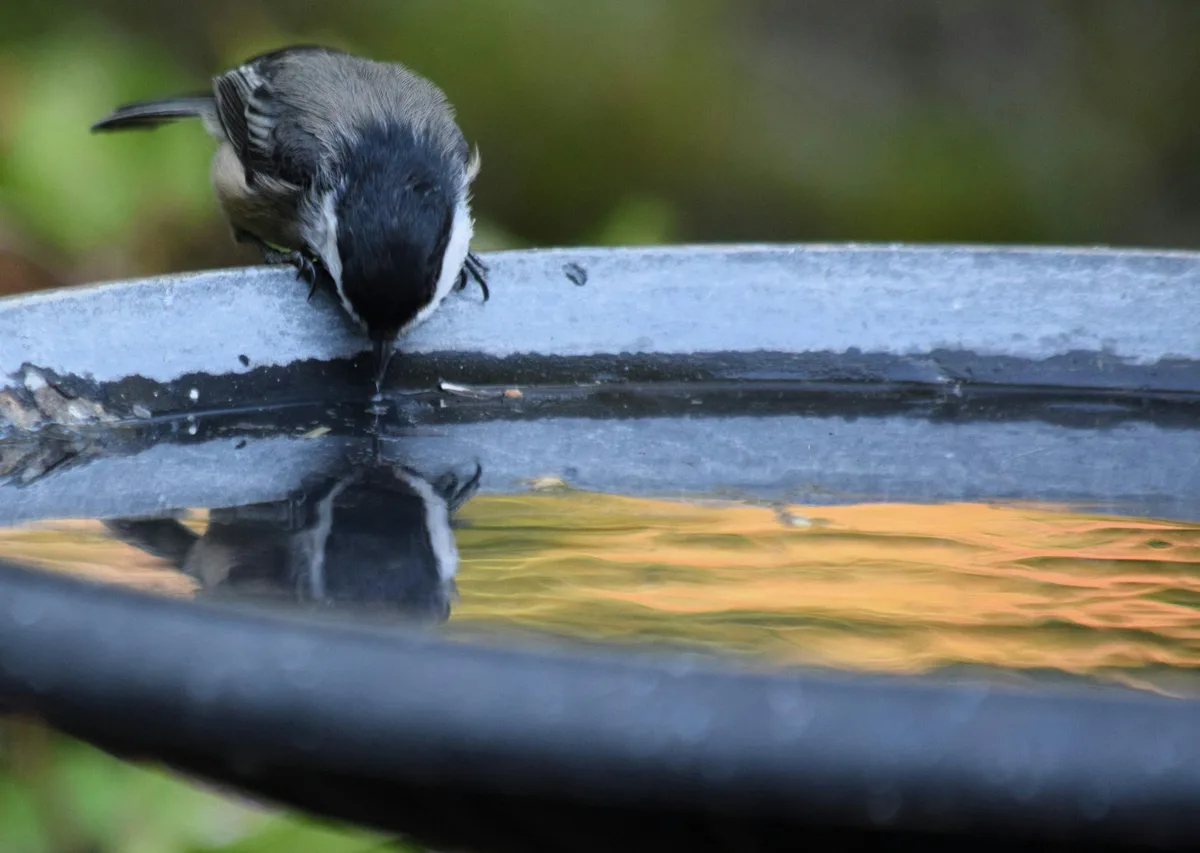
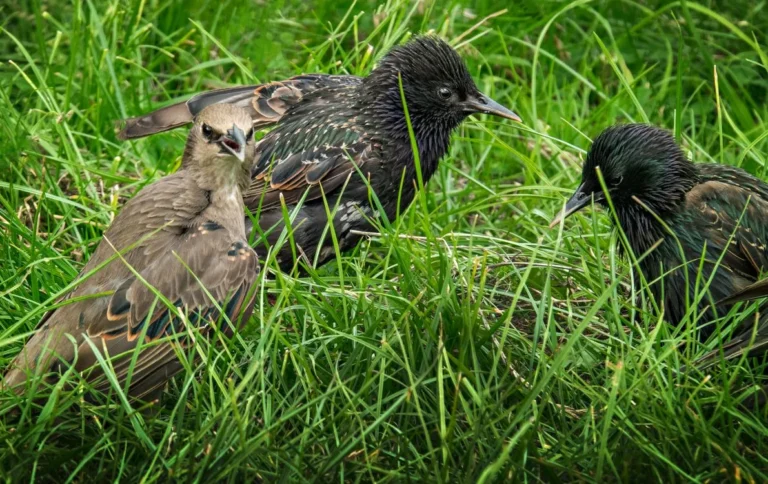
Image source: Bing (Web (fair-use with source credit))
Quick Answer
Yes, birds drink water and need it to survive. Most species drink daily, especially in warm weather. Some desert birds extract all their moisture from food.
Waterfowl and hummingbirds drink the most relative to body weight. Pet birds especially need fresh water available at all times.
How Birds Get Water and Why Not All of Them Drink the Same Way
Birds drink water, but they do it in surprisingly different ways depending on the species. Not every bird scoops water up like a duck. Some suck it directly into their mouths.
Others dip their beaks in and tilt their heads back to swallow.
Understanding these drinking mechanisms matters because it tells you how to set up the right water source for a given bird. Getting the vessel or placement wrong defeats the purpose entirely.
Three Main Drinking Methods
Birds generally use one of three mechanisms to take in water:
- Dipping and tilting: Songbirds like sparrows, finches, and robins dip their beaks into water and then tilt their heads back to swallow. This is the most common method among small passerines.
- Suction: Pigeons and doves draw water directly into their mouths using suction, much like a straw. They don't need to tilt their heads at all.
- Scooping: Waterfowl such as ducks and geese use their broad bills to scoop and sift water through specialized structures called lamellae. These comb-like ridges filter food from the water as they drink.
Do All Birds Drink Water?
Not always. Some of the most fascinating birds in the world don't drink standing water in the way you'd expect. Desert species like the sandgrouse and certain bustards can survive for weeks without finding a puddle.
They extract moisture from seeds, insects, and plant matter instead.
Many hummingbirds also get nearly all their hydration from nectar, which is roughly 80% water. Even seed-eating parrots in the wild often rely on the moisture content in fruit and fresh vegetation rather than drinking from streams.
Ornithologists at the Cornell Lab of Ornithology continue to document these species-specific behaviors in their bird behavior research programs. The variation across species is vast, and it's a big reason why one-size-fits-all water advice for birds can be dangerous.
| Bird Group | Primary Water Source | Drinking Method | Daily Water Intake |
|---|---|---|---|
| Songbirds (finches, sparrows) | Standing water | Dipping and tilting | 5-30% of body weight |
| Pigeons and doves | Standing water | Suction | 4-5% of body weight per session |
| Waterfowl (ducks, geese) | Ponds and lakes | Scooping with lamellae | ~300-500 ml per day |
| Hummingbirds | Nectar | Tongue-based sipping | ~50% of body weight via nectar |
| Desert birds (sandgrouse) | Food moisture | No standing water needed | Can go weeks without drinking |
Why Wrong Assumptions About Bird Water Can Cause Real Harm
The biggest mistake people make with birds is assuming they don't need much water. That assumption kills captive birds every year. It also leads to well-meaning backyard birdwatchers skipping water stations entirely.
Here's the real risk. Most captive birds can't search for moisture in the wild the way their wild counterparts do. A pet budgie in a cage has no access to rain-soaked leaves or juicy insects.
If you're not offering fresh water daily, you're putting that bird at risk of dehydration.
Dehydration Can Move Fast
Small birds lose water quickly through respiration and heat stress. In hot weather, a bird without access to water can develop dangerous dehydration symptoms within just a few hours. Watch for sunken eyes, lethargic posture, fluffed feathers, and refusal to eat.
Veterinary specialists note that dehydration is one of the top preventable causes of death in captive birds during summer months. It's entirely avoidable with consistent care.
Dirty Water Causes Disease, Too
The opposite problem is just as serious. Bird baths and water bowls that aren't cleaned regularly become breeding grounds for bacteria, mold, and algae. Salmonella and aspergillosis can spread through contaminated water and sicken entire flocks.
Mosquitoes also use stagnant water as breeding sites, putting birds at risk for avian malaria and West Nile virus.
Heat Stress and Water Go Hand in Hand
When ambient temperatures climb above 104°F or 40°C, birds enter a zone of serious heat stress. Birds cool themselves partly through evaporative loss from their respiratory tract. That means they need more water when it's hotter, not less.
A birdbath that sits dry on a 95°F afternoon is a missed opportunity with real consequences.
Common Mistakes That Put Captive and Wild Birds at Risk
Even people who clearly care about birds make these errors. Knowing what to avoid is half the battle.
Mistakes Pet Bird Owners Make
- Not changing water daily: Stagnant water breeds bacteria fast. A bowl that sits out overnight can harbor harmful organisms by morning.
- Using treated tap water without checking: Chlorine is often manageable, but chloramine can linger in tap water and irritate a bird's system. If your municipal water uses chloramine, a charcoal filter or letting water sit overnight helps.
- Choosing the wrong water container: A dish that's too deep for a small bird becomes a drowning risk. Finches and budgies need shallow dishes that let them perch safely while drinking.
- Placing water near food bowls: Seed shells, feces, and food debris contaminate water quickly. Keep water at the opposite end of the cage from food dishes.
Mistakes Backyard Birdwatchers Make
- Not providing water at all: Assuming birds will "find it on their own" is risky in urban and suburban areas where natural water sources are scarce.
- Leaving birdbaths uncleaned: A bath full of algae and mosquito larvae does more harm than good.
- Using chemical cleaners: Residue from bleach-based cleaners can poison birds. Stick to a vinegar-and-water solution or plain hot water with vigorous scrubbing.
- Positioning water too close to cover: Open water near thick shrubs gives predators like cats and raccoons a perfect ambush point. Keep baths visible but with nearby cover for birds to retreat to if threatened.
Mistakes in Wildlife Rehabilitation
Licensed rehabilitators face a different set of challenges. Offering water to injured wild birds requires proper protocol. Too much water too fast, or the wrong electrolyte balance, can cause osmotic shock.
Most regions also require a wildlife rehabilitation license before you can legally provide care to wild birds.
How to Provide Water to Birds Safely: A Practical Setup Guide
Whether you're setting up a backyard birdbath or managing water for a pet bird, the basics are straightforward once you know what matters.
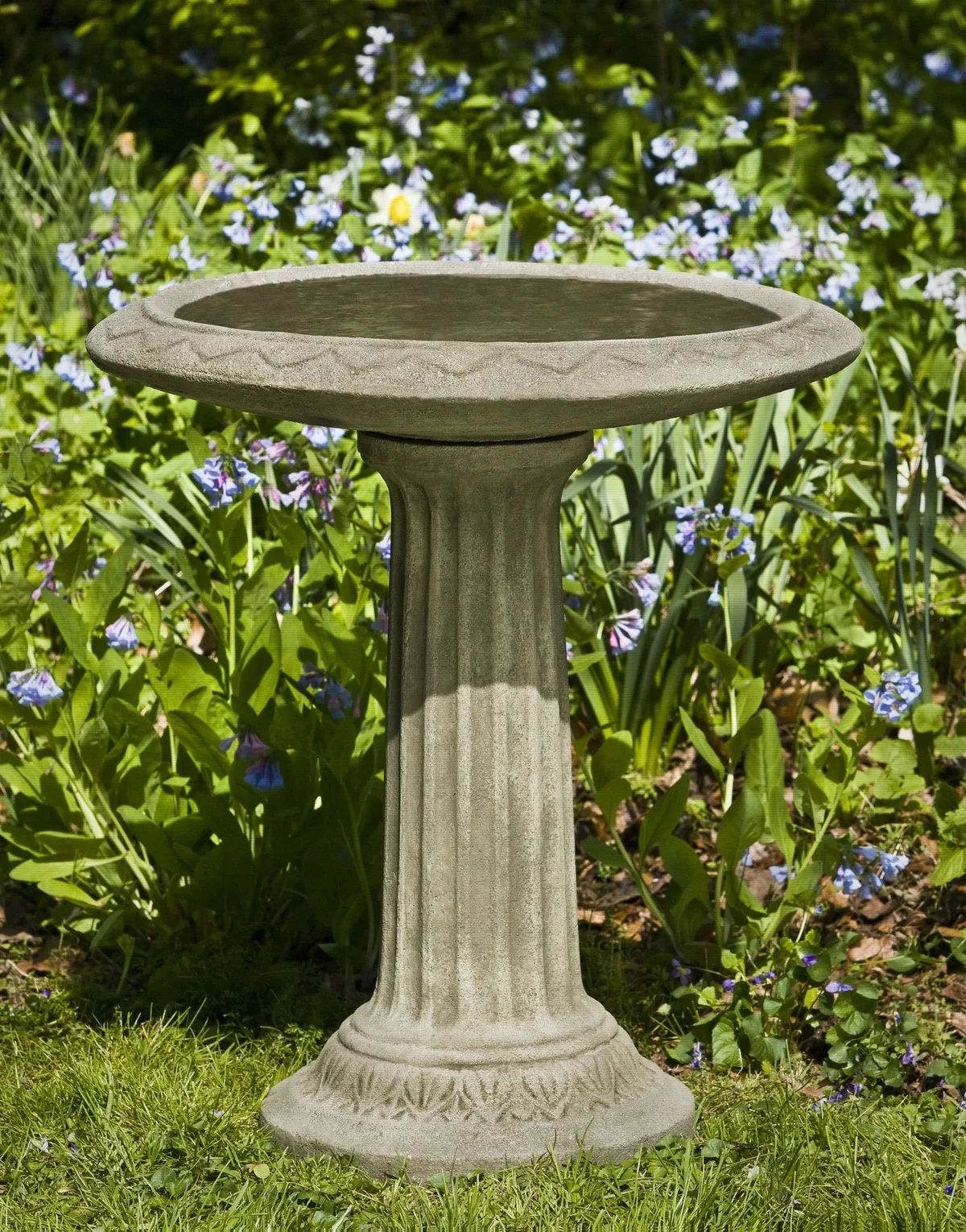
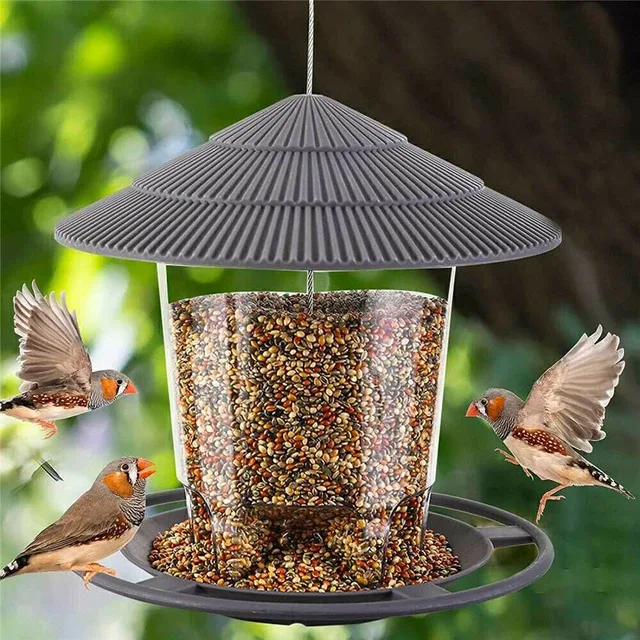
Image source: Web (Bing) / pinterest.com (Web image (fair-use with source credit))
Step 1: Choose the Right Vessel
For pet birds, pick a shallow stainless steel or ceramic bowl. Avoid plastic over time since birds chew on it, and zinc or copper leaching becomes a risk. For wild birds, a shallow birdbath with a rough interior surface gives them grip while they drink.
Step 2: Position It Wisely
Keep water sources 10 to 20 feet from cover where predators hide, but not in completely exposed open ground. For pet birds, place the water bowl at the opposite end of the cage from food to prevent contamination.
Step 3: Treat the Water if Needed
If your tap water is chlorinated, letting it sit in an open container for 24 hours allows chlorine to evaporate. Chloramine doesn't evaporate easily, so a carbon filter is the better move. Bottled spring water works as an alternative for pet birds if filtered tap isn't available.
Step 4: Clean on a Schedule
This is where most people slip up. A regular cleaning routine keeps water safe and prevents disease. Follow this schedule:
| Setting | Cleaning Frequency | Method |
|---|---|---|
| Pet bird water bowl | Once daily | Scrub with hot water and vinegar, rinse thoroughly |
| Backyard birdbath | Every 2-3 days | Empty, scrub with stiff brush, refill with fresh water |
| Poultry waterer | Daily | Scrub and rinse, check for biofilm buildup |
| Wild bird emergency station | Every 24 hours | Replace entirely, do not reuse stagnant water |
Step 5: Adjust for Seasons
In summer, check and refill water sources at least twice a day. In winter, if you're in a cold climate, consider a heated birdbath so birds don't lose access when temperatures drop below freezing. According to the USDA, consistent water access is one of the most critical environmental factors for bird health year-round, whether you're managing a flock or feeding backyard visitors.