Types of Water Birds
Identifying different types of water birds is a skill that turns a simple walk by the pond into a fascinating study of nature. You don't need fancy gear to start recognizing these species in the wild.
By looking at basic physical markers and behaviors, you can categorize most birds you encounter near the water. As of 2026, researchers continue to track these populations to monitor shifting migration patterns and habitat health.
Quick Answer
Common types of water birds include ducks, geese, and swans. Waders like herons and egrets also live near water. Shorebirds run along sand to find tiny insects.
Gulls and terns hunt fish in open water. You identify them by their feet and beaks.
Why Visual Cues Matter More Than Bird Lists
You will find that trying to memorize a list of hundreds of species is exhausting and rarely helps in the field. Instead, focus on the physical tools the bird uses to survive in its environment. Birds are highly specialized, meaning their anatomy is a direct reflection of how they feed and move.
If a bird has long, stilt-like legs, it is almost certainly built for wading in shallow water. If it has webbed feet, it is designed for swimming. These structural differences, which experts often call morphology, are your most reliable clues.
Once you identify these broad groups, you can narrow down the specific species at your leisure.
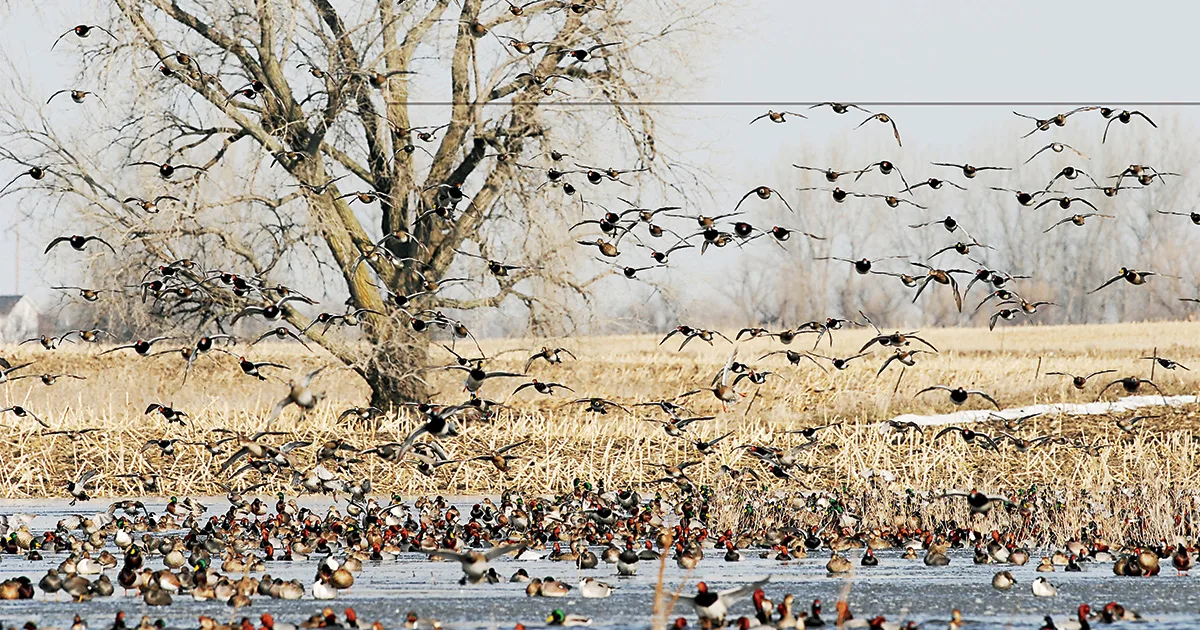
Image source: Bing (Web (fair-use with source credit))
Mastering the Anatomy of Water Birds
The most effective way to identify a bird is to look at its equipment from top to bottom. Start with the beak, as it tells you exactly what the bird eats and how it finds its food. A long, thin, spear-like beak is designed for stabbing fish, while a flat, rounded beak is built for filtering tiny plants or animals from the water.
Next, observe the feet. Webbed feet indicate a bird that spends significant time floating or diving. Lobed toes, which look like flaps of skin on the feet, are a sign of birds like grebes that dive frequently.
Finally, note the overall posture. Does the bird sit high on the water like a cork, or does it sit low, signaling a heavy, diving bird?
The Swimmers: Ducks, Geese, and Swans
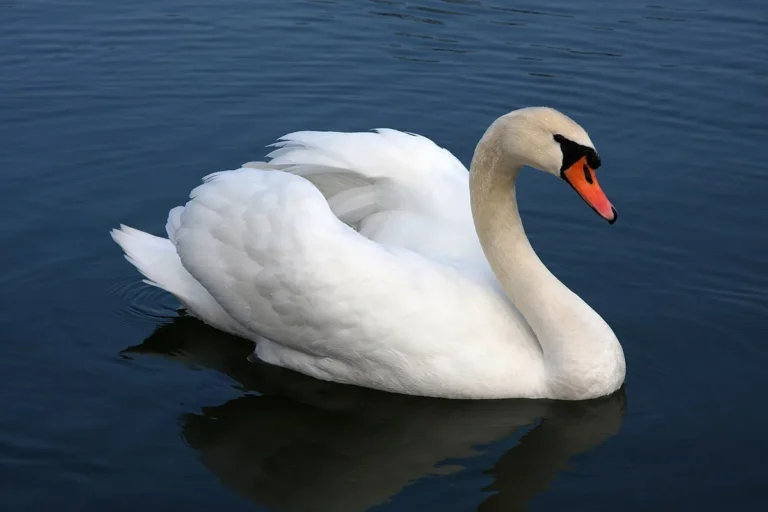
This group belongs to the order Anseriformes, which includes nearly all waterfowl we see in local parks. These birds rely on webbed feet for efficient propulsion and thick, oily feathers for waterproofing. You will find them in almost every body of water, from small urban ponds to massive coastal bays.
Most swimmers are divided into two main categories: dabblers and divers. Dabbling ducks feed on the surface or by tipping their tails up to reach vegetation. Diving ducks disappear completely under the surface to hunt for fish or deep-water plants.
According to research from the Cornell Lab of Ornithology, leg placement is the best way to distinguish them from a distance.

Image source: Bing (Web (fair-use with source credit))
| Feature | Dabbling Ducks | Diving Ducks |
|---|---|---|
| Feeding | Tips tail up | Submerges fully |
| Leg Position | Toward the center | Far toward the rear |
| Habitat | Shallow ponds/marshes | Deep lakes/coastal areas |
The Stalkers: Herons, Egrets, and Wading Birds
Wading birds are the patient hunters of the wetland world. They are defined by their long legs, which allow them to stand in water that would be far too deep for a duck. They typically hunt by standing completely still for minutes at a time, waiting for prey to wander into range.
Their necks are another key identifier, often kept folded in an S-shape when in flight. This helps them tuck their head back for better balance and aerodynamics. Unlike the swimmers, waders have unwebbed, long toes that help distribute their weight, preventing them from sinking into soft mud or unstable marsh grass.
The Scavengers and Hunters: Gulls, Terns, and Cormorants
This group includes birds that are highly active, often covering large distances to hunt or scavenge. Gulls are the opportunists of the water, possessing strong, slightly hooked bills that allow them to eat almost anything. They are equally comfortable on the beach, a parking lot, or open water.
Terns, in contrast, are more refined hunters. They are usually slimmer than gulls and are known for their graceful, hovering flight patterns. Cormorants represent another specialized branch.
They are unique because their feathers lack the high level of waterproofing found in ducks, which is why you frequently see them perched on docks with their wings held open to dry.
Common Identification Mistakes and How to Avoid Them
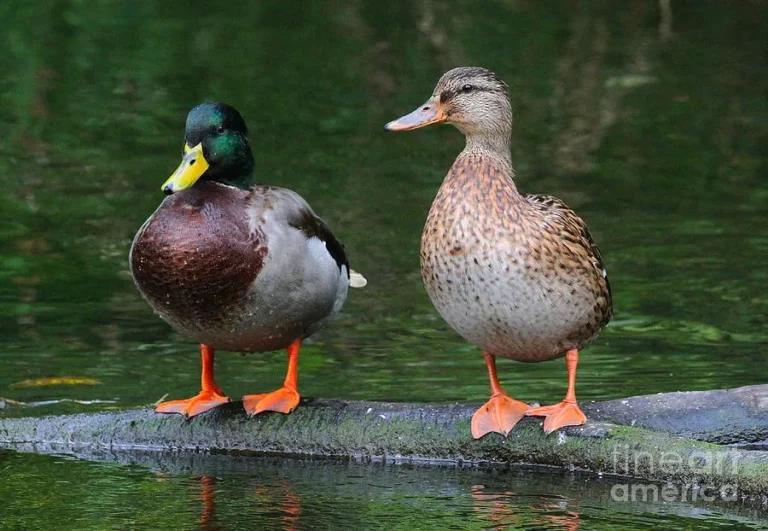
The most frequent error is assuming a bird is a single species because of its color. Many water birds exhibit sexual dimorphism, meaning males and females wear drastically different plumage. You might see a bright, vibrant bird next to a duller one and assume they are entirely different types.
Check if they are foraging together, as birds of the same species often stay in close proximity.
Another pitfall is ignoring the eclipse plumage of male ducks. During the molt, males shed their colorful breeding feathers and adopt a drab, female-like appearance to hide from predators. If you are struggling to identify a duck in late summer or early autumn, it is likely just passing through this temporary phase.
Always look for the bird's shape and bill structure first rather than relying on color patterns.
Pro Techniques for Field Identification
Mastering the jizz of a bird is the fastest way to get comfortable with identification. This term refers to the overall impression a bird creates, including its shape, posture, and general movement. Instead of staring at your field guide, spend time watching how the bird carries itself on the water or land.
Use triangulation to estimate size when you are unsure. Find a nearby fixed object, like a rock or a fence post, and compare the bird's height or length against it. This helps eliminate the optical illusions caused by distance and light.
Finally, scan the habitat from left to right using your binoculars in a steady, rhythmic pattern to ensure you don't miss birds hiding in the reeds.
| Technique | Goal | Benefit |
|---|---|---|
| Jizz Observation | Capture overall vibe | Quick ID at distance |
| Triangulation | Estimate physical size | Eliminates distance bias |
| Patterned Scanning | Locate hidden individuals | Prevents missed sightings |
Frequently Asked Questions
How can I tell a goose from a swan?
Swans are significantly larger and have much longer, more graceful necks than geese. A swan's neck is usually held in a tight S-curve, while a goose neck is often thicker and shorter. Swans also typically lack the distinct facial markings or vibrant color patches found on many goose species.
Do water birds always need to be near freshwater?
Not all species require freshwater. Many gulls, terns, and certain types of ducks are perfectly adapted to saltwater environments. Some species, like the black-necked stilt, frequently move between inland wetlands and coastal estuaries depending on the season and local food availability.
What should I do if I find an injured water bird?
Never attempt to handle or transport a wild bird on your own. Contact your local wildlife rehabilitator or state wildlife agency for professional guidance. They are trained to safely capture and treat sick or injured animals while minimizing stress to the bird.
Why do some birds stand on one leg?
Standing on one leg is a simple way for birds to conserve body heat. By tucking one leg up into their warm belly feathers, they reduce the amount of heat lost through their uninsulated skin. It is most common during colder weather or when the water is particularly chilly.
How do I know if a bird is a protected species?
In the United States, almost all native water birds are protected under the Migratory Bird Treaty Act. This law makes it illegal to disturb, harm, or possess these birds or their nests. Always maintain a respectful distance, and if you are using a camera, keep your movements slow to avoid flushing the colony.