Rare Bird Species
Spotting rare bird species requires a mix of patience and specialized observational habits. Most sightings of these elusive animals happen when you know exactly what the standard resident birds look like in your area.
As of 2026, data from the Cornell Lab of Ornithology suggests that tracking anomalous movements is the most reliable way to find vagrants. When you notice a bird that contradicts local seasonal patterns, you have likely encountered a rare visitor.
Quick Answer
Rare bird species are animals found outside their normal geographic range. They often appear due to weather events or migration errors. Experts identify them by studying plumage and vocalization patterns.
Always compare sightings against verified local population records. You can document findings through public citizen science databases.
The Art of Spotting Rare Birds: Why Visual Cues Matter

Image source: Bing (Web (fair-use with source credit))
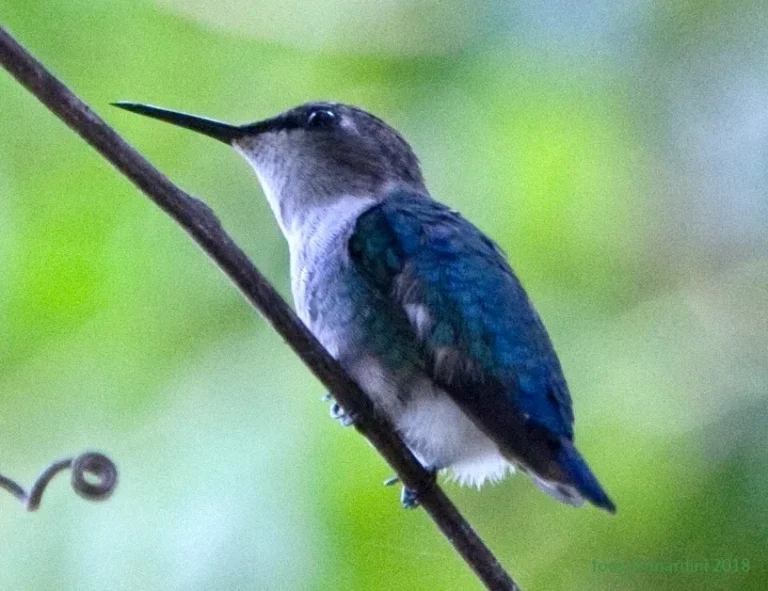
Rare birding is less about luck and more about training your eyes. You must learn to ignore the common species that fill your peripheral vision daily. By focusing on the background noise of your local environment, you eventually notice the outlier.
Visual cues are the primary language of identification. You aren't just looking for a bird. You are scanning for a specific set of patterns that deviate from the local norm.
If a bird's silhouette or coloring feels slightly off, stop and investigate further.
Mastering the Baseline: Identifying Common Species First
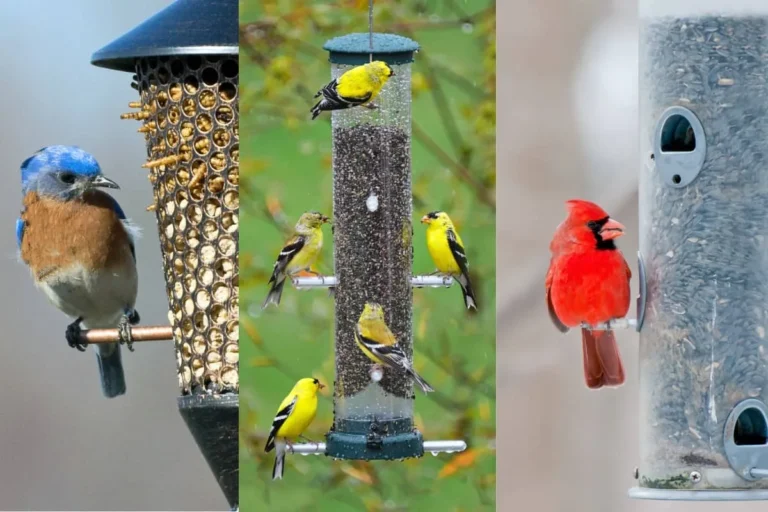
You cannot identify a rare bird if you do not know the local population well. Start by spending weeks in a single park or wetland. Learn every common bird until you recognize their habits without thinking.
This familiarity creates a mental checklist of what belongs in your area. When a bird arrives that does not fit your checklist, your brain flags it automatically. This foundation prevents you from misidentifying common birds as rare ones during your initial training.
The Visual Detective: How to Evaluate Field Marks and Morphology
Image source: Bing (Web (fair-use with source credit))
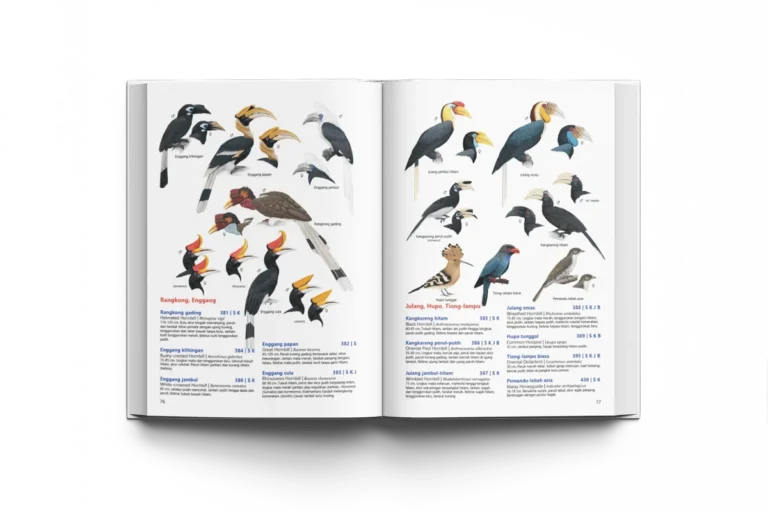
Identification relies on specific physical traits called field marks. These are distinct patterns that separate one species from another. Look closely at wing bars, eye rings, and the shape of the bill.
Morphology refers to the bird's overall physical structure. A shorter tail or a different wing shape can be the only difference between two similar species. Use a high-quality field guide to compare these tiny details side-by-side while you observe the bird in the wild.
| Feature | What to examine | Why it matters |
|---|---|---|
| Plumage | Color and feather patterns | Key indicator of species and age. |
| Wing bars | White or colored stripes | Crucial for distinguishing look-alikes. |
| Bill shape | Length and thickness | Indicates primary food and behavior. |
| Eye ring | Presence of a color ring | Helps confirm identity in warblers. |
Tracking Vagrants: How Weather and Migration Patterns Create Opportunities
Vagrants are birds that have wandered significantly off their expected migratory path. They often arrive after intense weather events like storm fronts or sustained high winds. Check the National Oceanic and Atmospheric Administration weather reports to see if strong winds have recently passed through your region.
These events push birds out of their normal flight corridors. When you see a drop in temperature or a shift in wind direction, visit your local stopover sites. Migratory stopovers act like magnets for birds that are exhausted and looking for food.
Essential Field Ethics: Protecting Rare Birds While You Observe
Rare birds are often stressed, hungry, or lost. Your priority must be their survival rather than your own viewing experience. Never crowd a bird or force it to flush from its hiding spot.
If you notice a bird stops feeding or hides when you approach, you are already too close. Use binoculars instead of trying to get closer on foot. Respecting their habitat ensures these birds have the energy to continue their journey.
Building Your Skills: Using Documentation and Citizen Science Databases
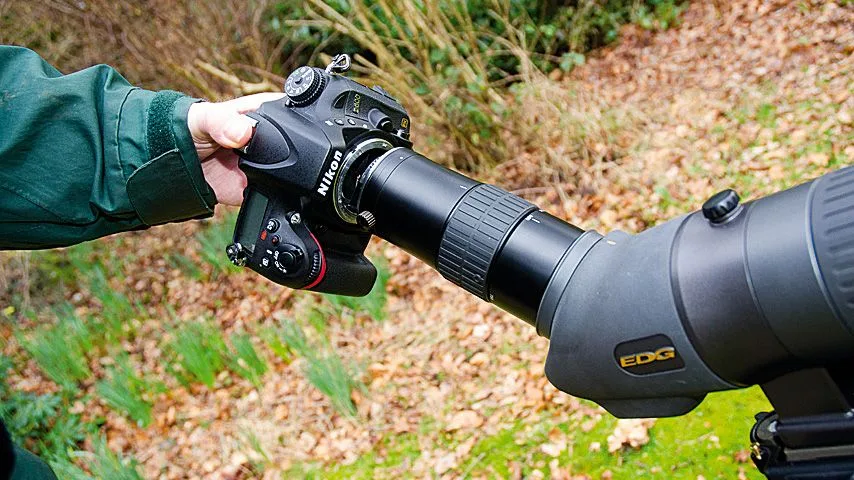
Image source: Bing (Web (fair-use with source credit))
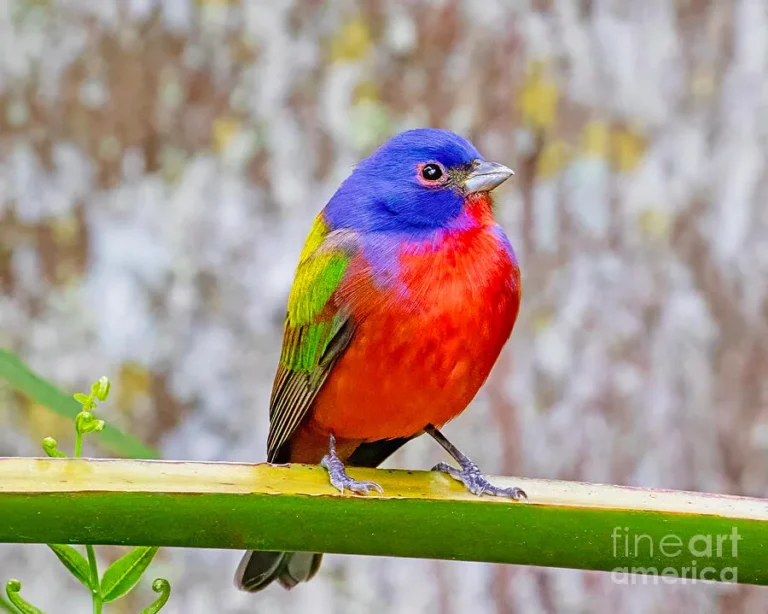
Documenting your findings is the most critical step after you've made a positive identification. Use apps like eBird to upload your checklists and photos. These databases contribute to global conservation efforts by tracking population shifts in real-time.
Digiscoping, which involves attaching a camera to a spotting scope, allows you to capture clear evidence from a distance. This method provides the documentation necessary for local ornithological boards to verify a record. It also keeps you far enough away that you don't disturb the bird.
Your field journal should include the precise time, specific GPS location, and environmental conditions. Detailed notes help you rule out look-alike species during the verification process. Always review your images against published records to ensure accuracy before you share the data.
Common Pitfalls and How to Avoid Misidentification
Misidentification often happens when you see what you expect to see rather than what is actually there. This phenomenon is known as confirmation bias. To avoid it, start your evaluation by looking for reasons why a bird is not the rare species you suspect.
Consider the bird's location and date first. If a bird is far outside its known range or season, be extra skeptical of your initial thought. Consult regional checklists to see if the species has ever been recorded in your area before.
Use the process of elimination. Compare the bird against every similar common species in your field guide. If you cannot account for all physical features, assume it is a common species with a variation.
Don't be afraid to walk away without a definitive ID.
Frequently Asked Questions About Rare Birding
How do I know if I have found a rare bird?
You have likely found a rare bird if the animal is outside its expected geographic range or appears at an unusual time of year. Compare your sighting against local checklists. If the bird displays unique plumage or behavior not typical for local residents, investigate the field marks further.
What should I do if I find a bird that is not in my field guide?
Look for secondary identifiers like bill shape, wing bars, or specific song patterns. Take photos from a distance if possible to verify the details later. Do not assume it is rare simply because it is unfamiliar.
Check with local birding organizations to see if others have reported the sighting.
Can I use audio recordings to identify rare species?
Audio recordings are highly effective for identifying species that are heard more often than they are seen. Use a directional microphone to isolate the song from background noise. Compare the recording against verified audio archives.
Ensure you follow local regulations regarding the use of playback during sensitive seasons.
How does weather impact rare bird sightings?
Severe weather events like hurricanes or strong storms often displace birds far from their normal migration paths. These events create fallout zones where many rare birds land simultaneously to recover. Pay close attention to wind patterns after major storms to identify when and where these opportunities arise.
Are there legal restrictions for observing rare birds?
Yes, you must adhere to local wildlife protection laws that prevent harassment or disturbance of nesting birds. Avoid using playback devices during nesting season, as this can distract parents from their duties. Always stay on designated trails to minimize your impact on the bird's environment.