How Do Birds Communicate
Birds don't just exist in silence or random noise. They engage in a complex social dance that defines how do birds communicate across every ecosystem on the planet.
This behavior is governed by biological imperatives, including territorial maintenance and mate selection. As of 2026, researchers have documented that these signals often rely on a dual-system approach, combining vocal complexity with visible movement.
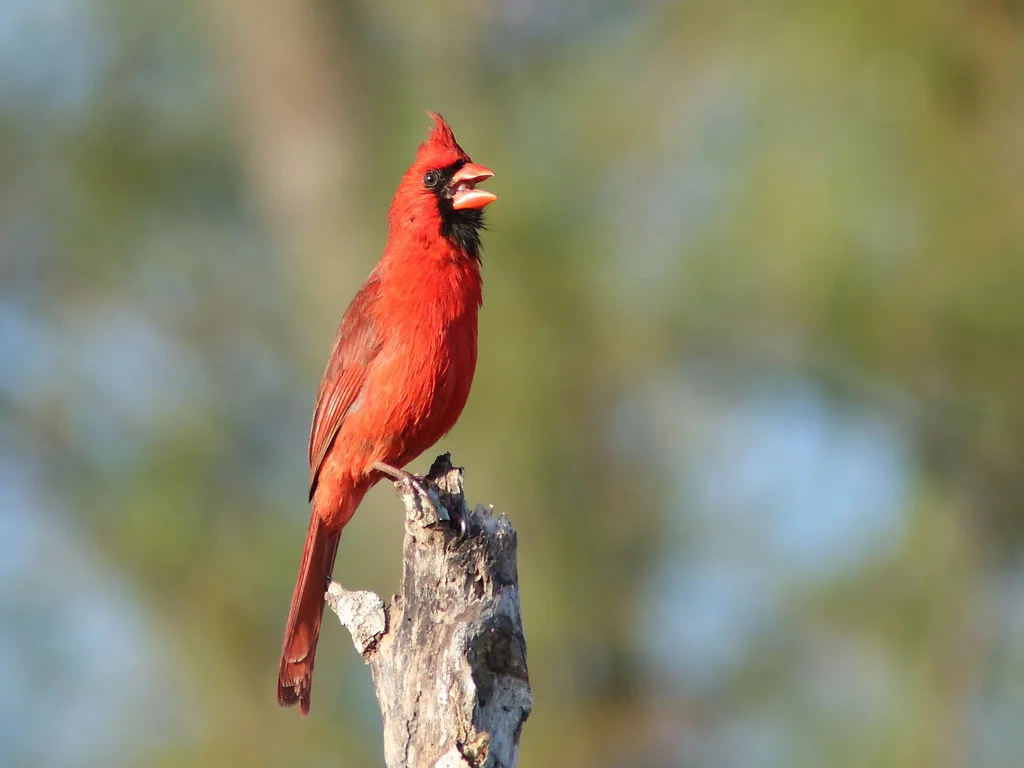
Image source: Web (Bing) / flickr.com (Web image (fair-use with source credit))
Quick Answer
Birds communicate through sound, movement, and chemical signals.
They use vocalizations to establish territory and warn of threats.
Visual displays show fitness to potential mates.
Species often combine these methods for clear messaging.
Environmental factors influence the specific signals they produce.
Beyond the Song: Why Birds Use More Than Sound
We often think of bird communication solely as singing, but that misses most of the story. Vocalizing is only one way they convey information. Birds also rely on visual language to get their point across when sound isn't enough.
A bird might be singing a complex song, but it is also performing specific physical actions to reinforce the message. If you ignore the body language, you miss half the conversation. This multi-modal approach ensures that signals remain clear even when the environment is loud.
Birds use physical displays to signal aggression, submission, or interest. A simple flick of the wing or a raised crest can communicate more than a song ever could in a high-stakes standoff. When you watch birds in your backyard, try to look at their entire body, not just their beaks.
The Dual-System: Vocalizations vs. Physical Displays
Communication in birds generally splits into two categories: acoustic and visual. Acoustic signals, like songs and calls, are generated by a specialized organ called the syrinx. The syrinx allows birds to produce two distinct sounds at once, creating the complex melodies we hear in songbirds.

Image source: Web (Bing) / quizlet.com (Web image (fair-use with source credit))
Visual displays act as the second half of the system. These include everything from static feather patterns to dynamic courtship dances. Research from the Cornell Lab of Ornithology confirms that these signals are often species-specific.
| Signal Type | Primary Mechanism | Best Use Case |
|---|---|---|
| Songs | Syrinx vocalization | Long-distance territory claims |
| Calls | Sharp, brief notes | Immediate predator warnings |
| Displays | Plumage and posturing | Mating and status signaling |
| Dances | Rhythmic movement | Demonstrating physical fitness |
Decoding the Signals: Territory, Mating, and Safety
Most bird communication falls into three functional buckets: territory, mating, and safety. Territorial songs serve as an acoustic fence. They tell neighboring birds that a specific area is occupied, preventing unnecessary physical fights that could lead to injury.
Mating displays, by contrast, focus on showing quality. A male bird showing off his bright feathers or performing a precise flight pattern is signaling his genetic fitness. He is essentially proving that he is strong enough to survive and capable enough to provide for offspring.
Safety communication is the most urgent. Alarm calls are typically high-pitched and repetitive. They are designed to be difficult for predators to pinpoint while being easily understood by other birds in the vicinity.
This collective intelligence keeps the entire flock moving away from danger.
Environmental Filters: How Habitat Shapes the Message
Habitat dictates the language a bird uses. Dense forests and wide-open prairies require very different communication strategies. Birds living in heavy brush often use lower-frequency sounds.
Low frequencies travel better through leaves and branches without being muffled.
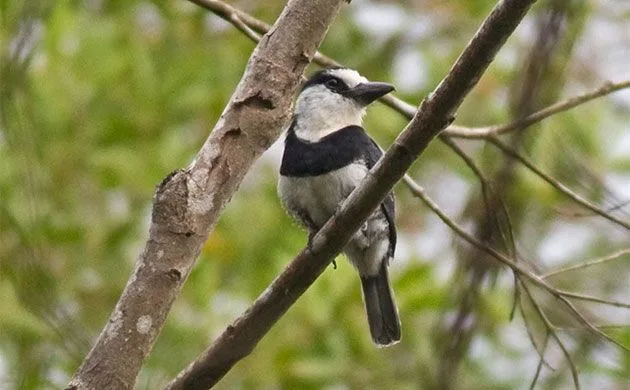
Image source: Web (Bing) / pinterest.com (Web image (fair-use with source credit))
Birds in open grasslands often favor higher-pitched, faster notes. These sounds cut through the wind and travel long distances over flat terrain. This process, known as acoustic adaptation, shows that birds evolve their communication style to match their surroundings perfectly.
If a species moves to a new environment, its communication methods often shift over generations. The goal is always the same: maximizing signal efficiency. If the message doesn't reach the receiver, the bird loses its competitive advantage in that space.
Tuning In: A Practical Guide to Observing Bird Behavior
If you want to understand how do birds communicate, start by focusing on the context. Don't just listen for a song. Look at what the bird is doing while it makes the noise.
Is it perched high on a branch or hidden in the shadows?
Observe the posture of the bird. If the feathers are held tight, the bird is usually calm or alert. If the bird is puffed up, it is likely agitated, cold, or trying to appear more intimidating to a rival.
Use these steps for better observation:
- Scan the surrounding area: Check if another bird is nearby. A lone bird acting frantic is often signaling a threat.
- Identify the movement: Look for repetitive, rhythmic motions like wing flicking or tail fanning. These are almost always social signals.
- Note the frequency: High-pitched, sharp calls usually signal immediate danger. Slower, melodic songs are almost always related to mating or territory.
- Check the time of day: Many species save their most complex songs for the dawn chorus when the air is calm and sound travels farthest.
Common Misinterpretations and Amateur Mistakes
People often mistake bird songs for simple expressions of happiness or joy. In reality, these sounds are functional tools for managing social dynamics. Assuming a bird is singing for you leads to a misunderstanding of its actual behavioral goals, such as marking a territory or alerting a flock to danger.
Another common error is ignoring the silent communication that happens in plain sight. If you focus only on the loudest birds, you will miss the subtle posturing of those nearby. Watch for birds that seem to be staring each other down or moving in synchronized patterns.
Many observers also fail to account for predator eavesdropping. Sometimes a bird stays quiet precisely because it knows a predator is listening. If you see a bird that suddenly goes silent despite the presence of others, it is likely practicing predator avoidance.
Don't assume that silence means nothing is happening.
Finally, keep in mind that birds have different hearing ranges than humans. They might be communicating on frequencies that our ears can't pick up well. Just because you don't hear a song doesn't mean the birds aren't talking to each other.
Frequently Asked Questions
Do birds learn their songs or are they born knowing them?
Most songbirds must learn their calls from adults in their environment. This process, known as vocal learning, typically occurs during a critical developmental window. If a young bird is isolated from its species, it may never develop the full, complex song characteristic of its kind.
Why do birds sing mostly at dawn?
Dawn is a period with low ambient noise and cool, stable air, which allows sound to carry much further than at midday. Singing at this time maximizes the reach of the signal with minimal energy expenditure. It also signals that the bird survived the night and is ready to defend its territory.
Can different species of birds understand each other?
Yes, many species recognize the alarm calls of other birds. When a chickadee emits a sharp warning about a hawk, nearby nuthatches or woodpeckers often take cover immediately. This cross-species recognition creates a shared surveillance network that benefits everyone in the area.
Is there a specific reason why birds bob their heads?
Head-bobbing is primarily a way to stabilize vision, but it can also serve as a social signal during interactions. By keeping their head still for a split second between movements, birds create a clear, stable image of their surroundings. This helps them track potential threats or mates while moving through vegetation.
Why do some birds duet with their partners?
Duetting helps mated pairs maintain their pair bond and defend their shared territory from intruders. By singing together, they create a stronger acoustic presence that sounds like a larger group. It is a highly coordinated effort that reinforces their status as a single unit to other birds.