Nightingale Facts
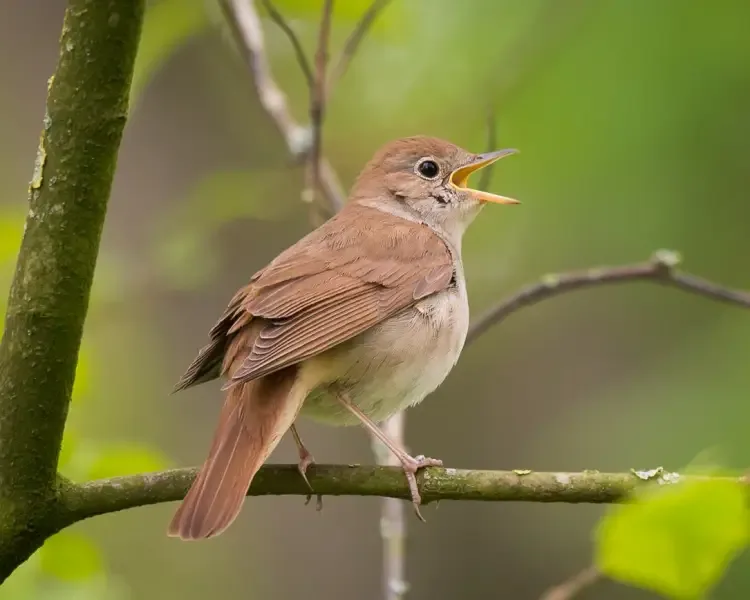
Image source: Bing (Web (fair-use with source credit))
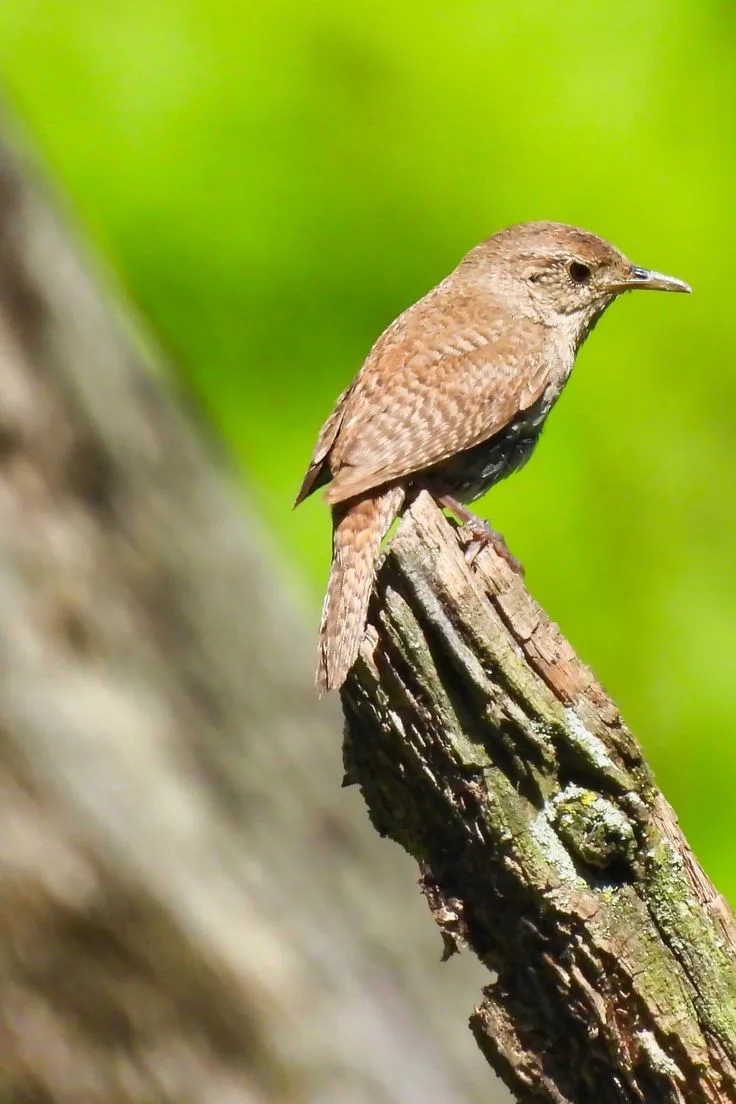
Nightingales are small, brown passerines renowned for their complex nocturnal songs. Understanding nightingale facts requires a look at their breeding cycle and migratory habits. These birds primarily inhabit dense, shrubby thickets across Europe and Western Asia.
They serve as vital indicators of ecosystem health in temperate woodlands.
As of 2026, researchers track these birds using acoustic monitoring and habitat surveys to estimate population trends. The Common Nightingale, or Luscinia megarhynchos, typically weighs only 18 to 23 grams. They double this weight through hyperphagia before their biannual migration to sub-Saharan Africa.
Quick Answer
The common nightingale is a migratory songbird known for its complex, loud melodies. Males sing most intensely at night to attract a mate. They thrive in dense, shrubby habitats and protected woodland edges.
These birds migrate annually between Europe and sub-Saharan Africa. They primarily feed on ground-dwelling insects and spiders.
The Reality Behind the Nightingale’s Mythic Reputation
Many people mistake nightingale facts for poetic fiction because their song is so hauntingly beautiful. In reality, their vocalizations are biological tools for territory defense and mate attraction. These birds are not mystical beings.
They are highly efficient, ground-feeding specialists that require specific environmental conditions to survive and reproduce.
The myth that they sing only for pleasure is inaccurate. Scientific observation shows that the intensity of their song drops once a pair forms a bond. If you hear a bird singing vigorously during the late night, you are likely listening to an unmated male.
This behavioral trait is a core aspect of their survival strategy within their competitive social hierarchy.
Decoding the Nightingale’s Complex Vocalizations

Image source: Web (Bing) / nhbs.com (Web image (fair-use with source credit))
A male nightingale produces over 200 distinct musical phrases in his repertoire. This complex acoustic signature helps females assess the quality and experience of a potential mate. Unlike other birds that rely on visual displays, nightingales prioritize vocal range to establish dominance in low-light conditions.
Their song is a rhythmic, powerful sequence that often sounds like a series of crescendos. Because they inhabit dense thickets, their voice must travel through heavy foliage. The acoustics of their song are perfectly adapted to penetrate thick brush where visual communication would fail.
Research by the British Trust for Ornithology suggests this acoustic precision is essential for successful breeding in cluttered environments.
Life on the Wing: The Marathon Migration Strategy
Nightingales are long-distance migrants that cover thousands of miles twice every year. Their journey involves crossing the Mediterranean Sea and the Sahara Desert. This movement is not a casual flight.
It is a physically grueling test of endurance that requires careful preparation of energy reserves.
Before departing for their wintering grounds, they enter a phase of intense feeding called hyperphagia. They consume large quantities of insects to accumulate subcutaneous fat. This fat acts as the primary fuel for their non-stop flight across ecological barriers.
Their survival depends entirely on finding high-quality insect populations in their breeding and wintering habitats.
Finding the Elusive Nightingale in Your Local Scrubland
Spotting a nightingale is a challenge because of their cryptic coloration and shy nature. You will rarely see them perched in the open. They prefer to stay within the protection of brambles, thickets, and low-level scrub.
If you are looking for them, listen for the song first, as the bird will likely remain hidden.
| Feature | Observation Tip |
|---|---|
| Peak Season | Mid-April through early June |
| Active Time | Sunset to sunrise (loudest period) |
| Preferred Spot | Dense, unmanaged woodland edges |
| Detection Method | Passive listening; avoid entering brush |
Persistence is the most important tool for an observer. Do not attempt to flush them out of the brush. Instead, approach a known breeding area quietly and remain stationary at the edge of the vegetation.
The birds will eventually continue their activity once they stop perceiving you as a threat.
Why Habitat Integrity is the Real Key to Their Survival

Image source: Web (Bing) / ecology.net (Web image (fair-use with source credit))
Habitat quality is the most significant factor in nightingale population health. They require a specific architecture of vegetation that provides both cover and food. If the shrub layer is thinned out or removed by landscaping or overgrazing, the birds immediately vacate the area.
They need continuous, tangled cover to safely hunt for insects on the ground.
The European Environment Agency documents that structural diversity in woodlands remains vital for these insectivores. When a habitat is maintained as a messy, dense thicket, it provides a stable source of beetles, ants, and caterpillars. Their presence acts as an indicator that the local soil and insect populations are balanced and healthy.
Protect the scrub, and you protect the bird.
Common Pitfalls and Misunderstandings in Field Observation
Many enthusiasts struggle to record these birds because they overestimate the ease of visual spotting. You should anticipate that the bird will remain obscured by vegetation at all times. Attempting to track the singer through the thicket often results in the bird going silent, which halts your observation entirely.
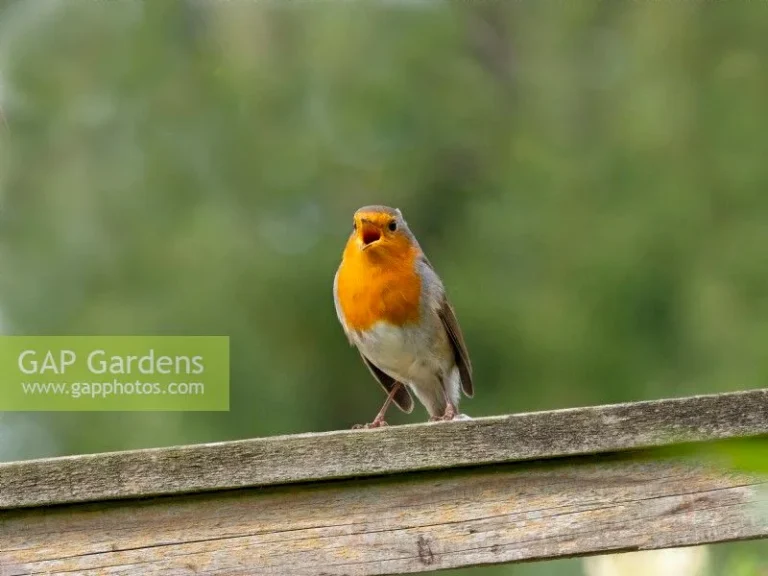
Another frequent error involves confusing the song with that of the European Robin or the Common Blackbird. While all three are thrush-related species, the nightingale has a distinct crescendo quality that carries further in the dark. Always verify your recording against documented acoustic libraries before concluding that you have successfully identified a nightingale.
Avoid playing recorded bird songs to encourage a response. While this technique might trigger a defensive reaction, it causes unnecessary stress for the bird during a critical time for pairing and nesting. Respect the wildlife by relying on passive observation methods and patience rather than external stimuli.
Essential Facts and Field Data
Field data highlights the physical intensity required for this species to thrive. They are physically built for agility and endurance rather than size. You can see how their biological metrics compare to other common passerines in the table below.
| Metric | Typical Value |
|---|---|
| Average Weight | 18–23 grams |
| Wing Span | 22–26 centimeters |
| Breeding Cycle | April–June |
| Clutch Size | 4–5 eggs |
These birds are strictly insectivorous, which influences their territory selection. They must occupy land that produces high volumes of leaf-litter insects, such as beetles and spiders. This biological reliance on ground-level prey makes them incredibly vulnerable to changes in woodland floor management.
Legal protections are also an essential consideration for anyone studying or photographing them. In the UK, for instance, intentional disturbance of nesting birds is restricted under the Wildlife and Countryside Act. Always check your local regulations before entering potential nesting grounds to ensure you remain compliant with conservation laws.
Frequently Asked Questions
Can I keep a nightingale as a pet?
No, it is illegal to keep wild nightingales as pets. They are protected migratory songbirds that require vast territories and specific wild insect diets to survive. Captivity prevents their natural migratory cycle and leads to health decline.
Always support conservation efforts instead of attempting to possess wild species.
How can I attract nightingales to my garden?
You can encourage nightingales by planting dense, native shrubs and maintaining unmanaged, wild corners of your property. They require deep cover, such as hawthorn or blackthorn, to feel secure. Keep your garden quiet during the spring months and avoid using pesticides that could eliminate their natural insect food source.
Why do they stop singing in June?
Nightingales typically stop their intense singing once they have successfully paired and begun the nesting process. The song serves primarily as a broadcast to attract a mate and defend a breeding territory. Once the female is on the nest, the male reduces his vocal activity to avoid drawing predators.
Where do nightingales go in winter?
These birds migrate to sub-Saharan Africa to escape the harsh European winter. They navigate vast distances, crossing both the Mediterranean Sea and the Sahara Desert. This migration is driven by the need to find reliable insect populations that are not available in northern climates during the colder months.
Are nightingales endangered?
They are currently classified as a species of least concern globally, but they face regional declines due to habitat loss. The destruction of scrubland and woodland edges directly impacts their ability to nest. Protecting their specific habitat remains the most effective way to ensure local populations stay healthy and stable.