Macaw Facts
Macaws are vibrant, highly intelligent birds belonging to the parrot family. Understanding essential macaw facts helps owners provide the specific care these animals require for a healthy life.
These birds are native to the tropical regions of Central and South America. As of 2026, experts classify many of these species as threatened in their natural habitats. They are long-lived companions, often requiring specialized avian care throughout their lives.
Quick Answer
Macaws are large, long-tailed parrots from the Americas. They possess highly specialized, strong beaks. These birds live for several decades in captivity.
They require immense daily mental stimulation and social interaction. Proper care demands specific avian-specialized veterinary oversight.
Understanding Macaw Biology: Why They Aren’t Your Average Pet
Macaws are not simple house pets. They are wild animals that have adapted to complex social structures in rainforest canopies. Their biology is built for flight, foraging, and long-term pair bonding.
When you invite a macaw into your life, you are essentially adopting an exotic athlete that needs constant challenges.
Most macaws possess an extremely high level of cognitive function. They solve complex problems, recognize individual humans, and display emotions similar to those of a young child. Because they are flock animals, they struggle with isolation.
If you leave them alone for long periods, you will quickly see signs of severe stress.
Their physical capabilities are equally impressive. A large macaw can exert hundreds of pounds of pressure per square inch with its beak. This biological tool is meant for cracking Brazil nuts and opening tough fruit husks.
In a home, this strength is often directed toward furniture, cabinets, and baseboards if the bird is not given proper outlets.
The Visual Anatomy of a Macaw: What to Look For
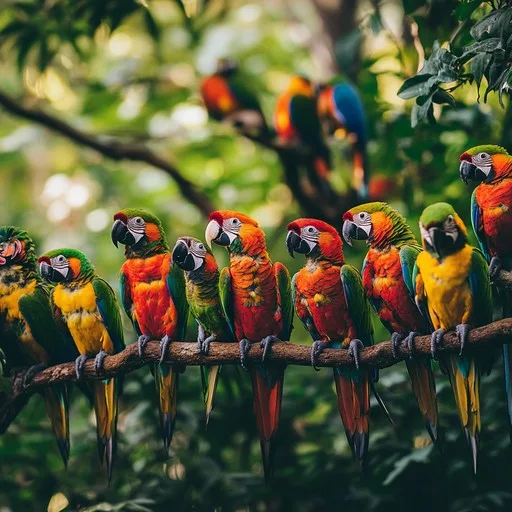
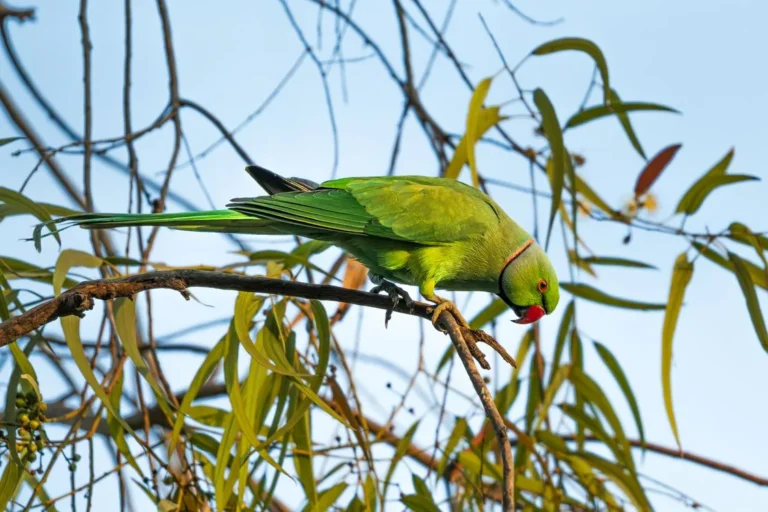
The most striking feature of a macaw is its vibrant plumage, but its physical anatomy tells a more important story about its survival. Each species has unique facial skin patterns, which often act like a fingerprint for identification. You should observe these patches for changes in color, which can sometimes indicate stress or health fluctuations.
Their feet are designed for precision and power. They use a zygodactyl arrangement, which means two toes point forward and two point backward. This setup allows them to grip branches securely while hanging upside down to reach fruit.
This specialized anatomy also allows them to manipulate food with impressive dexterity.

Image source: Web (Bing) / pinterest.co.uk (Web image (fair-use with source credit))
| Feature | Anatomical Purpose |
|---|---|
| Hooked Beak | Crushing nuts and climbing |
| Zygodactyl Feet | Precise gripping and manipulation |
| Long Rectrices | Stability during flight maneuvers |
| Facial Patches | Species identification and signaling |
Essential Care: Managing Behavior, Nutrition, and Environment
Providing proper care requires a shift in how you view the bird's day. A macaw's health depends on foraging behaviors that mimic their life in the wild. You should never serve all their food in a simple bowl.
Instead, hide portions of their diet inside paper, wood, or puzzle toys.
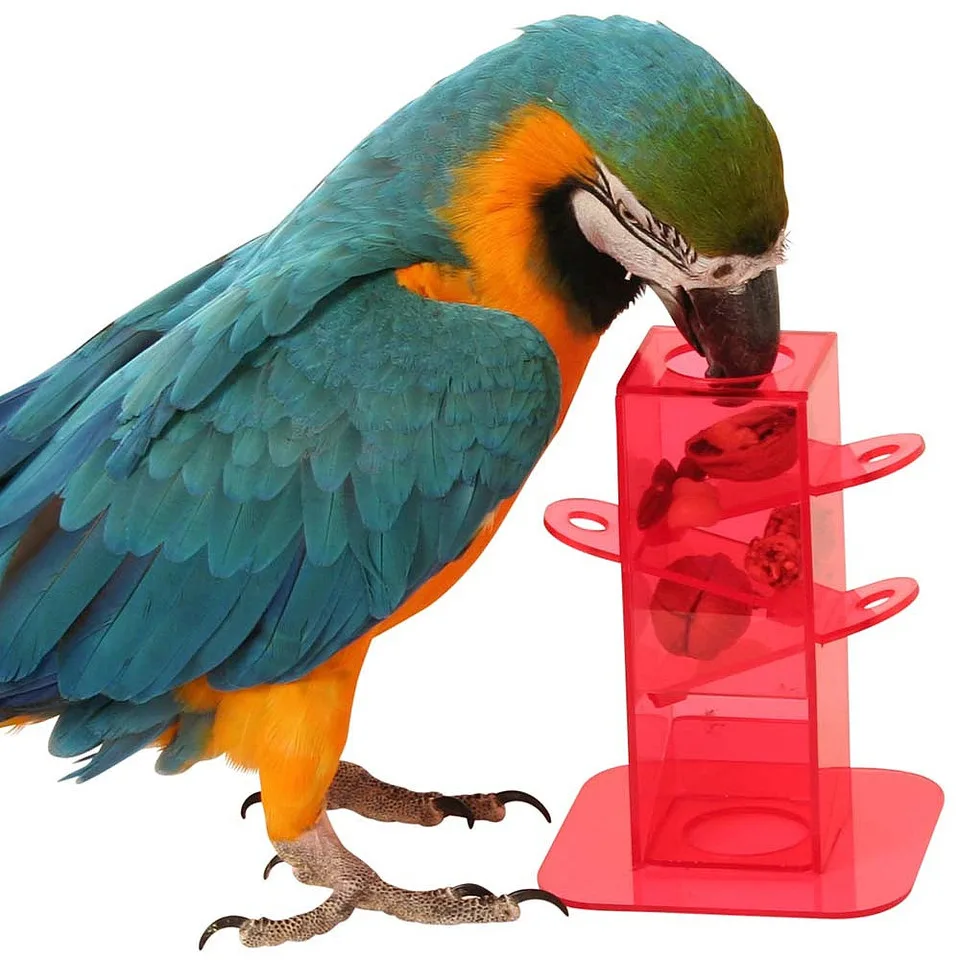
Image source: Bing (Web (fair-use with source credit))
Nutrition is another pillar of their long-term health. The Association of Avian Veterinarians emphasizes that a balanced diet goes far beyond basic seed mixes. High-quality pellets should form the base of their meals, supplemented with fresh, bird-safe vegetables and occasional fruit.
Avoid anything high in fat or sugar, as obesity is a frequent health risk for captive birds.
Environmental control is just as important as diet. Macaws need a cage that allows them to fully extend their wings without touching the sides. They also require at least 3 to 4 hours of supervised out-of-cage time every day.
This time must be interactive, focusing on training or play rather than just hanging out on a stand.
Key Safety Warnings for Home Owners
Macaws are incredibly sensitive to their environment, especially to airborne toxins. Their respiratory systems are far more efficient than human lungs, which means they process small particles much faster. You must strictly avoid using non-stick cookware (PTFE/PFOA) in your home.
When these pans overheat, they release fumes that are often fatal to birds within minutes.
Household safety goes beyond kitchen equipment. You should also watch out for common items that pose a risk to curious beaks. Electrical cords, lead-based paint, and certain houseplants like philodendrons or lilies can cause sudden poisoning.
Before letting a macaw roam a room, ensure all dangerous materials are locked away or removed entirely.
Consulting with an avian-certified veterinarian is the most effective safety measure you can take. Standard small-animal vets usually lack the specialized training for parrots. Locate a board-certified specialist before a crisis occurs.
A baseline wellness check once a year can catch respiratory or metabolic issues before they become life-threatening.
Common Mistakes and How to Avoid Them
One of the most frequent mistakes owners make is underestimating the volume of a macaw's vocalizations. These birds use loud calls to locate their flock, and in your home, you are that flock. You cannot train a bird to stop being a bird.
If you respond to every scream, you accidentally reinforce the behavior, teaching them that noise gets them attention.
Another major error is the lack of a proper sleep schedule. Macaws need roughly 10 to 12 hours of uninterrupted darkness and quiet every night. If they do not get enough rest, they can become irritable, prone to feather-picking, and physically weakened.
Invest in a heavy cover for their cage and keep them in a quiet, dark area during the night.
Finally, do not rely on punishment when your macaw misbehaves. They do not understand time-outs or scolding in the way dogs or humans do. Instead, use positive reinforcement.
Reward desired behaviors like playing with a toy or sitting quietly on a perch. If you focus on preventing boredom, you will naturally eliminate the vast majority of problem behaviors.
Expert Insights on Macaw Longevity and Health
Macaws possess remarkable endurance, often living 50 years or more with high-quality care. This longevity makes them a multi-generational commitment that requires planning for the bird's future beyond your own life. You should establish a care trust or identify a designated guardian who understands the bird's specific needs early in your journey.
Health monitoring should rely on proactive veterinary habits rather than reactive responses to illness. Because these birds are experts at hiding symptoms of sickness, even a slight change in stool consistency, appetite, or posture warrants an immediate call to an avian veterinarian. Do not wait to see if the problem passes on its own.
Recognizing the signs of Psittacine Beak and Feather Disease (PBFD) or other common avian viruses is a vital skill for every owner. You should request full panel testing for new birds before integrating them into a household with existing companions. Prevention remains the most effective tool in your healthcare arsenal.
Data regarding their health benchmarks suggests that stable humidity and UV light exposure directly influence immune function. Many indoor environments are too dry for these tropical animals. Using a humidifier and providing safe, full-spectrum lighting can help mimic their native habitat and keep their respiratory and feather health in peak condition.
Frequently Asked Questions About Living with Macaws
Can macaws live in apartments?
Macaws generally do not thrive in apartment settings due to their extreme volume. Their contact calls are designed to carry for miles through dense rainforest, which easily penetrates thin apartment walls. If you have close neighbors, the noise level will almost certainly lead to frequent conflicts or housing complications.
How much space does a macaw need?
These birds require a cage that allows them to spread their wings fully without touching the sides or the top. The absolute minimum for larger species is typically 4 feet by 4 feet of floor space. They also need significant time outside this enclosure to move, climb, and exercise their flight muscles.
Do macaws get along with other pets?
Macaws often view other pets, such as cats or dogs, as potential threats to be intimidated or attacked. You should never leave a macaw unsupervised with other animals, even if they seem friendly. Their beaks can inflict serious injury on smaller pets, and the stress of a predator-prey dynamic is harmful to the bird.
Why does my macaw pluck its feathers?
Feather plucking is usually a symptom of psychological stress, chronic boredom, or an underlying medical condition. You should consult a vet first to rule out physical issues like parasites or nutritional deficiencies. If the bird is medically healthy, the cause is often a lack of mental enrichment or inadequate social interaction.
Are macaws difficult to train?
Macaws are highly intelligent and responsive to positive reinforcement training. They learn quickly when you use rewards like healthy treats or focused attention for desired behaviors. Consistency is the primary factor, as erratic rules or accidental reinforcement of negative behaviors like screaming will quickly undo your progress.