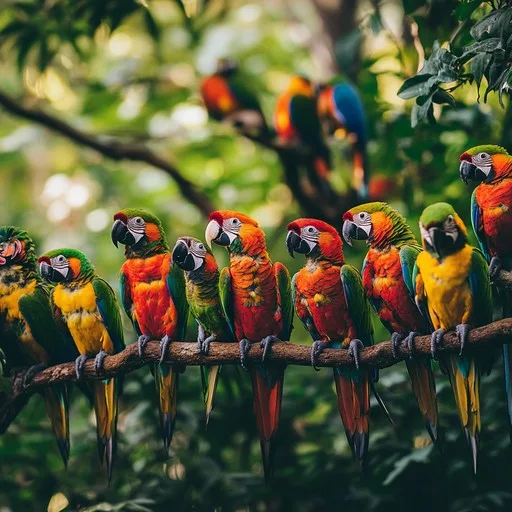
Cockatoo Facts
Considering the addition of a cockatoo to your home requires understanding that these birds are complex, long-lived, and highly social. Knowing the most important cockatoo facts ensures you are prepared for the intense, decades-long commitment these intelligent parrots demand.
These birds are not domesticated pets like cats or dogs, as their wild instincts remain fully intact. According to data from the Association of Avian Veterinarians, owners must be prepared for the specific behavioral and medical needs of a creature that can live for over 50 years.
Quick Answer
Cockatoos are highly intelligent, social parrots from the family Cacatuidae. They require constant mental stimulation to prevent destructive behavior. These birds produce a fine white powder known as powder down.
They possess loud contact calls for long-range communication. Most species live between 40 and 80 years.
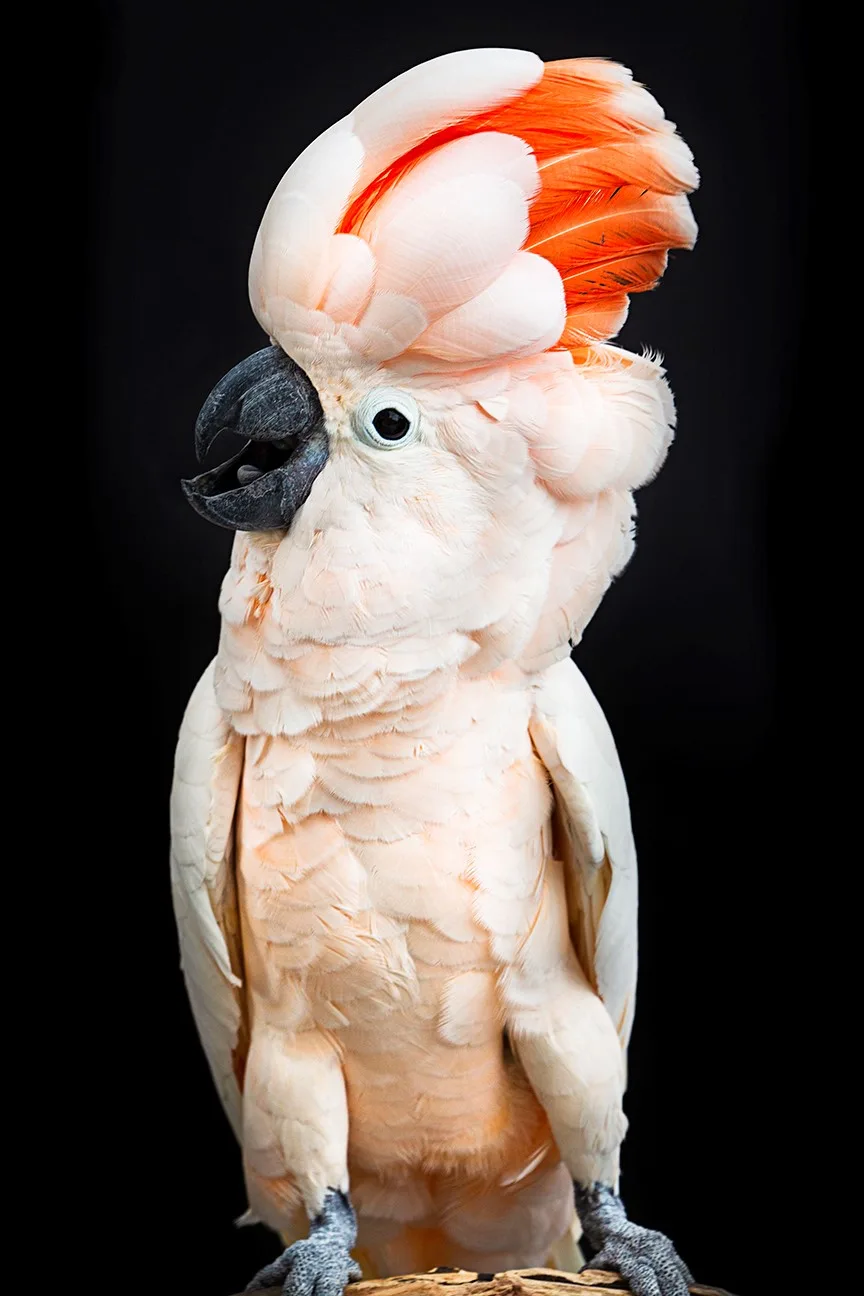
Image source: Web (Bing) / ar.inspiredpencil.com (Web image (fair-use with source credit))
The Reality of Living with a Cockatoo: What You Must Know
Living with a cockatoo is a lifestyle change rather than just adding a pet to your home. You are inviting a highly intelligent, wild animal into your living space. They do not have the breeding history of dogs, meaning they do not seek to please human leaders.
You will face significant noise, daily cleaning, and a constant need for social interaction. They are not animals that can be left alone for long periods. If you cannot dedicate several hours every single day to active engagement, you will likely encounter severe behavioral problems.
Biological Reality: Why They Are Not Like Other Pets
Cockatoos are unique among parrots because they lack the uropygial gland found in other species. This gland typically provides oil for waterproofing, but cockatoos instead rely on specialized feathers that break down into a fine, white powder. This powder coats everything in their environment, which is a major factor for those with allergies or asthma.
Their anatomy is specialized for a life in the canopy. They utilize zygodactyl feet, meaning two toes point forward and two point backward, allowing for incredible grip and climbing agility. This makes them masters of escape and manipulation.

Image source: Web (Bing) / naturallycaptive.com (Web image (fair-use with source credit))
Understanding the Velcro Bird Personality and Social Needs
The term "Velcro bird" describes the tendency of many cockatoos to form an intense, singular attachment to one human. This bond can be rewarding, but it often leads to pathological separation anxiety. When you are out of sight, the bird may engage in loud, repetitive screaming or self-mutilation.
You must set boundaries from the very beginning. Encouraging independent play and ensuring they have time to be a bird is vital for their mental health. If a cockatoo becomes too dependent on you, it loses the ability to self-soothe, leading to aggressive behavior when your attention shifts elsewhere.
Environmental Requirements for a Healthy, Stable Cockatoo
A standard cage is never enough for a cockatoo. They require a space that functions more like a gymnasium than a container. The cage must be constructed of heavy-duty materials, as their powerful beaks can snap standard metal bars with ease.
Foraging is the most important part of their daily routine. In the wild, they spend most of their waking hours searching for food. Providing enrichment toys where they must solve puzzles to eat prevents the boredom that triggers feather plucking and destruction.
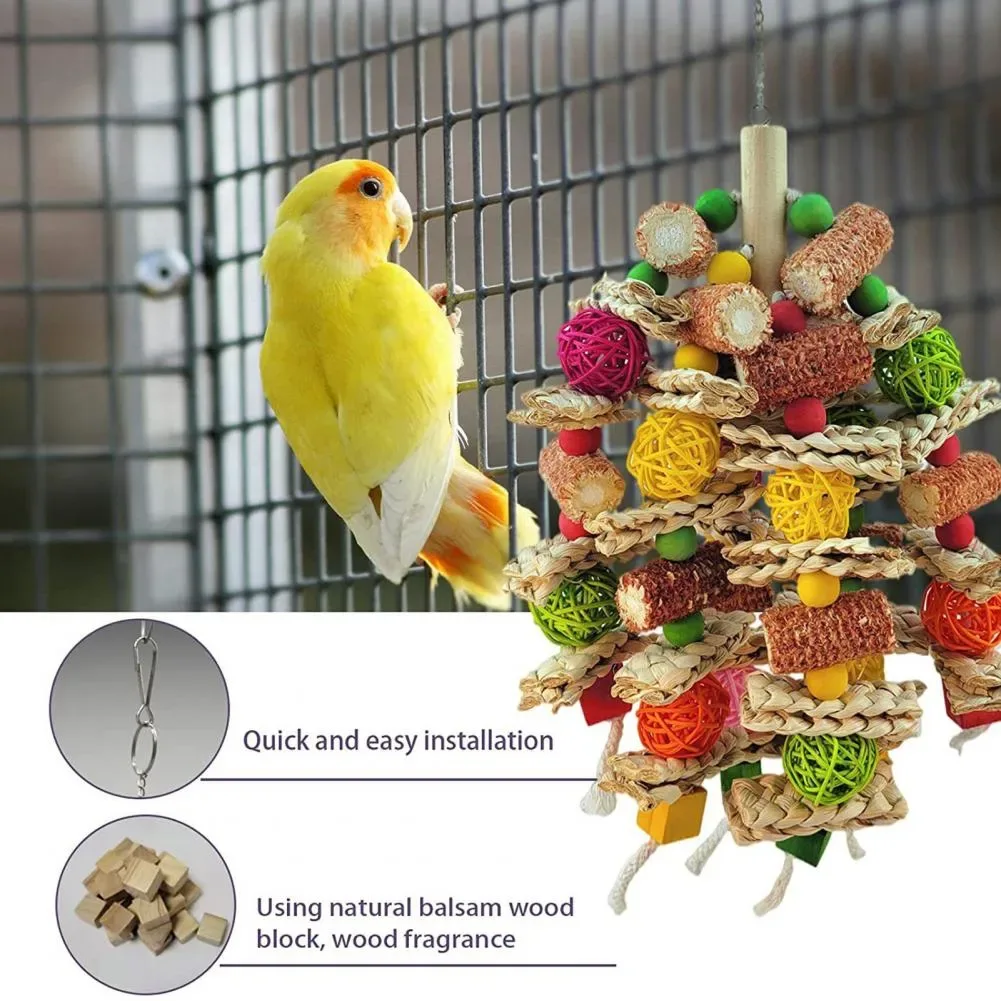
Image source: Web (Bing) / dhgate.com (Web image (fair-use with source credit))
- Foraging Toys: Use wood, cardboard, or sisal rope to create challenges.
- Safety: Remove all non-stick pans and scented candles, as their respiratory systems are extremely sensitive to chemicals.
- Light: Ensure they have a consistent schedule with 10 to 12 hours of total, quiet darkness for sleep.
Critical Health and Safety Risks You Cannot Ignore
The primary health risk with cockatoos is Feather Destructive Behavior, or FDB. This is often a symptom of chronic stress, improper hormonal cycles, or a lack of mental engagement. Once a bird begins to pluck or mutilate, it is difficult to reverse.
Avian medical care is a specialized field. As of 2026, finding a board-certified avian veterinarian is a prerequisite for keeping a cockatoo safely. Never assume a general dog or cat veterinarian can treat your bird in an emergency.
| Risk Factor | Impact on Bird | Preventive Action |
|---|---|---|
| Aerosols | Respiratory failure | Remove all perfumes, smoke, and sprays |
| Boredom | Feather destruction | Increase daily foraging and training |
| Hormones | Aggressive biting | Limit light and high-fat diet triggers |
| Poor Diet | Vitamin deficiency | Consult a vet for a pellet-based diet plan |
Evaluating Your Lifestyle: Are You Ready for a 50-Year Commitment?
Deciding to bring a cockatoo into your life is a major, life-altering choice that requires honesty about your future. These birds often outlive their guardians, so you need a contingency plan for their care decades down the road. If your career requires frequent travel or long hours away from home, these birds will suffer.
Consider your living environment as well. Their loud contact calls will easily penetrate thin apartment walls and cause conflict with neighbors. You should also evaluate your social habits, as a cockatoo is not a "background pet" that stays quietly in a cage.
They require active, loud, and messy engagement every day.
Think about the financial cost as well. Beyond the initial purchase or adoption fee, you need a dedicated emergency fund. Specialized avian care, high-quality pellets, and the constant need for replacement toys add up quickly.
If you cannot comfortably set aside money for recurring specialized vet visits, the financial burden will become a source of stress for both you and the bird.
Essential Maintenance and Daily Operational Care
Maintaining a healthy environment for your bird starts with a rigid, predictable daily schedule. They thrive on routine, which helps them feel secure and reduces hormonal fluctuations that lead to aggression. Your morning should start with cleaning their water and food bowls, followed by refreshing their foraging stations.
Training sessions are a fundamental part of daily maintenance. Rather than just letting them sit, use positive reinforcement to teach them basic cues or tricks. This provides the mental stimulation they need to prevent destructive habits like chewing your baseboards or cabinets.
Cleanliness is also a safety issue for these birds. You must vacuum or mop the area around the cage daily to remove the accumulation of powder down. This dust can trigger respiratory issues in humans and may cause air quality concerns in smaller rooms.
Keep a dedicated cleaning kit nearby to ensure you can handle spills or mess without delay.
- Daily: Change water, replace food, wash dishes, and sweep dander.
- Weekly: Deep clean the cage bars, swap out toys, and inspect play stands.
- Monthly: Perform a thorough health check, including weighing the bird to track weight fluctuations.
Frequently Asked Questions About Cockatoo Behavior and Welfare
Why do cockatoos scream so loudly?
Screaming is an innate contact call used in the wild to locate flock members. They don't know you're in the next room, so they use this powerful vocalization to call out to you. Trying to punish them for this will only increase their stress and the frequency of the noise.
Can I keep a cockatoo in an apartment?
It is rarely a good idea to keep a cockatoo in an apartment due to their extreme volume. Their calls can reach over 100 decibels and carry through walls. Unless your building is soundproofed and you have no neighbors, the noise will likely lead to complaints and significant stress.
How do I stop my bird from biting?
Biting is almost always a reaction to fear, hormones, or an attempt to communicate a boundary you missed. Watch their body language, such as pinned eyes or flared crests, which signal frustration before they strike. Focus on positive reinforcement to reward calm, gentle interactions instead of reacting to the bite.
Do cockatoos get along with other pets?
They are often dangerous to other household pets due to their powerful beaks and unpredictable nature. Even if the bird seems friendly, a sudden startle can lead to serious injuries for cats, dogs, or smaller birds. It is safest to keep your cockatoo physically separated from other pets at all times.
What is the best diet for a cockatoo?
A balanced diet consists primarily of high-quality, vet-recommended pellets, supplemented with a variety of fresh vegetables. Avoid all-seed diets, which are linked to obesity and nutritional deficiencies in captivity. Always consult an avian veterinarian to adjust the diet based on the specific species and current health needs of your bird.