Where Do Eagles Live
Eagles are apex predators that demand specific environments to survive and thrive. Understanding where do eagles live requires looking for territories that provide a consistent food supply and secure nesting locations.
These birds generally select territories based on biological survival, not geographic convenience. As of 2026, scientific observation by the U.S. Fish and Wildlife Service confirms that habitat selection depends primarily on proximity to water and stable, isolated nesting structures.
Quick Answer
Eagles live near large bodies of water. They require ample fish for food. Most eagles choose tall, sturdy trees.
Some prefer high mountain cliff ledges. They seek areas away from human activity. These birds stay where food remains available year-round.
The Geography of Eagle Territory: What to Look For
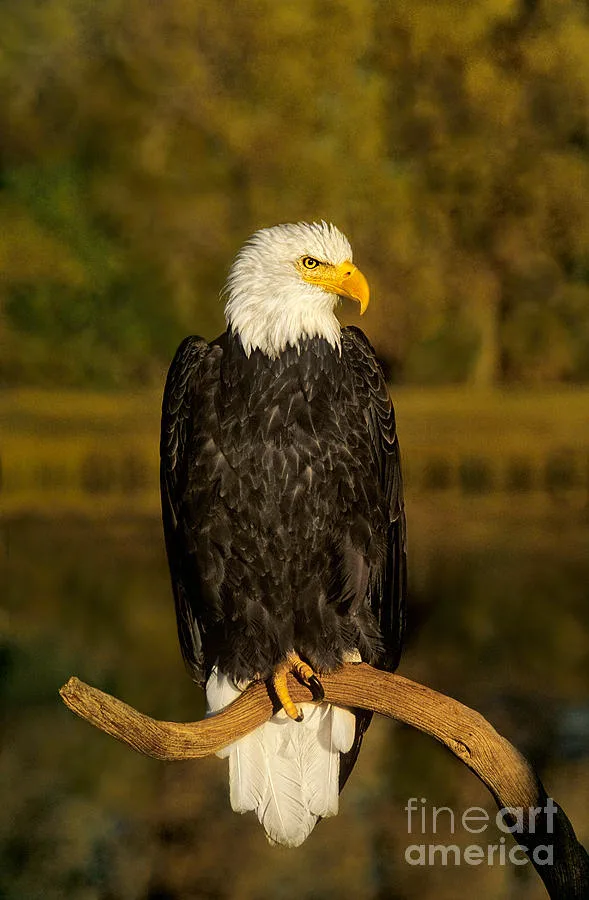
Image source: Web (Bing) / fineartamerica.com (Web image (fair-use with source credit))
Eagles are not random wanderers. They are highly territorial creatures that spend their entire adult lives in established home ranges. If you are searching for where these birds live, look for a combination of vast hunting grounds and secluded roosting spots.
They prioritize sites that offer a clear vantage point. An eagle perched on a high branch or a rocky spire has a clear view of the surrounding landscape. This allows them to spot prey from a great distance while keeping their nest protected from ground-based predators.
If a territory has been used for generations, you will often find multiple nests in the area. Eagles are known to return to the same general location annually. They reinforce their homes rather than abandoning them.
This long-term site fidelity is a hallmark of the species.
Essential Landscape Features for Nesting and Hunting

Image source: Web (Bing) / ar.inspiredpencil.com (Web image (fair-use with source credit))
Nesting sites must be both secure and spacious. Eagles build massive, multi-ton structures that can persist for decades. They require trees with strong, wide crotches that can support this weight without collapsing during severe weather.
Hunting grounds require a different set of features. Bald Eagles, for instance, rely on riparian zones. These are the strips of land adjacent to rivers, streams, and lakes.
These areas provide the fish that make up the bulk of their diet.
| Feature | Importance | Requirement |
|---|---|---|
| Water Source | Critical | Constant access to fish/prey |
| Nest Support | High | Strong branch structures or cliffs |
| Visibility | Medium | 360-degree view for predators |
| Seclusion | High | Buffer from human noise |
When food is plentiful, eagles can thrive in smaller territories. If resources are spread thin, they must defend much larger ranges. This forces them to spend more energy on patrol and defense.
Comparing Coastal Habitats vs. Inland Mountain Ranges

Image source: Web (Bing) / sweezy-wallpapers.com (Web image (fair-use with source credit))
Bald Eagles typically dominate coastal habitats. You will find them along the Pacific and Atlantic coastlines, especially where estuaries and tidal flats meet the ocean. These areas are rich in salmon and other marine life.
Golden Eagles prefer the opposite environment. They gravitate toward wide-open, mountainous, or hilly terrain. You will often see them soaring over expansive grasslands or alpine slopes.
They hunt small mammals like rabbits and ground squirrels rather than fish.
The habitat choice often dictates the bird's hunting style. Coastal eagles spend long hours sitting on perches, watching the water surface for ripples. Mountain-dwelling eagles spend more time actively soaring and searching the ground.
These preferences are rigid. A Golden Eagle rarely attempts to fish in a coastal estuary. A Bald Eagle would struggle to find sufficient small mammal prey in a barren mountain range.
They stay within their specialized biomes.
Understanding Seasonal Migration and Territorial Shifts
Not all eagles are migratory. If an eagle lives in a climate that remains temperate throughout the year, it may never leave its home range. They stay as long as the food remains accessible.
Northern populations face a different reality. When winter hits, the lakes and rivers they rely on for food freeze solid. This removes their primary food source, forcing them to fly south to find open water.
Migration is purely a survival strategy. It is not an innate desire to travel. If a human-made power plant keeps a local river warm enough to stay ice-free, those eagles will stay put during the winter.
They adapt to the local environmental conditions quickly.
Once the spring thaw occurs, they return to their northern breeding grounds. They are highly efficient at finding their way back to previous nesting sites. This cycle repeats year after year for the duration of their lifespan.
How to Observe Eagles Without Causing Disturbance
Observation requires a balance between curiosity and caution. Eagles have acute eyesight and will react to movement or noise from hundreds of yards away. The National Park Service recommends keeping a substantial distance to avoid disrupting their natural behavior.
Use binoculars or spotting scopes rather than trying to get closer on foot. If the bird stops hunting or starts looking directly at you, you are too close. Back away slowly until the eagle returns to its previous activity.
Avoid visiting nesting sites during the breeding season. This is when the birds are most sensitive to human presence. The stress of being watched can lead to nest abandonment, which puts the future of the offspring at significant risk.
Follow these rules for ethical observation:
- Use designated observation areas when available.
- Remain in your vehicle if the eagle is near a roadway.
- Limit your time in any one spot to avoid crowding.
- Never use drones or loud equipment near a known nest.
Safety, Legal Protections, and Ethical Birding
Eagles receive robust protection under federal law, specifically through the Bald and Golden Eagle Protection Act. This legislation makes it illegal to disturb, harm, or harass these birds or their nests. Violations carry significant financial penalties and potential jail time for those who intentionally disrupt their habitat.
Ethical observation requires you to prioritize the safety of the bird over your desire for a photograph. If your presence causes an eagle to leave its perch or stop feeding, you have crossed a boundary. The stress caused by human interaction can weaken the bird, making it more vulnerable to disease or starvation.
Always stay on marked trails when exploring known eagle territories. Keep noise levels low, and avoid making sudden movements that could startle a perched bird. If you discover a nest or an injured eagle, contact your local wildlife agency immediately.
Do not attempt to intervene or provide medical care yourself.
Respecting these birds means leaving the landscape exactly as you found it. Pack out all trash, avoid leaving food scraps that might attract predators to the area, and follow all posted seasonal restrictions. These measures ensure that the environment remains suitable for generations of eagles to come.
Frequently Asked Questions About Eagle Homes
Do eagles use the same nest every year?
Yes, eagles exhibit strong site fidelity. They often return to the same nest year after year, adding new sticks and materials each time. This behavior causes the nest to grow significantly in size over its lifespan.
A nest that is decades old can reach several thousand pounds in total weight.
Can eagles live in cities or suburban areas?
Eagles prefer secluded areas, but they occasionally adapt to suburban landscapes if the requirements are met. You might find them in areas with large protected parks near major rivers or lakes. They generally avoid high-density urban zones due to noise, light pollution, and a lack of suitable nesting trees.
How do I know if an eagle nest is active?
An active nest usually shows signs of regular maintenance, such as fresh greenery or loose sticks added to the rim. You might observe adult birds bringing food to the nest or tending to chicks during the breeding season. If the nest appears ragged or covered in debris, it may be dormant.
Do eagles share their territory with other birds of prey?
Eagles are aggressive towards other raptors that enter their immediate nesting territory. They will defend their home against hawks, ospreys, and even other eagles. They do not share their primary hunting grounds with other large birds of prey.
You will rarely see multiple eagle nests in close proximity unless the food supply is vast.